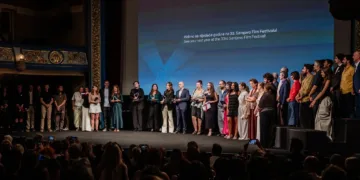
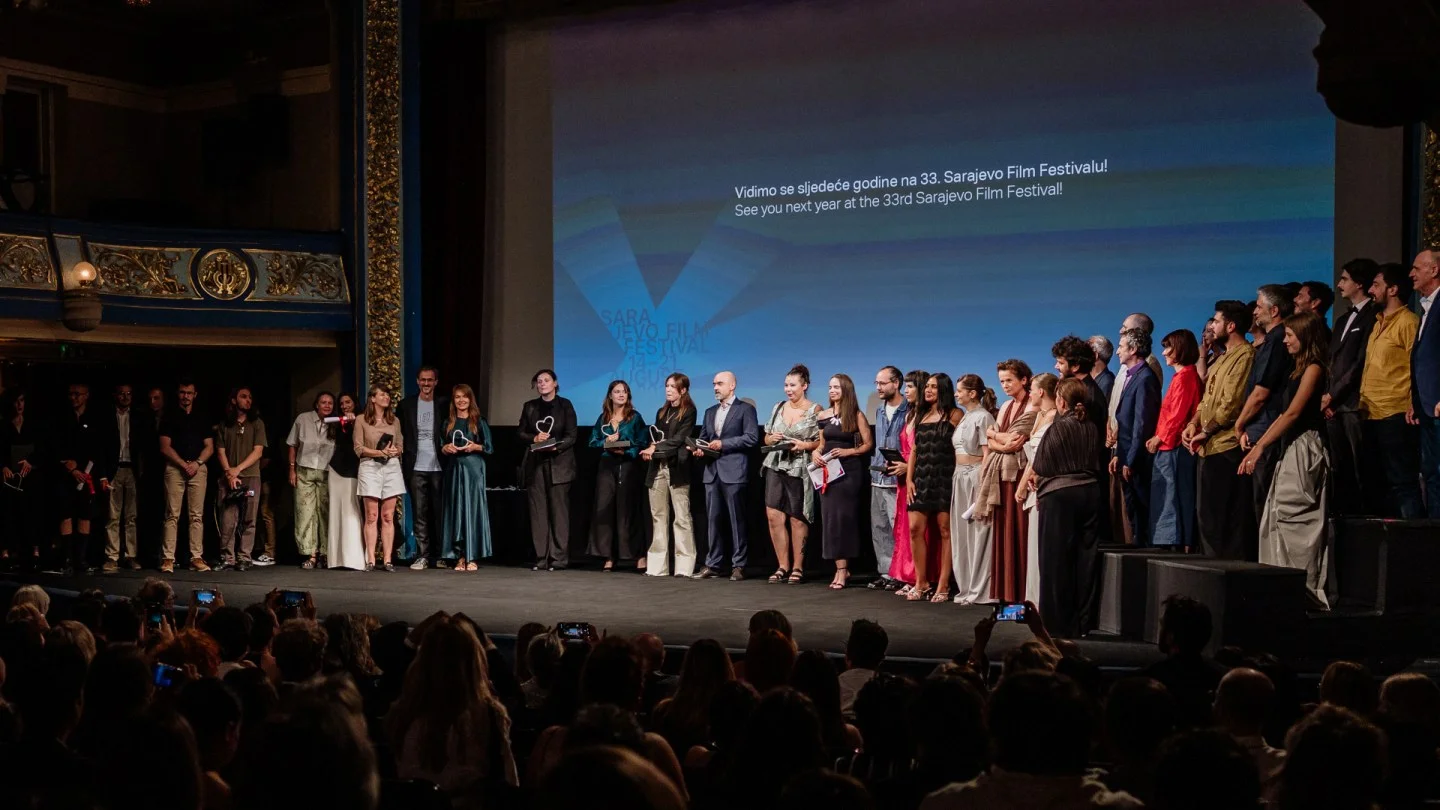
Austrian director Sandra Wollner’s grief drama “Everytime” claimed the top prize at the Sarajevo Film Festival on Friday, capping a run that began with a Cannes premiere in May. The Heart of Sarajevo for best narrative feature, worth 16,000 euros, went to the film during a closing ceremony at the Bosnian capital’s National Theatre.
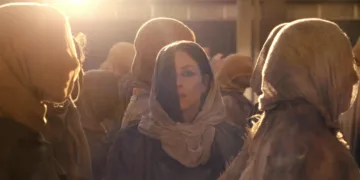
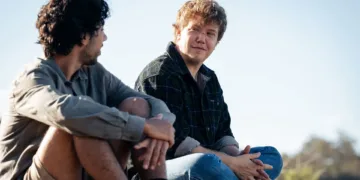
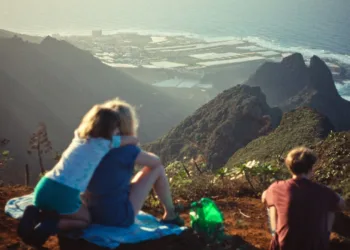
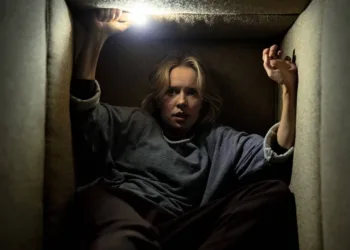
A five-member jury led by two-time Oscar nominee Emily Watson reached the decision unanimously. In its citation, the panel praised the film’s “moments of cinematic grace” that float through what it called a mesmerizing, grief-soaked ghost story. Wollner’s film follows a mother named Ella, her young daughter and a teenage boy bound together after a family tragedy. The trio sets out on a trip to Tenerife that was meant to happen as a holiday but instead becomes a space where past and present quietly bleed into one another.
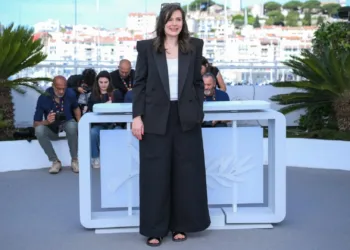
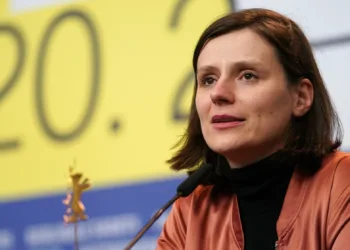
The film arrived in Sarajevo already decorated. It won the Un Certain Regard prize at Cannes in May, Wollner’s first time showing work at that festival. Speaking with reporters during the festival, she reflected on bringing the film to a city whose festival was born out of conflict. She said she could sense that history still lingering, noting that even a radio interview revealed a different, more particular way locals talk about trauma and loss.
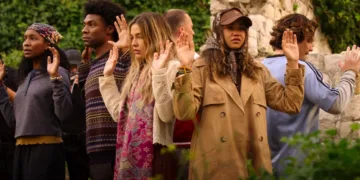
Georgian filmmaker Ana Urushadze took the best director award for “Supporting Role,” a Tbilisi-set drama the jury described as an enchanting mix of the mundane and the dreamlike. Eva Kostić won best actress for her role in the North Macedonian film “17,” while Adrian Văncică earned best actor honors for “You Don’t Belong Here,” Florin Șerban’s drama that had already picked up the top prize at Locarno.
Actor Emir Hadžihafizbegović received an Honorary Heart of Sarajevo for his body of work in Bosnian and regional cinema, joining Watson, Diego Luna, Woody Harrelson and Asghar Farhadi as this year’s honorees. The 32nd edition closed with a restored screening of Danis Tanović’s Oscar-winning “No Man’s Land,” a film set during the same war that gave rise to the festival in 1995.
When you login first time using a Social Login button, we collect your account public profile information shared by Social Login provider, based on your privacy settings. We also get your email address to automatically create an account for you in our website. Once your account is created, you'll be logged-in to this account.
DisagreeAgree
Connect with
I allow to create an account
When you login first time using a Social Login button, we collect your account public profile information shared by Social Login provider, based on your privacy settings. We also get your email address to automatically create an account for you in our website. Once your account is created, you'll be logged-in to this account.