







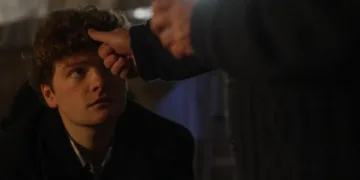

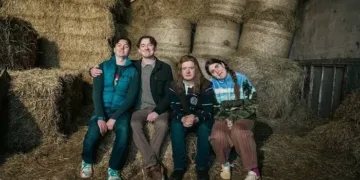


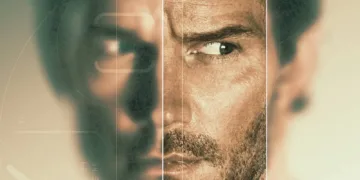








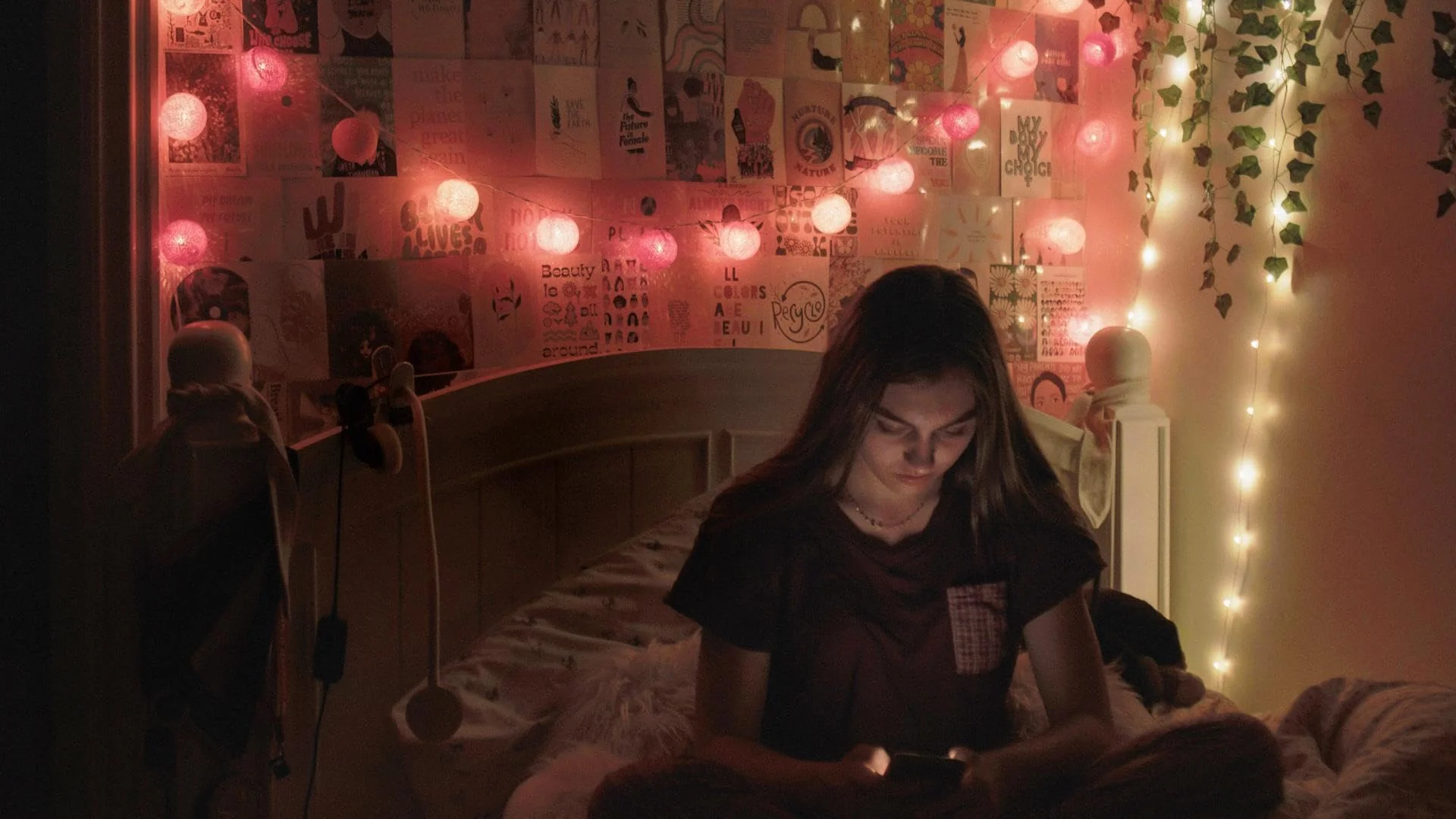

Sabrina Javellana describes the possibility that fabricated sexual images will become the defining fact of her public life. Elected to the city commission in Hallandale Beach, Florida, at twenty-one, she had an actual record: decisions, positions, work. Someone converted an ordinary online selfie into deepfake pornography. Her account in Miss Representation: Rise Up locates the violence in that attempted substitution. An image can be fraudulent and still acquire authority over the person it depicts. Establishing its falsity does not automatically restore her control.
Javellana’s participation in support of bipartisan Florida legislation against deepfake imagery complicates any easy picture of defeat. She responds politically to an attack on her political existence. She also does not seek reelection. Those facts deserve to remain beside each other without becoming a tidy account of resilience or a claim that harassment alone determined her decision. The documentary’s strongest testimony allows resistance and withdrawal to occupy the same life. Agency survives, though exercising it has become expensive.
Jennifer Siebel Newsom’s follow-up to her 2011 documentary Miss Representation examines how restrictive portrayals of women have developed into methods of targeting them. The earlier concern with representation acquires a disturbing ambiguity here. Visibility can make participation possible while supplying material for intimidation. Javellana’s selfie was available for someone else to repurpose. Newsom’s film becomes most persuasive when it follows such specific transactions, showing how a familiar act of public presence can be turned against its author.
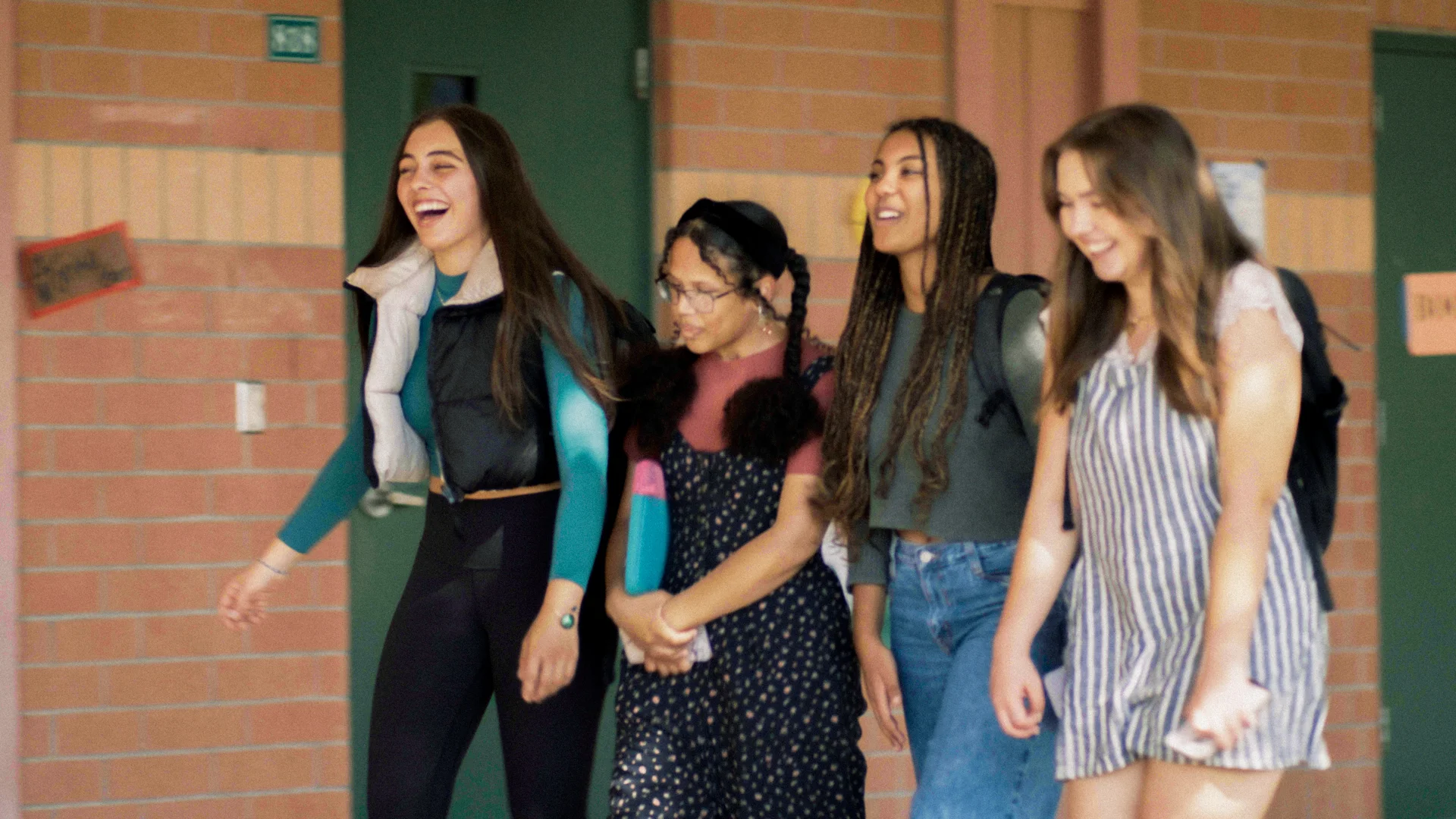
The younger participants describe conditions under which that authorship is already being negotiated. Student and author Soraya Johnson recalls being told she is too pushy in debate class, a correction she does not see applied to boys. Debate ostensibly rewards the confident presentation of an argument; her account exposes an additional, unofficial marking scheme.
Other young women describe fearing that blocking a male peer will make them appear rude or hostile. The protective function exists. Permission to use it feels less secure. These accounts give the film’s discussion of confidence something firmer than inspirational vocabulary: identifiable decisions made under unequal expectations.
A Black student’s description of photo filters that lighten skin and alter eye shape introduces another kind of instruction. Here, a technical alteration contains an aesthetic judgment. The face is treated as material requiring correction, and the correction has a racial direction. Placed within the film’s discussion of self-image, this testimony makes a precise demand on the viewer: consider what an apparently casual tool asks its user to accept about her appearance. It also exposes the limits of the documentary’s coverage. This subject warrants sustained attention to the relationship between design and learned dissatisfaction. The film moves on before that relationship receives sufficient examination.
Newsom assembles expertise that can carry these experiences beyond individual testimony. Frances Haugen brings knowledge of Facebook and platform accountability; Safiya Umoja Noble contributes scholarship concerning discrimination in technology; Nina Jankowicz addresses disinformation and abuse.
Their inclusion matters because an account of injury cannot, by itself, explain the machinery distributing it. The film needs both scales. Javellana can describe the violation of her identity with an authority no aggregate can replace, while the institutional argument requires an explanation of how abuse circulates, gains visibility, and becomes difficult to escape.
The editing is less consistently successful at making those scales meet. Movement among adolescent mental health, reproductive rights, misogynistic influencers, deepfakes, and political leadership creates an accumulating sense of threat. Connections become emotionally legible before they become equally clear as explanations.
Statistics inserted between conversations give the testimony a wider frame. The problem is especially apparent beside the filter discussion: the film identifies a design choice with considerable ethical weight, then absorbs it into a larger succession of harms. Its breadth sometimes interrupts the inquiry its evidence has just made possible.
This does not make the testimony redundant. Johnson’s classroom experience remains useful evidence even to a viewer familiar with gendered judgments about assertiveness. The relevant question is what the film does with that familiarity. When it follows a behavioral rule into a young woman’s choices, it sharpens perception.
When it moves quickly from one substantial subject to another, recognition can become the audience’s principal task. Hillary Clinton, Nancy Pelosi, and other prominent contributors extend the discussion into public leadership, but the less famous participants supply its most exact pressures: speaking forcefully, altering a photograph, deciding whom it is safe to block.
The closing turn toward solidarity changes the film’s emotional direction. Upbeat music and encouraging clips offer relief after accounts of humiliation and intimidation. That relief has a legitimate purpose. A documentary addressing young viewers need not leave them immobilized by the scale of what it describes.
Still, the soundtrack supplies a degree of reassurance that the preceding investigation has struggled to establish. The viewer is being helped toward an emotional resolution while the practical questions remain unevenly developed. Music can make collective action feel available; specifying who must do what requires a different kind of work.
The film does discuss education, regulation, platform accountability, and support for women entering leadership. Its remedies cannot fairly be reduced to personal optimism. Yet the credits’ teenage advice, including taking breaks from social media, is immediately actionable in a way those larger proposals seldom become.
A break may offer needed relief, and hearing young people articulate their own protective habits preserves their judgment. It also leaves a difficult allocation of labor inside the closing encouragement. The girls can change their daily behavior tomorrow. Platform accountability remains a larger promise, less concretely described, while they decide how much participation they can safely afford.
Miss Representation: Rise Up premiered at the Tribeca Festival on June 7, 2026, and is available through theatrical screening events hosted via Gathr Films as well as educational streaming platforms. Directed by Jennifer Siebel Newsom as a fifteen-year follow-up to her landmark 2011 documentary, the film examines the mounting cultural backlash against women’s progress, showing how social media algorithms, deepfakes, and online harassment are increasingly weaponized to undermine female leadership and public engagement.
Where to Watch Miss Representation: Rise Up (2026) Online
Full Credits
Title: Miss Representation: Rise Up
Distributor: The Representation Project, Gathr Films
Release date: June 7, 2026
Running time: 1 hour 30 minutes (90 minutes)
Director: Jennifer Siebel Newsom
Writers: Jennifer Siebel Newsom, Camille Servan-Schreiber, Gretchen Miller
Producers and Executive Producers: Jennifer Siebel Newsom, Camille Servan-Schreiber, Gretchen Miller, Ann Lewnes, Susie Tompkins Buell, Ruth Ann Harnisch, Melinda Gates, Patricia Arquette, Brenda Robinson, Jacki Zehner
Cast: Hillary Clinton, Gretchen Carlson, Frances Haugen, Jameela Jamil, Safiya Umoja Noble, Nancy Pelosi, Reshma Saujani, Jim Steyer
Director of Photography (Cinematographer): Mario Furloni
Editors: Jessica Congdon, Jennifer Steinman Sternin
Composer: Laura Karpman
The Review
Miss Representation Rise Up
Miss Representation: Rise Up is sharpest when testimony reveals how a fabricated image can acquire power over an actual life. Its young participants give the argument precision that its crowded survey sometimes loses. Newsom’s closing encouragement has value, though the reassuring music and practical advice arrive with greater clarity than the institutional remedies. The film makes intimidation tangible; its account of resistance remains less fully developed.
PROS
- Javellana’s testimony connects image abuse to political participation.
- Young contributors make unequal expectations concrete.
- Expert perspectives connect personal harm to platform accountability.
CONS
- Broad coverage limits examination of individual mechanisms.
- Closing music supplies premature reassurance.
- Institutional remedies receive limited practical development.