





























Inside unfolds in an Australian prison setting, offering a window into local societal dynamics and penal traditions. The film presents a stark environment where the structure of confinement mirrors deep-rooted cultural attitudes toward authority and personal transformation.
Charles Williams, in his first long-form project, constructs a story marked by visual understatement and measured narrative devices. His choice of a letter-based voiceover invites viewers to interpret the internal struggles of characters with minimal exposition, emphasizing mood and visual cues over lengthy dialogue.
The narrative follows Mel, a young offender transitioning from juvenile detention into a high-security facility. His path is marked by encounters with two influential inmates who serve as unconventional guides.
One figure carries the weight of a troubled past with an almost mythic reputation, while the other exhibits a calculated, persuasive demeanor. Their interactions with Mel create a dynamic interplay between personal responsibility and the influence of the institution.
This setup reflects local penal practices while also touching on themes recognized worldwide: the ripple effects of past misdeeds, the challenge of self-reinvention, and the sometimes conflicting demands of personal ethics versus systemic pressures.
The film invites viewers to consider how distinct cultural narratives can shape the understanding of punishment and redemption in a modern society.
Also Read






Narrative Evolution and Symbolic Storytelling
The film charts a meticulous course as young Mel progresses from a naive offender toward confronting weighty moral dilemmas. His transformation unfolds gradually, marked by encounters that force him to reassess his identity within an oppressive environment.
Mel’s early days in the institution are portrayed with a sense of raw immediacy, reflecting the real-life struggles faced by youth in harsh penal settings. As his path diverges from a routine trajectory, the narrative guides the viewer through a series of decisions that signal an imminent, defining moment in his life.
Key turning points occur when Mel becomes intertwined with two veteran inmates whose conflicting worldviews serve as catalysts for his personal reckoning.
The film crafts moments of high tension as the influence of these characters surfaces, each encounter echoing cultural nuances rooted in the local prison system while speaking to universal themes of accountability and internal conflict.
These moments reveal a careful calibration in the storytelling, where shifts in mood and perspective are seamlessly integrated into the unfolding drama.
A significant narrative device is the use of a letter-based voiceover that functions as an inner monologue, offering insight into Mel’s internal state.
This method opens a window into his reflective thought process, providing the audience with a direct line to his struggles without resorting to overt exposition. Flashbacks and carefully curated cutaway scenes intersperse the main storyline, painting a broader picture of past experiences that have shaped the characters.
These non-linear sequences, paired with deliberate pauses in the narrative, enrich the film’s texture, inviting viewers to interpret the symbolism and inherent contradictions of each scene.
This cross-cultural approach to narrative design creates a dialogue between local storytelling traditions and the expectations of a worldwide audience, raising questions about fate and self-determination without closing the discussion.
Cultural Character Dynamics
Mel emerges as a figure caught in a struggle defined by his personal history and the stark environment that surrounds him. His inner conflict, marked by moments of self-doubt and quiet resolve, reflects a tension between youthful inexperience and the burden of actions past.

The film captures his hesitation and quiet strength through subtle expressions and measured silence, inviting audiences to consider how personal trauma intertwines with a harsh institutional reality. His interactions with two older inmates bring varied influences to his development, each offering distinct perspectives drawn from different segments of local culture.
Mark appears as a character burdened by a troubled past, whose moral ambiguity leaves a lasting impression on Mel. His portrayal suggests an individual shaped by early transgressions and a complex personal code, offering hints of both menace and a search for redemption. His presence on screen raises questions about the nature of change and the impact of early life experiences on adult behavior.
Warren, in contrast, is presented with a mix of persuasive charm and a calculated edge. His actions oscillate between careful guidance and a hidden agenda, making his influence on Mel both a source of instruction and potential peril.
This character challenges conventional ideas about authority and mentorship within the penal system, drawing attention to the conflicting impulses that define survival in such a setting.
Secondary figures, including the prison administrator and other inmates, contribute to the overall atmosphere of containment and influence.
Their brief but pointed appearances enrich the film’s portrayal of a society in flux, where every interaction carries weight. Each character’s behavior and personal code speak to traditions and societal values that extend far beyond the immediate setting, prompting a reflection on the ways personal and cultural identities are formed under pressure.
Cycles of Violence and Symbolic Imagery
The film portrays a recurring idea that those who suffer often become agents of further harm. This concept is woven throughout the narrative, as characters exhibit behavior shaped by early wounds and ongoing hardships.

The depiction of violence is not confined to isolated incidents but appears as a recurring state within the prison environment. Mel’s experience is marked by personal loss and pain that ultimately shape his decisions, while interactions with older inmates reveal how deep-seated emotional scars lead to actions that echo across generations.
Childhood experiences and family legacies emerge as forces that condition behavior, leaving viewers to ponder the cycle of retribution and the challenges of breaking free from its grip.
The visual storytelling further strengthens this exploration. A letter recited by the protagonist offers a window into an inner dialogue that captures his isolation and sense of inevitability. Flashbacks intersperse the narrative, offering brief yet powerful glimpses into moments that left lasting marks on the characters’ lives.
Each carefully chosen visual element, from symbolic objects placed within the prison corridors to moments of stillness amid chaos, serves as a marker of the internal decay that mirrors the physical confinement of the setting.
The film employs these devices to comment on how personal and societal scars are intertwined, presenting a canvas where pain is both a personal burden and a shared heritage.
This interplay between visual motifs and narrative structure invites viewers to consider how historical, familial, and social forces imprint themselves on individual destinies, leaving the interpretation open and inviting further reflection.
Cinematic Craft and Directorial Vision
Charles Williams combines a sincere representation of life’s hardships with a refined artistic sensibility. His method presents a tension between the raw depiction of a penal setting and a carefully arranged narrative structure that invites reflection.
For instance, the letter-based narration offers an internal perspective while creating a layered storytelling experience, prompting the viewer to consider how inner thoughts mirror external events.
The film’s visual presentation relies on a deliberate use of light and shadow. Constrained spaces and thoughtfully chosen angles evoke the claustrophobia of prison life. In one sequence, the contrast between harsh artificial lighting and softer, natural tones in flashback scenes highlights the difference between strict institutional order and moments of personal vulnerability.
Dynamic camera movement captures emotional tension in narrow corridors and quiet intervals of self-examination, setting a visual pace that echoes the narrative’s measured rhythm.
Sound design receives equal attention. The musical score and ambient effects work together to accentuate pivotal moments, revealing the unspoken emotions of characters.
One notable scene uses a minimalist score to intensify a character’s isolation while the distant sounds of a crowded prison yard resonate subtly in the background. This careful audio arrangement deepens the mood without overtaking the visual storytelling.
The film’s cinematic approach unites thoughtful narrative with visceral imagery, presenting a work that invites viewers from diverse cultural backgrounds to interpret how artistic choices shape personal and collective identities.
Dialogue, Performances, and Emotional Impact
The film presents dialogue that serves as a window into its layered narrative. A recurring epistolary voiceover reveals internal conflicts in a manner that allows viewers to access unspoken thoughts and emotional undercurrents.

Conversations between characters are crafted to expose hidden struggles and personal histories, offering insight into the inner lives of individuals shaped by a restrictive environment. The script succeeds in provoking reflection on themes of regret, isolation, and the lingering impact of early life choices.
Turning to the performances, Vincent Miller delivers a portrayal marked by subtle shifts in expression and quiet intensity. His measured delivery and restrained gestures capture the internal tension of a young man navigating a harsh reality.
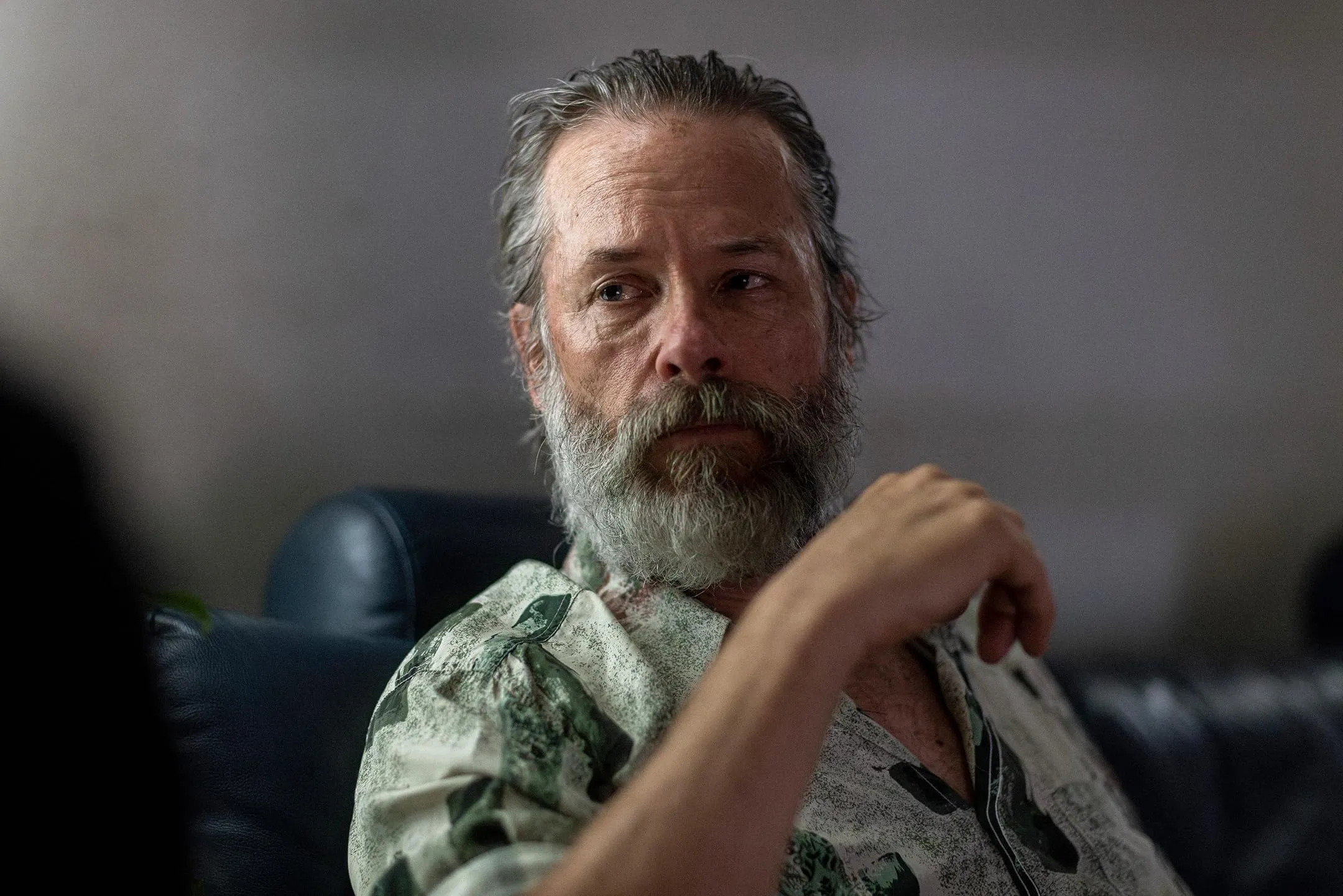
Guy Pearce brings a controlled yet persuasive presence to his role, embodying the weight of experience and the influence of a troubled past. Cosmo Jarvis provides a nuanced performance that straddles menace and remorse, using minimal but potent physical cues to communicate the complexity of his character.
The contributions of supporting actors further enrich the fabric of the narrative, each adding depth to the portrayal of a society defined by strict codes and silent understandings. This intricate alignment of dialogue and performance invites viewers to consider the interplay between personal histories and collective identity, leaving room for varied interpretations.
Final Reflections and Lasting Impressions
The film presents a subtle narrative that intermingles introspection with stark depictions of human struggle. Its story unfolds with deliberate pacing, where each character’s journey reveals a careful study of personal responsibility and inner turmoil.

The intricate interplay of a tightly woven narrative and distinct visual style exposes how early experiences and local traditions shape individual behavior. Mel’s path, marked by fraught decisions and the weight of his past, is rendered with quiet power, reflecting a measured approach to storytelling that invites global audiences to reconsider common perceptions of punishment and growth.
At the same time, the film’s layered construction encourages an examination of its broader significance. The visual techniques and understated dialogue prompt viewers to assess how personal history and societal influences merge within a confined space.
The work stands as both a product of its local artistic heritage and an invitation to engage with universal questions about human fragility and the possibility of renewal. Each scene and character moment challenges fixed ideas, leaving viewers with an open space to explore how cultural traditions and individual choices interact in unexpected ways.
The Review
Inside
Inside is a stirring exploration of personal struggle and institutional confinement, artfully blending restrained narrative devices with evocative visual storytelling. The performances are finely tuned, offering quiet yet powerful insights into characters caught between past mistakes and the heavy demands of their environment. The film challenges viewers to reflect on the interplay between individual choice and societal influence, leaving a resonant impact without providing easy answers.
PROS
- Compelling narrative with a focus on internal conflict
- Powerful performances from the lead actors
- Effective visual storytelling and use of epistolary narration
CONS
- Slow pacing that may test some viewers' patience