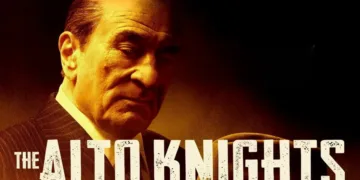



























The Alto Knights transports us to mid-century New York, where crime and loyalty take center stage. The film revisits gangster motifs through a historical lens, interspersed with flashbacks that paint a picture of a time when organized crime was reshaping the city. Set in the 1950s, it portrays New York’s criminal underworld with a careful eye on period detail, using its era as a backdrop to explore shifts in power and alliances.
Helmed by Barry Levinson and penned by Nicholas Pileggi, the production carries the weight of established experience in the genre. The film draws from the lives of notable mob figures, loosely based on true events, and reinterprets them with a modern storytelling approach.
Robert De Niro leads the charge, taking on dual roles that highlight contrasting paths within the same criminal tapestry. His work brings forward characters steeped in both tradition and conflict, giving viewers a chance to see familiar archetypes recast in new forms.
The movie creates an atmosphere marked by deliberate pacing, careful costume design, and a palpable tension that permeates its re-creation of a bygone era. This setting provides a firm foundation for its narrative, inviting the audience to witness a unique portrayal of New York’s storied criminal past.
Plot and Storyline Overview: The Architecture of a Gangster Saga
The film constructs its narrative through a non-linear arrangement that employs flashbacks and direct narration by one of its key figures. It opens amid a violent, high-stakes encounter that immediately captures the viewer’s attention. The opening scene sets the tone by presenting a moment of crisis, which then prompts the film to rewind and trace the origins of the mounting conflict.
At the heart of the story is the long-standing friendship between Frank Costello and Vito Genovese—a bond that slowly deteriorates into open hostility. A bungled attempt on Costello’s life ignites a chain of events that force these two characters down diverging paths.
Costello’s evolution is portrayed as a steady climb toward a position of reluctant power within the criminal circle, while Genovese’s return from a self-imposed exile signals his readiness to challenge the status quo and reclaim influence.
The film marks key milestones in these characters’ journeys. Costello is shown transitioning from a trusted ally to a head of a sprawling underworld network, a shift that carries both personal and operational ramifications. Meanwhile, Genovese reenters a world that has moved on, determined to assert his authority and disrupt the established order. Their dynamic provides the engine for the narrative, as personal loyalties fracture and ambitions clash in a series of tense encounters.
The pacing of the film is measured, relying on the rhythmic insertion of flashbacks, supported by archival images and still photographs. These moments enrich the story by painting a detailed portrait of a bygone era while also challenging the audience to piece together a timeline that is at times clear and at times deliberately ambiguous. This interplay between past and present serves to keep viewers alert, balancing reflective pauses with sudden bursts of tension.
Character Development and Performances: Inside the Duality
Robert De Niro carries the film on his shoulders, portraying both Frank Costello and Vito Genovese with distinct looks and energy. He employs makeup and prosthetics to create visual contrasts that hint at deeper differences. Costello comes off as measured and thoughtful, his calm presence lending a sense of quiet command to his scenes. Genovese, by contrast, bursts with aggression and impulsiveness, his performance marked by an intensity that makes his every outburst memorable.
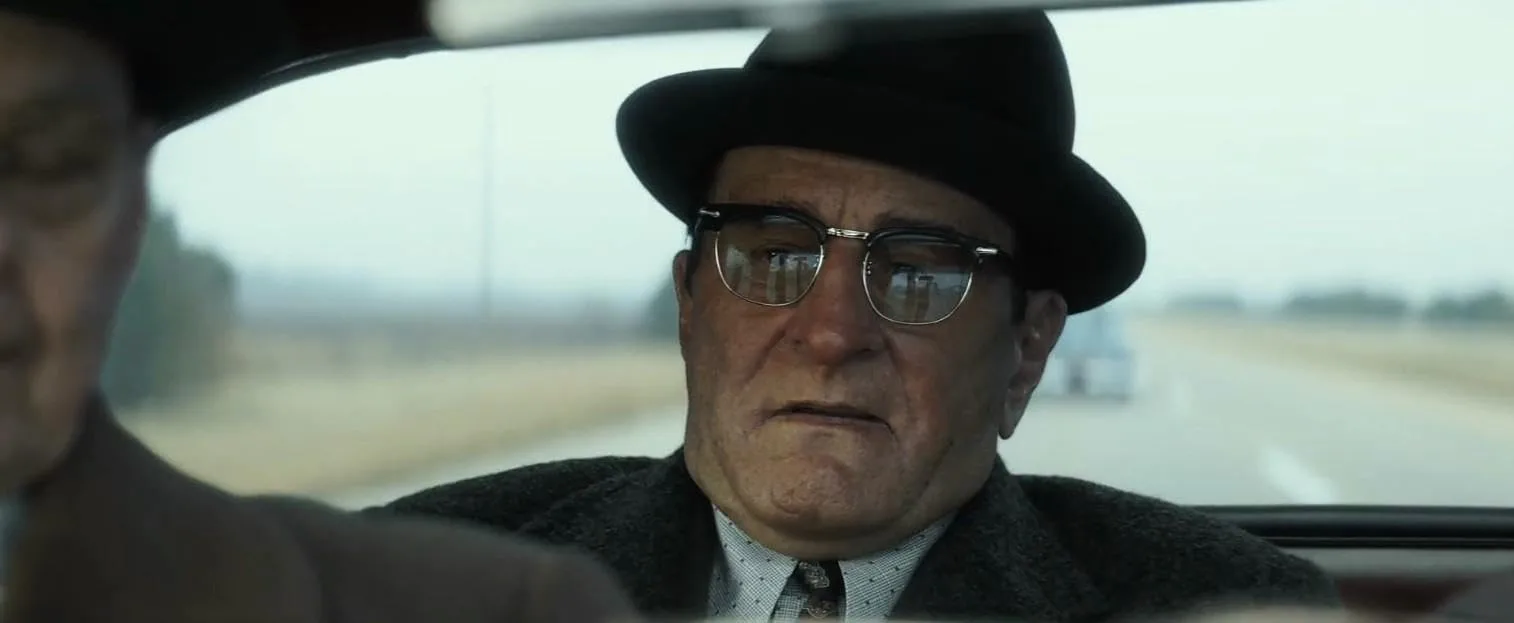
De Niro shifts seamlessly between these personas, a technical feat that requires precision. Small changes in his posture and voice help the audience tell the two characters apart. His deliberate use of facial expressions and subtle body language underlines the transformation. The method proves effective in most scenes, though the challenge of watching one actor assume two roles occasionally leads to moments of visual overlap that might test viewer patience.
The film also benefits from a supporting cast that complements De Niro’s central figures. Debra Messing appears as Costello’s devoted wife, lending warmth and a counterbalance to his stoic demeanor. Kathrine Narducci steps into the role of Genovese’s partner, offering a spark of fire that mirrors his volatile nature. Brief appearances by characters such as the inept hitman and steadfast mob allies help to flesh out the underworld, providing context and occasional levity in a narrative that can sometimes feel overburdened by its own ambitions.
The interplay between Costello and Genovese forms the core of the character study here. Their shared past, filled with loyalty and rivalry, creates a layered exploration of ambition and personal conflict. The moments when the two confront one another on screen reveal both the weight of their history and the strain of divergent paths, painting a picture of a relationship as complex as it is fraught with tension.
Direction, Cinematography, and Production Design: The Visual Blueprint
Barry Levinson adopts a measured style that combines nostalgic reverence with current film techniques. His choices in framing and pacing provide a clear picture of mid-century New York without sacrificing modern narrative precision. Levinson sets the tone with deliberate camera moves and carefully constructed sequences that hint at the complexity of its criminal milieu.

Dante Spinotti’s camera work stands out as a crucial element. His handling of light and shadow produces a mood that is both restrained and evocative. The use of chiaroscuro and dynamic framing adds weight to dramatic moments while offering glimpses of a city steeped in history. The camera movements feel purposeful, echoing the tension of power struggles and the quiet moments of introspection that pepper the story.
The film’s set designs and wardrobe choices successfully capture the era’s texture. Attention to period details is evident in the recreation of urban streets, interior spaces of mob meeting spots, and the meticulously designed costumes. These elements serve as visual anchors that transport the viewer into a specific time and place, enriching the narrative by providing a sense of authenticity and immersion.
Technical challenges arise during scenes where De Niro interacts with his dual characters. The creative approach, blending practical effects with digital techniques, manages to present these moments with clarity.
While certain sequences may test the viewer’s suspension of disbelief, the methods employed reveal a respect for the actor’s legacy and the film’s ambitious scope. The resulting visual style is both refined and thought-provoking, contributing to the film’s overall storytelling strategy without overwhelming its central narrative.
Themes, Tone, and Narrative Devices: The Duality of Crime and Character
The film’s use of a single actor to portray two opposing figures offers a striking examination of power and personality within the criminal world. Robert De Niro’s split-screen performance invites us to compare a man of measured restraint with another fueled by unchecked impulsiveness.

This contrast raises questions about loyalty versus ambition and the conflicting natures of introspection and outburst. The choice to mirror these diametric traits on one actor’s canvas creates a layered narrative inquiry into how personal identity can fracture under the weight of authority and internal strife.
The script paints a picture of organized crime that touches both personal lives and the fabric of society. We witness a reimagined account of a notorious criminal order, its internal ties fraying under the pressure of ambition and betrayal. The portrayal of mob life is stark and somber, hinting at the erosion of long-held alliances and the high cost of pursuing power.
In this retelling, the corruption inherent in the pursuit of a twisted version of the American dream comes to the forefront, while the ties that once bound men in brotherhood prove fragile in the face of unchecked desire for control.
The narrative exudes a tone that oscillates between reflective quiet and sharp, tension-filled moments. The use of direct narration, interspersed flashbacks, and carefully chosen archival imagery works to create an atmosphere that is somber yet punctuated with wry humor. These devices supply the story with rhythmic pauses that allow the viewer to reconsider what is shown on screen.
However, the non-linear structure, while artistically ambitious, sometimes leaves its timeline in a state that may challenge the viewer’s attention. The film’s inventive narrative techniques offer much to appreciate even as they occasionally test the patience of those expecting a more linear recounting of events.
Historical and Cultural Context: The Legacy of Mob Rule
The narrative finds its roots in the turbulent history of American organized crime. Drawing on the lives of infamous mob figures and well-documented events like the Kefauver hearings, the film situates its story within a world where law and disorder collide. The characters emerge from a backdrop shaped by actual criminal enterprises and notorious mob meetings, lending an air of authenticity to the unfolding drama.

The depiction of New York reveals the city as a relentless arena for power shifts among competing factions. The film charts the evolution of crime from the raw ambition of early immigrant gangs to the calculated maneuvers of more established syndicates. This transformation mirrors the wider changes in how criminal enterprises operated, reflecting shifts in tactics, alliances, and the very notion of loyalty in a perilous landscape.
This work holds a measured place among its peers, engaging with longstanding themes of the gangster genre while reinterpreting classic elements for a modern audience. Its narrative and stylistic choices both affirm certain traditions and take careful steps to present familiar tropes in fresh ways.
Reexamining historical crime through a cinematic lens offers contemporary viewers a chance to connect with past eras. The film’s recounting of these events provides a window into the societal and personal costs associated with a life lived on the edge, inviting audiences to consider how these bygone chapters continue to inform current social attitudes and expectations.
The Review
The Alto Knights offers a thoughtfully constructed mob tale that revisits classic gangster cinema with a fresh narrative twist. De Niro's split portrayal fuels the film with memorable moments, though its pacing and structure sometimes test viewer patience. The production design and meticulous period details contribute to an engaging recreation of mid-century New York. While the film may not satisfy every fan of traditional mob dramas, it stands as a respectful effort with noteworthy performances and creative ambition.
PROS
- Strong dual performance by Robert De Niro
- Authentic period details and set design
- Engaging narrative structure with reflective flashbacks
- Effective use of cinematography to enhance mood
- Thoughtful portrayal of organized crime's evolution
CONS
- Pacing can feel uneven at times
- Non-linear timeline may confuse some viewers
- Occasional over-reliance on flashbacks
- Limited character depth in supporting roles