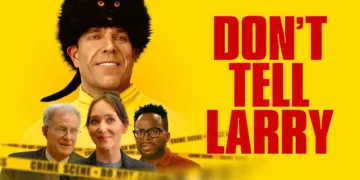




























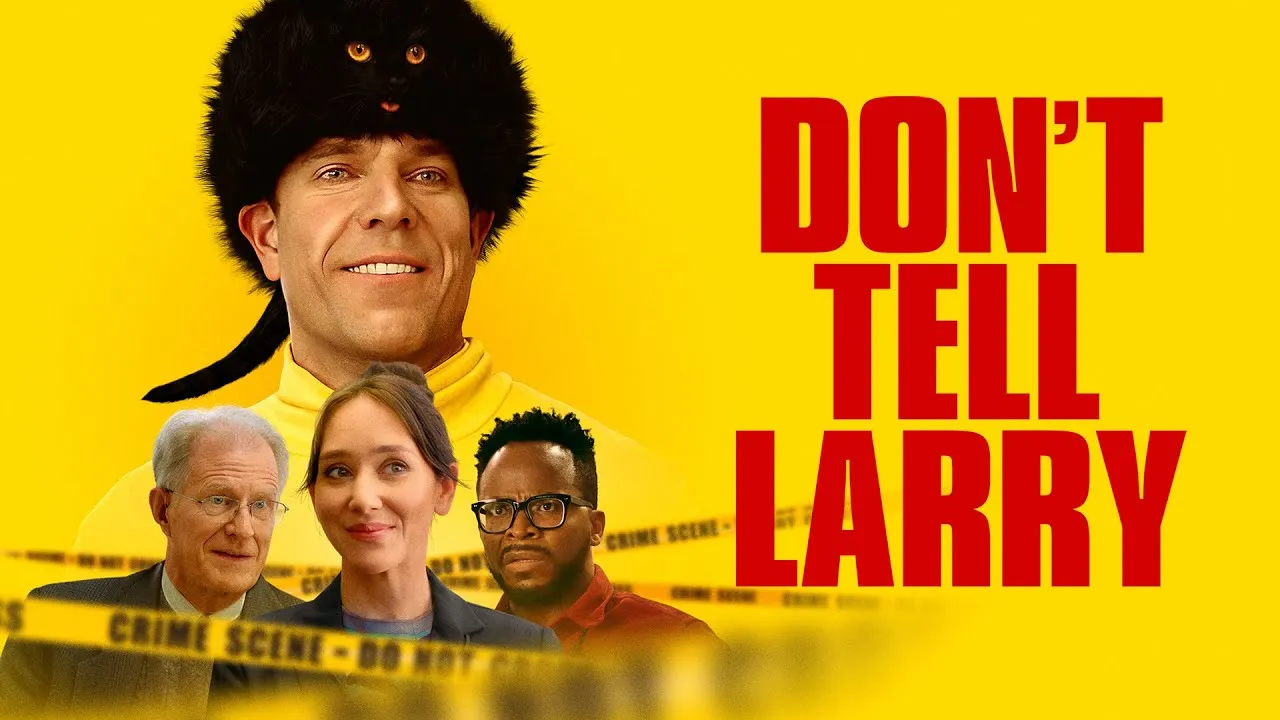

Within the sterile geometry of the corporate office, a soul can calcify. Here, ambition is not a desire but a doctrine, and the self is measured in years of dedicated service. Susan has paid her tithe. For nearly a decade, she has been the exemplary performer, the high priestess of productivity, standing on the precipice of her ascension to the throne of CEO.
Her world is one of order, of earned rewards, a reality constructed with the bricks of her own relentless effort. Into this carefully built cathedral of certainty walks Larry. He is a question mark made flesh, an unnervingly strange man who appears without qualification or explanation. Larry is a glitch in the system, an agent of chaos whose very presence is a challenge to the established scripture of Susan’s world.
The collision is immediate and inevitable: the meticulous, linear path of ambition smashed against the bizarre, formless nature of the absurd. A single, seemingly small untruth is told, a tiny fissure in the foundation, and through it, a torrent of madness begins to seep.
The Unspooling of Consequence
A single, whispered falsehood can birth a monster. Susan’s omission regarding the party is such a genesis, a tiny tear in the fabric of her reality that quickly widens into a chasm of her own making. The film’s narrative engine is not mere plot, but a terrifying meditation on causality, a chain reaction of moral decay set in motion by one selfish act.
This is the ultimate human folly: the belief that one can contain a lie, that its consequences can be managed and controlled. The film mercilessly dismantles this illusion. Each desperate attempt by Susan and her accomplice, Patrick, to patch the hole only stretches it further, pulling the threads of their lives into grotesque new patterns.
We witness frantic schemes that feel less like comic set pieces and more like the desperate prayers of the damned. A frenzied hunt for incriminating security tapes becomes a search for a past that can be erased, a futile attempt to edit reality. A company-wide drug screening forces a grotesque quest for untainted urine, a baptism in abject humiliation that strips them of all dignity.
The film derives its bleak humor from this spectacle of desperation, from the ever-widening gap between intention and outcome. The comedy is rooted in watching these characters, pinned by the weight of their own choices, shed their ethics one by one in a frantic bid to restore an order they themselves destroyed.
The Human Void and the Shattered Mask
At the heart of this storm are two opposing forces given human form. Patty Guggenheim charts Susan’s fall from grace with astonishing transparency; her face, once a mask of corporate competence, becomes a canvas for every shade of panic and corrupted intent.

We see the architecture of her identity crumble in real time, her crisp professionalism fraying into the wild-eyed gaze of a cornered animal. Her ambition, we realize, was not a strength but a brittleness, a carefully polished surface waiting to be shattered.
It is a masterful depiction of a soul’s unraveling under pressure. Opposite her stands Kiel Kennedy’s Larry, a cipher carved from negative space. He is unsettling not for what he does, but for what he is—or perhaps, what he is not. Is he a malevolent force or simply an empty vessel into which Susan projects her guilt and fear? The ambiguity is the point.
He is the ultimate Other, reflecting the internal chaos of those who observe him. His bizarre rituals, like the methodical impaling of raisins on a pencil tip, are the meaningless rites of a forgotten god, actions that signify nothing and therefore everything.
Together, Susan and Patrick engage in a folie à deux, their shared panic a frantic dance on the edge of a cliff. The steady, implacable presence of a police detective, played with grim resolve by Dot-Marie Jones, serves as an external anchor of objective truth, making their subjective spiral feel all the more claustrophobic and doomed.
A Bitter, Necessary Tonic
This film functions less as a workplace satire and more as a bleak philosophical inquiry with a laugh track. It asks what remains of a person when their world’s internal logic collapses, and the answer it provides is profoundly disquieting.

The humor is a bitter medicine, a jarring, abrasive tonic meant to provoke a squirm of recognition at the darkness simmering just beneath our own civilized veneers. Its relentless commitment to its twisted, uncomfortable path is its greatest virtue; it refuses to flinch or offer easy absolution.
The narrative’s pace may test some, lingering in moments of acute discomfort, but this feels intentional. It demands its audience sit with the ugliness rather than escape it through a quick punchline. By refusing to make its characters sympathetic, the film forces a critical distance, compelling us to view them not as people to root for, but as specimens in a grim experiment.
This is not a story for those seeking comfort or relatable heroes. It is for viewers who find a strange beauty in the grotesque, who understand that some of the deepest truths about the human condition are found not in light, but in the unflinching examination of our own capacity for foolishness and decay. It is a challenging piece of work that offers no easy answers, leaving a splinter in the mind long after the credits roll.
“Don’t Tell Larry”, a dark workplace comedy, was released on June 20, 2025. It had a limited theatrical release and is also available to stream on demand.
Full Credits
Director: Greg Porper, John Schimke
Writers: Greg Porper, John Schimke
Producers and Executive Producers: Greg Porper, John Schimke
Cast: Patty Guggenheim, Ed Begley Jr., Dot-Marie Jones, Kiel Kennedy, Kenneth Mosley, Tina Parker, Heath Allyn, Molly Franco, Ronda Dale Kirk, Joe Rojas Jr., Terrence Dearman, Billy Blair, Bruce Davis
The Review
Don't Tell Larry
An unapologetically bleak and intellectually abrasive dark comedy, "Don't Tell Larry" succeeds as a philosophical meditation on the fragility of order, powered by committed performances that embrace the grotesque. It eschews comfort for a more potent, lingering discomfort. While its deliberate pace and unlikable characters will alienate many, for those who appreciate a challenging cinematic inquiry into human folly, it is a rewarding and unsettling experience that gnaws at the mind long after it ends.
PROS
- Intelligent, philosophical dark humor that challenges the viewer.
- Stellar central performances from Patty Guggenheim and Kiel Kennedy.
- An unflinching commitment to its unsettling and abrasive tone.
- A compelling study of moral decay and escalating chaos.
CONS
- The intentionally unlikable characters may prevent audience connection.
- Its humor is often more cringe-inducing than laugh-out-loud funny.
- The deliberate and sometimes lingering pace might feel slow to some.