























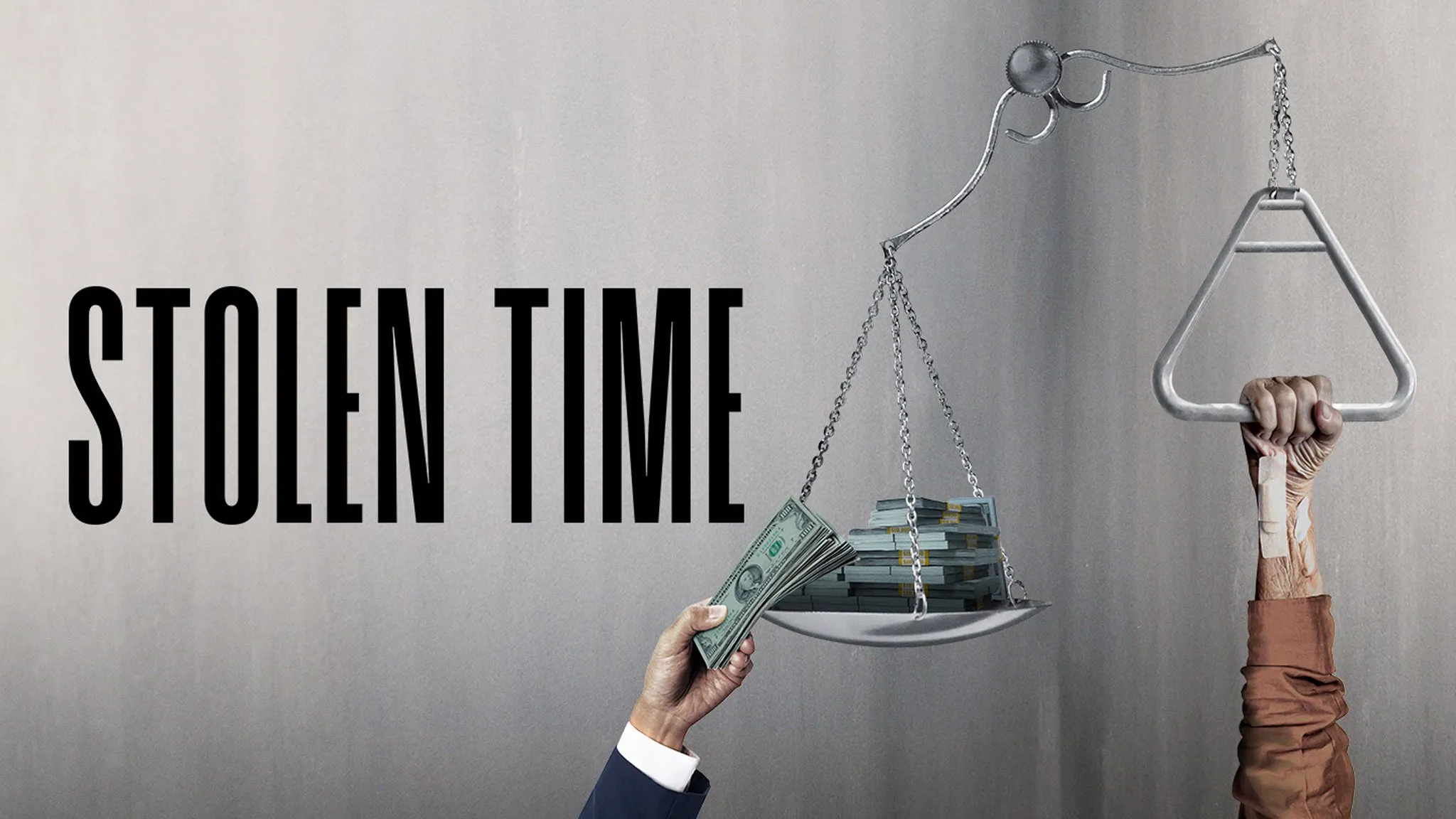

Helene Klodawsky’s Stolen Time begins not with a bang but with a question of accounting, the coldest form of horror. The film introduces a world where human life is a line item on a balance sheet, its value depreciating with age. Here, the for-profit long-term care industry operates in the shadows, a bureaucratic labyrinth designed to extract wealth from the vulnerable.
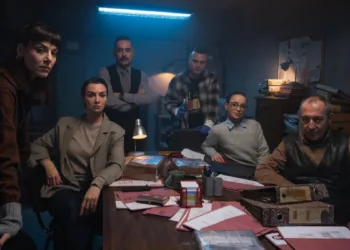
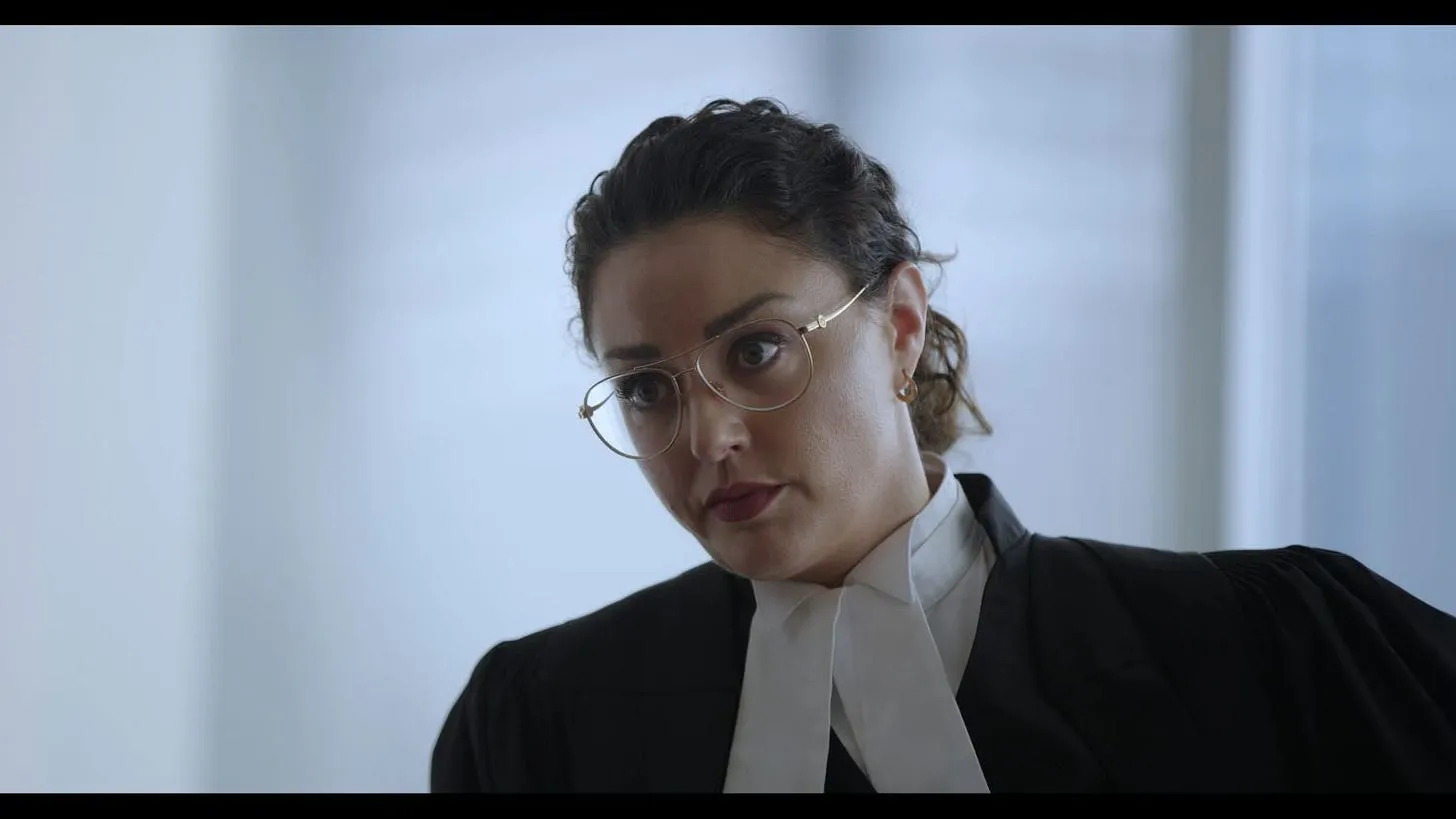
Our guide into this abyss is lawyer Melissa Miller, a figure of relentless determination. She is less a white knight and more a hardboiled detective, driven to expose a rot that permeates the highest levels of corporate and political power.
Her quest is a slow, methodical assembly of evidence against an enemy that is everywhere and nowhere at once. The central conflict is established immediately: one woman’s methodical pursuit of justice against a vast, faceless system built on the quiet, sanctioned suffering of the elderly. It is a modern noir, where the crime is perfectly legal.
The Body as Evidence
The film weaponizes the forensic gaze, forcing the audience to confront the physical toll of systemic apathy. The abstract cruelty of the system is made brutally concrete through the evidence presented, turning the human body into the primary crime scene.
We are shown residents subjected to “chemical restraints,” a sterile term for a slow, pharmacological erasure of the self, leaving bodies present but minds absent. The camera does not flinch from the consequences of this institutional logic: the festering, fist-sized pressure wound on a woman’s body becomes an undeniable testament to abandonment. More mundane, yet equally sinister, is the deliberate withholding of incontinence products, a calculated strategy to cut costs by stripping residents of their basic dignity.
This physical evidence is buttressed by the film’s most potent witness, an anonymous dental hygienist who states, “People shouldn’t die of dirty teeth.” The line lands with the force of a verdict, a stark epigraph for a system where fatal neglect begins with the simplest of tasks. Klodawsky’s visual strategy mixes grainy, covert cell phone footage with the stylized animations of a former care worker.
Also Read





The found-footage clips possess a raw, voyeuristic power, their shaky, low-resolution quality amplifying their horrifying authenticity. The animations, conversely, provide a necessary, almost merciful, distance. They render trauma in haunting, childlike strokes, suggesting the fractured, subjective nature of memory under duress, a visual echo of the cognitive decline some residents face.
The Architecture of Avarice
Stolen Time meticulously deconstructs the mechanisms of its villain, revealing a system operating with terrifying efficiency. The film argues that the horrors within the care homes are not bugs but its primary features, logical outcomes of a model that demands infinite growth from finite human suffering.
Klodawsky maps the conspiracy with the cool precision of a cartographer, revealing a “revolving door” between government and industry. A former premier who championed the privatization of the sector reappears on the board of one of the corporations under scrutiny. It is a career move that suggests a remarkable lack of concern for appearances, or perhaps a deep-seated confidence that no one is watching.
The film’s most cynical revelation, however, involves the national pension fund, a Crown corporation, which owns one of the largest for-profit providers. This creates a closed loop of moral bankruptcy where the retirement savings of public servants are inflated by extracting value from the care given to other seniors. It is a perfect circle, a form of societal cannibalism rendered as a prudent investment strategy.
The legal tactics used against Miller are another form of systemic violence. She and her small team are buried under a “document dump,” a deluge of paperwork designed to crush dissent through sheer attrition and financial exhaustion. This is not a search for truth; it is a war of resources, a classic noir trope where the powerful overwhelm the just with the sheer weight of their corruption.
A Portrait of Tenacity and a Call for Justice
Melissa Miller emerges as the film’s unwavering moral center, a lone protagonist navigating a landscape of profound ethical ambiguity. She is the classic noir hero, operating in a world where justice is a commodity she cannot afford, yet one she pursues with an obsessive focus.
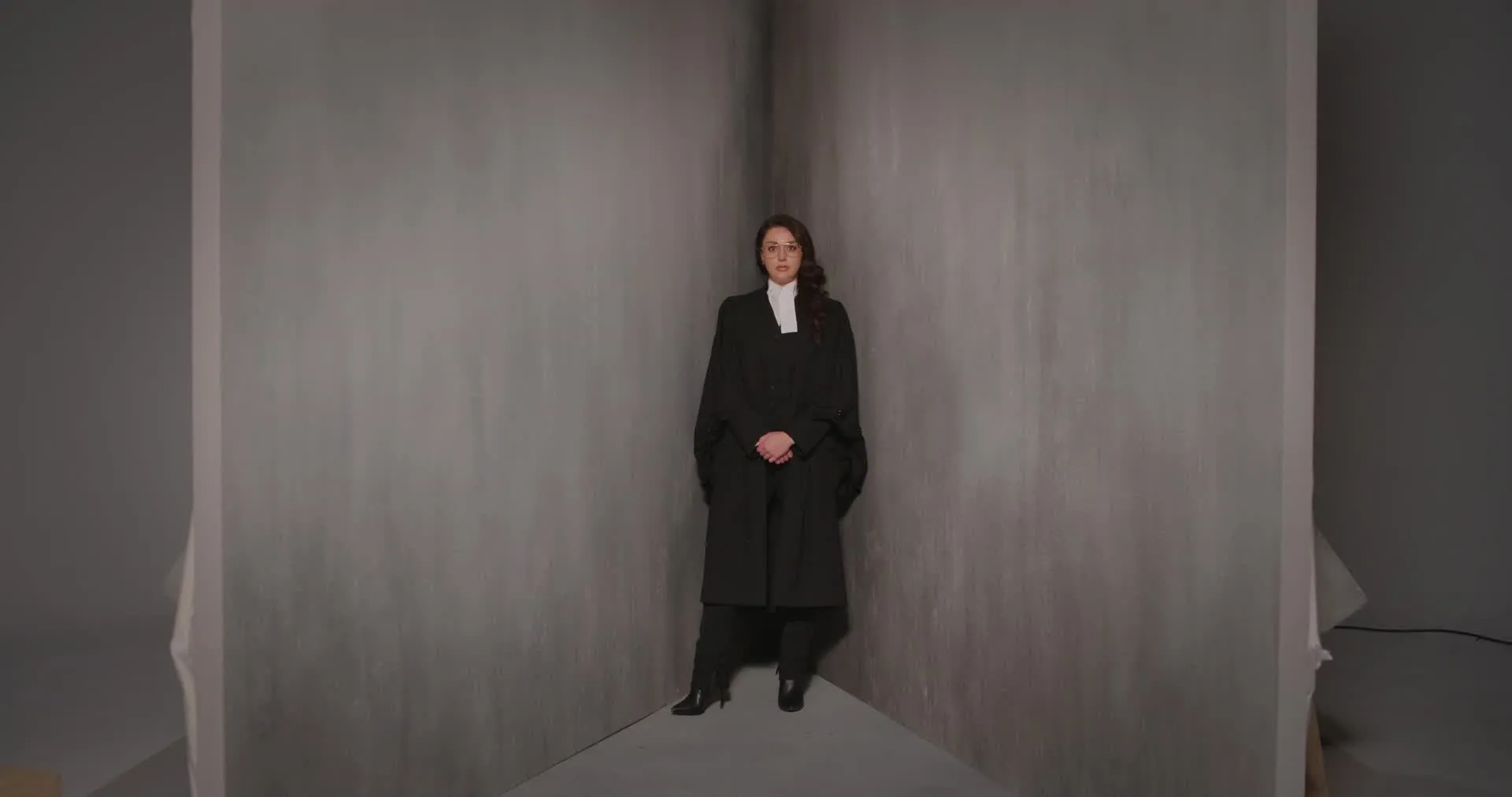
The film wisely avoids simple hagiography, hinting at the personal cost of her crusade. We see the long hours, the emotional strain, the sheer exhaustion of fighting an enemy that never sleeps. Her tenacity is her defining trait, but it is born of proximity to unforgivable sin.
Klodawsky’s visual language reinforces this sense of a lonely battle. The cinematography often frames the care homes from a distance, their modern structures shrouded in fog and rain, rendering them as impenetrable fortresses. This expressionistic approach externalizes the system’s opacity and the isolation of those trapped within.
Inside, interviews are shot with a stark, chiaroscuro effect. Light carves subjects out of deep pools of shadow, turning their testimony into a confession or a soliloquy delivered in a dark, empty space. This technique strips away all artifice, leaving only the speaker and their truth.
Klodawsky builds her case like Miller does, assembling a chorus of voices—investigators, researchers, whistleblowers—who together paint a comprehensive picture of the moral decay. The film offers no easy catharsis. It instead leaves the viewer with a stark question about how a society’s character is defined by its treatment of those it deems worthless.
“Stolen Time” is a Canadian documentary film that opened in theaters in Canada on October 17, 2024, and in the US on October 18, 2024. It is available to stream online beginning May 20, 2025. You can also rent or buy the movie on platforms such as Apple TV, Amazon Video, and Fandango At Home. The film was co-produced by Intuitive Pictures and the National Film Board of Canada (NFB).
Full Credits
Director: Helene Klodawsky
Writers: Helene Klodawsky
Producers: Ina Fichman, Ariel Nasr
Executive Producers: Ina Fichman, Rohan Fernando, Annette Clarke, John Christou
Cast: Melissa Miller, Brett Rigby, Adam Wagman, Pat Armstrong, Lisa Alleyne, Rai Reece, Chanice Dean, Jackie Brown, Katha Fortier, Padma Sahadeo, Tania Harris, Ayesha Jabbar, David J. Levy, James Infantino
Director of Photography: Claire Sanford
Editors: Dominique Sicotte
Composer: Lauren Bélec
The Review
Stolen Time
Stolen Time is less a documentary and more a meticulous, cold-fury autopsy of a morally bankrupt system. Director Helene Klodawsky uses the grammar of a noir thriller to craft an essential, deeply unsettling exposé. While its methodical pace and bleak subject matter demand patience, the film's incisive critique and powerful visual language make it required viewing. It is a chilling, expertly constructed piece of advocacy that lingers long after the credits roll, asking what a society owes its most vulnerable.
PROS
- Meticulously exposes systemic corruption and neglect in the for-profit elder care industry.
- Effectively uses noir cinematography and a thriller-like structure to create a tense, compelling narrative.
- Lawyer Melissa Miller serves as a tenacious and empathetic anchor for the story.
- The combination of personal testimony and forensic evidence is emotionally affecting and difficult to forget.
CONS
- The subject matter is heavy and can be an emotionally taxing viewing experience.
- Its deliberate, investigative approach may feel slow to some viewers.
- Offers a powerful indictment but few easy solutions, reflecting the difficulty of systemic change.