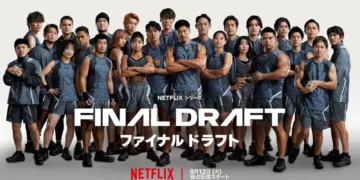






















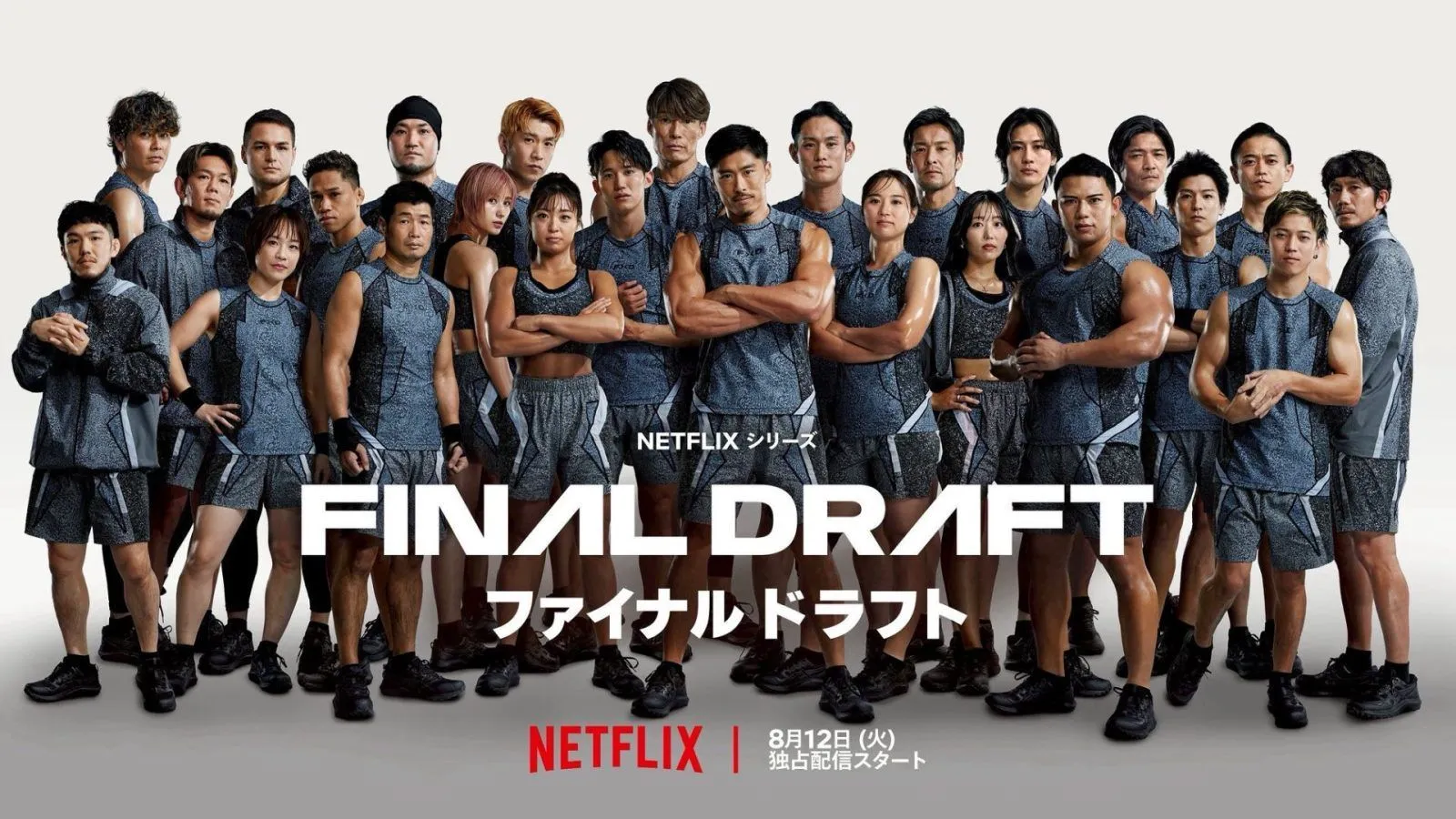

The reality competition genre often builds its narratives on the promise of a beginning, a launchpad for aspiring stars. The Japanese series Final Draft presents a curious inversion of this formula. It gathers 25 former professional athletes, men and women whose careers are already in the past, and pits them against one another in a contest of physical will.
The prize is 30 million yen, a sum framed less as a jackpot and more as seed money for a second act. The show’s narrative hook is not the discovery of new talent but the examination of what remains after glory has faded.
From its opening moments, which drop the contestants onto a snowy mountain trail for a brutal climb, Final Draft establishes its story as one of reclamation. These are not hopefuls seeking a future; they are veterans fighting for one. The premise asks a potent question: what is an athlete when the game is over?
An Architecture of Attrition
The story of Final Draft is told through its challenges, which are constructed as grueling tests of endurance. The competition’s design favors long, grinding attrition over short, explosive feats, a structural choice that dictates the show’s entire narrative rhythm. This is not a format built for quick highlights; it is an architecture of slow, methodical depletion.
One early challenge forces two men into a sit-up contest on a steep, sweat-slicked slide, a battle that extends beyond 500 repetitions until one man’s body simply fails to respond to the buzzer. The show’s creators repeatedly choose this kind of ordeal, where the spectacle is found not in a single brilliant action but in the prolonged refusal to quit.
The opening sequence itself is a perfect example: contestants are driven blindfolded to the base of a mountain and told to climb 1500 meters. The last to arrive is eliminated when their backpack explodes with colored powder, a non-lethal yet dramatic signal of failure that gives a slight nod to more dystopian contest shows.
This deliberate pacing is a significant and risky narrative choice. The lengthy duration of the tasks forces the viewer to confront the sheer effort involved, turning the spectacle of sport into an intimate study of perseverance. Another event involves pushing a giant medicine ball up a slope, a task of pure, repetitive strain. The show’s finale is a three-way tug of war, a scene of grimacing effort that lasts for an almost uncomfortable length of time.
The power of these moments comes from their duration. The show makes the mundane compelling through sheer force of will, both the contestants’ and, to some extent, the viewer’s. This approach demands a considerable investment. The pacing can feel frustrating, with long stretches where the action is repetitive. The show bets that the audience will endure the slow burn for the eventual emotional release.
The production around these events is intentionally sparse. A disembodied, almost clinical voice issues instructions, stripping away the usual artifice of reality television. Without a charismatic host to interpret the action or build artificial hype, the focus remains starkly on the human body under immense strain.
The show does employ some familiar reality television techniques, such as separating the group into basic and luxury accommodations or allowing for tearful video calls with family. These elements feel somewhat conventional when placed against the raw minimalism of the challenges themselves. They serve as brief narrative interludes, offering small windows into the contestants’ lives before returning to the central story of physical struggle.
Casting for Character, Not Conflict
A story is only as strong as its characters, and Final Draft builds its narrative on the quiet fortitude of its cast. The contestants are drawn from a wide spectrum of Japanese sports, a deliberate curatorial choice that enriches the show’s texture. The lineup includes athletes from popular disciplines like baseball, boxing, and soccer, alongside champions from less globally recognized fields like water polo, kabaddi, and ultimate frisbee.
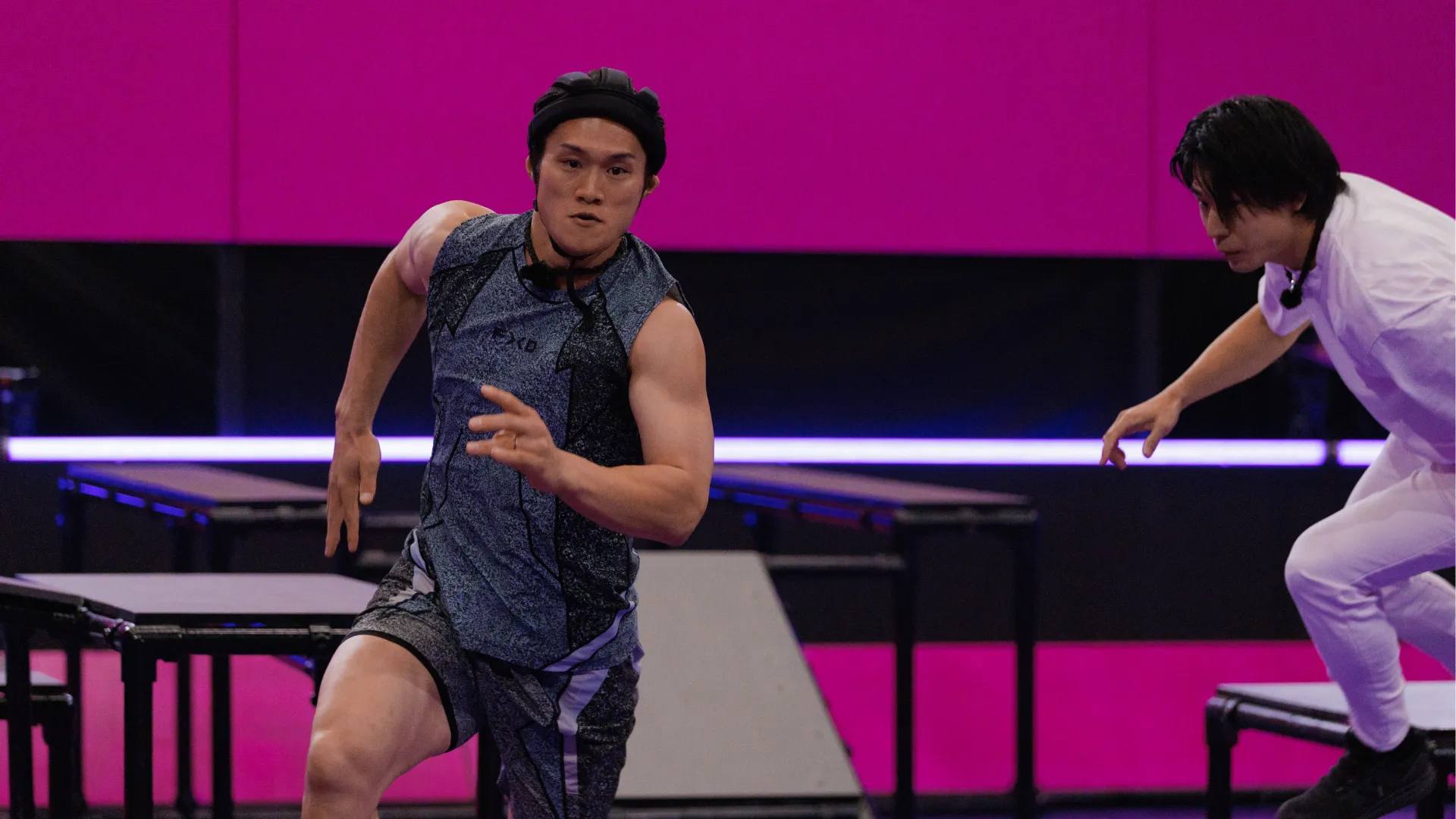
For an international audience, most of these faces are unfamiliar, a potential obstacle that the show turns into a narrative strength. We come to know them not through pre-packaged backstories or manufactured rivalries, but through their actions under pressure. The show must earn our investment in each person from scratch, building character through physical expression.
Personalities emerge organically from the strain of competition. There is Yoshio Itoi, a 43-year-old former baseball slugger who possesses the high cheekbones and debonair grin of a rock star, yet reveals a fearsome strength that defies his appearance. Hozumi Hasegawa, a wiry boxer with three world titles to his name, carries himself with the quiet wisdom of a seasoned veteran.
Olympic wrestler Eri Tosaka demonstrates that cunning and strategy can be as valuable as pure physical power, making her a formidable presence. The show also gives screen time to figures like Kenta Tsukamoto, a gentle-natured bodybuilder, and Koji Tokuda, an athlete who washed out of his professional league and turned to comedy, his story a direct embodiment of the search for a second act.
The show’s most interesting structural decision is its complete avoidance of manufactured interpersonal drama. The dominant mood is one of camaraderie and shared respect. These are peers who understand the unique psychological space of a post-athletic life. When one contestant is eliminated, the farewells are sincere, filled with admiration for the victor.
This absence of conflict shifts the narrative focus entirely inward. The real antagonist is not another player; it is age, self-doubt, and the physical limits of one’s own body. This aligns the show more with the traditions of a sports documentary than a typical reality show. The storytelling is physical. We learn about a person’s determination not from what they say in a confessional booth, but by watching their face contort in pain as they push through one final, agonizing repetition.
The Quiet Tragedy of the Post-Game
Beneath the physical exertion, the central narrative of Final Draft is an examination of identity. The series is built on the quiet tragedy of the sportsperson whose career is done, a theme that gives the entire competition its emotional weight. What does it mean to have your life’s purpose, the very thing that has defined you since childhood, conclude in your 30s or 40s?
The show uses its physical challenges as a potent metaphor for this larger life challenge. The struggle to push a medicine ball up a hill mirrors the uphill battle of starting a new business or finding meaning in a low-level job after a life in the spotlight. Through conversations between challenges, these former champions speak of uncertain futures. They bond over the sadness of dead dreams and the nagging feeling that their glory days were not quite glorious enough.
This emotional context elevates the stakes beyond the 30 million yen prize. The money is not just a reward; it is a literal tool for building a new life, a tangible means to fund a new start. Each grueling challenge becomes a fight for relevance, a way to prove that the discipline and strength that once defined them still exists.
This places Final Draft in a fascinating position within the landscape of physical competition shows. It bears a surface resemblance to programs like Physical: 100, with its focus on elite athletes and demanding tasks. Yet the thematic core is entirely different. Where a show like Physical: 100 is a celebration of peak performance, a search for the “best” body, Final Draft is about the persistence of spirit after the peak has passed.
The show’s narrative contract with the viewer is demanding. It asks for patience and a willingness to sit with discomfort in exchange for a profound emotional payoff. The finale, the three-way tug of war, is the ultimate example of this contract. On paper, it is a simple, almost primitive contest.
But by the time we reach it, the scene is loaded with the accumulated weight of every contestant’s story, every moment of pain and perseverance. The viewer’s hard work, like the contestants’, is eventually rewarded. The show offers a thoughtful and surprisingly moving story about what it means to start over when your greatest accomplishments are already behind you.
“Final Draft” is a Japanese reality competition television series that premiered on August 12, 2025, in the United States and Japan. The show features 25 former athletes who compete in various physical and psychological challenges to win a 30 million yen prize, which they intend to use to launch their second careers. The series has been compared to shows like “Squid Game” and “Gladiators”. You can currently stream “Final Draft” on Netflix. The series has 8 episodes.
Full Credits
Director: Kazuaki Hashimoto
Cast: Ryudai Onikura, Hozumi Hasegawa, Takashi Kurihara, Masato, Jonathon Ha, Jo Yuan, Kaho Mita, Kazuhiro Goya
The Review
Final Draft
Final Draft is a thoughtful and often moving examination of life after athletic glory. Its narrative strength lies in its patient focus on the emotional and psychological struggles of its contestants, using grueling physical trials as a potent metaphor for the fight to build a new identity. While its deliberately slow pacing can be a significant hurdle, viewers willing to invest the time will find a uniquely rewarding and human story that stands apart from the genre's more superficial offerings. It's a competition where the true stakes are not the prize money, but the reclamation of purpose.
PROS
- The show explores the poignant and rarely seen struggles of athletes after their careers end.
- It builds a strong connection to its cast through their actions and perseverance, not manufactured drama.
- The narrative is driven by mutual respect and shared experience among the competitors.
- The physical tests are directly tied to the show's themes of endurance and mental fortitude.
CONS
- The long, drawn-out challenges can test viewer patience and slow the momentum.
- Some events feel monotonous due to their extended duration.
- The sparse presentation and lack of a host might feel underwhelming to some viewers.