
























![Kingdom Hearts Collection [I-III] Review](https://gazettely.com/wp-content/uploads/2026/10/Kingdom-Hearts-Collection-I-III-1-360x180.webp "Kingdom Hearts Collection [I-III] Review: KHII Holds Steady as Newer Entries Fluctuate 37")



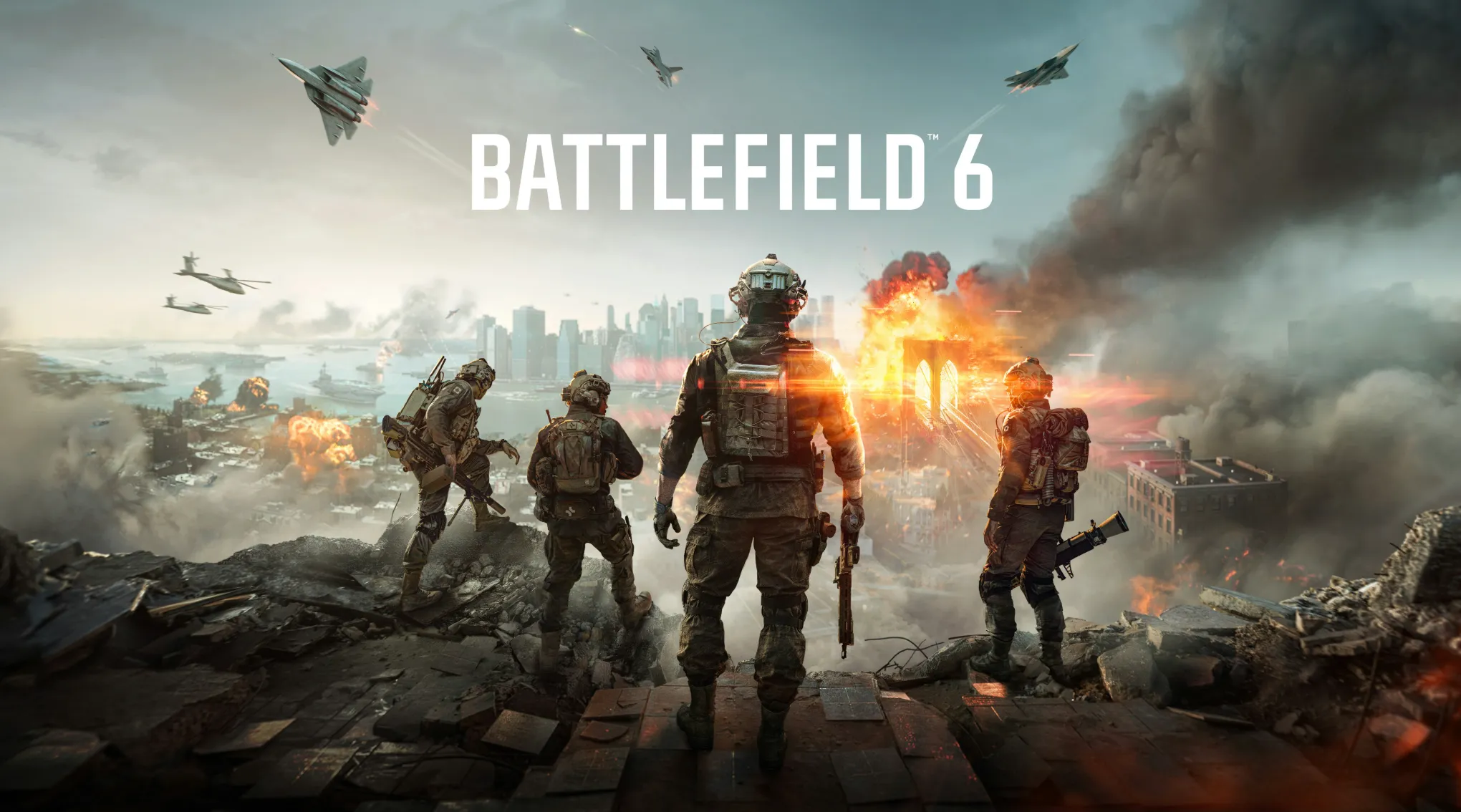

Battlefield 6 arrives carrying the weight of expectations and the scars of its predecessor’s failure. After Battlefield 2042’s disastrous launch left the franchise’s reputation in tatters, EA and Battlefield Studios spent years crafting what they hope is a redemption story. The result returns to modern warfare with 64-player battles, a traditional four-class system, and the first proper single-player campaign in seven years.
Players fight as NATO forces against Pax Armata, a private military company whose name sounds like a luxury watch brand, across locations spanning Cairo, New York, Gibraltar, and Tajikistan. The game emphasizes destruction technology and visual spectacle while attempting to balance Battlefield’s large-scale warfare identity with design influences that feel borrowed from competitors. The technical polish represents a significant improvement, and the foundation here is solid, even if the execution reveals a franchise still grappling with what it wants to be.
Multiplayer: Where Chaos Meets Structure
Battlefield 6 reinstates the four-class structure that defined the series’ golden years. Assault handles offensive operations, Recon specializes in long-range elimination, Engineer repairs vehicles and deploys anti-armor weaponry, and Support provides healing and rapid revival capabilities. Each class brings distinct tactical value, and finding your niche within the chaos becomes part of the multiplayer experience. Playing Engineer creates a satisfying loop: supporting vehicle pushes toward objectives, destroying enemy cover with rocket-propelled grenades, sneaking behind enemy armor to plant mines, and occasionally piloting tanks yourself.
The wrinkle comes with the open weapon selection system. Rather than restricting classes to specific weapon types, Battlefield 6 allows any class to equip any gun, with proficiency bonuses applied to encourage traditional pairings. In practice, this compromise feels half-committed. Assault rifles dominate because they’re effective at multiple ranges, and LMGs appear far less frequently among Support players. A true class-locked system would force more diverse tactical approaches. The current implementation risks flattening the distinctions that make class-based shooters tactically interesting.
The “Kinesthetic Combat System” improves movement responsiveness, and mantling over objects feels smoother than previous entries. However, knee-sliding introduces an arcade-style element that clashes with the game’s grounded aesthetic. Watching soldiers in full combat gear slide across rubble-strewn streets breaks immersion. One change that diminishes tactical depth is the universal revive system. Any player can now revive downed teammates, which reduces the Support class’s importance and removes meaningful spatial decisions about positioning and risk assessment.
Battlefield 6’s map selection splits into three tiers, and the disparity reveals how the game’s identity struggles manifest in concrete design choices.
The large-scale maps deliver what the series does best. Mirak Valley in Tajikistan starts one team in scorched, trench-riddled terrain before opening into construction sites with a massive crane that can be brought crashing down. Liberation Peak spreads combat across snowy valleys dotted with military bases and destructible villages. Operation Firestorm returns from previous entries, still fundamentally brilliant in how it facilitates vehicle warfare. These maps feature the full arsenal: jets, helicopters, tanks, transport vehicles. They generate emergent moments where systems collide unexpectedly, rewarding role specialization and creating the dynamic warfare that defines Battlefield’s appeal.
Mid-sized urban maps sacrifice aerial vehicles for tighter infantry combat. New Sobek City spreads battles around Egyptian apartment blocks with the pyramids looming in the distance. Siege of Cairo and Manhattan Bridge funnel players through New York’s gentrified high-rises beneath the Brooklyn Bridge’s iron structure. These maps function adequately, maintaining destruction mechanics and offering decent variety in engagement ranges.
The small-scale infantry-only offerings, however, feel like concessions rather than confident design choices. Team Deathmatch variations, Domination (essentially Conquest without vehicles), and King of the Hill strip away most of Battlefield’s distinguishing features. King of the Hill at least maintains objective-focused gameplay, but these modes make the game’s extensive toolset largely redundant. The presence of these modes feels like an attempt to appeal to players who prefer other styles of shooter, rather than doubling down on what makes Battlefield distinct.
Conquest remains the cornerstone, pitting teams against each other for control of multiple objectives. Rush returns with its attacking/defending structure, where destruction mechanics shine because blowing out walls directly impacts defensive positions. Escalation introduces permanently claimable control points meant to funnel action into fewer areas. In execution, matches feel like shorter, less satisfying versions of Conquest. The escalation concept doesn’t deliver the pressure it promises. Portal mode offers creation tools for community-designed experiences, though its success will depend entirely on what players build.
The destruction technology impresses visually and provides tactical utility. Buildings collapse into rubble spectacularly, and blasting through walls creates flanking opportunities. However, the system doesn’t represent a significant leap from Battlefield 3’s destruction model. It’s more detailed and granular, but the practical impact feels similar. The limited “Levolution” moments, like bringing down Mirak Valley’s crane, look impressive but don’t fundamentally alter map flow.
Technically, the game runs smoothly. Bugs appear occasionally (trees without bases, bots stuck running into walls, texture pop-in), but these minor issues pale compared to Battlefield 2042’s launch state. The visual fidelity is stunning, creating photo-realistic battlefields. Audio design remains exceptional, with gunfire that feels weighty, explosions that rattle your speakers, and environmental soundscapes that layer jets, rockets, and small arms fire into cohesive mayhem.
Campaign: Function Over Form
The single-player campaign spans nine missions, each lasting roughly thirty minutes, for a total runtime around five hours. The experience is linear and heavily guided, essentially serving as an extended tutorial for multiplayer mechanics. This training-ground function works adequately: you’ll learn weapon handling, understand class abilities through your squad’s specialist skills, and experience destruction mechanics in scripted scenarios. The problem is that the campaign never evolves beyond this functional role.
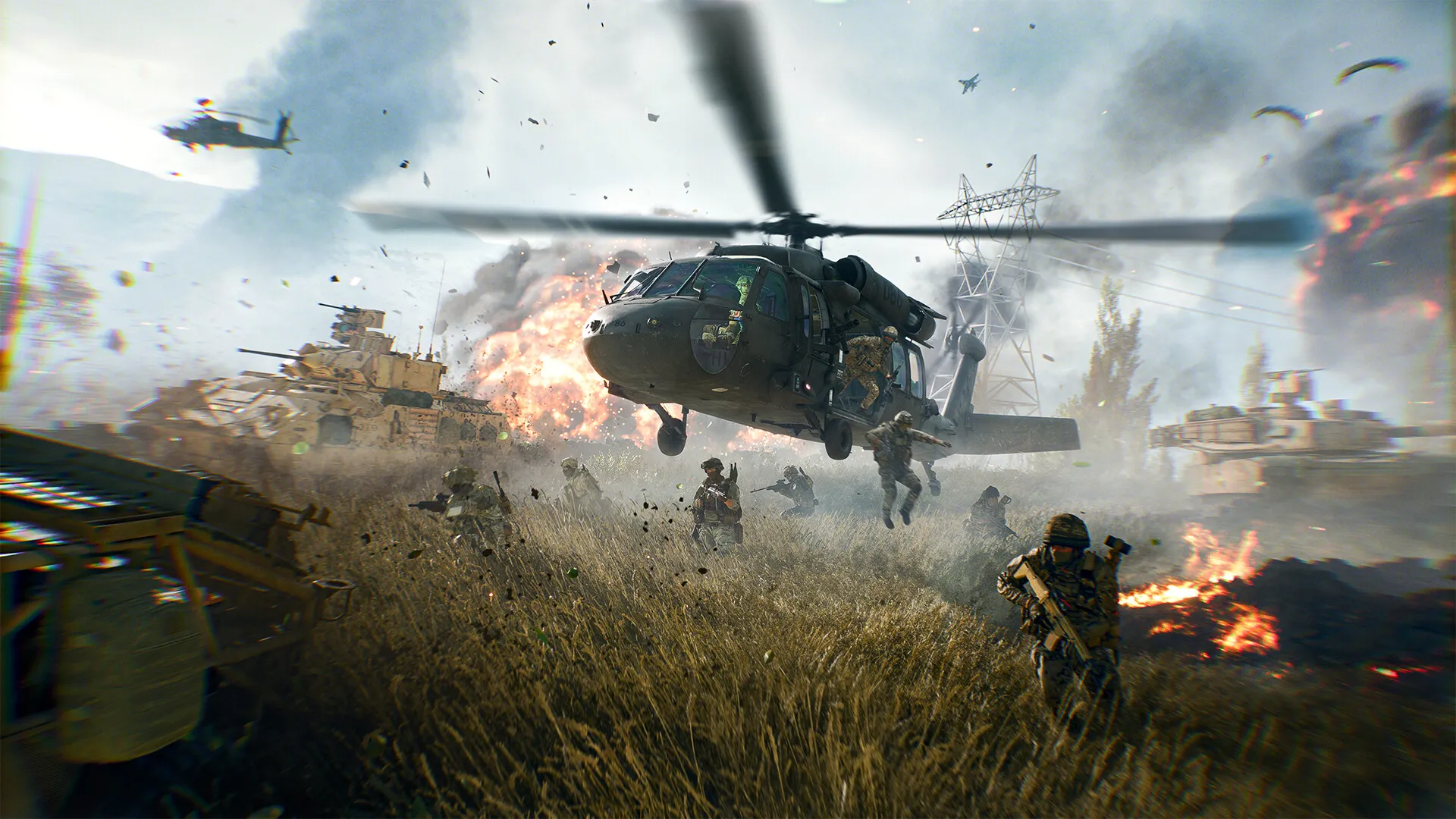
Mission design adheres rigidly to established military shooter conventions. You move through corridors toward the next shooting gallery, eliminate waves of enemies from cover, and occasionally press a button to trigger scripted explosions you didn’t cause. The WW2 tunnel museum level exemplifies this approach: a location that could provide environmental storytelling instead becomes a series of rooms where enemies spawn in predetermined patterns.
On-rails sequences appear frequently. You’ll sit in vehicle turrets, controlling mounted guns while the game drives you through enemy territory. You’ll watch explosions in cutscenes rather than triggering them yourself. You’ll plant C4 on objective markers (SAM sites, anti-aircraft guns) across multiple missions, the repetition grinding momentum to a halt. These moments strip away player agency, positioning you as a spectator to your own actions.
Cover-based combat dominates, actively punishing run-and-gun approaches. The weapons feel satisfying: assault rifles and LMGs deliver punchy feedback, sniper rifles provide devastating long-range lethality. The enemy AI, however, displays minimal intelligence, often standing in predictable positions and rarely adapting to your tactics. When buildings collapse due to destruction mechanics, forcing you to relocate from compromised cover, the combat briefly achieves tension. These moments are rare.
A few missions achieve genuine spectacle. The Gibraltar HALO drop launches you from an aircraft into freefall before opening your chute above a beach assault. The New York Presidential protection mission throws wave after wave of threats at you: assassination drones, vehicle attacks, and a massive river assault. The Manhattan Bridge sequence puts you on crumbling infrastructure, visually impressive even if the gameplay remains standard. The final mission creates a sensorially overwhelming meat-grinder that justifies the preceding hours through pure intensity.
The Tajikistan mountain mission attempts an open-world approach, providing a larger playspace and ostensible freedom. You get access to drones, ATVs, and armored trucks. In reality, the tools remain frustratingly limited and the mission design funnels you toward specific solutions regardless of your chosen approach. The veneer of choice doesn’t translate into meaningfully different experiences. Notably, you never pilot aircraft despite air vehicles being central to Battlefield’s identity. Tank battles appear but feel as dry as the desert roads they traverse.
Your squad, Dagger 1-3, consists of Marine Raiders who enthusiastically shout military jargon and display the emotional range of cardboard. Gecko handles reconnaissance and can tag enemies through his specialist abilities, instantly revealing every threat in an area and trivializing certain encounters. Each squadmate possesses class-flavored skills meant to mirror multiplayer abilities, but they end up playing practically identically.
The performances are forgettable, the dialogue often cringeworthy. When one of their own falls in combat, the squad barely registers grief or anger. The story pits you against Pax Armata following NATO’s failure to respond adequately to eastern European incursion. The narrative quickly devolves into special operations troops competing to be the most self-sacrificing patriots. Timeline manipulation and flashback structures muddy the plot, and the ending sets up a sequel with presumptuous confidence. The presentation is aggressively apolitical despite dealing with geopolitical collapse, resulting in a hollow story that says nothing about global or personal stakes. This stands in stark contrast to the Bad Company campaigns, which featured actual personality and character charm.
Visual and Sonic Presentation
The game commits fully to a burned-orange aesthetic that gives environments a distinct cohesive look. Battlefields achieve photo-realism during peak moments: Egyptian pyramids loom majestically, New York cityscapes display impressive architectural detail, and lighting effects create dramatic shadows. Character models look adequate, though less impressive than environmental rendering. Occasional texture pop-in occurs, with lower-resolution assets briefly visible before higher-fidelity versions load.
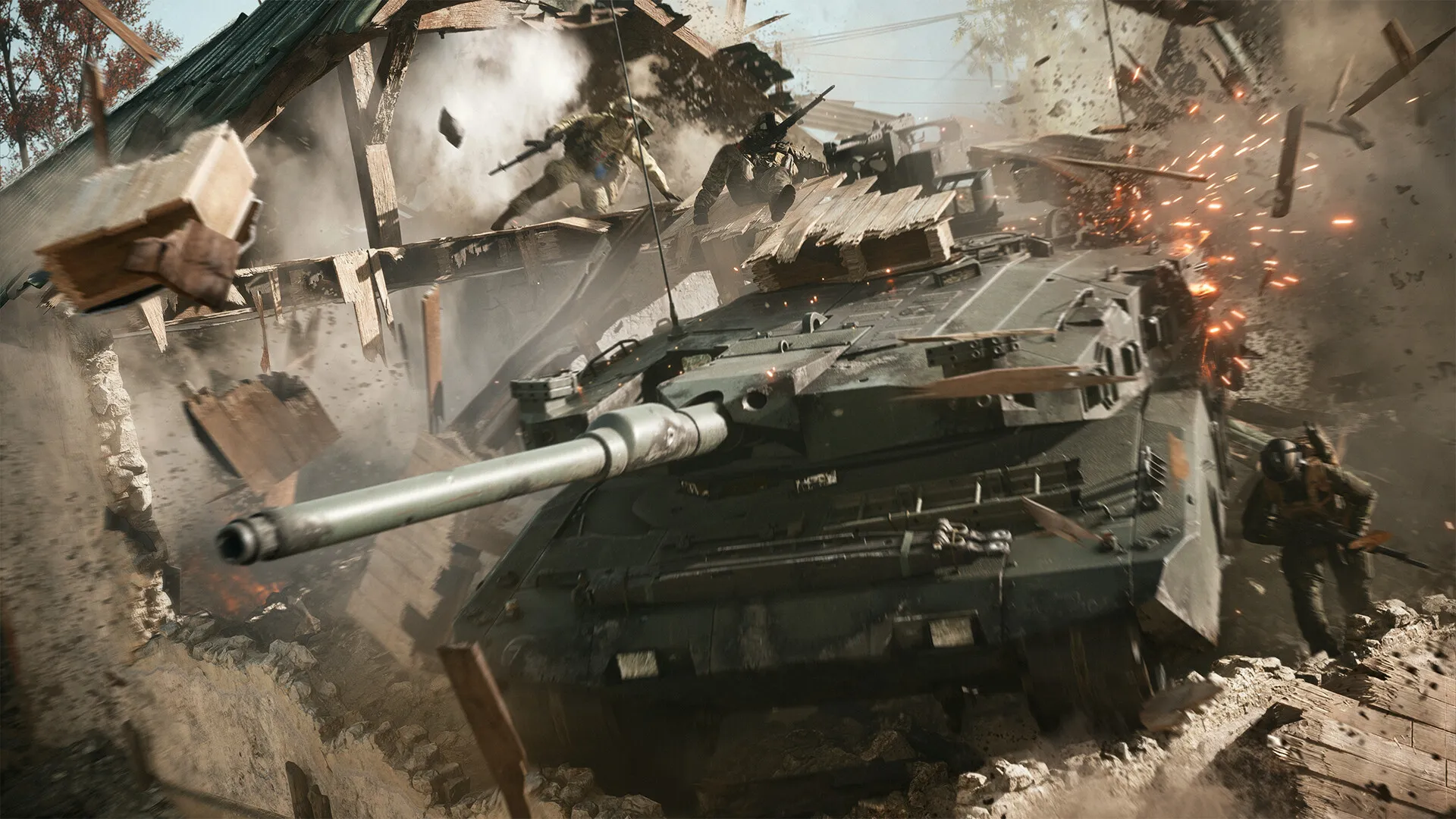
Destruction visuals remain the standout. Explosions bloom with spectacular particle effects, debris scatters realistically, and building facades peel away from structures convincingly. Environmental degradation throughout matches creates battlefields that evolve visually, scarred by combat. Smoke and fire layer convincingly, creating atmospheric haze that impacts sightlines.
Audio design maintains the series’ exceptional standards. Gunfire carries weight, each weapon class producing distinct sounds that communicate their lethality. Explosions generate bass-heavy impacts you feel physically. Bullets whiz past with directional audio that helps locate enemy positions. Jets screaming overhead create momentary panic, and environmental audio layers small arms fire, vehicle engines, and destruction into cohesive soundscapes. The audio communicates information while building atmosphere, one of the few areas where the game never compromises its identity.
Progression and Long-Term Engagement
Advancement combines XP gains with challenge completion, creating a steady unlock cadence. You’re constantly working toward something: new weapons, gadget upgrades, class-specific equipment, cosmetic options. The reward loop maintains engagement even through losing streaks because individual performance still earns progression. Weapon variety spans assault rifles, SMGs, LMGs, sniper rifles, shotguns, and designated marksman rifles, each with attachment systems for customization.
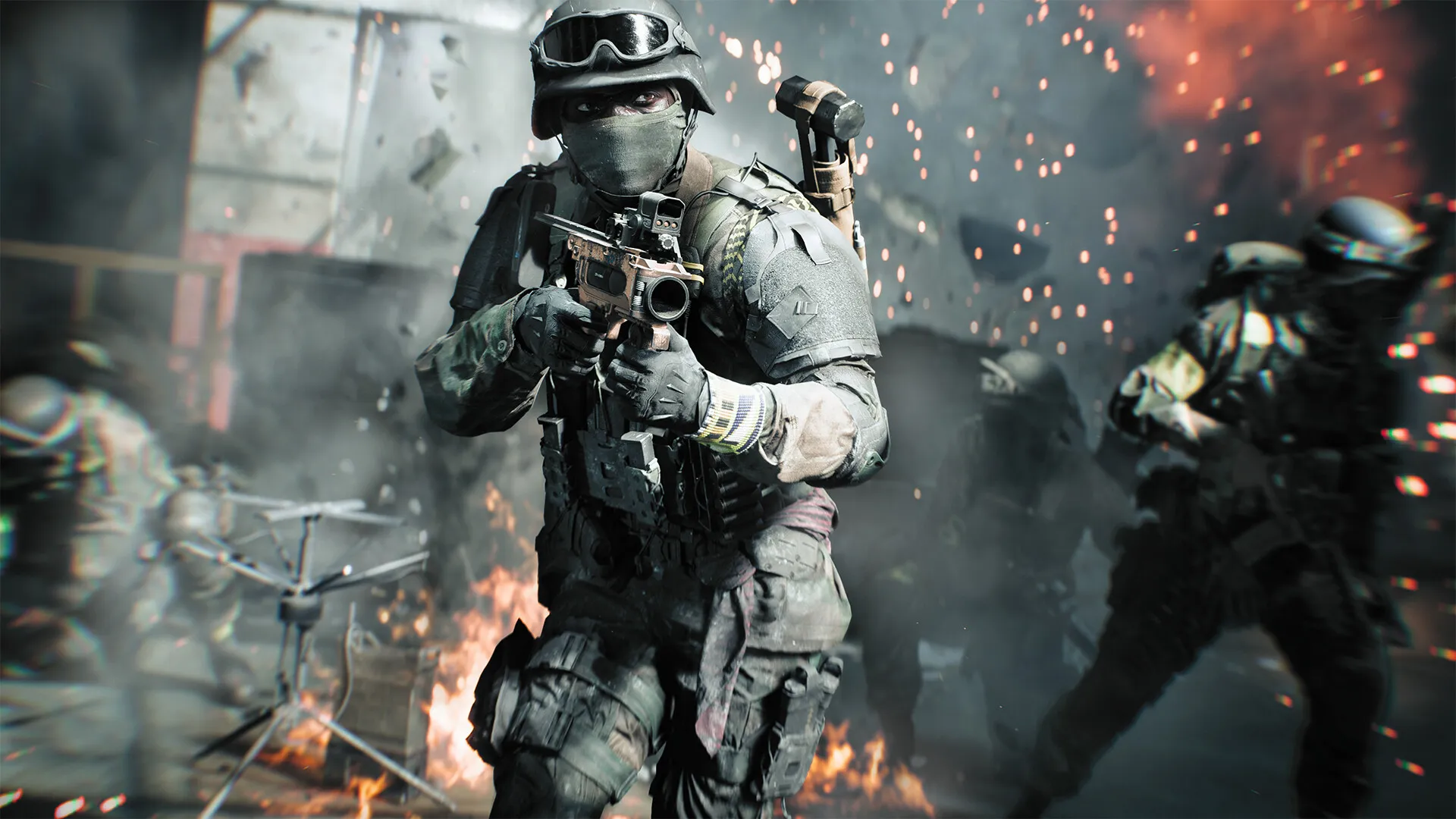
Class proficiency bonuses encourage playing to each role’s strengths while the open weapon system allows flexibility. Loadout customization provides enough depth to support different playstyles without overwhelming new players. The pacing feels balanced, providing regular unlocks without requiring excessive grinding. The progression system succeeds because it doesn’t artificially gate basic functionality. You start with viable weapons and equipment, and unlocks feel like additions rather than necessities.
A Franchise Between Identities
Battlefield 6 struggles with competing impulses. It wants to be the large-scale warfare series that earned devoted fans, yet it hedges by including infantry-only modes that strip away distinguishing features. It wants to embrace vehicular chaos and emergent combat, yet it offers limited large-scale maps at launch while padding the roster with smaller offerings. The campaign adopts design language from Call of Duty rather than carving its own path, and the movement system introduces arcade elements that clash with the series’ more grounded presentation.
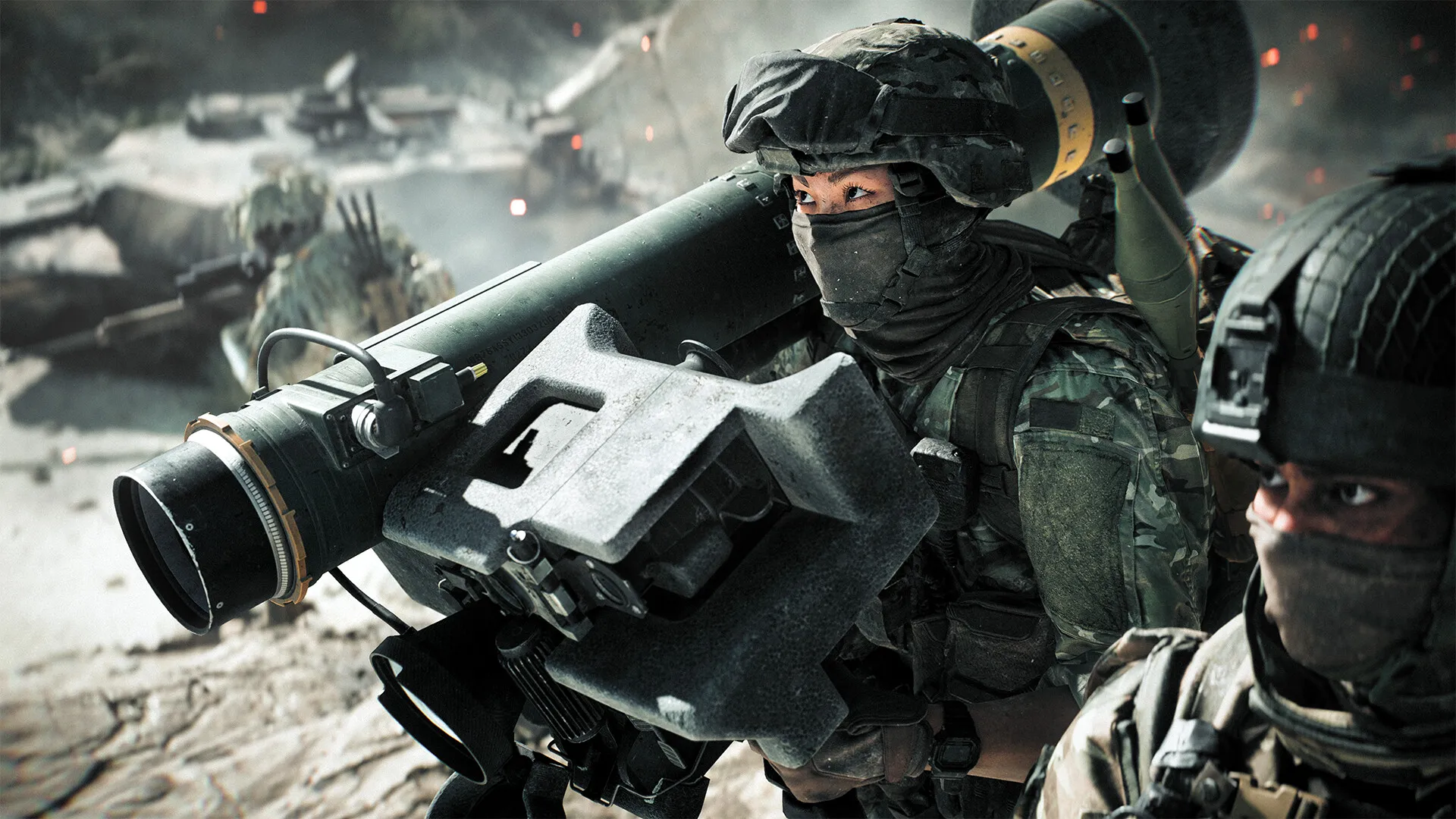
When the game leans into its heritage, magic happens. The 64-player battles on vehicle-inclusive maps generate the emergent moments that make multiplayer shooters memorable. You watch a building collapse onto a control point, fundamentally altering how both teams must approach that objective. You coordinate with squadmates to execute a helicopter insertion on an enemy-held position, only to have anti-air fire force an emergency landing that turns your plan into improvised chaos. Role specialization rewards investment: playing Engineer effectively requires understanding vehicle health states, positioning for effective repairs, and knowing when to deploy anti-armor versus anti-infantry tools.
The missed opportunities frustrate because the potential is visible. Three large-scale maps at launch feels insufficient when those maps represent the game’s peak experiences. The infantry-only modes dilute the roster without offering compelling alternatives. The campaign could have taken creative risks, exploring asymmetric warfare, consequence systems, or narrative structures that leverage the single-player space for experimental ideas. Instead it plays safe, delivering functional training for multiplayer without artistic ambition.
Final Assessment
Battlefield 6 succeeds as a franchise reset. The technical polish, solid multiplayer foundation, and improved stability represent significant steps forward from Battlefield 2042’s failure. The value proposition at launch is reasonable: a functional campaign, varied multiplayer modes, robust progression systems, and upcoming post-launch content including a Battle Royale mode. Players seeking reliable military shooter action will find it here, especially if large-scale vehicular warfare appeals to them.
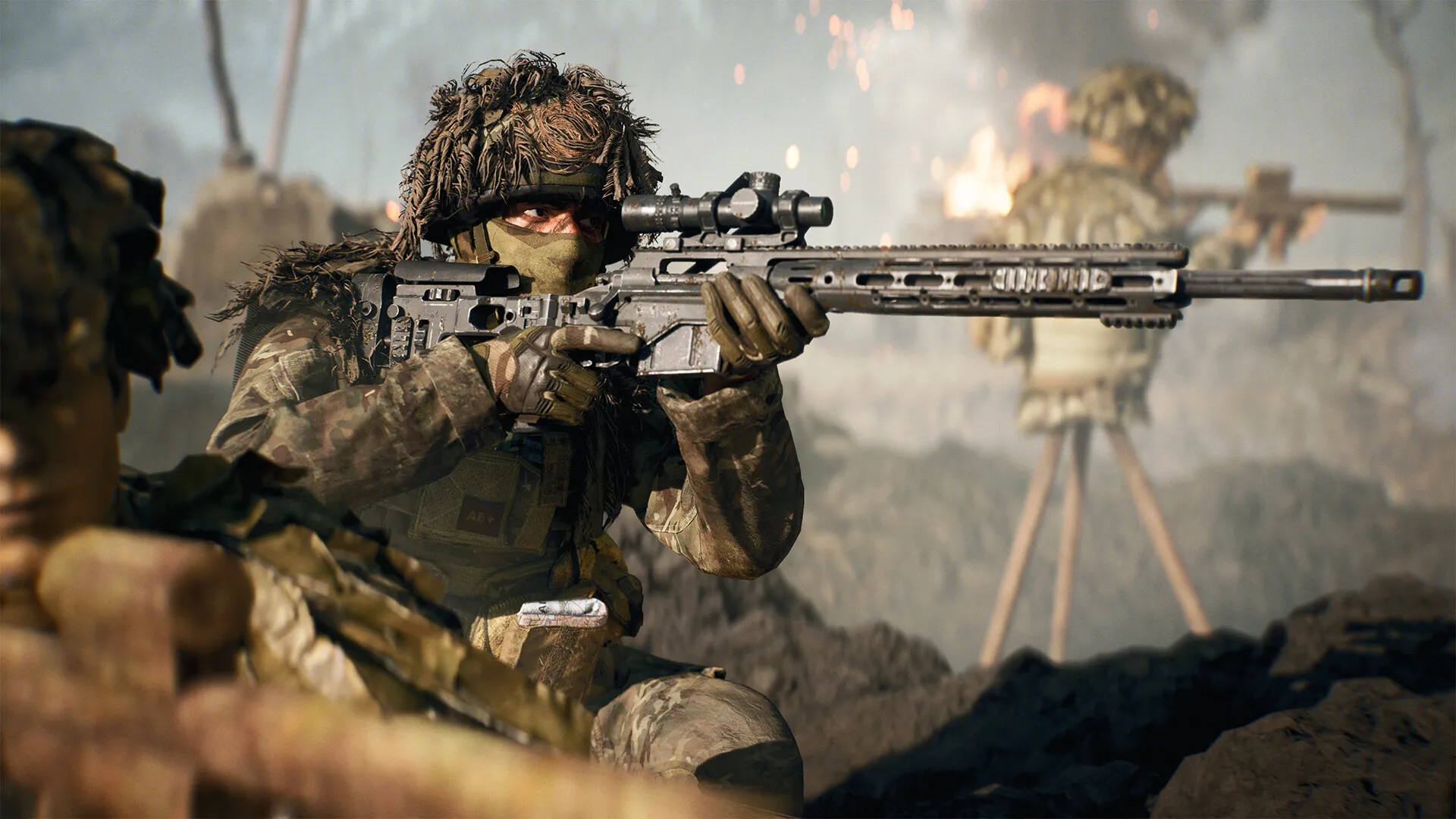
The campaign serves as a brief, functional introduction to mechanics that shine in multiplayer. It won’t leave lasting impressions or provide memorable narrative moments, but it accomplishes its tutorial function in five hours without overstaying its welcome. Multiplayer remains the primary attraction and the strongest argument for recommendation. The large-scale maps deliver the series’ trademark chaos, destruction mechanics provide tactical depth and visual spectacle, and the class system creates meaningful role differentiation despite its compromises.
The game sits comfortably within 2025’s military shooter landscape as a competent, polished entry that plays to established strengths without pushing boundaries. For returning fans who’ve waited through Battlefield 2042’s troubled years, this represents a return to form. Long-term engagement potential depends heavily on whether EA commits to the large-scale experiences that distinguish Battlefield from competitors, or continues hedging with modes that dilute its identity. Right now, Battlefield 6 proves the franchise can still deliver when it remembers what made it special.
The Review
Battlefield 6
Battlefield 6 delivers a competent franchise reset anchored by excellent large-scale multiplayer that generates genuine emergent chaos. The destruction tech impresses, the class system works despite awkward weapon compromises, and technical polish marks welcome improvement. However, identity struggles persist: too many infantry-only modes dilute what makes Battlefield special, while the safe, functional campaign offers no creative ambition. When it commits to 64-player vehicular warfare, the game soars. When it hedges toward competitors' territory, it falters. A solid foundation that deserves bolder confidence in its own strengths.
PROS
- Large-scale multiplayer maps generate thrilling emergent moments
- Impressive destruction technology with tactical applications
- Exceptional audio design and strong visual presentation
- Technically polished with minimal bugs
- Satisfying class-based gameplay and weapon feel
- Solid progression system maintains engagement
CONS
- Limited number of large-scale maps at launch
- Infantry-only modes feel redundant and dilute identity
- Campaign lacks creative ambition and memorable characters
- Open weapon system undermines class distinctions
- Arcade-style movement elements clash with grounded aesthetic
- Repetitive campaign objectives and weak AI







