




























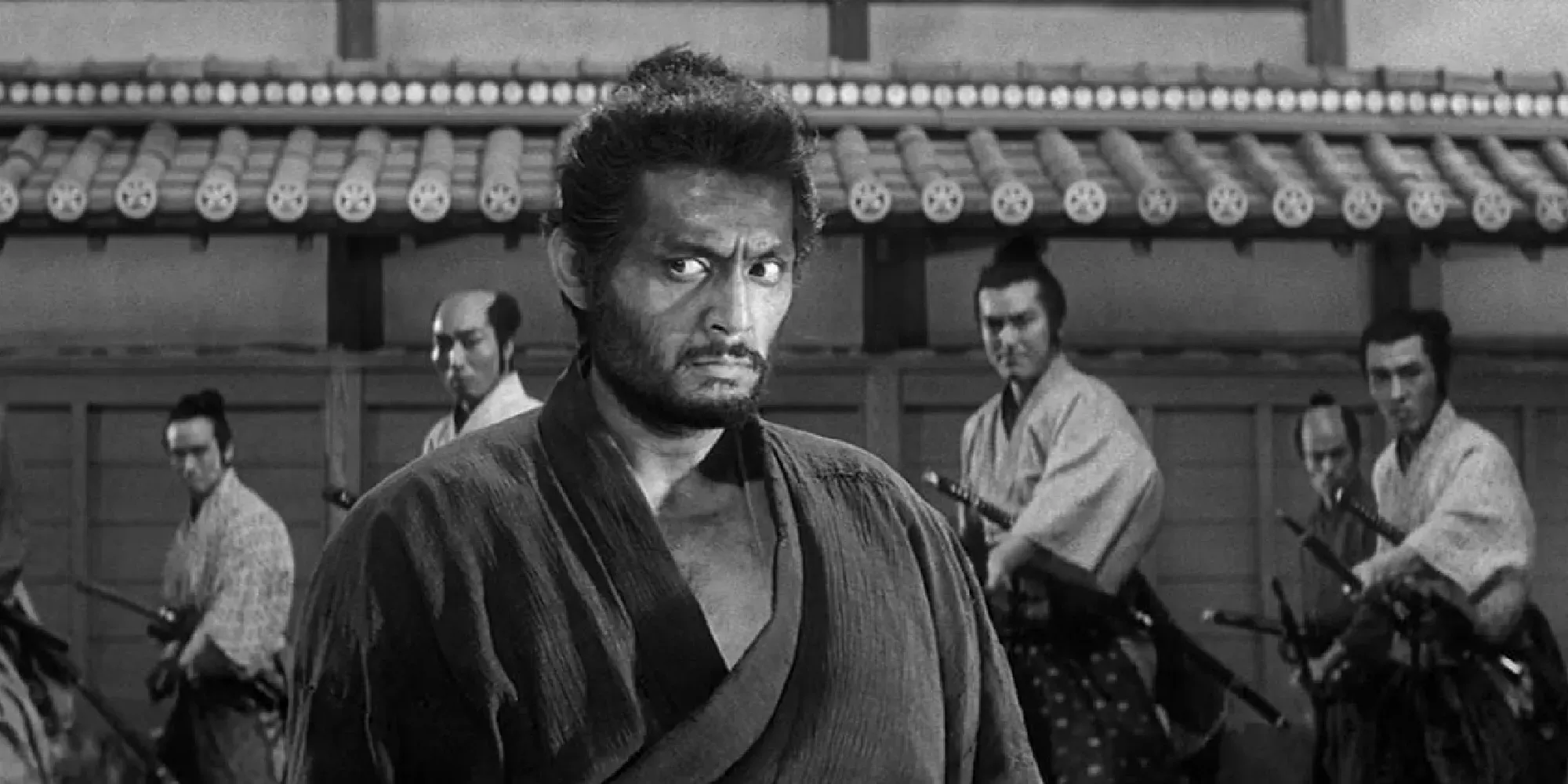

Tatsuya Nakadai, the Japanese stage and screen luminary whose performances in Ran and Harakiri shaped global perceptions of postwar Japanese cinema, has died at 92. His acting school confirmed he died in Tokyo, and domestic reports cite pneumonia as the cause, with the time of death recorded shortly after midnight on November 8 local time. Plans indicate services will be limited to close relatives.
Emerging in the 1950s, Nakadai moved from shop clerk to leading man, first noticed by filmmaker Masaki Kobayashi before anchoring the antiwar trilogy The Human Condition. He became a commanding presence in period dramas, playing the vengeful ronin of Harakiri and, later, the aging warlord Hidetora Ichimonji in Akira Kurosawa’s Ran. He also worked with Kurosawa on Kagemusha and appeared opposite Toshiro Mifune in Yojimbo and other films that circulated widely outside Japan.
His influence extended beyond the screen. With his wife, actor Yasuko Miyazaki, he founded the Mumeijuku acting school in 1975, which trained a generation of performers and cemented his reputation as a mentor as much as a star. Former students include Koji Yakusho, now one of the country’s most recognized actors.
Recognition followed at home and abroad. Nakadai received the Order of Culture in 2015, one of Japan’s highest honors, and remained active on stage into his later years. Local outlets reporting on his death noted he had been hospitalized after an injury and subsequently developed pneumonia, underscoring how recent his public appearances had been.
Initial statements from his acting school did not specify a cause of death, while multiple Japanese news services and international coverage pointed to pneumonia and provided a precise time of death. That divergence reflects the speed of reporting around a figure whose career spanned seven decades and more than a hundred credits, with roles that remain central to film studies and repertory programming worldwide.