
























![Kingdom Hearts Collection [I-III] Review](https://gazettely.com/wp-content/uploads/2026/10/Kingdom-Hearts-Collection-I-III-1-360x180.webp "Kingdom Hearts Collection [I-III] Review: KHII Holds Steady as Newer Entries Fluctuate 40")
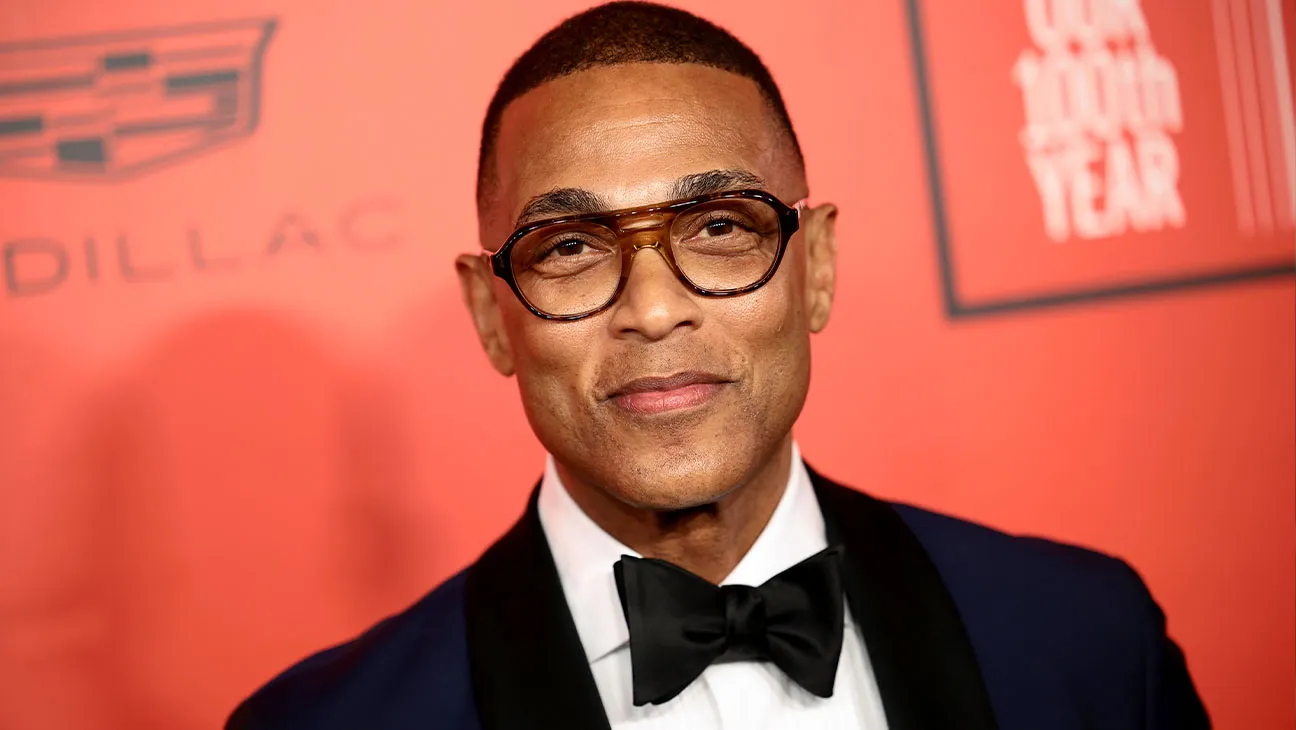

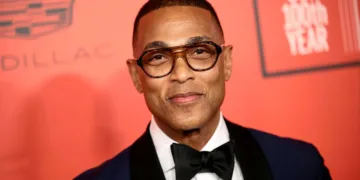
A federal magistrate judge in Minnesota refused to sign a criminal complaint seeking to charge journalist Don Lemon after he entered a St. Paul church during a protest tied to U.S. immigration enforcement, according to people familiar with the proceedings. The decision halted an initial misdemeanor attempt by federal prosecutors, who argued Lemon’s presence contributed to a disruption of a worship service; Lemon’s attorney, Abbe Lowell, said the refusal confirmed Lemon was doing “First Amendment protected work” as a reporter covering a news event on the ground.
The clash stems from a Jan. 18 protest inside Cities Church, where demonstrators confronted the congregation over allegations that a pastor holds a leadership post with Immigration and Customs Enforcement. Lemon streamed from inside the church and interviewed protesters and church figures, while administration officials publicly suggested he could face charges. Lemon has said he went to Minnesota for journalism, and Lowell warned that a renewed prosecution effort would amount to punishment for newsgathering.
While Lemon avoided charges for now, federal agents arrested three activists accused of organizing or participating in the church disruption: Nekima Levy Armstrong, Chauntyll Louisa Allen and William Kelly, the Justice Department said. Authorities tied at least one arrest to 18 U.S.C. § 248, commonly known as the FACE Act, a 1994 statute that bars the use of force, threats or physical obstruction to “intimidate or interfere” with people exercising religious freedom “at a place of religious worship.” Homeland Security Secretary Kristi Noem said the group will also face conspiracy allegations.
Supporters of the protesters describe the enforcement as retaliation against dissent around immigration policy and the death of Renée Good, whom ICE shot earlier this month, which protesters invoked during the church action.
Critics, including senior administration figures, cast the incident as intimidation of worshippers and argue the government must treat churches as protected spaces. The judge’s refusal to find probable cause against Lemon leaves prosecutors with other options, including seeking an indictment through a grand jury, setting up a press-freedom fight that could spill far beyond Minnesota.