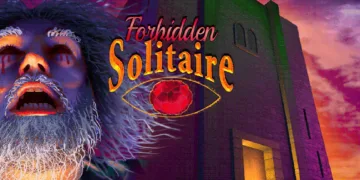


























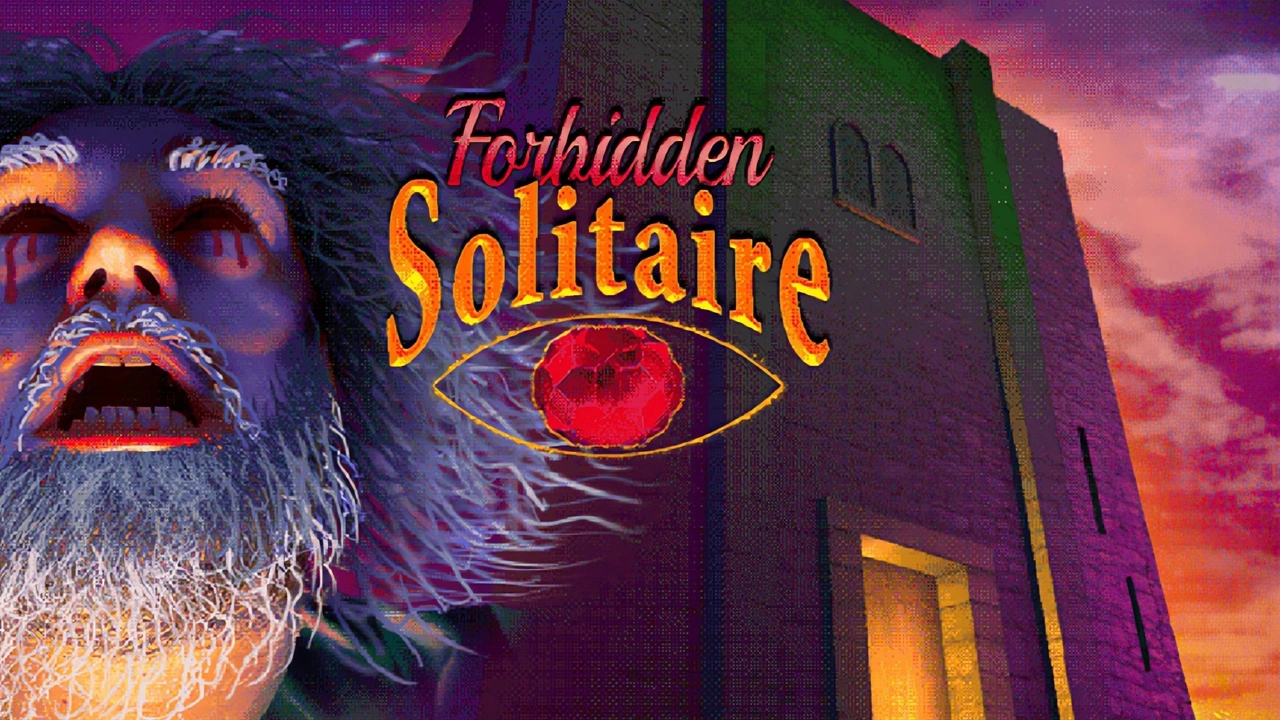

Forbidden Solitaire positions itself at the intersection of nostalgia, horror, and strategic card play. Developed by Grey Alien Games and Night Signal Entertainment, it casts players as Will Roberta, a man who uncovers a long-lost 1990s PC game.
The experience is layered: Will interacts with the game on his desktop while simultaneously inhabiting its in-world avatar, a wizened adventurer navigating a cursed dungeon. Each solitaire run acts as both puzzle and combat, integrating Tri Peaks mechanics with an evolving system of power-ups, jokers, and strategic enhancements.
The title leans heavily into retro aesthetics, channeling mid-90s FMV horror with low-resolution visuals, clay-like monsters, and synth-heavy audio cues. Meta storytelling threads creep through the experience, combining creepypasta-style haunted game myths, fake news clippings, and instant messages from Will’s sister Emily as she investigates the dark history of the studio.
Humor and horror mingle with a careful balance, creating moments of levity amid gruesome imagery. For players who grew up navigating floppy disks and pixelated dungeons, the nostalgia is immediate. For newcomers, the layered storytelling and puzzle complexity provide an engaging hook without relying solely on retro charm.
Narrative & Storytelling
The narrative in Forbidden Solitaire operates on multiple planes. Will’s gameplay within the cursed CD-ROM unfolds alongside Emily’s real-world investigation. As the sister uncovers the studio’s past, developer conflicts, and the urban legends surrounding the game’s alleged dangers, her findings punctuate Will’s gameplay with messages, videos, and clippings. This dual-layered storytelling enriches the experience, creating a continuous tension between the player’s in-game actions and the outside world’s unfolding mysteries.
The story nods explicitly to 1990s moral panics, echoing the media hysteria surrounding violent video games and haunted cartridges. It pays homage to FMV horror classics like Night Trap and Phantasmagoria, using pixelated gore, stilted acting, and deliberately low-fidelity video to evoke the era’s uncanny aesthetic. Meta elements, from desktop pop-ups to faux news broadcasts, reinforce the creepypasta-inspired framework.
Tone is carefully calibrated, shifting between campy horror, tongue-in-cheek humor, and genuine tension. Moments of dark comedy, such as LARPing wizards embedding gems into their flesh, coexist with sincere stakes, including developer exploitation and supernatural threats.
Will’s avatar transforms alongside the player’s progress, reflecting both narrative developments and gameplay upgrades, while Emily serves as the connective tissue between past and present. Plot pacing ensures the story unfolds over five to six hours without lingering unnecessarily, keeping the player engaged while steadily revealing layers of lore.
Gameplay Mechanics & Systems
At its core, Forbidden Solitaire builds on Tri Peaks solitaire mechanics. Players clear cards by ascending or descending rank while managing a limited stock. This familiar structure is expanded through combat encounters and puzzle boards, transforming a simple card game into a layered strategic experience. Combat requires careful management of health, cursed cards, and deck manipulation, while puzzles present layout-specific challenges that reward planning and foresight.
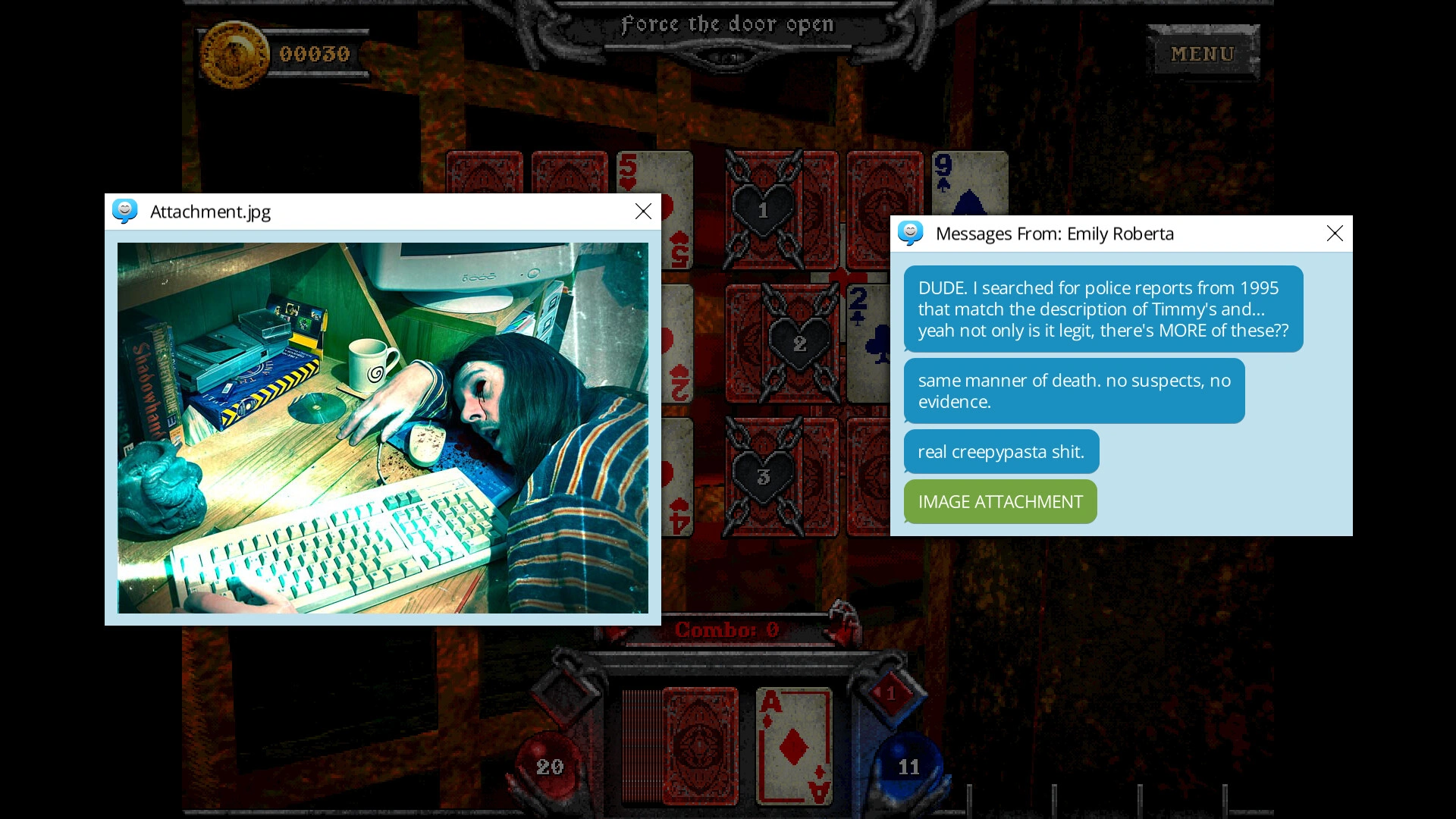
The game’s progression system integrates jokers and gems as tools for player agency. Jokers act as wild cards, enabling combo extensions, board manipulation, and tactical advantages. Gems provide permanent upgrades such as increased health, mana acceleration, or enhanced damage.
The in-game shop encourages resource management, allowing players to tailor strategies to their playstyle. Strategic depth grows organically, with early levels offering accessible learning curves and later stages demanding nuanced planning. Optional New Game+ and puzzle revisits increase replayability, letting players experiment with different combinations of enhancements.
Tri Peaks mechanics are augmented without abandoning the format. Each encounter is carefully designed to reinforce the dungeon’s hazards, turning a straightforward solitaire run into a dynamic card-battler. Deck-building elements and adaptive challenges create tension while maintaining accessibility. The careful integration of roguelike-inspired mechanics ensures variety without converting the game into a full roguelike, keeping the focus on storytelling and puzzle engagement.
Aesthetic & Audio Design
Forbidden Solitaire excels at evoking mid-90s PC horror. VGA textures, low-resolution monsters, and stop-motion-inspired visuals generate an uncanny aesthetic, while dungeon areas themed by card suit—hearts, diamonds, clubs, and spades—reinforce thematic cohesion. Character and monster design straddles grotesque and humorous, with clay-like textures and exaggerated movements enhancing both horror and charm.
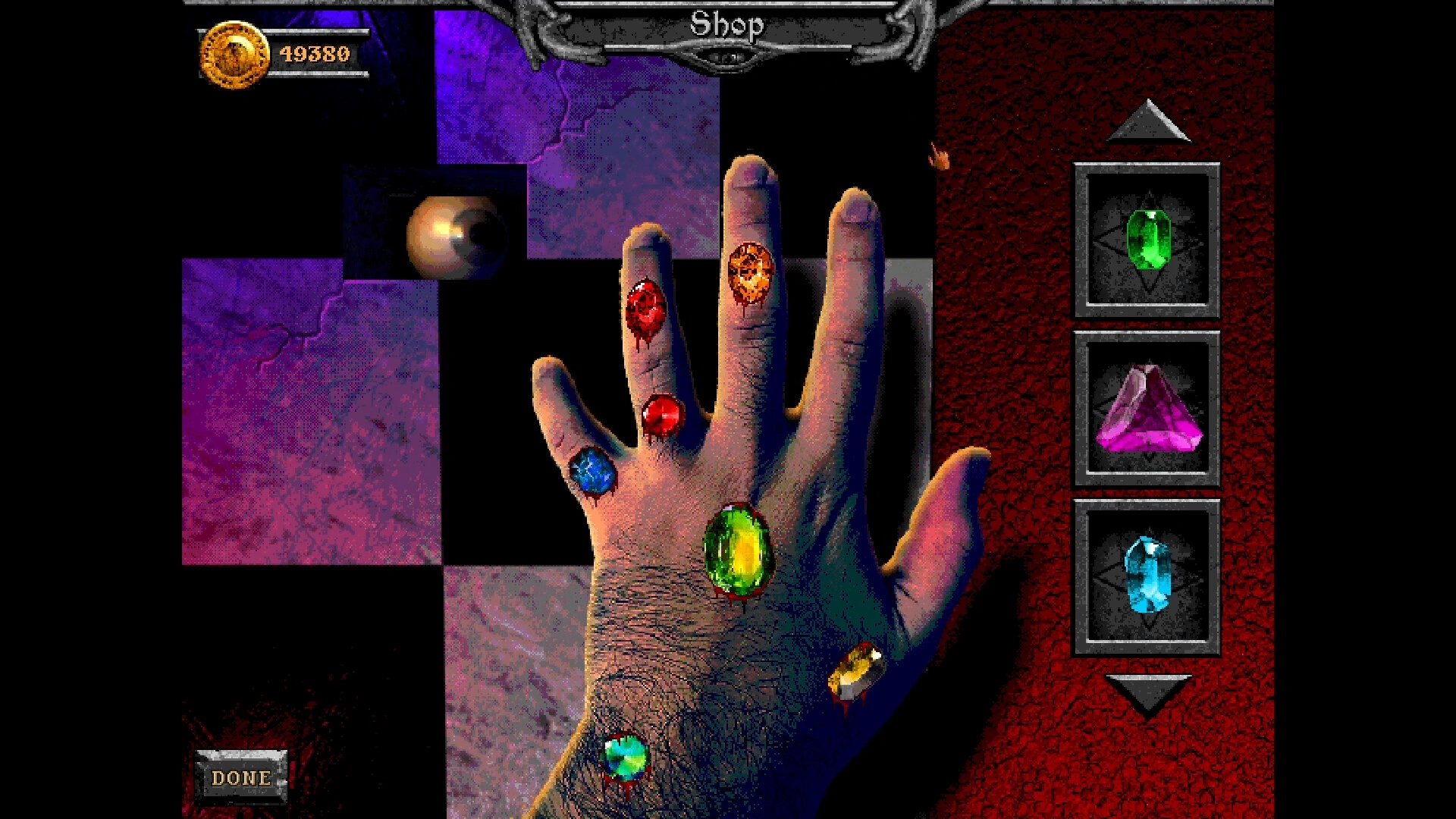
Full-motion video sequences and retro commercials punctuate gameplay, delivering narrative information and deepening immersion. Acting embraces the era’s dramatic style, balancing camp with subtle emotional beats. Synth-heavy, choral soundscapes underscore dungeon exploration, while ambient effects for creature movement and environmental cues heighten tension.
Audio design is integral to pacing, providing cues for both narrative beats and gameplay opportunities. Desktop overlays, fake OS interfaces, and pop-up messages reinforce the meta framework, grounding the player in a convincingly layered world. Nostalgic authenticity permeates every visual and auditory element, rewarding those familiar with early PC horror.
Player Experience & Engagement
Difficulty is approachable but strategic depth grows with progression. Tri Peaks mechanics are easy to grasp, yet combat encounters, cursed cards, and board hazards demand thoughtful play. The reward-feedback loop keeps players engaged: clearing cards advances the story, earns in-game currency, and unlocks upgrades. This compulsion loop is reinforced by narrative intrigue and escalating dungeon challenges.
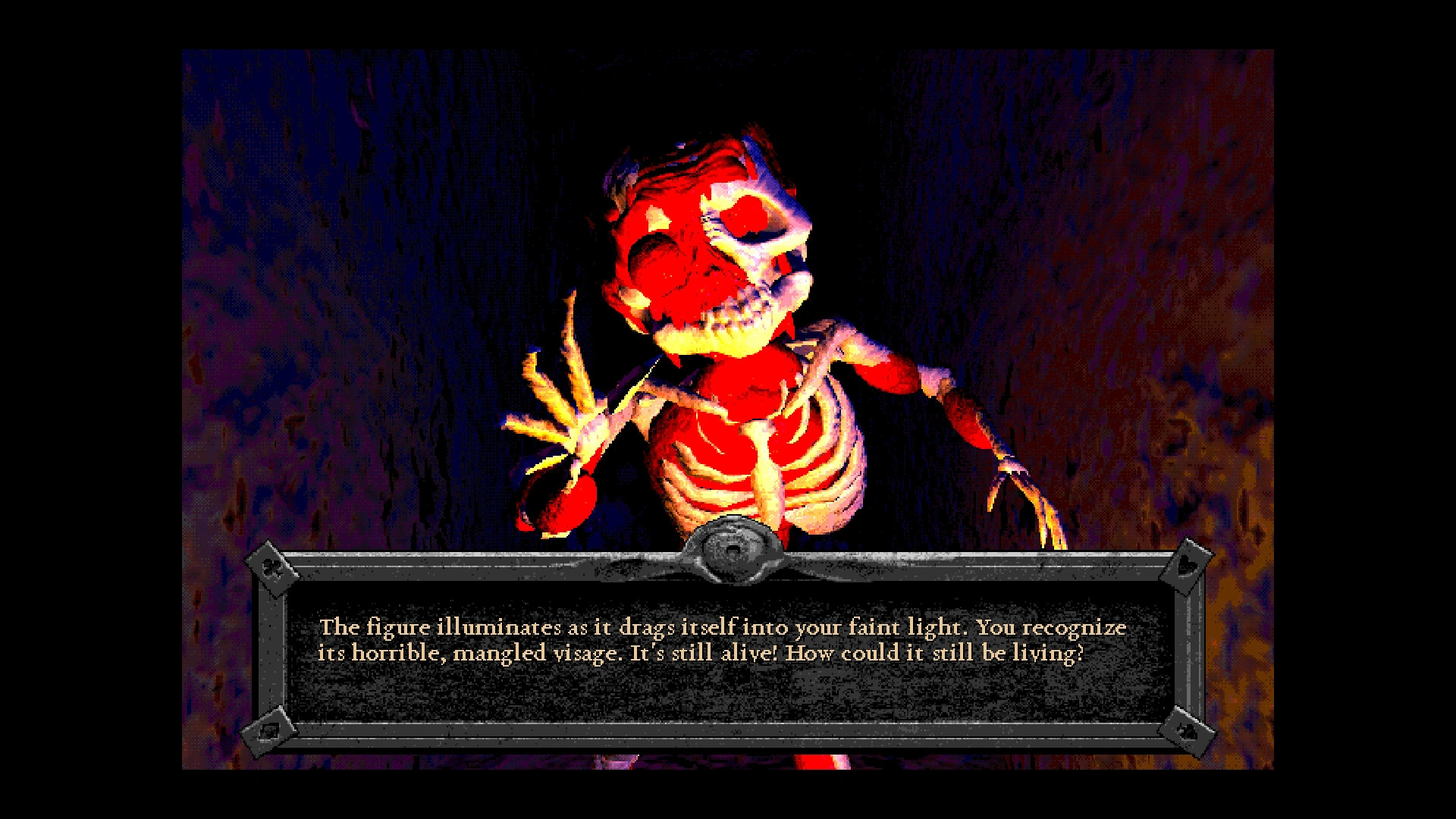
Emotional resonance arises from the interplay of horror, humor, and narrative stakes. Gore and unsettling visuals enhance tension without overwhelming puzzle mechanics. Meta storytelling and Emily’s investigative threads invite curiosity, encouraging players to piece together the overarching mystery.
Accessibility allows casual players to enjoy solitaire rounds while dedicated players can optimize strategies with jokers and gems. Horror elements elevate rather than overshadow gameplay, producing a cohesive experience that appeals to both nostalgia-seekers and newcomers.
Technical Performance & Accessibility
Controls are intuitive, relying on simple mouse clicks for deck and board interaction. The user interface clearly conveys card layouts, deck state, and available power-ups. The game is PC-focused, with modest system requirements compatible with contemporary hardware.
Tutorials, tooltips, and optional guidance support newcomers to Tri Peaks solitaire. Difficulty adjustments through gem and joker acquisition provide an accessible yet rewarding experience. Stability is strong, with minimal glitches or crashes observed, reflecting the polished execution expected from a focused indie release.
The Review
Forbidden Solitaire
Forbidden Solitaire delivers a rare blend of nostalgia, inventive card mechanics, and layered storytelling. Its Tri Peaks foundation evolves into a strategic, combat-infused puzzle experience, while the dual narrative of Will and Emily enriches the journey. Retro visuals, FMV sequences, and eerie synth soundscapes reinforce the 90s horror aesthetic, creating a cohesive and engaging atmosphere. The game is accessible yet strategically rewarding, balancing humor, horror, and meta storytelling with finesse. For those seeking a short, memorable indie experience that honors both narrative and gameplay, this is an exceptional title.
PROS
- Innovative integration of Tri Peaks solitaire with combat and puzzle mechanics
- Dual-layered narrative with meta storytelling and creepypasta elements
- Authentic 90s FMV horror aesthetic with retro visuals and audio
- Strategic depth through jokers, gems, and shop upgrades
- Accessible yet rewarding for both casual and experienced players
CONS
- Some sequences may feel easy for solitaire veterans
- Meta elements occasionally disrupt immersion
- Tri Peaks format may feel limiting to traditional solitaire enthusiasts