














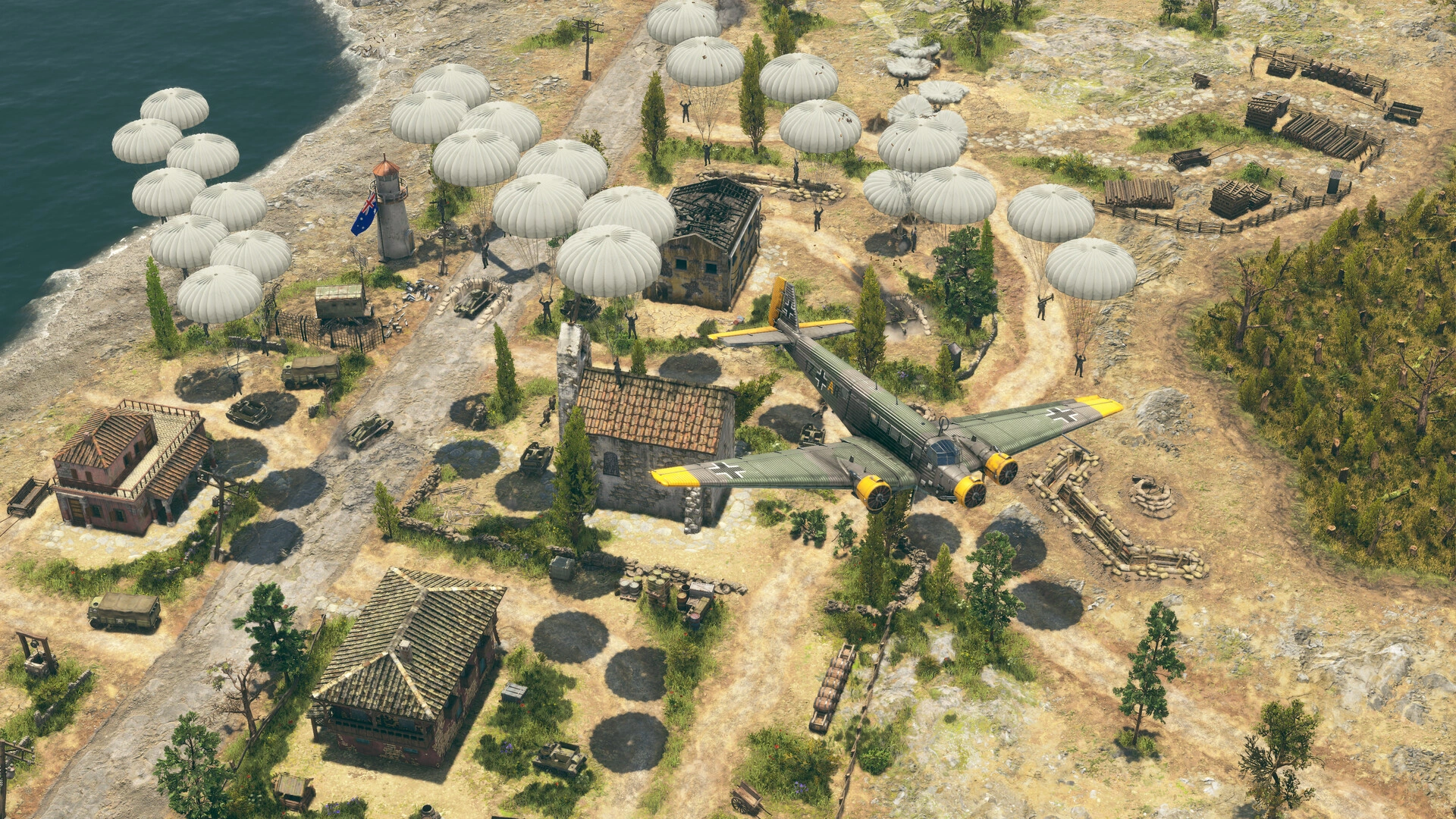

Kite Games and Kalypso Media return with Sudden Strike 5, the latest entry in the long-running World War II real-time tactics series. Set in 1945, the game spans historical battlefields across Europe and North Africa, placing players in the midst of pivotal campaigns. The single-player experience spans 25 missions across Axis, Western Allies, and Soviet perspectives, featuring over 300 units, including more than 190 vehicles and 110 infantry.
The game emphasizes tactical planning over resource farming or base building, rewarding careful control of forces, preservation of units, and strategic flexibility. Large maps encourage dynamic approaches to objectives, with terrain, supply lines, and positional advantage shaping each engagement.
Players must consider logistics, reinforcements, and environmental factors while adapting to the unpredictability of AI opponents. Sudden Strike 5 balances historical authenticity with player freedom, creating a battlefield where every decision has consequences, and where unit efficiency and command choices define success in high-stakes combat.
Campaign Structure, Mission Design, and Strategic Freedom
The game’s three campaigns offer distinct perspectives on World War II. The Axis campaign features operations such as the Battle of Crete, Crimea, and Operation Barbarossa, emphasizing rapid assaults and strategic offensives. Western Allies missions reframe similar theaters through a liberation lens, requiring coordination and timing, while the Soviet campaign focuses on defending and reclaiming territory under pressure.
Players navigate layered objectives across large, historically inspired maps, capturing strategic points, roads, railways, airfields, naval ports, command centers, radar stations, and supply hubs. These points provide reinforcements, ammo, fuel, and intelligence while serving as temporary operational hubs.
Mission design encourages tactical freedom. Multiple routes, landing zones, flanking opportunities, and bridge or infrastructure sabotage allow for varied approaches. Terrain plays a critical role: forests conceal units, open fields expose infantry, rivers and bridges dictate movement, and elevated positions provide range and defensive advantage. Cities and buildings obstruct sightlines and offer defensive value but collapse under artillery fire. The sandbox nature extends to mission-specific assets, such as Armored Trains, which introduce alternative tactical possibilities. AI behavior is aggressive, often pressuring players into rapid decision-making, heightening tension even in defensive scenarios.
Commanders, Doctrines, Units, and Battlefield Management
Before each mission, players select commanders that influence unit behavior and tactical advantages. Western Allies examples include Bernard Montgomery, who boosts armor effectiveness and defensive positioning; George S. Patton, enhancing tank speed, damage, and penetration; and Bernard Freyberg, improving logistics efficiency by lowering resupply and repair costs. Commanders shape initial strategy, while Doctrines provide in-mission progression through perks earned via performance, allowing dynamic adaptation during engagements.
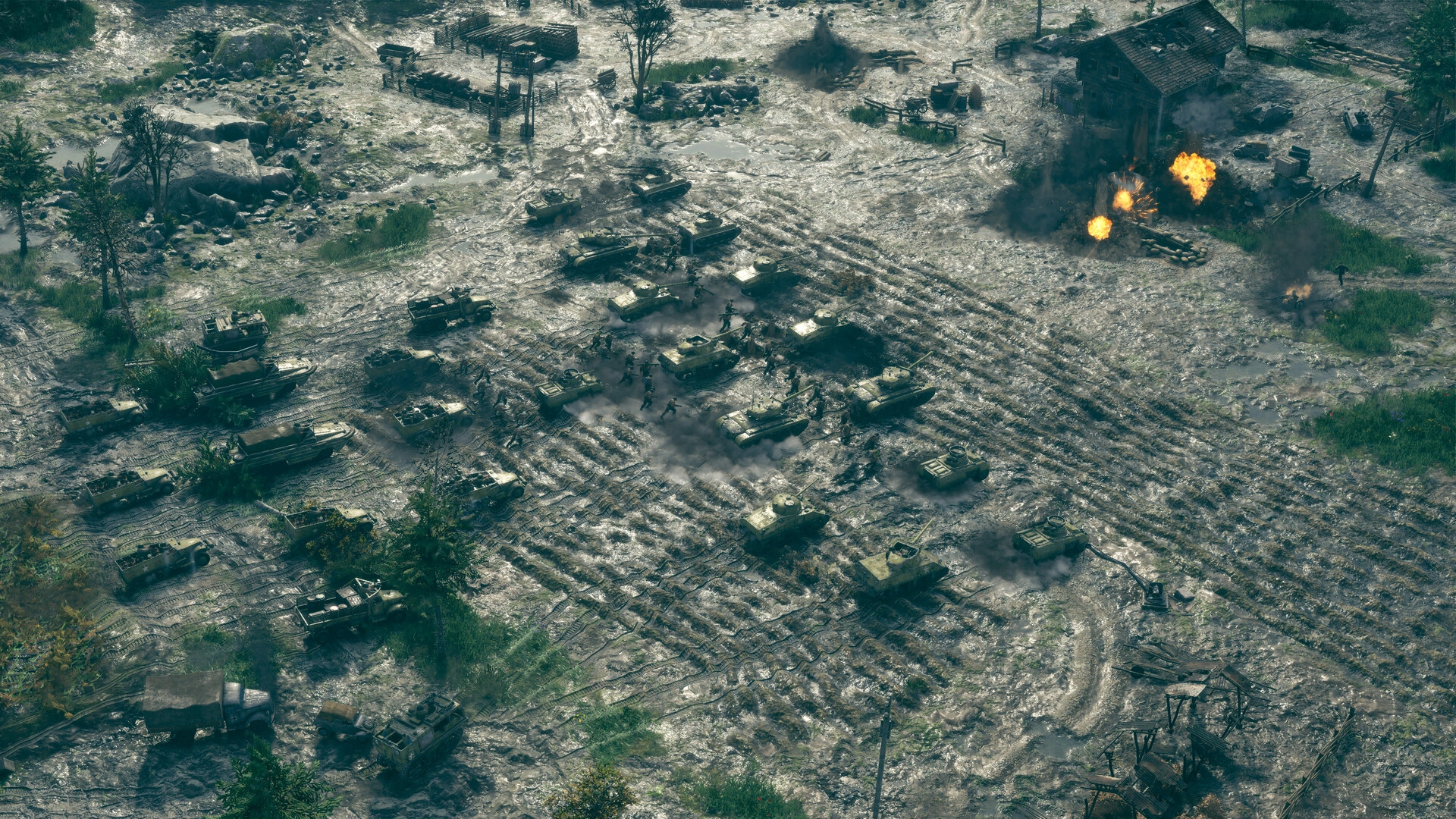
Prestige functions as the in-game currency to summon reinforcements or deploy special actions, such as supply planes, fighter support, bombers, or additional ground units. Access is tied to controlled locations like airports or naval ports. Resource and unit management is critical: tanks and heavy vehicles consume large portions of unit caps, requiring balance with infantry, artillery, anti-air units, and support vehicles.
Infantry is fragile, buildings provide temporary cover but can collapse, and powerful units like the German 88mm gun create significant tactical obstacles. Systems such as Tactical Pause, Smart Squads, smart formations, secondary unit abilities, unit capture, and long-range artillery streamline complex maneuvers and reduce micromanagement, letting players focus on battlefield decision-making.
Presentation, Controls, Performance, and Weaknesses
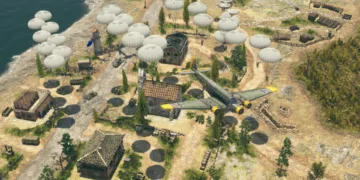
Sudden Strike 5 delivers detailed battlefields with forests, rivers, wheat fields, destroyed cities, military installations, bridges, and open kill zones. Terrain influences engagements, offering cover, line-of-sight obstruction, and positional advantage.
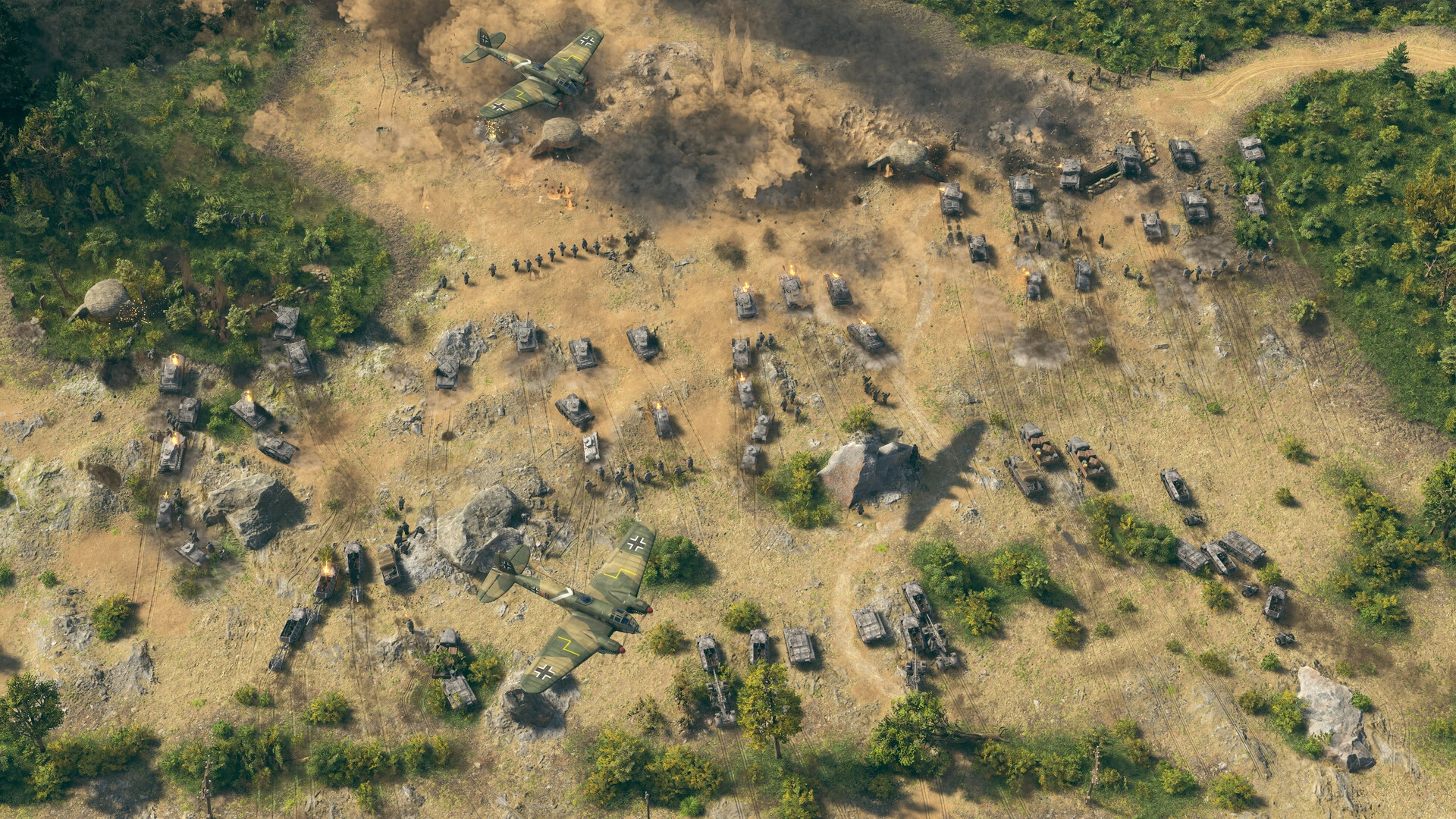
Explosions, destructible buildings, and detailed unit animations enhance visual feedback. Audio complements visuals with engine sounds, environmental effects, and combat cues, though improvements from the previous entry are moderate.
Controls provide precision and flexibility. On PC, WASD camera panning and drag-based formations improve unit coordination. Smart Squad functionality allows rapid grouping of mixed units. On PlayStation 5, analog sticks control camera movement, buttons issue commands, L1 chains orders, and graphics options include capped 30 FPS, unlocked with Vsync, or unlocked without Vsync.
Notable weaknesses include the lack of an interactive tutorial, default unit selection behavior that may frustrate players, and UI quirks such as information overriding when hovering over enemies. Individual unit unloading from buildings or trenches is cumbersome.
Multiplayer content is limited, with only two modes and two maps each. Performance is generally solid, though large-scale battles can tax hardware. Despite these flaws, the game provides a tactically rich and accessible real-time strategy experience, blending historical fidelity with meaningful player choice.
The Review
Sudden Strike 5
Sudden Strike 5 delivers a focused, tactically rich World War II RTS experience. Its combination of historical maps, diverse units, and meaningful commander choices makes every engagement feel consequential. Mission design encourages multiple approaches, while logistics, terrain, and reinforcements add strategic depth. Minor UI quirks and limited multiplayer do not significantly detract from the single-player experience. Players who enjoy careful planning, adaptable strategies, and detailed battlefield management will find this a satisfying continuation of the series.
PROS
- Deep tactical gameplay with meaningful unit and commander choices
- Large, historically inspired maps with varied terrain and objectives
- Innovative systems like Smart Squads, Tactical Pause, and Doctrines
- Detailed audiovisual presentation with destructible environments
- Sandbox-style missions allow multiple approaches
CONS
- UI can be unintuitive, including unit selection and minimap readability
- No interactive tutorial; hints only
- Individual unit control from buildings or trenches is cumbersome
- Multiplayer is limited, with only two modes and maps each
- Minor graphical updates from the previous entry