






















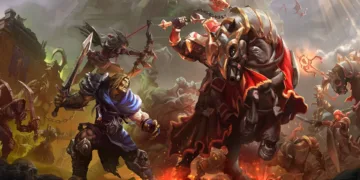



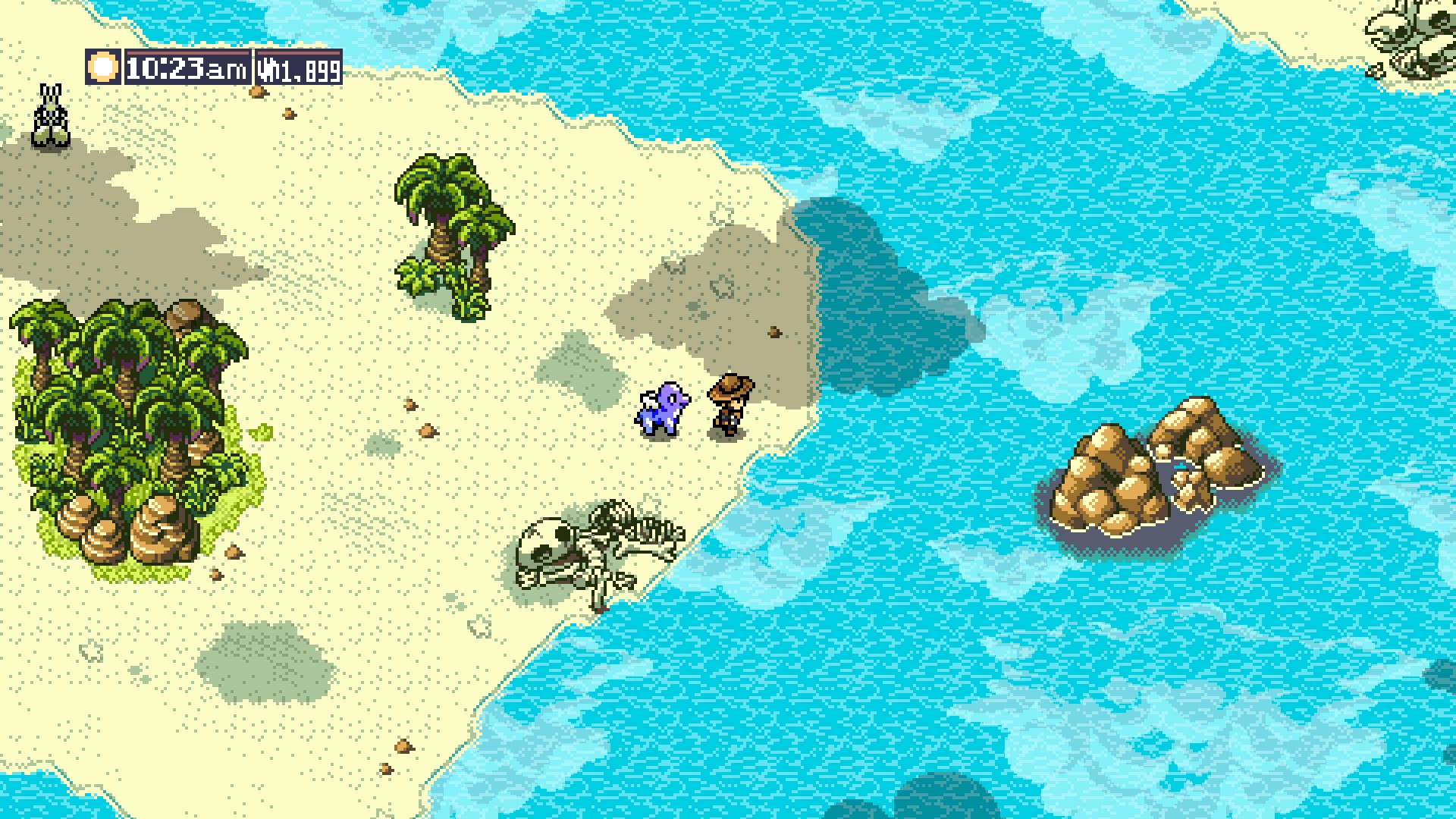

Monster Crown: Sin Eater picks up where its 2021 predecessor left off, offering a turn-based monster-catching experience aimed at players seeking a darker, more mature alternative to traditional Pokémon-style games. You assume the role of Asur, a humble farm boy whose life is upended when his older brother, Dyeus, is murdered at the hands of Lord Taishakuten’s enforcers. This inciting incident sets the stage for a journey of vengeance, self-discovery, and confrontation with the oppressive rulers of Crown Nation.
The game situates you in an open, non-linear world where exploration is rewarded. You can wander through diverse regions, take on optional dungeons, and confront bosses in the order of your choosing. The narrative is unflinching in its tone, presenting morally complex NPCs, swearing, and dark, sometimes violent events. Sin Eater maintains the charm of classic monster-collecting RPGs, but it pairs that charm with an atmosphere that feels more hostile and uncertain, making every encounter and decision resonate with consequence.
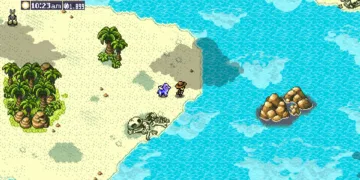
Aesthetic choices reinforce this mood. Sprites evoke the Game Boy Color era, but combat sequences feature enhanced animations that highlight attacks and monster abilities. The chiptune soundtrack blends whimsical melodies with darker, PS1-era JRPG motifs, reinforcing tension and pacing. From the outset, Sin Eater presents a world that is both familiar and unsettling, inviting players to navigate its challenges with curiosity and caution.
Narrative & Worldbuilding
At its core, Sin Eater is a story of revenge and upheaval. Asur’s quest drives you through a nation where power is concentrated in the hands of the Heavenly Kings and their cruel overseer, Lord Taishakuten. Supporting characters, particularly Dyeus, set the emotional stakes, while NPCs populate the world with branching dialogue that occasionally offers moral choice or insight into the oppressive social order. These interactions contribute to a sense of a living, reactive world.
The game explores dark themes rarely seen in monster-catching games. Government corruption, arbitrary cruelty, and personal tragedy shape the narrative tone. Scenes of violence and morally ambiguous decisions underscore a world that punishes recklessness and rewards strategic thinking. This tonal departure from more lighthearted entries in the genre gives the story weight and emotional resonance.
World design reinforces the narrative. Open-ended regions include towns, forests, and dangerous wilderness, with environmental puzzles such as climbing or water traversal. Optional dungeons offer powerful monsters, hidden treasures, and narrative hooks.
Non-linear exploration encourages discovery but occasionally leaves players uncertain about their next objective. Roaming monsters and NPC dialogue pools deepen immersion, creating a hostile, unpredictable environment. The story occasionally pushes into edgy content, yet these moments are integrated into gameplay mechanics and world interactions, ensuring that narrative and player action remain tightly interwoven.
Gameplay Mechanics & Systems
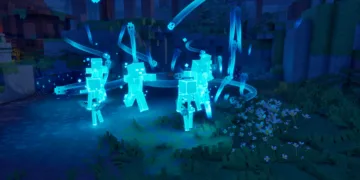
Combat in Sin Eater follows a turn-based, rock-paper-scissors framework with five move types and detailed interactions. Unlike traditional monster trainers, encounters are visible on the overworld map, allowing players to choose engagement or avoidance. The bait system provides tactical flexibility, letting you distract or coax monsters to improve capture chances.
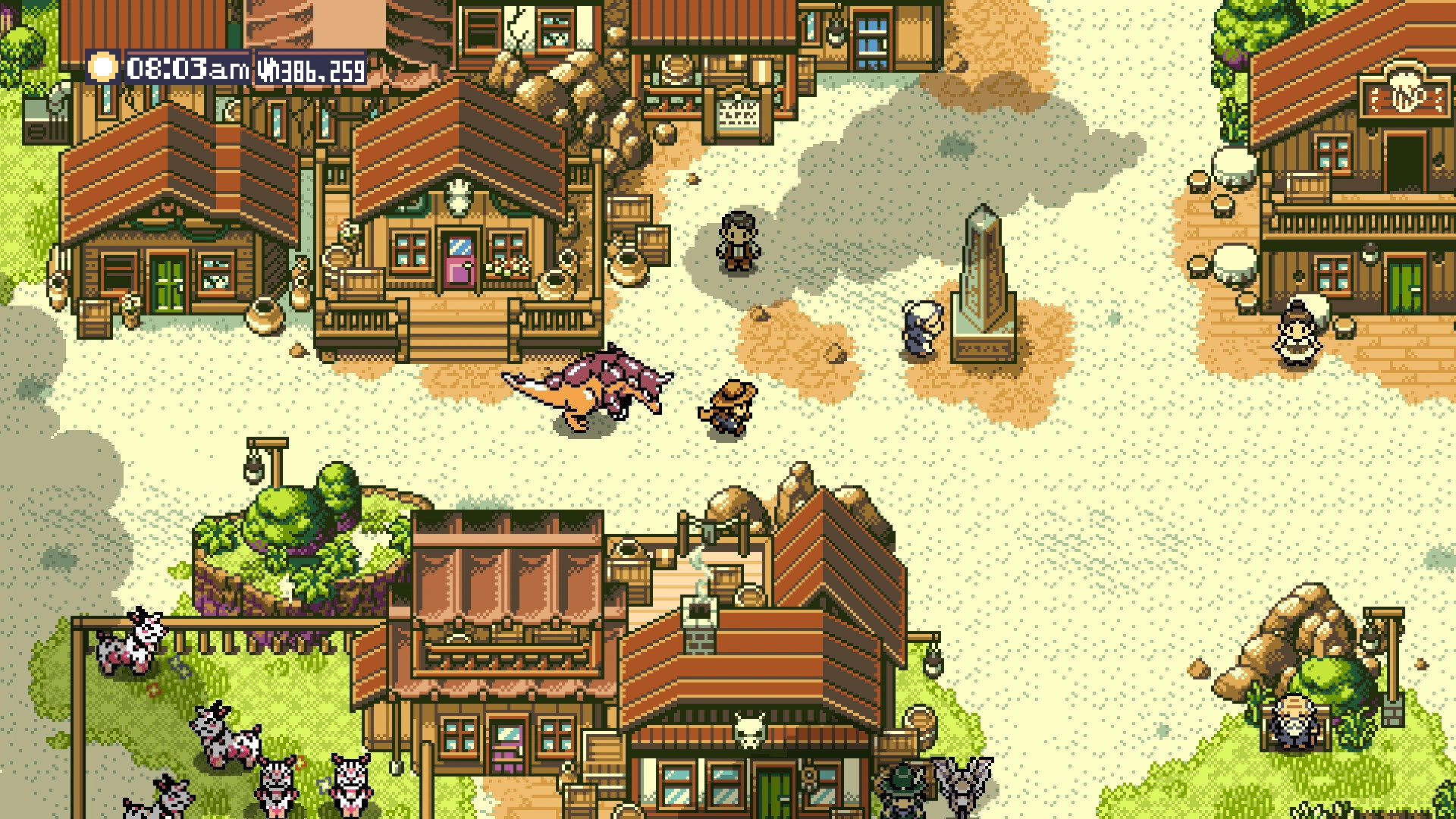
A defining feature is the Crown/Synergy system. Actions in combat fill a shared meter, which can be spent to enhance moves or trigger special transformations. This mechanic adds tension and strategic depth, forcing decisions about when to expend the bar for immediate advantage versus conserving it for later.
Monster diversity is central. Over 200 base creatures exist in multiple variations. Breeding and fusion allow for inheritance of stats, traits, and moves, facilitating careful optimization of party composition. Players must balance type distribution, move points, and elemental considerations to avoid resource depletion. The depth of these systems rewards experimentation, encouraging multiple strategies for different encounters.
Difficulty and progression reflect the open-world design. Without level scaling, high-level monsters can trivialize early encounters, but this also encourages strategic challenge, especially in boss battles or optional dungeons. Quest objectives, environmental puzzles, and hidden monsters intersect with combat systems, providing meaningful progression. Exploration, combat, and party management consistently reinforce narrative stakes, emphasizing the player’s growing power and mastery of Crown Nation’s world.
Visuals, Audio, & Presentation
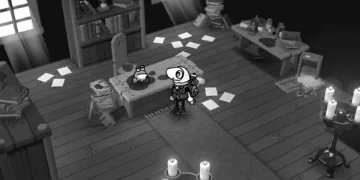
Sin Eater’s visual identity is rooted in retro aesthetics, channeling 8-bit and 16-bit sensibilities while incorporating modern enhancements. Towns, wilderness areas, and battle scenes display varied sprite complexity and detailed move animations, ensuring clarity and spectacle in combat. Visual cues indicate type advantages, monster abilities, and potential threats, integrating seamlessly with gameplay.
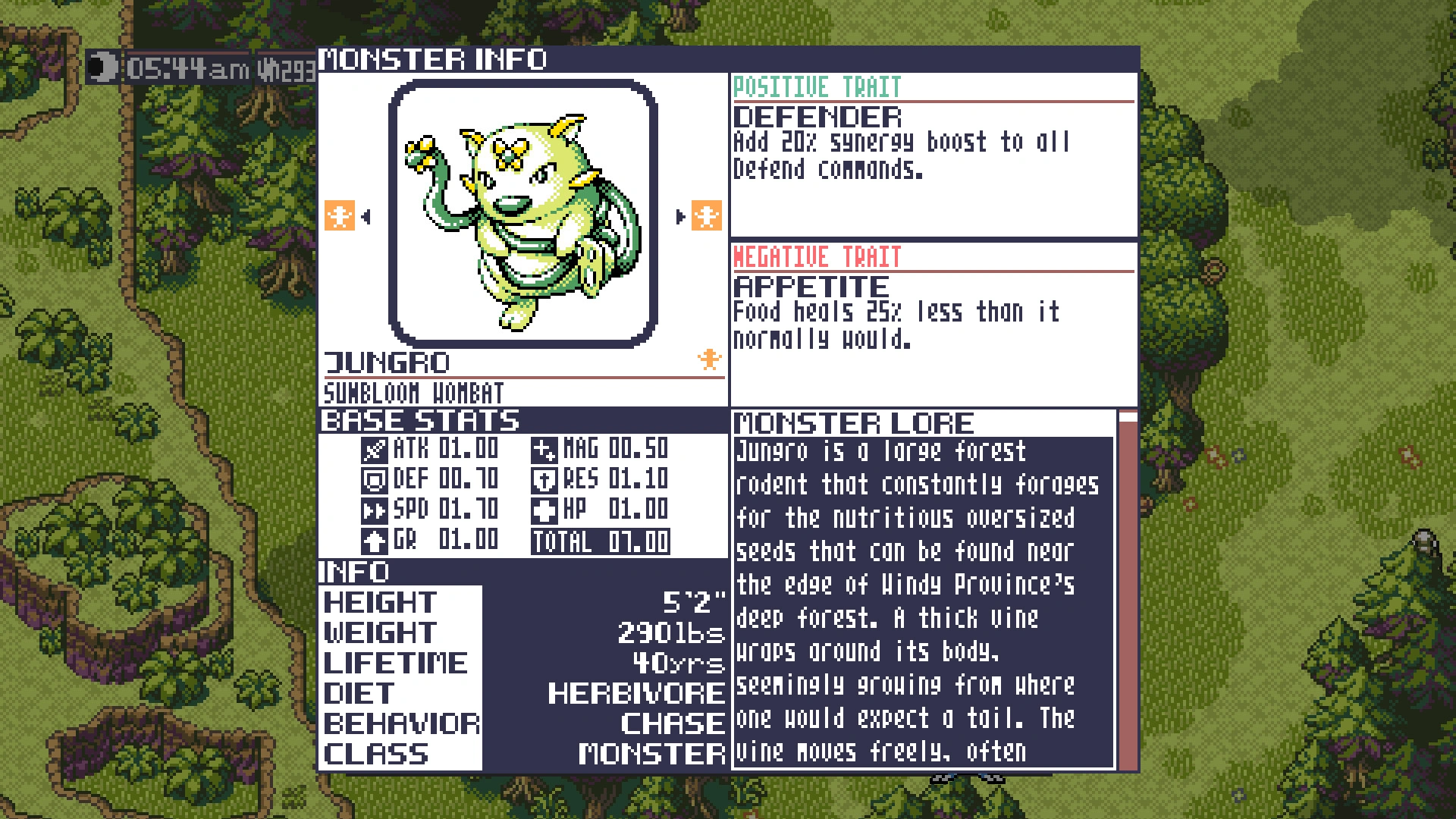
Monster design ranges from striking to conventional, with standout species demonstrating creativity while others feel derivative. Sprites effectively convey stats, traits, and elemental associations, supporting both strategy and immersion.
Audio design amplifies the game’s atmosphere. The chiptune soundtrack alternates between high-energy battle themes and moody environmental tracks, creating dynamic pacing and emotional resonance. Sound effects reinforce the impact of attacks, status changes, and environmental interactions, making each encounter feel tangible.
Presentation extends to UI and menus. Clear layouts and accessible controls facilitate inventory management, monster breeding, and combat choices. Overworld readability is enhanced with cues for monster behavior and interactable objects, complementing exploration without intruding on discovery. The integration of audio-visual elements with gameplay and story pacing shapes a cohesive experience, allowing retro visuals to feel vibrant and engaging in a modern context.
The Review
Monster Crown: Sin Eater
Monster Crown: Sin Eater delivers a compelling, darker take on the monster-catching genre. Its open-ended exploration, deep breeding and fusion mechanics, and emotionally charged narrative create a unique experience that rewards strategic play and curiosity. While the non-linear design can occasionally leave players directionless and some monster designs feel uneven, the game’s combat depth, retro-inspired visuals, and evocative soundtrack make it a standout indie RPG. Sin Eater succeeds in balancing nostalgic charm with mature storytelling, offering a memorable journey for those willing to embrace its challenges.
PROS
- Deep monster breeding and fusion system
- Engaging, mature narrative with dark themes
- Turn-based combat with strategic Crown/Synergy mechanics
- Open-world exploration with optional dungeons and bosses
- Retro-inspired visuals and chiptune soundtrack
CONS
- Non-linear progression can feel confusing
- Difficulty spikes without level scaling
- Some monster designs are uninspired
- Initial world guidance is minimal