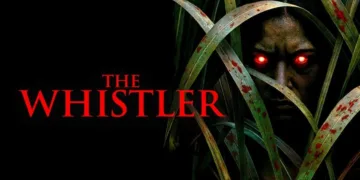






















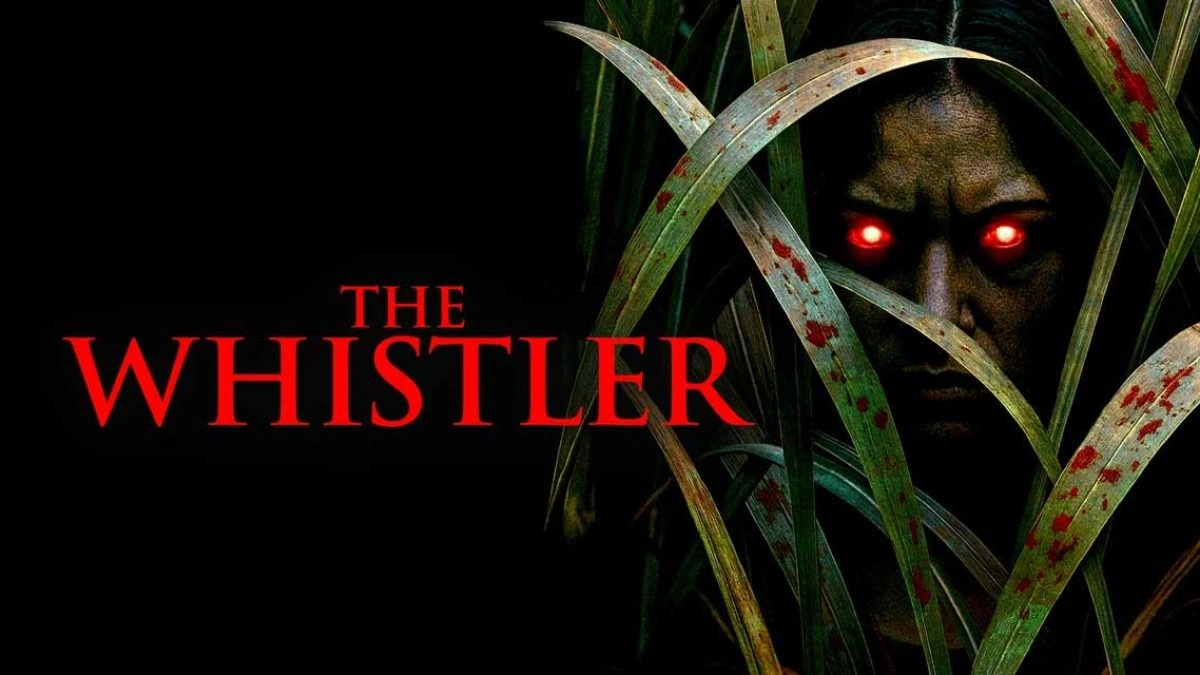
Diego Velasco’s The Whistler plants its horror in rural Venezuela, where sugarcane fields, family inheritance, and spiritual belief form a tense triangle around one grieving couple. Nicole and Sebastian arrive from the United States after the death of Sebastian’s father, Vicente, whose farm carries far heavier baggage than funeral arrangements and property paperwork. The land is tied to the María Lionza belief system, a spiritual tradition presented here through possession rituals, communal devotion, and fear of a deadly entity known as the whistler.
The timing of the visit deepens the unease. Nicole and Sebastian are still mourning their young daughter, Dani, and the farm becomes a place where grief looks for a language. Sebastian sees practical problems: his mother Isabel, the future of the estate, squatters on the land, and the possibility of selling everything.
Nicole sees signs, voices, and a fragile chance to reach the child she lost. That divide gives the film its sharpest tension, placing modern displacement against inherited belief, and private sorrow against forces that feel older than the family itself.
Story, Character Conflict, and the Pull of the Dead
The Whistler works best when grief drives the story rather than the mechanics of the haunting. Nicole’s longing to hear Dani again makes her choices emotionally legible, even when the film pushes her toward dangerous ground.
Diane Guerrero gives Nicole a raw, wounded focus, and that performance fills in some of the character’s thinner writing. Nicole can feel narrowly defined by loss, yet Guerrero keeps her from becoming a flat emblem of trauma. Her face carries the exhaustion of someone searching for permission to believe the impossible.
Sebastian functions as her counterweight. Juan Pablo Raba plays him as a man trying to turn crisis into logistics: bury the father, handle the farm, convince Isabel to leave, and remove the squatters who complicate any sale. His return to Venezuela places him between two worlds, one built around American reinvention and one rooted in land, obligation, and local memory. The film uses that split well. Nicole moves toward ritual and spiritual possibility, while Sebastian moves toward ownership, control, and suspicion.
Isabel gives the farm emotional weight. She resists leaving because the land is home, not a commodity waiting for a buyer. Petra, meanwhile, becomes a useful bridge between workers, hidden loyalties, and the rituals that Nicole slowly begins to understand. The plotting can feel choppy, with exposition arriving in heavy blocks and some motivations left cloudy early on. Still, the film finds its strongest pulse in the dangerous comfort of believing the dead might answer back.
Folk Horror Atmosphere, Ritual, and Visual Texture
The film’s richest material lies in its atmosphere. Velasco treats the sugarcane fields as a living maze, a place where vision is limited, sound travels strangely, and the land seems to be listening. Cane fires send ash through the air like a warning from the earth itself. Smoke, candlelight, lamplight, deep shadow, and oppressive heat give the film a tactile quality that many supernatural horror films chase with far less patience.
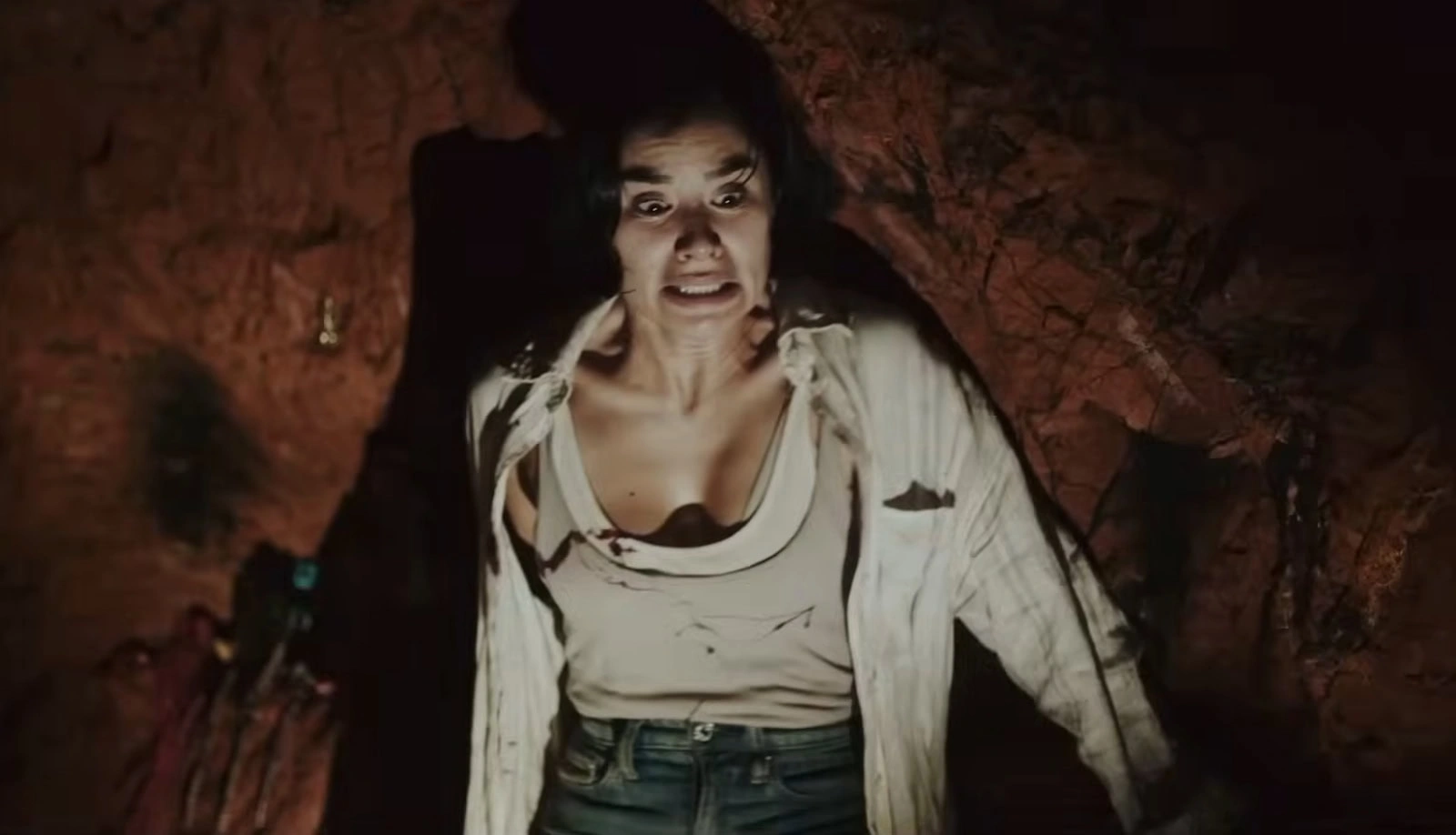
The rural setting matters because it is cut off from easy rescue. Power outages, poverty, failing infrastructure, and spiritual practice shape the farm’s daily reality. This isolation gives The Whistler its folk horror identity. The rituals feel physical and communal rather than decorative.
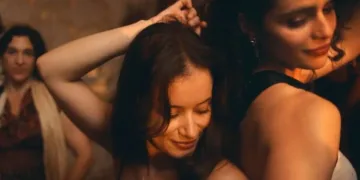
Bodies shake, candles burn, voices shift, and belief moves through the scene with a force that feels tied to place. The film is at its most convincing when it lets these ceremonies breathe, allowing the horror to grow from performance, rhythm, and cultural specificity.
The whistle itself is a fine horror device. It is simple, almost childlike, which makes it more unnerving. A sound in the dark becomes a threat, then a prophecy. The film uses gore with restraint, saving violence for moments that puncture the slow-burn mood.
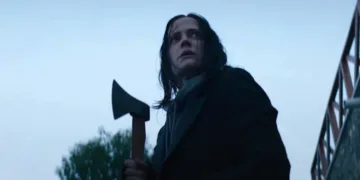
Its weakest images come when the entity is treated like a conventional monster. Some attack scenes fall into familiar staging, with frightened victims wandering through darkness before a sudden strike. The world surrounding the whistler is far scarier than the figure itself.
Themes, Social Undercurrents, and Genre Execution
Beneath its supernatural surface, The Whistler is a film about scarcity, inheritance, and the stories people turn to when institutions fail them. The squatters on the Castillo land are framed through conflict, yet their presence carries social weight. Poverty, limited healthcare, unstable living conditions, and displacement press against the haunting, making the spirit feel like an expression of a damaged world rather than an isolated curse.
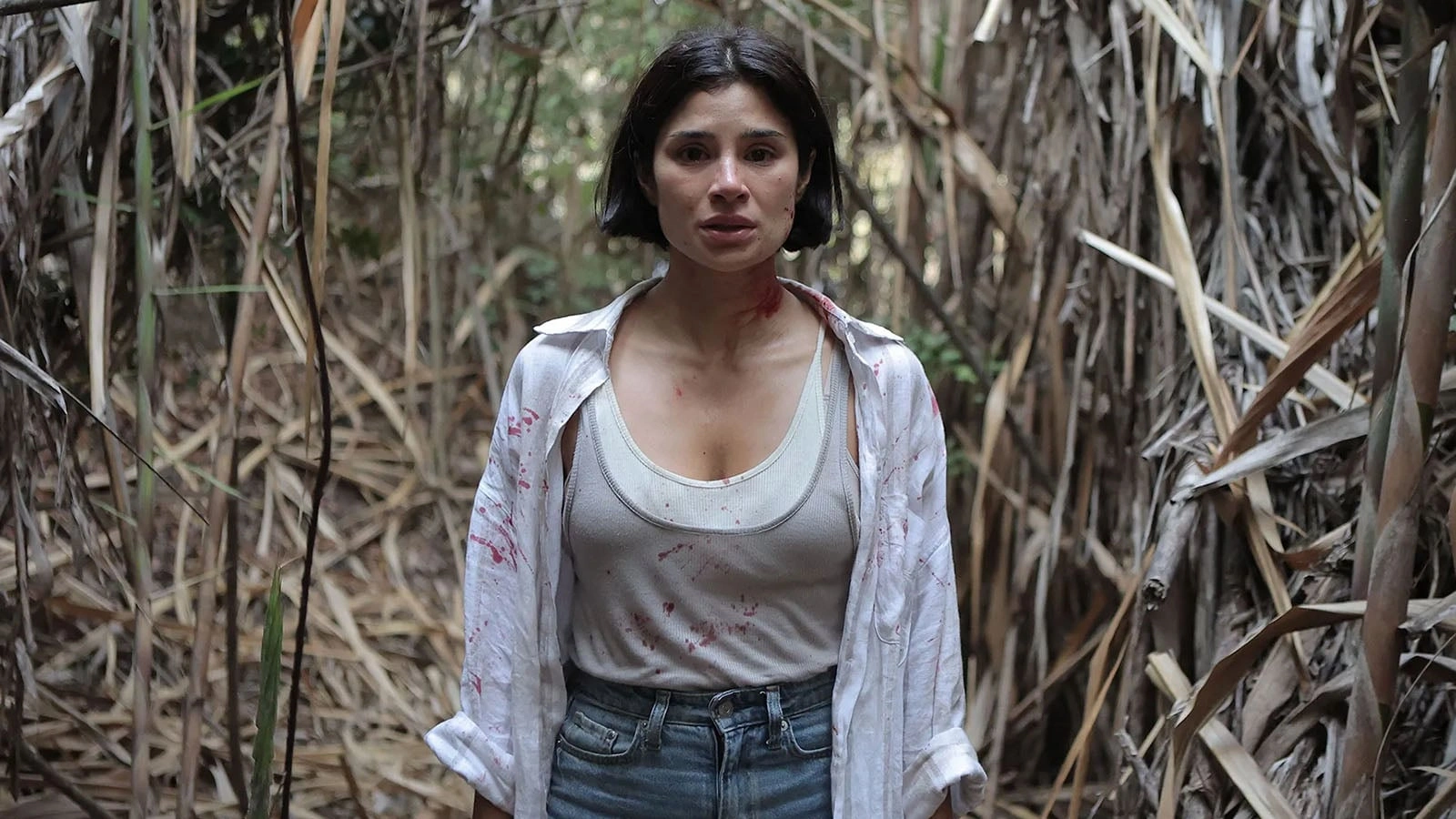
The María Lionza material gives the film a cultural texture that may challenge viewers used to folk horror filtered through European villages or North American backwoods mythology. Here, belief is tied to survival. Ritual becomes a way of speaking to grief, injustice, and hunger for protection.
The whistler itself can be read as a force of betrayal and greed, one that strips from people who already have little left to lose. That makes the horror feel morally charged, even when the screenplay does not always sharpen its ideas.
The film also uses familiar grief-horror patterns. Nicole’s temptation to contact Dani recalls a long line of stories about mourning turning into invitation. What gives The Whistler its identity is the Venezuelan setting, the María Lionza framework, and the way family property becomes a battlefield between tradition and escape.
Its pacing is uneven, and the final stretch leans toward safer supernatural beats. Still, its mournful tone, regional specificity, and ritual imagery give it enough texture to remain memorable, even when its antagonist cannot match the dread of the world around it.
The Whistler is an atmospheric folk horror feature film that rolled out to select AMC theatres and major video-on-demand networks on April 17, 2026. Directed by Diego Velasco, the narrative updates the chilling South American folklore of El Silbón (The Whistler)—a legendary spirit whose haunting whistling grows louder the further away he stands. The plot follows a grieving couple, Nicole and Sebastian, who relocate to a secluded rural sugarcane farm following the loss of their daughter. Rather than finding a quiet sanctuary to process their sorrow, they uncover a mysterious local cult capable of communicating across the spiritual plane, triggering a terrifying descent into psychological grief and supernatural vulnerability. Audiences looking for a slow-burning thriller can rent or buy the independent film digitally on Apple TV and Amazon Prime Video.
Where to Watch The Whistler (2026) Online









Full Credits
Title: The Whistler
Distributor: Hideout Pictures, Open Studios, AMC Theatres
Release date: April 17, 2026
Rating: R
Running time: 96 minutes
Director: Diego Velasco
Writers: Nacho Palacios, Carolina Paiz, Diego Velasco, Esteban Orozco
Producers and Executive Producers: Margaret Miller, Trevor O’Neil, Diego Velasco, Diane Guerrero, Juan Pablo Raba, Carolina Paiz, Shannon Houchins, Noor Ahmed, Potsy Ponciroli
Cast: Diane Guerrero, Juan Pablo Raba, Indhira Serrano, Laureano Olivares, Laura Sofía Domínguez, Diego Landaeta, Norberto Rivera, Samantha Chaverra
Director of Photography (Cinematographer): Camilo Monsalve
Editors: Otto Scheuren
Composer: Freddy Sheinfeld
The Review
The Whistler
The Whistler is a somber folk horror that marries Venezuelan spiritual tradition with grief-driven storytelling. Its greatest strengths lie in atmosphere, ritualistic imagery, and Diane Guerrero’s emotionally charged performance. The sugarcane fields, candlelit ceremonies, and cultural specificity give the film a haunting, tangible texture. Plot pacing and the supernatural antagonist falter at times, and some exposition arrives unevenly. Despite these flaws, the film offers a thoughtful, immersive exploration of mourning, belief, and inherited responsibility, providing a cross-cultural folk horror experience that lingers beyond its runtime.
PROS
- Rich, culturally grounded folk horror setting
- Strong lead performance by Diane Guerrero
- Rituals and ceremonies visually and emotionally compelling
- Atmosphere enhanced by smoke, candlelight, and oppressive heat
- Themes of grief, loss, and belief woven into the story
CONS
- Uneven pacing with blocky exposition
- Supernatural antagonist lacks consistent menace
- Plot can feel derivative in later stages
- Supporting characters sometimes underdeveloped
- Some death scenes follow familiar horror tropes