







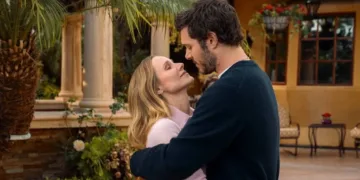
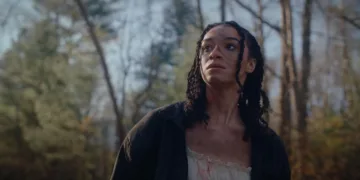

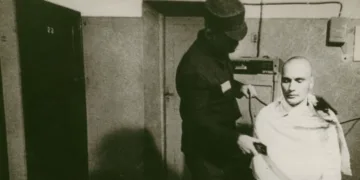










Professional sport has spent decades teaching audiences to read victory through money, rankings, and spectacle. The four Irish clubs in Try! propose a poorer, funnier, and far more humane vocabulary. Players travel long distances, train in borrowed spaces, collect funds through icy sea dips, and arrive in Pamplona carrying the pride of communities that rarely appear in televised sport.
Oisín Mistéil follows Sunday’s Well Rebels, Ballincollig Trailblazers, DLSP Vikings, and Malone Tornadoes during the 250 days before the 2025 Mixed Ability Rugby World Cup. Mixed ability rugby places players with and without physical or learning disabilities on the same full-contact pitch. Uncontested scrums and rolling substitutions widen participation, while the tackles remain real enough to leave bruises.
The Irish setting matters. Club rugby here functions as social infrastructure, closer to a local pub, parish hall, and family network than the polished international game. Pamplona gives the film an international destination, but its emotional geography is built in Cork, Dublin, Wexford, and Belfast.
Players Before Categories
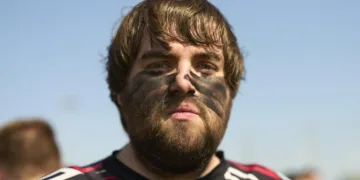
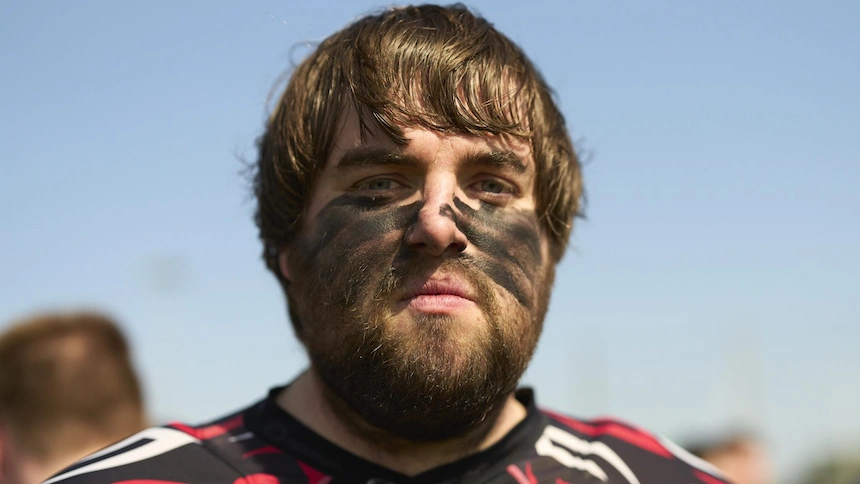
Mistéil introduces Richie Philpott through ritual rather than diagnosis. The Sunday’s Well loosehead prop paints his face before matches and arrives with a boom box strapped to his body, announcing competitive intent before he says a word. His swagger gives the film an early jolt because inclusion has not softened his desire to win. He wants the trophy. Nobody asks him to apologise for that.
Maeve Owens brings a different form of intensity. At home, she balances on a bench and throws a rugby ball against a wall, turning spare moments into training. Her December sea-swimming fundraiser with the Ballincollig Trailblazers makes preparation feel communal, cold, and slightly mad in the recognisably Irish fashion of charity endurance. When Maeve is named captain, Mistéil avoids swelling the scene into manufactured triumph. Her later response to a heavy tackle, “I’m made of tough stuff,” lands because the film has already shown the work behind the statement.
Tommy Crawford’s garden shed, fitted out like a private shebeen, becomes the Malone Tornadoes’ unofficial clubhouse. Drinks and jokes sit beside his frank discussion of depression, including the fear of becoming a burden. Paul Deacon, meanwhile, travels from County Wexford to train with the Dublin-based Vikings, a team that has spent five years without a competitive victory. His poetry and attention to industrial landscapes reveal a sensibility the sports-film template might have missed.
The Scoreboard Loses Authority
Keith Walsh’s editing repeatedly cuts away from conventional sporting payoff. A successful phase matters less than the hand slaps that follow it. A tackle is followed by teammates checking on the player who absorbed it. Coaches demand effort without speaking down to anyone, and the training-ground swearing gives their care a welcome rough edge.
This choice keeps the documentary close to the players, yet it also makes the rugby difficult to read. Early matches are filmed from limited sideline positions, with little explanation of tactics, scoring, or positional play. Viewers unfamiliar with rugby may understand the emotional stakes while remaining unsure why possession changed or why a particular move succeeded. Pamplona brings stronger coverage and a larger visual field, but Mistéil still prefers faces in the crowd to diagrams on a screen.
The soundtrack sometimes presses feelings that are already clear. HousePlants’ “No Stopping Me” and Susan O’Neill’s “Now You See It” fit the film’s optimism, though the participants rarely need musical assistance. Maeve shaking off a tackle, Paul describing isolation, and Tommy speaking about worth are persuasive on their own.
A World Cup Without a Fortress
Pamplona, hot at 38°C, shifts the four teams into an international gathering where rugby’s national traditions meet a shared idea of access. The tournament scenes include singing, Guinness, nerves, and competitive frustration, but the event never becomes a fortress separating winners from everyone else. Richie’s hunger for another title sits comfortably beside the Vikings’ pleasure in simply being present.
That balance gives Try! its strongest cultural argument. Global sport often sells belonging as something earned through elite performance, national selection, or purchasing power. Mixed ability rugby begins from the opposite position: belonging is the condition that makes performance possible. The distinction is political, even when Mistéil keeps the film cheerful.
His restraint also leaves gaps. The documentary says little about the movement’s history, club funding, recruitment, facilities, or the obstacles preventing Paul’s wish for a team in every Irish town from becoming ordinary reality. Disability access and mental health appear through intimate testimony, then remain inside the featured clubs. Paul’s wish sounds simple. Building the world it imagines would require the institutions outside Mistéil’s frame to start paying attention.
The documentary Try! premiered on July 10, 2026, at the Town Hall Theatre as part of the Galway Film Fleadh festival. Further information regarding wider release platforms or streaming availability is currently limited as the project was showcased primarily within the festival circuit.
Full Credits
Title: Try!
Distributor: Galway Film Fleadh
Release date: July 10, 2026
Running time: 88 minutes
Director: Oisín Mistéil
Writers: Oisín Mistéil
The Review
Try!
Try! presents mixed ability rugby as a quiet rebuke to professional sport’s fixation on prestige, money, and hierarchy. Through Richie’s war paint, Maeve’s relentless training, Tommy’s garden-shed gatherings, and Paul’s long journeys to practice, Oisín Mistéil shows Irish club culture becoming a shared language across disability and social isolation. The limited attention paid to funding, access, and the movement’s international growth leaves its cultural argument unfinished. Its players carry that argument through every tackle, joke, and post-match drink.
PROS
- Warm, individual player portraits
- Respectful treatment of disability
- Intimate team interactions
- Lively, attentive editing
- Strong communal perspective
CONS
- Limited sporting context
- Rugby tactics remain unclear
- Social issues need deeper examination
- Music occasionally overstates emotion