























Margit is still one of Elden Ring’s smartest design decisions. Reach him too early and he can dismantle a fresh Tarnished in seconds, yet the game does not trap you in a progression funnel. You can walk away, summon Torrent, ride into Limgrave, clear a cave, improve a weapon, find an Ash of War, gain several levels, then return with an entirely different answer to the same problem.
That relationship between failure and exploration is what separates Elden Ring from most open-world RPGs. Difficulty acts as information. The Tree Sentinel teaches the lesson almost immediately: seeing an enemy does not mean the game expects you to defeat it now. Sites of Grace point toward major objectives, but their guidance never removes the option to chase a ruined tower, investigate an elevator, or follow a road until it becomes something stranger.
The structure works because exploration keeps feeding the combat system. A detour might produce smithing materials, a spell, a talisman, or a weapon that changes your character completely. Even small catacombs earn their place through that loop. Their layouts are compact, their ambushes frequently cruel, and their bosses can be modest by FromSoftware standards, yet the reward usually gives the player a reason to experiment.
Legacy Dungeons operate on a different scale. Here Elden Ring reconnects with the tightly authored spaces of Dark Souls, using layered paths, enemy placement, shortcuts, and major bosses to turn navigation into another form of combat pressure.
Builds That Bend Without Breaking
Character progression remains deceptively simple. Enemies provide runes, runes increase attributes, and those attributes determine which weapons, spells, and strategies your Tarnished can support. Death risks those accumulated runes, keeping even routine exploration tense when you are carrying enough currency for another level.
Ashes of War give that familiar Souls framework much greater flexibility. Applying one can change a weapon skill while altering how the weapon scales from attributes. That means finding a sword you enjoy using does not automatically condemn it once your build develops in another direction. Equipment becomes something to tune rather than repeatedly replace.
Also Read




The system matters because Elden Ring encourages experimentation everywhere else. A player struggling with Margit might return with stronger equipment, a Spirit Ash, a different weapon affinity, or simply several hours of practice. Each solution emerges from systems already operating across the rest of the world.
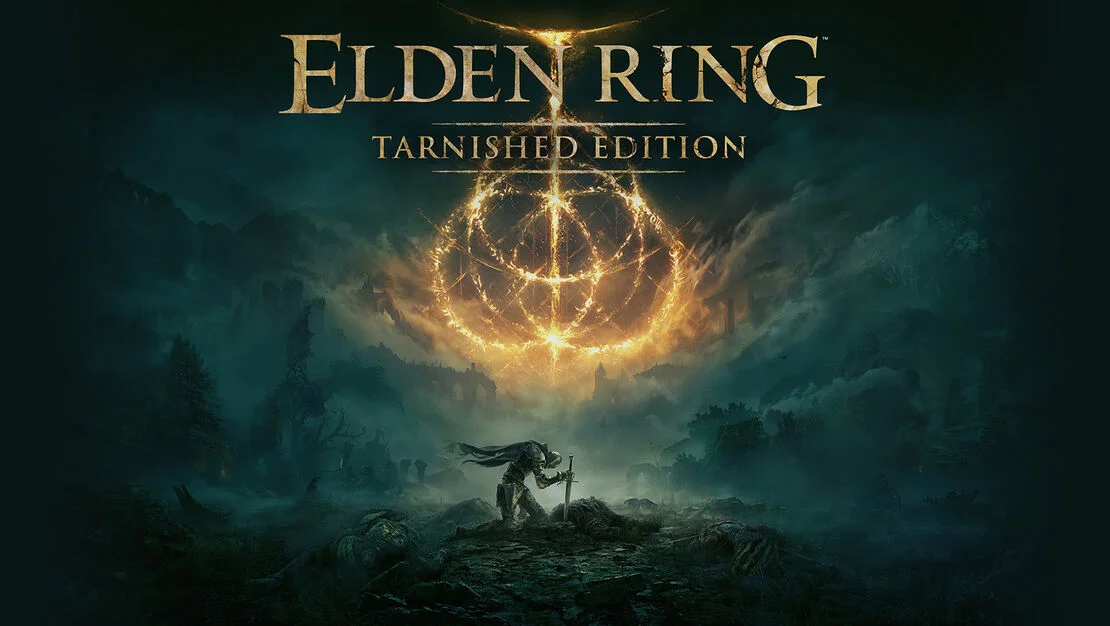
The Tarnished Edition adds Heavy Knight and Idus Knight to the starting roster. Heavy Knight provides another natural route into strength-focused play, while Idus Knight begins with a Light Greatsword and stat distribution that immediately opens different build possibilities. Starting classes eventually become templates rather than permanent identities, yet both give returning players new opening routes through familiar territory.
Torrent remains equally important. Mounted combat changes spacing against field bosses, lets you disengage from attacks that would be harder to escape on foot, and gives open-world encounters a rhythm the enclosed fights cannot reproduce. Better still, the lack of a fog wall sometimes gives you the most useful tactical option in any Souls game: leave.
The Realm of Shadow
Including Shadow of the Erdtree turns Tarnished Edition into an enormous package. The Realm of Shadow takes the base game’s exploration loop and compresses it into a denser, vertically layered space where paths fold above and beneath each other far more aggressively than much of the Lands Between.
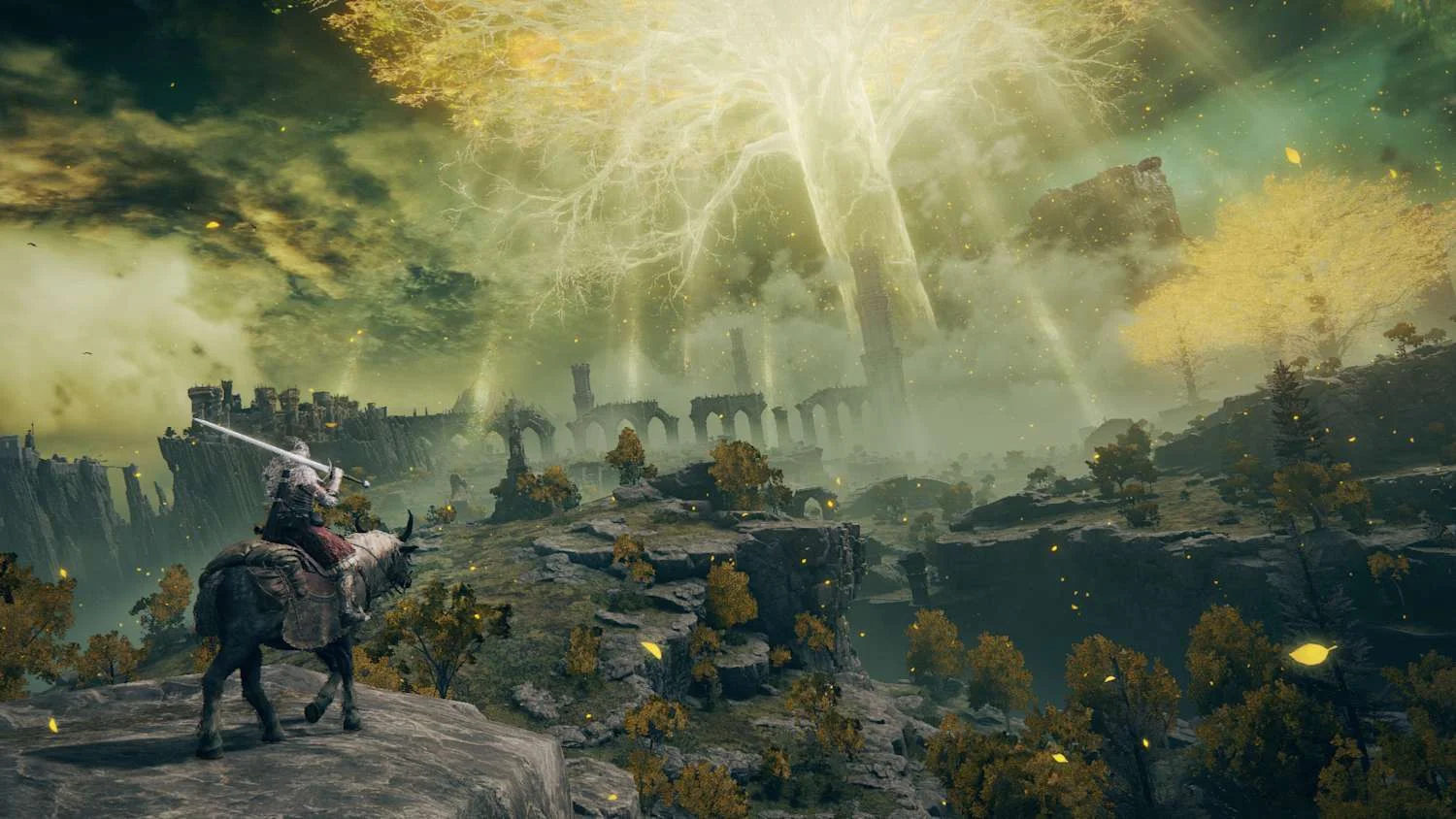
Its difficulty assumes a capable late-game character. Scadutree Fragments provide a separate progression track, strengthening the player inside the expansion and creating another reason to search carefully before repeatedly throwing yourself against a boss.
New weapon categories, equipment, and encounters prevent the expansion from feeling like a simple extension of familiar content. It asks experienced players to reconsider habits formed across dozens of hours, which is exactly what worthwhile endgame material should do.
The difference between this and many bundled “complete editions” is mechanical relevance. Shadow of the Erdtree gives a developed build fresh problems rather than supplying a victory lap.
The Price of Portability
Switch 2 cannot erase the hardware gap between Nintendo’s system and a PS5, Xbox Series X, or capable PC. Tarnished Edition targets 30fps in handheld and docked modes, and that reduction is immediately noticeable if you have spent significant time playing Elden Ring at 60fps. Dodge timing feels a little heavier, camera movement loses fluidity, and a game already demanding precision becomes slightly less forgiving.
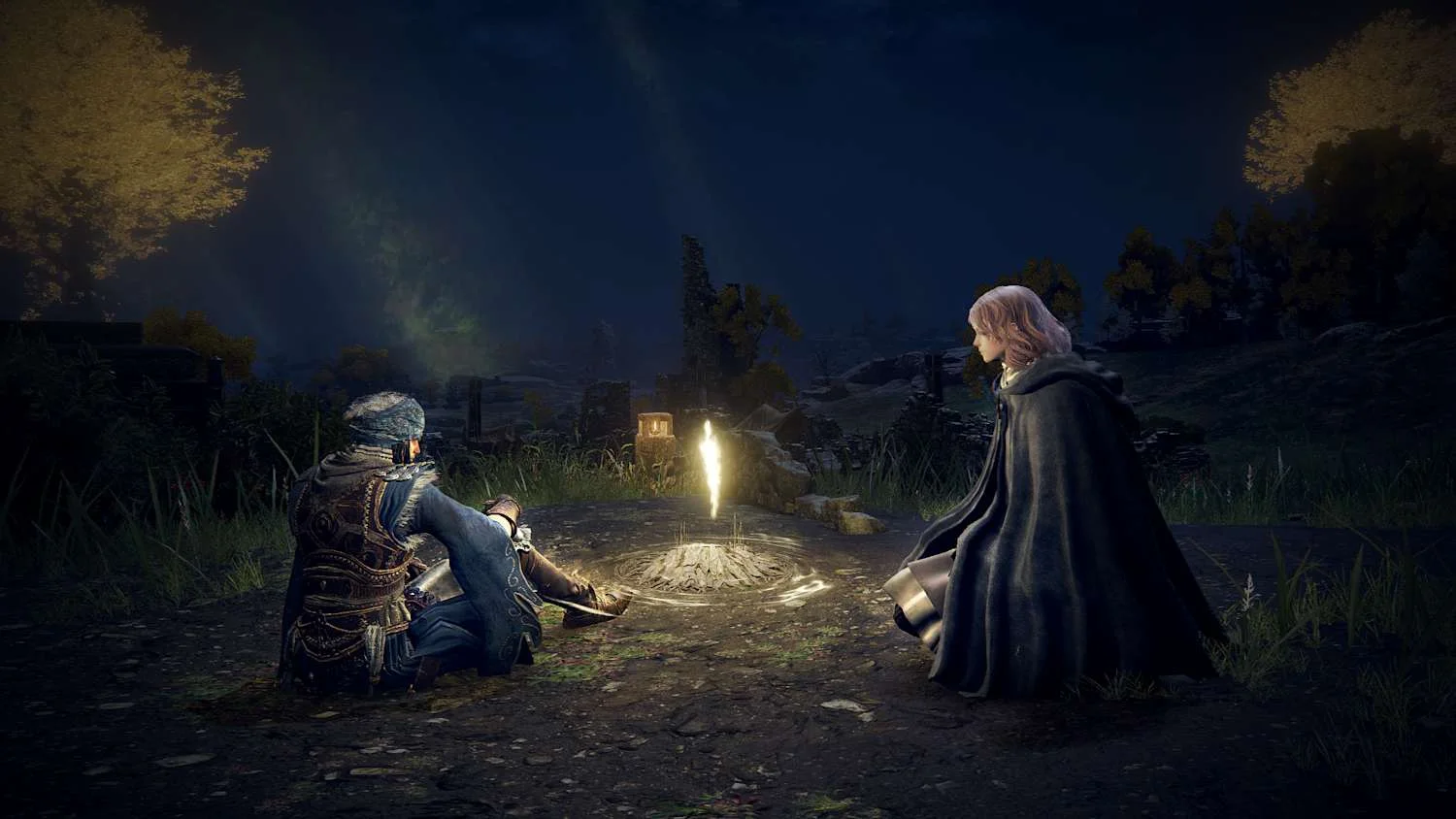
Performance usually stays close to its target, with occasional stutters appearing during demanding open-world moments. Draw distance has been reduced, distant objects can pop into view, and upscaling sometimes produces shimmer or softer edges. Docked play exposes those compromises most clearly on a larger display.
Handheld mode suits the port far better. The smaller screen disguises some visual reductions, while the ability to clear a dungeon, grind runes, or investigate another corner of the map without committing to a television session fits Elden Ring surprisingly well.
Most importantly, the technical cuts rarely interfere with the game’s systems. Combat remains readable, exploration remains unrestricted, and discoveries retain their scale. Descending through an unassuming elevator into a vast underground region beneath a false night sky still works because the surprise comes from spatial design before resolution counts enter the conversation.
Players already accustomed to cleaner visuals and twice the frame rate have little reason to treat Switch 2 as the definitive version. For newcomers, the equation changes completely. Tarnished Edition preserves the systems that made Elden Ring exceptional, puts Shadow of the Erdtree beside them, and makes Nintendo’s hardware bend around the game rather than forcing the game to shrink around the hardware.
The Review
Elden Ring: Tarnished Edition
Elden Ring’s systems survive the move to Switch 2 remarkably well. Exploration still turns failed boss attempts into productive detours, Ashes of War keep build experimentation flexible, and Shadow of the Erdtree effectively doubles down on everything the base game does best. The 30fps target makes combat less responsive than on stronger hardware, while pop-in, softer docked visuals, and occasional stutters reveal the cost of portability. Handheld play makes those sacrifices easier to accept. For newcomers especially, this remains an extraordinary RPG with very few mechanical compromises where they matter.
PROS
- Exceptionally rewarding exploration
- Flexible character building
- Excellent combat encounters
- Shadow of the Erdtree included
- Strong handheld experience
CONS
- 30fps limits responsiveness
- Softer docked image
- Occasional pop-in and stutters