

























The original Aliens: Fireteam Elite found a specific place within the Alien franchise. It was not trying to recreate the isolation and dread of Alien: Isolation. It wanted to be a cooperative version of Aliens, where a group of Colonial Marines pushed through hostile environments while a flood of Xenomorphs crashed into their defenses. Aliens: Fireteam Elite 2 understands that foundation and expands several parts of it, though it rarely changes the formula that made the first game feel limited.
Set five years after the previous game, the sequel sends Colonial Marines to LV-558, a mining planet suffering from another Weyland-Yutani-related disaster. The campaign follows a familiar path through abandoned facilities, research areas, and Xenomorph nests as the squad investigates the outbreak and moves toward a confrontation with the Xenomorph Queen. The structure feels like a natural continuation of the first game, carrying forward the same fascination with corporate experiments and biological threats.
The story does its job as a framework for combat, but it does not reach the richer ideas found in other Alien stories. The franchise has often used the Xenomorph as a way to explore corporate greed, survival, and humanity’s attempts to control forces it cannot understand. Here, those ideas remain in the background while the Marines move from one firefight to the next. The dialogue leans heavily into military jokes and familiar action phrases, creating characters who feel like mission markers with voices attached.
Four Marines Change the Battlefield
The biggest structural improvement comes from the expanded squad system. The first Fireteam Elite placed three players together, while the sequel allows four Marines to enter battle. That extra position creates new combinations between classes and makes team planning feel more important.
The class lineup has been adjusted with roles such as Duelist, Machinist, Hunter, Medic, and Marauder. Each one changes the flow of combat through specific abilities. The Marauder’s Smart Gun creates a direct connection to the Aliens film legacy, while support-focused classes can keep a team alive during overwhelming encounters. The unlockable Specialist class adds another incentive for returning players by combining abilities from different roles.
Weapon customization follows the same philosophy. The sequel does not rebuild the arsenal from the ground up, but it gives players stronger reasons to experiment. Different upgrades, perks, and consumable options make each loadout feel suited to a particular mission or difficulty level. A player who prefers heavy weapons approaches a battlefield differently from someone relying on support abilities or precision attacks.
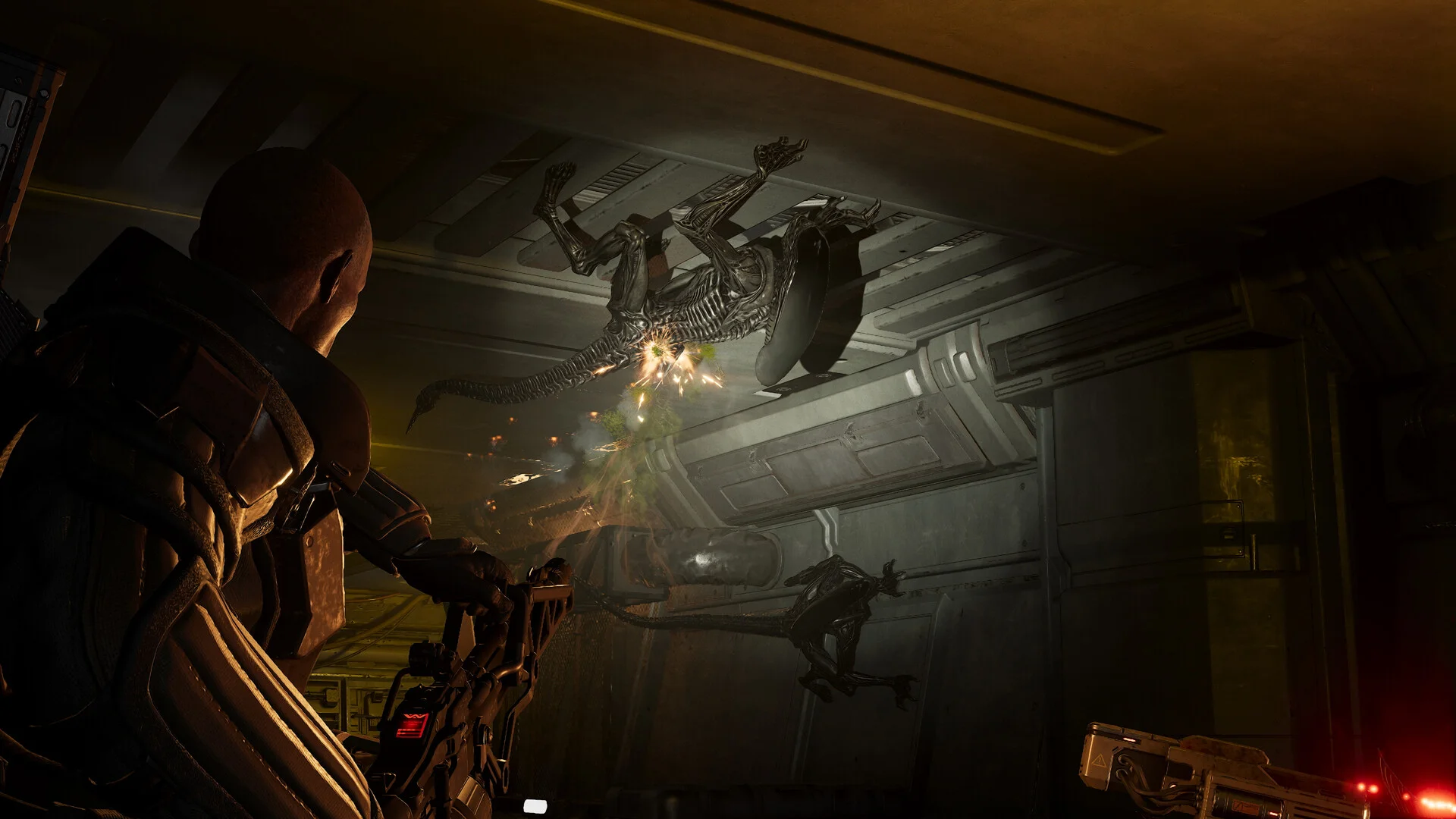
This is where Fireteam Elite 2 feels closest to its predecessor and where it improves most. The shooting remains satisfying because every weapon has weight. The sound of a rifle cutting through a swarm or a heavy weapon stopping a larger creature gives battles the expected Alien action feeling.
The Same Horde, The Same Rhythm
The problem is that the basic structure has not changed enough. Missions still revolve around moving through a location, triggering enemy waves, surviving the attack, and continuing forward. The first few hours benefit from the new enemy types and environments, but repetition appears quickly.
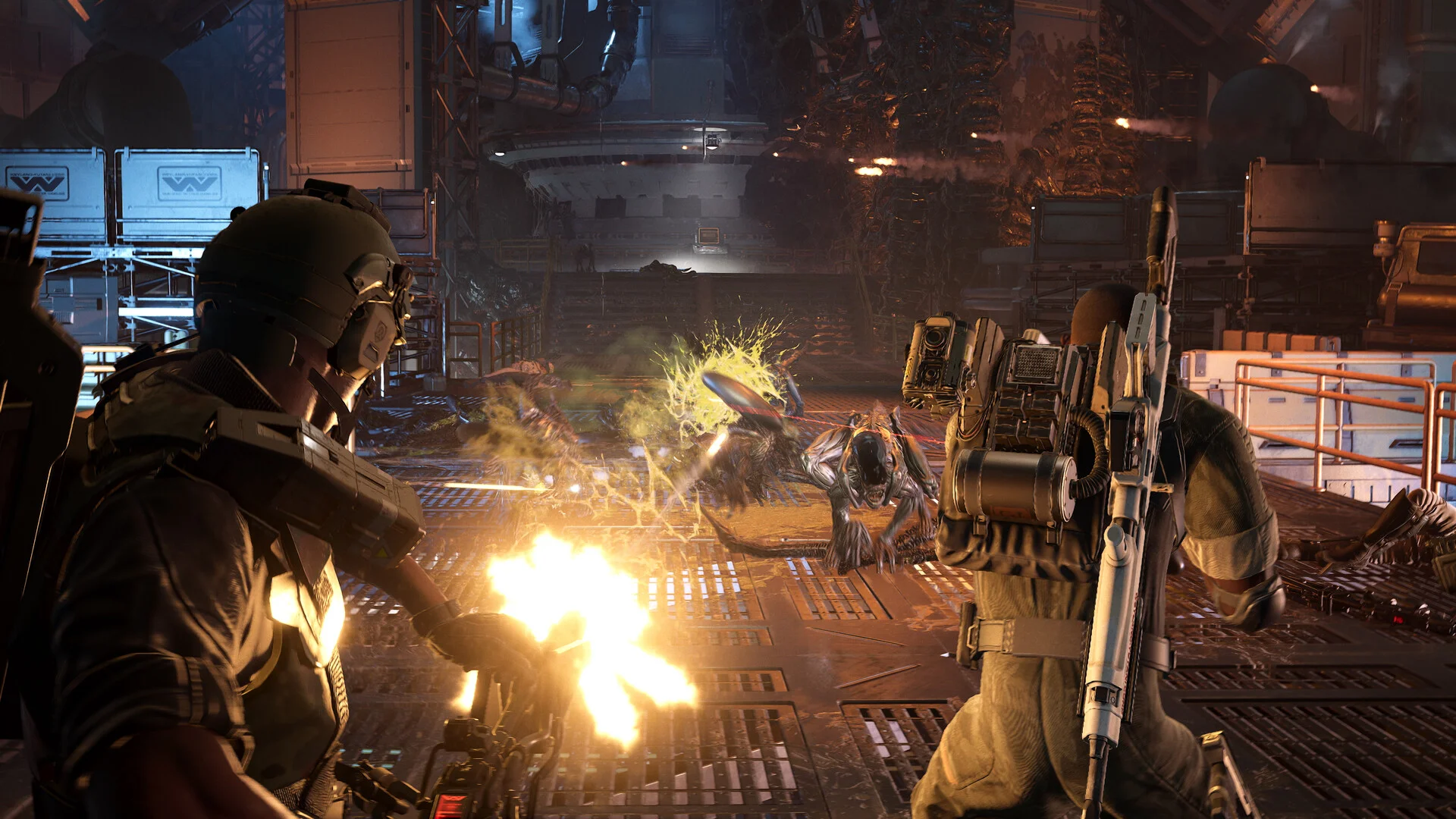
The expanded roster helps. New Xenomorph variants create different threats, while Pathogen Mutants and Weyland-Yutani android enemies add variety beyond the usual creatures. The strongest encounters come when the game introduces larger enemies that force players to rethink their approach. Finding the right weapon and class combination for each situation becomes one of the campaign’s best parts.
However, enemy variety cannot completely solve the predictable rhythm. Many encounters still rely on throwing large numbers of enemies at the squad. The Xenomorphs remain terrifying because of their speed and aggression, but their behavior rarely matches the intelligence associated with the franchise’s best creatures. They rush forward, absorb damage, and overwhelm through numbers.
Solo players also face the same challenge as the original game. AI companions can help complete missions, but they cannot recreate the teamwork that defines the experience. Fireteam Elite 2 was built around communication between players, and that remains the reason to return.
A Better Version of the Same Fireteam
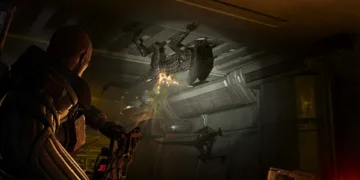
The move to Unreal Engine brings improvements to lighting, environmental detail, and atmospheric effects. The dark industrial corridors, fog-filled rooms, and damaged colonies capture the visual language of Alien well. The Xenomorph designs remain the highlight, while human characters suffer from less convincing facial animation and presentation.
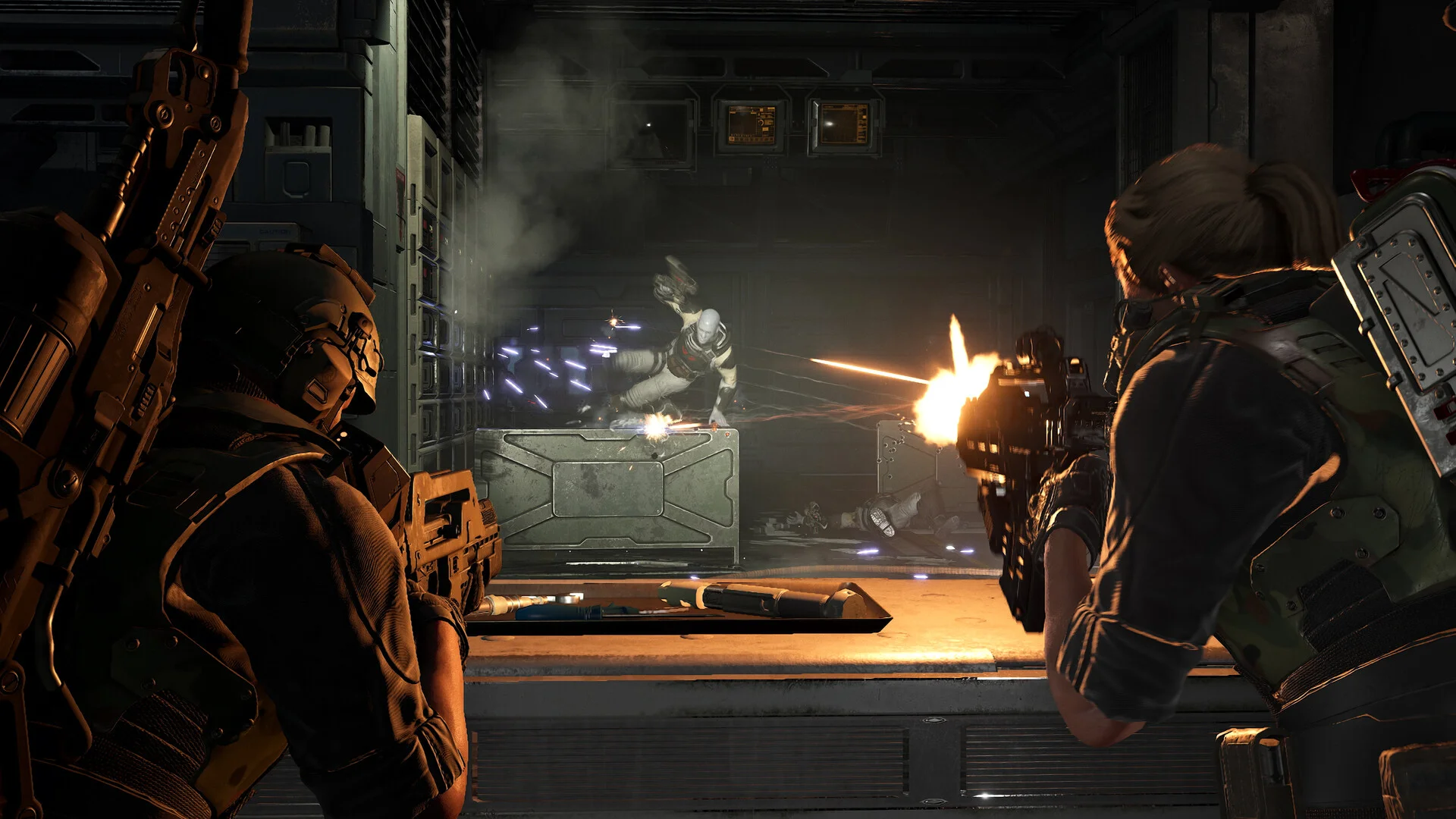
Sound design continues to carry much of the franchise identity. The creatures’ screams, weapon impacts, and mechanical environments create the expected tension during battles. Austin Wintory’s score adds another layer of urgency, though some musical choices do not always match the action on screen.
Additional modes such as Horde mode and Challenge Cards give players reasons to continue after finishing the campaign. These systems work best for groups that enjoy replaying missions with different builds and higher difficulties.
Aliens: Fireteam Elite 2 feels like a sequel made by a team that knows exactly why people enjoyed the first game. It adds a larger squad, stronger customization, and better enemy variety, yet it keeps the same limitations. Returning fans who wanted another cooperative Colonial Marine adventure will find one here. Players hoping for a major transformation of the series may still be waiting for the next deployment.
The Review
Aliens: Fireteam Elite 2
Aliens: Fireteam Elite 2 understands why the first game worked and expands the formula with stronger class variety, new enemy types, and smoother co-op systems. The sequel remains trapped by the same repetitive mission structure and shallow writing, making it a better version of the original rather than a defining step forward for the franchise. Fans with friends will find plenty to enjoy, while solo players will encounter the same limitations.
PROS
- Expanded Xenomorph variety
- Strong co-op combat
- Flexible class builds
- Improved customization
CONS
- Repetitive mission design
- Weak character writing
- Limited solo appeal
- Minor technical issues