

























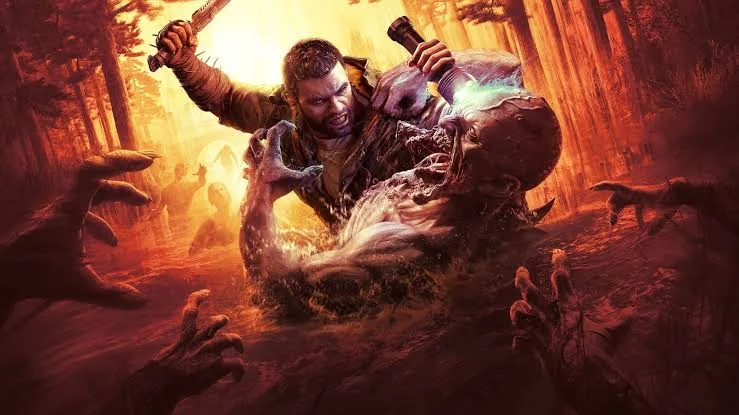

Killed infected stay dead, and looted containers stay empty. Restored Land applies persistence to both sides of Dying Light’s survival loop: the threats Kyle removes and the supplies he takes. Fighting through a location can make a later visit safer, but returning to its containers will not replenish the resources spent getting there. Every cleared building leaves two records of the player’s activity, one in the enemies missing from its surroundings, another in the cupboards already searched.
That changes the purpose of clearing Castor Woods. Farmhouses and lakeside pockets around the Farmlands and Villa areas can be left largely free of infected through repeated cleanup. Area threat indicators help players track that work, while map annotations provide a way to record unfinished locations and places already dealt with. These tools become useful because the territory retains the consequences of combat. A marked location can represent a lasting improvement to the routes available through the world.
Restored Land is a new solo survival mode within a wider update to Dying Light: The Beast, free for existing owners. Kyle’s campaign against the Baron remains the narrative foundation, including the experiments inflicted on him and the surrounding population.
Permanent enemy removal gives that struggle an effective mechanical expression. Helping Castor Woods becomes something players can accomplish between missions through the gradual reduction of danger. Survivor resettlement is the larger promise attached to reclamation, but the clearest achievement is the simpler one: enemies removed from an area remain absent. That gives the campaign’s efforts a practical continuity.
The design also changes how safety functions. An endlessly replenishing population keeps familiar routes dangerous, preserving reasons to climb, flee, and improvise. Permanent clearance allows sustained effort to reduce those demands.
The reward for fighting can therefore be a future opportunity to avoid fighting. That is a worthwhile exchange in a game whose layered towns and villages already encourage players to learn their surroundings. Knowledge of a route and work performed along it can contribute to the same growing sense of control.
Resource scarcity prevents that control from arriving cheaply. Loot is limited, shops carry reduced stocks, and rising prices make vendors an increasingly expensive answer to shortages. Hunger affects stamina, so neglecting food makes sprinting and climbing harder. Flashlight batteries add another preparation requirement.
These systems interact through movement: scavenging supports the stamina needed to explore, while exploration provides the supplies needed to keep scavenging and clearing infected. Choosing to search a location now means considering its value across a longer stretch of play, since its contents cannot simply be collected again later.
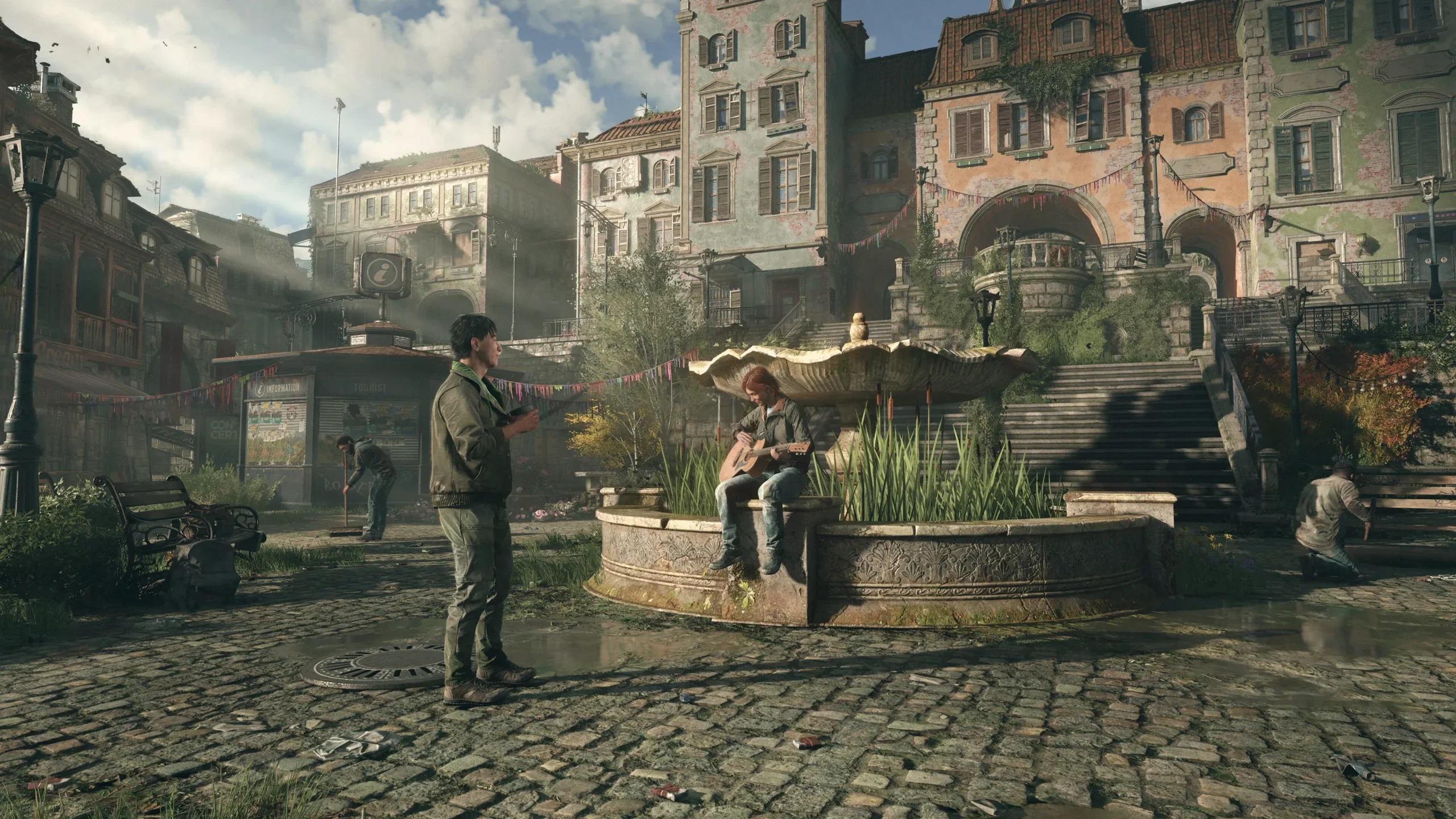
Hunger is also where the survival design creates its most awkward friction. Parkour makes movement through Castor Woods an activity worth enjoying for itself. Attaching stamina to food gives preparation a direct role in that movement, but it also allows routine maintenance to interrupt the game’s strongest rhythm.
A search for supplies can create a useful decision about where to go next. Repeated searches undertaken simply to keep climbing comfortably can feel like servicing an ability the player already understands. The important distinction lies in the decisions scarcity produces. A depleted meter establishes a demand; it takes an interesting choice about meeting that demand to justify the interruption.
The permanent loot rule makes those demands carry forward. A cleared location offers less danger and fewer remaining supplies, so reclaiming territory gradually changes what that territory can provide. This creates a credible long-term pressure without proving that a thorough player will inevitably exhaust the world or ruin a campaign. Survival and Brutal difficulty settings offer different levels of challenge, while optional permadeath puts an entire run behind a single life. The basic resource loop already creates lasting consequences. Permadeath raises the cost of failure within it.
The more restrictive choice concerns the rules players must accept together. Restored Land requires a fresh campaign and permits solo play only. Anyone interested in permanent enemy removal must also take on its survival requirements. There is no supported route here to clearing Castor Woods with friends while leaving hunger management aside. That matters because reclamation and scarcity offer distinct pleasures. The satisfaction of making a place safer can appeal to a player who has little interest in monitoring food or batteries.

Playing alone does strengthen personal responsibility. Supplies, preparation, and mistakes belong to one player, which gives each expedition a consistent source of tension. Yet persistent clearance would also make a natural shared objective: a group could return to an area and see the cumulative effect of its work.
The restriction closes off that possibility. For newcomers attracted to survival management, the mode offers a coherent basis for a first campaign. Returning players face a different calculation, since accessing these rules means repeating Kyle’s existing story. Familiarity with the map may help with planning, but it cannot remove the commitment of starting again.
The wider update provides reasons to return that require less investment. New weapons and finishers add combat variety, while Roadkill Rallies turn familiar terrain into a driving challenge. Racing a spiked vehicle toward the finish while hitting infected gives route knowledge a different application. Speed and destruction become competing priorities, and support for solo and cooperative play lets the activity fit around either kind of session. Its value comes from finding another use for Castor Woods rather than requiring another full campaign to reveal its purpose.
Standard co-op also gains improved loot, a ping system for coordination, and a player-history browser for reconnecting with previous companions. Those are practical additions to the process of finding a group and keeping it together.
Their availability makes the update useful beyond its demanding new mode, though free access cannot settle the question of how well hunger and permanent clearance work together. A returning group can communicate more easily and reconnect after a successful session. Taking that same group into a campaign where its cleanup efforts permanently reshape the map remains outside the available options.
The Review
Dying Light: The Beast Restored Land
Restored Land gives combat lasting purpose: clearing infected changes the territory Kyle can safely revisit, while finite supplies make exploration consequential. Hunger creates friction with the parkour, and bundling permanent clearance with solo survival rules limits the idea’s appeal. Roadkill Rallies and practical co-op improvements give the wider update value for players unwilling to restart the campaign. It is a thoughtful reworking of Castor Woods, with restrictions that leave some of its strongest possibilities unexplored.
PROS
- Permanent enemy removal makes territorial progress meaningful.
- Finite resources give exploration lasting consequences.
- Roadkill Rallies reward familiar map knowledge.
- Useful co-op coordination and reconnection tools.
CONS
- Hunger management can interrupt parkour.
- Persistent clearance excludes cooperative play.
- The new mode requires a fresh campaign.