






















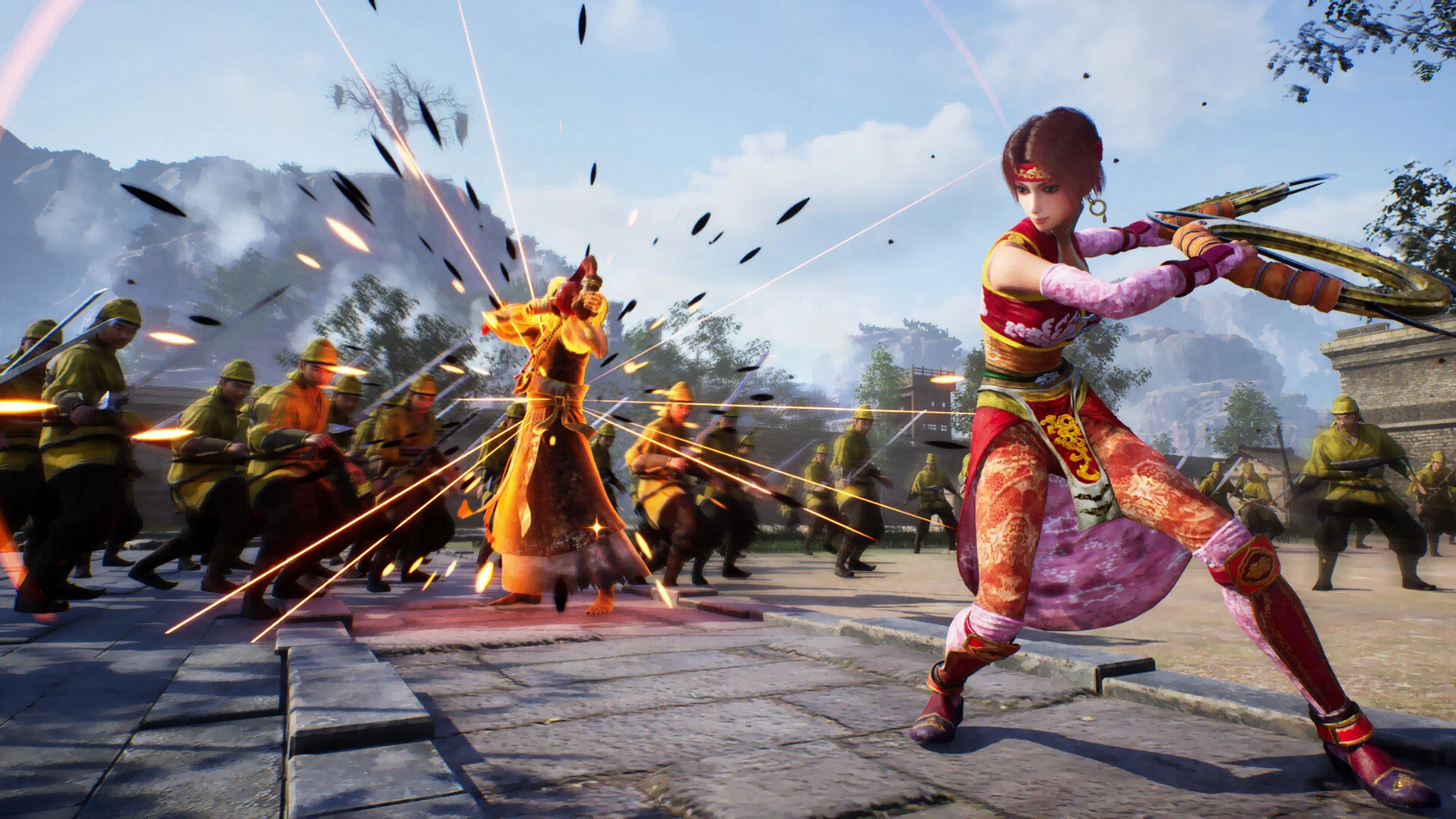
Returning to Dynasty Warriors 3 with a dodge button changes an old habit: committing to a combo no longer means waiting helplessly for an enemy officer’s response. Complete Edition Remastered lets you cancel attacks into a directional evade, creating room to reconsider an aggressive approach before it becomes a mistake. You can escape a crowded exchange or move toward another group while maintaining your combo. The attack animations remain familiar, but the decisions available during them have expanded.
That flexibility extends to perfect guards and perfect evades, though their strict timing makes them less immediately accommodating than the dodge itself. Crowded fights can obscure the instant an officer’s attack connects. The signals preceding charge attacks offer a clearer opportunity: interrupt the windup with your own attack, with the strengthened bow providing a useful option. Compared with the parrying in Dynasty Warriors: Origins, this feels like a smaller intervention in an older combat framework. It encourages you to stay involved in an exchange without replacing the underlying sequence of attacks.
Omega Force’s 2001 release already occupied an important position in the series. Dynasty Warriors 2 had established the battlefield action format; its successor expanded and refined that approach through additional characters and stages. This edition combines Dynasty Warriors 3 with Xtreme Legends, while allowing players to disable the new combat mechanics and select the original controls. That choice matters because the additions alter the vulnerability built into familiar encounters. Returning players can keep those constraints, while newcomers can approach the same campaigns with an extra means of responding.
The older battlefield design still asks for attention beyond the officer immediately in front of you. Ordinary soldiers provide recovery items and temporary benefits, while leaders can yield permanent improvements or weapons. Picking a target therefore affects both the current battle and the character you take into the next one. The minimap helps you identify nearby officers, judge enemy positions, and pursue objectives that influence your side’s fortunes. Repeating a familiar combo can be mechanically simple while deciding where to use it remains absorbing.
Archers make that distinction particularly clear. Their ability to interrupt attacks and eat through your health demands a change of priority, even when another enemy has already occupied your attention. A dodge gives you another response to pressure, but it cannot select the next target for you. The frustration comes when useful battlefield movement turns into an extended trip toward an isolated officer. These sprawling layouts can create meaningful choices about where to intervene, then leave long stretches with little to do after the choice has been made.
That produces two different kinds of pace. Brief narrative passages send you into combat quickly, and the game wastes little time between stages. Within those stages, however, empty travel and repeated encounters can slow everything down. Players arriving from Origins will notice the narrower movesets and simpler layouts, especially across consecutive battles. The new defensive options improve individual fights; the distance between those fights remains largely an inheritance from the original. Sudden difficulty spikes can make that inherited structure especially wearing when failure threatens to repeat the approach.
The progression changes address part of that cost. Weapon Fusion allows effects from unwanted equipment to pass onto a stronger weapon, giving an obsolete drop a purpose after its basic usefulness has expired. Instead of treating every replacement as a clean break, you can retain useful properties while improving the equipment carrying them. For players pursuing Chaos difficulty, that provides a practical reason to examine rewards carefully. It brings a later-series approach to equipment management into campaigns built around much older expectations.
Rare equipment hunts benefit from clearer organization too. Specific unlock requirements can be checked before a battle and through the Database, reducing the uncertainty surrounding a desired weapon or item. Mid-stage suspension accommodates longer sessions, while checkpoint-based retries make a failed attempt less punishing to repeat. These conveniences preserve the task while reducing some of the work surrounding it. A difficult acquisition can still demand the right performance, but learning it need not require replaying every preceding minute.
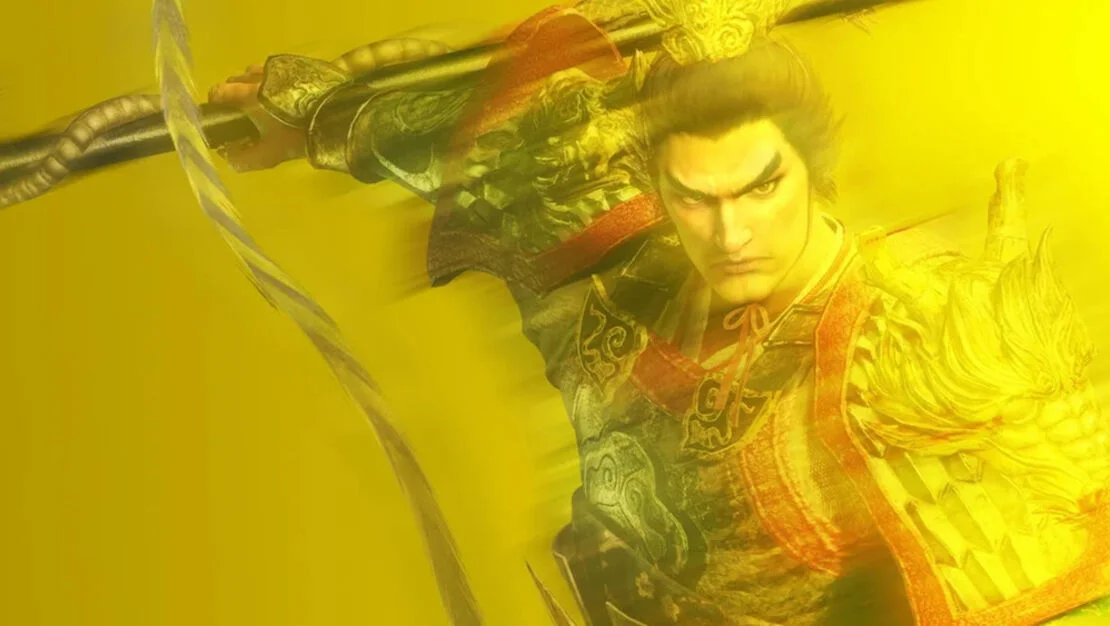
There is plenty to pursue. The initial nine officers expand into a roster exceeding forty, with Musou campaigns presenting the Romance of the Three Kingdoms material through figures including Zhao Yun and Lu Bu. Their weapons and movesets give familiar battles different handling, and the compact storytelling keeps those campaigns moving. Yet the overlap remains substantial. Unlocking another officer provides a fresh reason to return, without guaranteeing that the next campaign will feel fresh throughout. The appeal depends on enjoying refinement within repeated situations, particularly once the limited attack repertoire becomes second nature.
Free Mode supports that interest by letting unlocked characters return to available battlefields, while Challenge Mode offers narrower tasks away from campaign progression. Local split-screen co-op changes the use of the maps more directly. Two players can divide responsibilities and cover separate objectives, turning the question of where to go next into a shared decision. That gives the large battlefields another function: space that can feel laborious alone becomes territory to distribute between players. The same repeated stage can require a different allocation of attention.
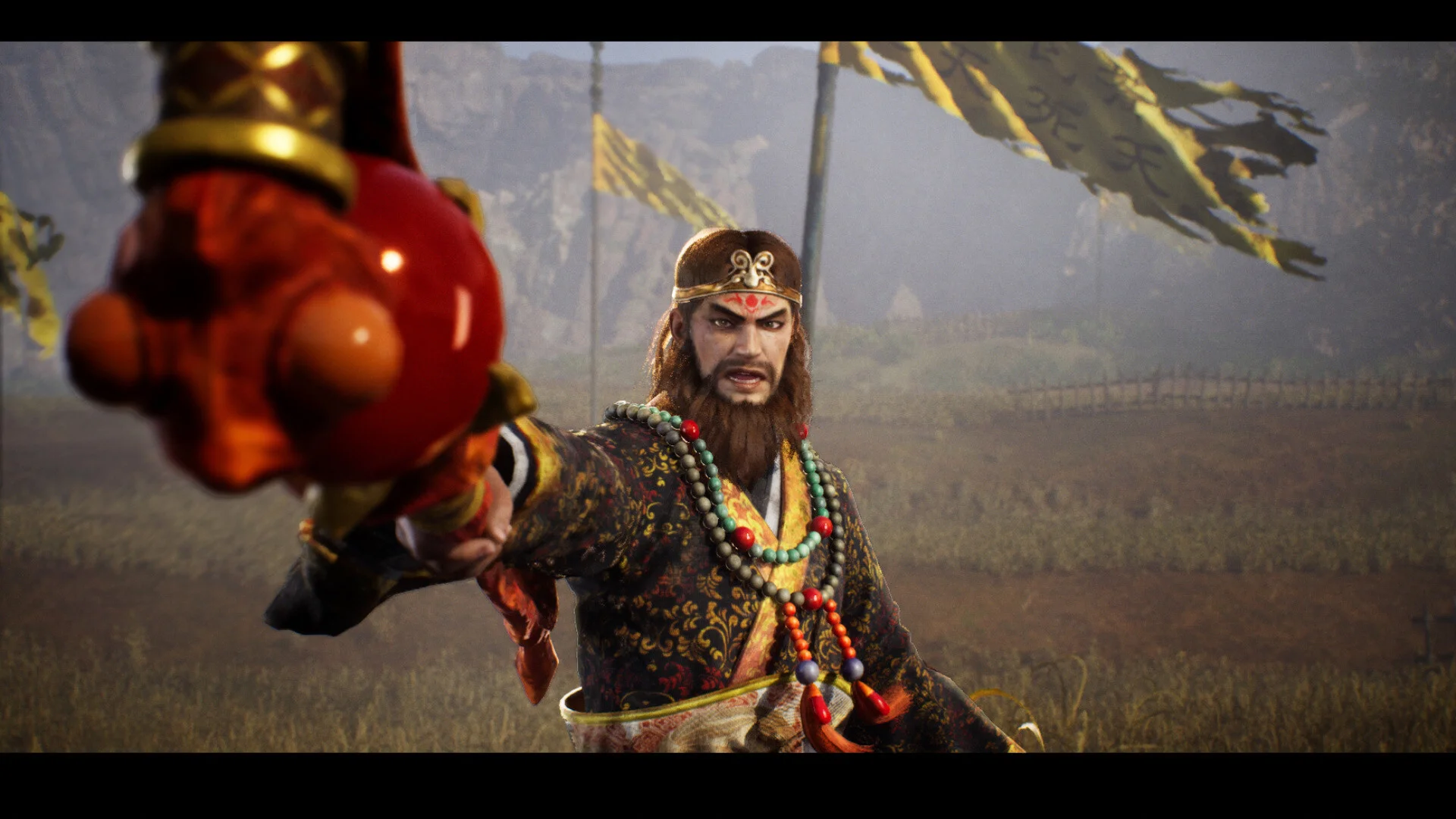
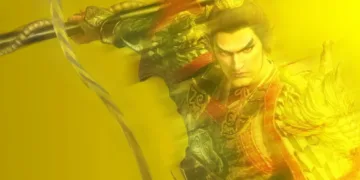
The visual reconstruction offers a separate reason to revisit those stages. Unreal Engine 5 brings detailed armor, improved lighting, weather, and richer surroundings to locations such as Hulao Gate and the Nanman battlefields. Original character models are available too, making the comparison unusually direct. The new designs retain recognizable silhouettes and costumes while replacing the angular construction beneath them. Older animations remain visible within that reconstruction, so a character can look substantially renewed while moving with the cadence of the original game.
The preserved English performances create a similar encounter between periods. Their exaggerated delivery fits the spectacle of officers cutting through armies, though it gives the historical drama limited credibility. The guitar-heavy soundtrack is better suited to the action’s priorities: its force matches the speed and excess of the fighting. Presentation also varies by hardware. PS5 maintains stable action in crowded encounters, while Switch 2 has lengthy loading, occasional drops during animations, and weaker handheld image quality. In portable play, the rebuilt characters and environments lose some of the clarity that makes their comparison with the originals rewarding.
The Review
Dynasty Warriors 3 Complete Edition Remastered
Dynasty Warriors 3 Complete Edition Remastered improves the decisions inside familiar fights without rebuilding the campaigns around them. Dodging, weapon fusion, and checkpoint retries make returning to the original’s demands easier to enjoy. Players arriving from Origins will encounter narrower movesets and lengthy battlefield travel, while veterans gain useful options alongside the preserved controls. The visual reconstruction gives this return substantial appeal, though repeated campaigns and Switch 2 compromises remain clear limitations.
PROS
- Optional dodging and counters improve combat flexibility.
- Weapon Fusion gives obsolete equipment lasting value.
- Clear unlock requirements and checkpoint retries.
- Co-op supports shared battlefield responsibilities.
- Detailed visuals preserve recognizable character designs.
CONS
- Long stretches of uneventful battlefield travel.
- Limited combos and overlapping campaigns encourage fatigue.
- Switch 2 loading and handheld presentation issues.