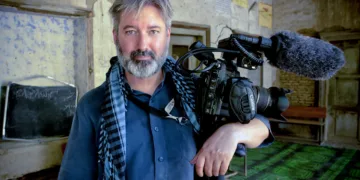











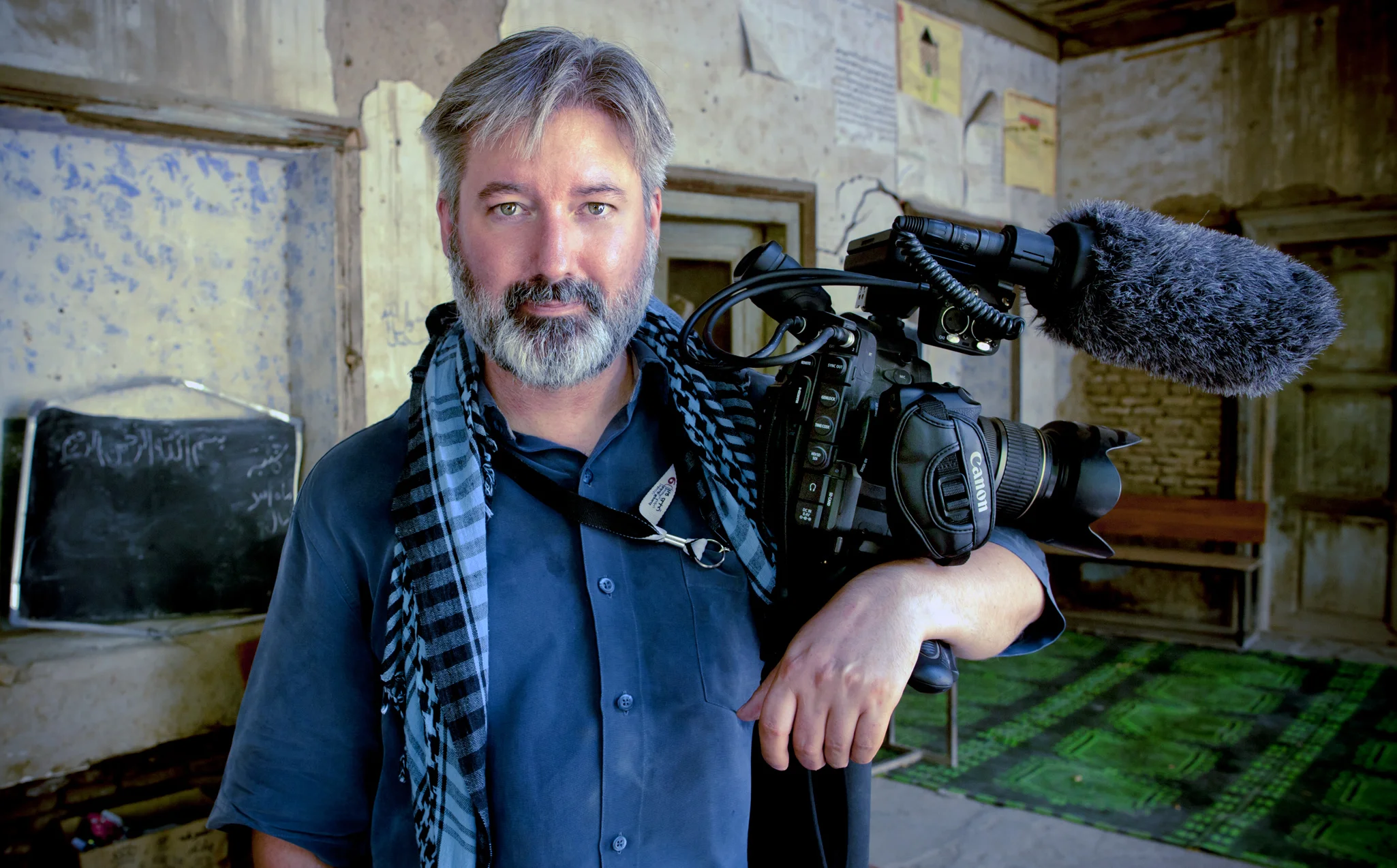

Oscar-nominated director James Longley won the top prize at the Ji.hlava International Documentary Film Festival on Saturday for “Mohabat,” a portrait of an Afghan boy orphaned by a drone strike. He then named his next subject: the Rohingya genocide.
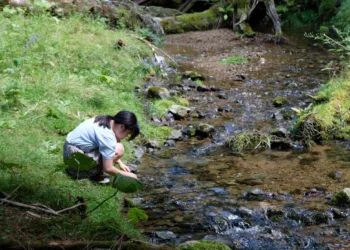
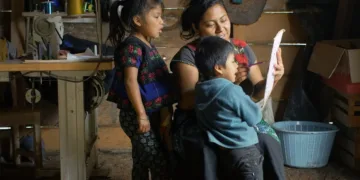
Premiering in the festival’s Opus Bonum competition, the film follows 12-year-old Mohabat after his father’s death. Sent to a city orphanage, the boy suffers a breakdown and returns to his mountain village, where he goes to school and helps with the harvest. When his eldest brother, Mawladdin, leaves for Europe by way of Iran, Mohabat has to learn to rely on himself. Longley filmed for two years, with Alex Gibney and Mohammad Sharif Hotak producing.
The jury called the work “meticulously researched and exquisitely crafted.” It praised the film’s patient attention to the boy’s bond with his brothers and to the rhythms of village school life, and said it strips away familiar clichés.
Longley, a two-time Oscar nominee for “Iraq in Fragments” and “Sari’s Mother,” acknowledges his outsider position. Americans fought in Afghanistan for 20 years, he argues, and helping audiences understand the country is the least they owe its people. He arrived, he says, “with a camera in my hand instead of a gun,” and villagers treated him as a guest. The film has a visible limit: local custom kept village women off camera, because their appearance would have caused a scandal. Hotak, who grew up amid war like the children onscreen, earned the trust that made the project possible, Longley says.
The Rohingya film is already under way. Longley has shot its first act, working with the late Diane Weyermann at Participant, the studio that shut down in 2024. Next year marks a decade since the 2017 military campaign in Myanmar that UN agencies, rights groups and governments have labeled ethnic cleansing and genocide. Estimates put the death toll at no fewer than 6,700 Rohingya in the first month alone.
Longley says he looks for a personal angle wherever he works. He sees a child’s perspective as a way to show the world as people first experience it, directly and without filters. He considers himself well prepared for the Rohingya project.