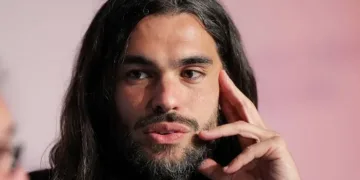
















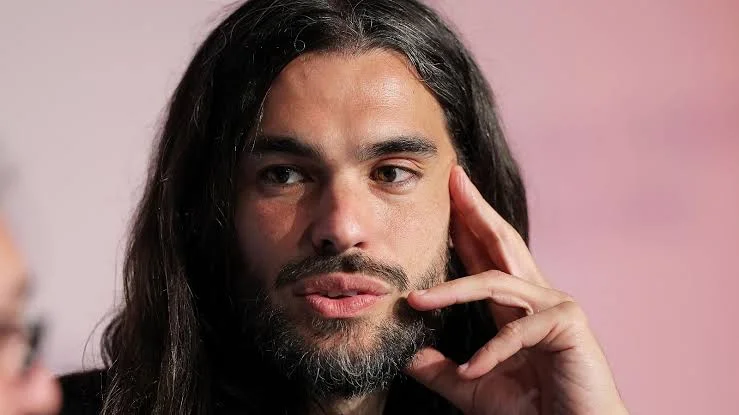

Spanish director Oliver Laxe says fear shaped his career, and he describes making films as an act of prayer, in an unusually personal onstage conversation at the Thessaloniki Film Festival, which is honoring his work with a tribute program.
“To me, film directing is like a prayer,” Laxe said, speaking with the festival’s programming head, Yorgos Krassakopoulos. He told the audience his path into cinema grew partly from a need to protect himself, and that insecurity still accompanies his creative process. He admitted he is often afraid to express what he holds inside, and that wounds push him to take the leap anyway. Festival organizers described him as disarmingly honest and open to self-criticism.
Laxe qualified the spiritual label that critics often attach to his films. He said they seem spiritual mainly when set beside most contemporary cinema, and that he wants to go past the limits of speech and reason while staying drawn to real people, faces and landscapes.
Born in Paris in 1982 to Galician emigrants and raised in Spain, Laxe moved to Tangier, Morocco, where he made his 2010 debut, “You All Are Captains,” which won the FIPRESCI Prize at the Directors’ Fortnight in Cannes. He won Thessaloniki’s Golden Alexander in 2019 for “Fire Will Come.” His latest film, “Sirât,” won the Jury Prize at Cannes last year and earned him recognition from the Academy. The story follows a father and son who search for a missing daughter at raves in the Moroccan desert, and it ends in a danger that tests their limits. A practicing Muslim, Laxe opens the film with a scripture reference to a bridge between heaven and hell. The word “sirat” also means the path.
In earlier interviews, Laxe spoke candidly about how much “Sirât” asks of viewers. He said he feared audiences would think he treated them cruelly, when he intended the opposite. He credited his co-writer, Santiago Fillol, with giving him the courage to confront subjects such as death. Some critics have called the film punishing in its second half, a reaction Laxe seemed to anticipate. The Thessaloniki tribute places his work in the context of a festival program that attends to the spiritual strains in recent cinema.