






























Decorating Barbie’s DreamHouse puts several generations of American toy design within reach of the same room. A 1990s inflatable chair can occupy a space assembled from other periods, with each furnishing identified by its year and original collection.
Barbie Rewind lets those labels accompany objects that remain available for use. Wallpaper, floor tiles, furniture, and smaller decorations become materials for an arrangement rather than exhibits fixed in chronological order. The pleasure lies partly in recognizing a style and partly in deciding where it belongs now.
That freedom suits a doll whose American identity is bound up with self-reinvention through clothes, occupations, and possessions. The house translates one part of that identity into a familiar digital practice: choosing from a supplied inventory and making its contents express personal taste.
Its hundreds of objects place limits on invention, just as a box of physical accessories would, but the combinations remain the player’s. Decorating tasks from Barbie and friends, including Ken, give this activity direction, with photographs of completed arrangements helping to unlock further possibilities. History becomes something the player handles while making a room.
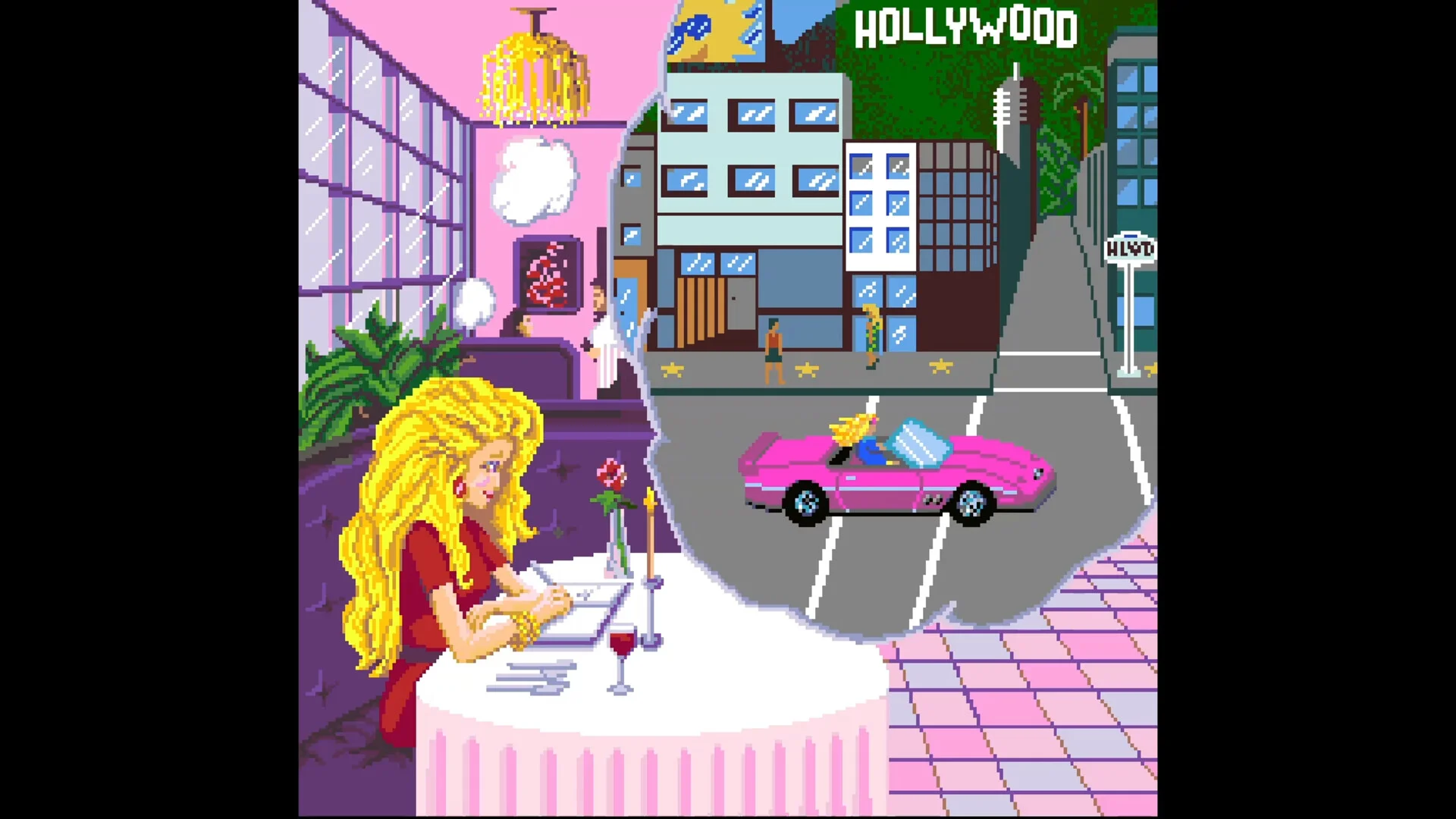
Digital Eclipse and publisher Atari place this new decorating mode alongside Barbie games spanning 1991 to 2007 and a historical Catalog. Moving between them exposes the difficulty of translating a flexible toy into activities governed by fixed rules.
A doll can become a model or a secret agent through a child’s declaration; a game must decide what either role permits the player to do. Barbie: Super Model’s runway-related actions and minigames offer one answer. Secret Agent Barbie’s stealth-platforming offers another. Their different demands give the character’s changing identities some practical substance, rather than leaving costume and title to carry the distinction.
The fit is less persuasive in Barbie: Pet Rescue’s yarn-ball minigame, where cat paws return a ball in an abstract batting exercise. Slow movement and awkward bounce angles make the interaction unsatisfying on its own, while the connection to caring for an animal remains thin.
Abstraction is hardly disqualifying: a simple action can suggest a larger activity perfectly well. Here, however, the action offers little of the attentiveness that the pet-care premise invites. The weakness belongs to the translation between role and rule, compounded by the behavior of the ball. Pink graphics and a young intended audience explain neither problem away.
The previously unreleased Barbie: Vacation Adventure has a different kind of interest. Its volleyball and horseback-riding activities extend the collection’s range, but access to an unreleased work carries historical excitement independently of the activities’ modest ambitions. It deserves preservation without needing promotion to the rank of lost masterpiece.

The same distinction helps make sense of the collection’s unevenness. Recovering these games creates an opportunity to examine what play built around this American character offered across console formats, including experiments whose execution was weak. An archive need not contain an uninterrupted sequence of excellent games to justify itself.
Rewind, save-anywhere functionality, and game-specific cheats make that examination less punishing. Invulnerability or unlocked levels, where available, allow curiosity to survive a difficulty spike. Scans of the original manuals serve a different purpose, restoring instructions that once sat outside the software.
They preserve something of the original arrangement between player, packaging, and game, though changing button layouts still require adjustment between entries. The pink television frame and handheld borders similarly locate the images within an older viewing experience. These are useful acts of mediation; none can make Pet Rescue’s ball behave with greater conviction.
The connection back to the DreamHouse is less carefully resolved. Furniture objectives can require entering the retro games through Let’s Decorate, with accomplishments made through the standalone collection menu needing repetition before they yield the corresponding objects.
These furnishings are optional for completing the decorating mode, so the problem is limited in scope. It still works against the collection’s invitation to move freely between its parts. Two routes to the same game can give the same activity different value to the house. The player who explores the archive first may have to repeat that exploration as an assigned task.
The Catalog widens the frame beyond those practical irritations. Documents and historical material cover Barbie’s relationship with console, handheld, and PC gaming, while objects such as an LCD game with a purse-like carrying strap reveal how technology could be absorbed into the brand’s fashion vocabulary. The device’s form matters alongside the software it contains.
A portable game could also be an accessory, joining activities that a conventional history organized around hardware specifications might keep apart. Giving such objects attention helps recover the particular ways this toy culture approached technology, without requiring its games to resemble a familiar canon of console achievements.
The absence of playable classic PC games leaves a significant part of that relationship inaccessible. Fashion Designer is an especially telling omission because its clothing choices, patterns, colors, and accessories could produce designs printable for physical dolls. That function connected computer use to the toy on the other side of the screen.
Its significance here comes from that connection, rather than a demand that every remembered title be included. The DreamHouse lets the player reorganize Barbie’s possessions digitally; Fashion Designer allowed a digital decision to return to physical play. The Catalog can describe that exchange, but the collection offers no opportunity to send a newly designed outfit from the computer back into a doll’s wardrobe.
The Review
Barbie Rewind
Barbie Rewind is most persuasive when it lets players rearrange the American toy culture it preserves. The DreamHouse gives historical designs a useful second life, while the Catalog and recovered games deserve attention beyond nostalgia. Uneven activities and awkward furniture-reward tracking limit the pleasure of exploration. Missing PC games leave a significant gap in the connection between digital creativity and physical doll play. It is a worthwhile archive whose new decorating mode often expresses Barbie’s imaginative appeal most successfully.
PROS
- Creative DreamHouse decorating with historically identified furnishings.
- Catalog and scanned manuals preserve valuable context.
- Rewind, saves, and selected cheats ease access.
- Previously unreleased Vacation Adventure expands the archive.
CONS
- Some activities translate their premises into weak interactions.
- Furniture rewards can require repeating games through Let’s Decorate.
- Missing PC titles leave important creative practices unplayable.