













[ez-toc]Remember that crazy news story back in the 80s about the Boston guy who said a Black dude killed his pregnant wife? It dominated headlines for months before the husband’s own brother busted him for making the whole thing up. Wild stuff, even by today’s standards.
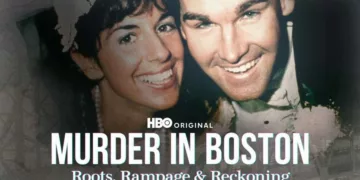
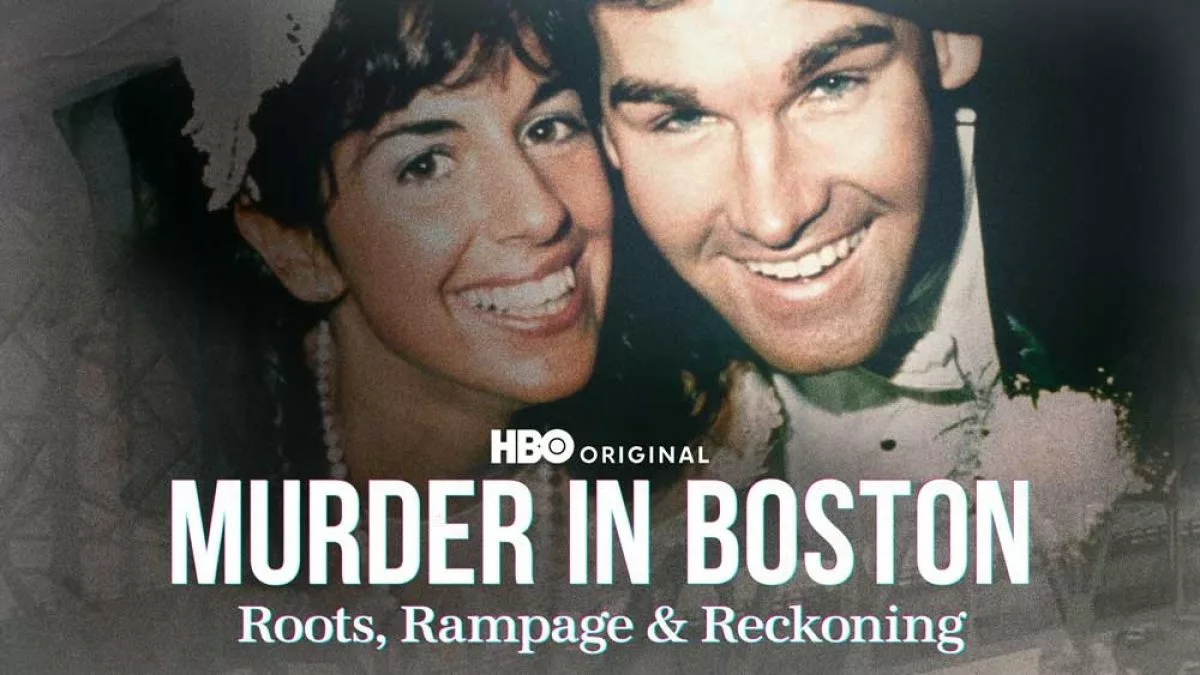
Well, after fading from public view, that infamous case is back under the spotlight in HBO’s new docuseries Murder in Boston: Roots, Rampage & Reckoning. Directed by Last Dance helmer Jason Hehir, it dives deep on the dual tragedies of the murder itself and the havoc its racial implications wreaked on Bean Town’s communities of color.
It all started on October 23, 1989, when a dude named Charles “Chuck” Stuart called 911 claiming he and his expecting wife Carol had been carjacked and shot while driving home from the hospital. Carol and her unborn baby wound up dying from their wounds. But the kicker came when Chuck explicitly blamed the violence on a random “Black man,” sending Boston PD into a frenzy profiling and harassing every brother who even remotely fit the description.
Of course, the truth ultimately came out that Chuck had slain Carol himself and invented a scapegoat to cover his tracks. And he might’ve gotten away with it too, if not for his brother Matt developing a conscience. Before cops could cuff him, Chuck committed suicide by leaping from a bridge — without ever facing consequences for the aftermath of his lies.
Now, with gripping interviews and archival clips, Murder in Boston examines the layers upon layers of societal damage tied to this one senseless killing. It confronts tough topics like race, corruption, redemption and the real-life cost of prejudice. Sounds intense, but also essential given recent events. Will definitely be adding this one to the watchlist.
Boston’s Ugly Past Comes Back to Haunt
You can’t dig into the Stuart case without confronting Beantown’s long track record of racism. Through interviews and chilling archival clips, Murder in Boston breaks down decades of pre-existing racial animosity that primed the city to accept Chuck’s bogus story.
A lot of it stems back to the 1970s busing crisis, when Boston judges ordered widespread integration of public schools. White families responded with outright violence, pelting rocks and bottles at buses full of Black schoolchildren. It’s painful footage to watch — adults proudly screaming slurs at kids as young as six while cops stand by motionless.
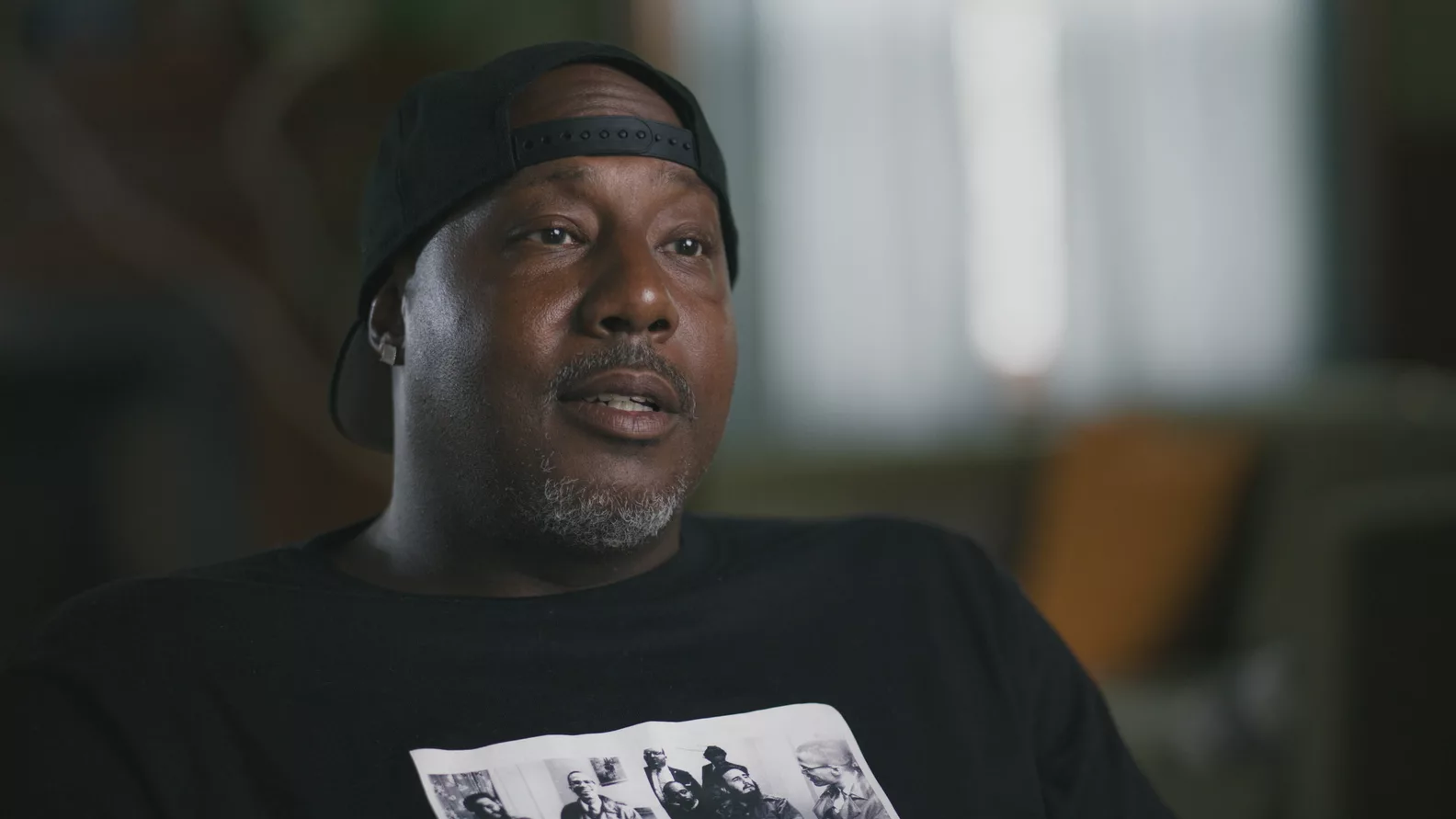
Activist lawyer Ted Landsmark recalls the madness firsthand after enduring a particularly savage 1976 beating by a white teen. “I was cracked over the head with the sharp end of an American flag right on the steps of City Hall,” he says. “My wife had to pick shards of glass out of my face with tweezers.”
Yet despicable as they seemed, those attacks were merely the visible tip of the hatred iceberg. In candid interviews, white Bostonians of the era freely spew jaw-dropping racism, from beliefs in racial brain differences to referring to Blacks as “savages” and “animals.”
It’s little wonder why Dart Adams, a Boston native and historian, argues the Stuart case can’t be separated from this oppressive backdrop. “When crimes happen in certain parts of Boston, we all fit the description,” he explains. “The environment was primed for police to accept Chuck’s accusation.”
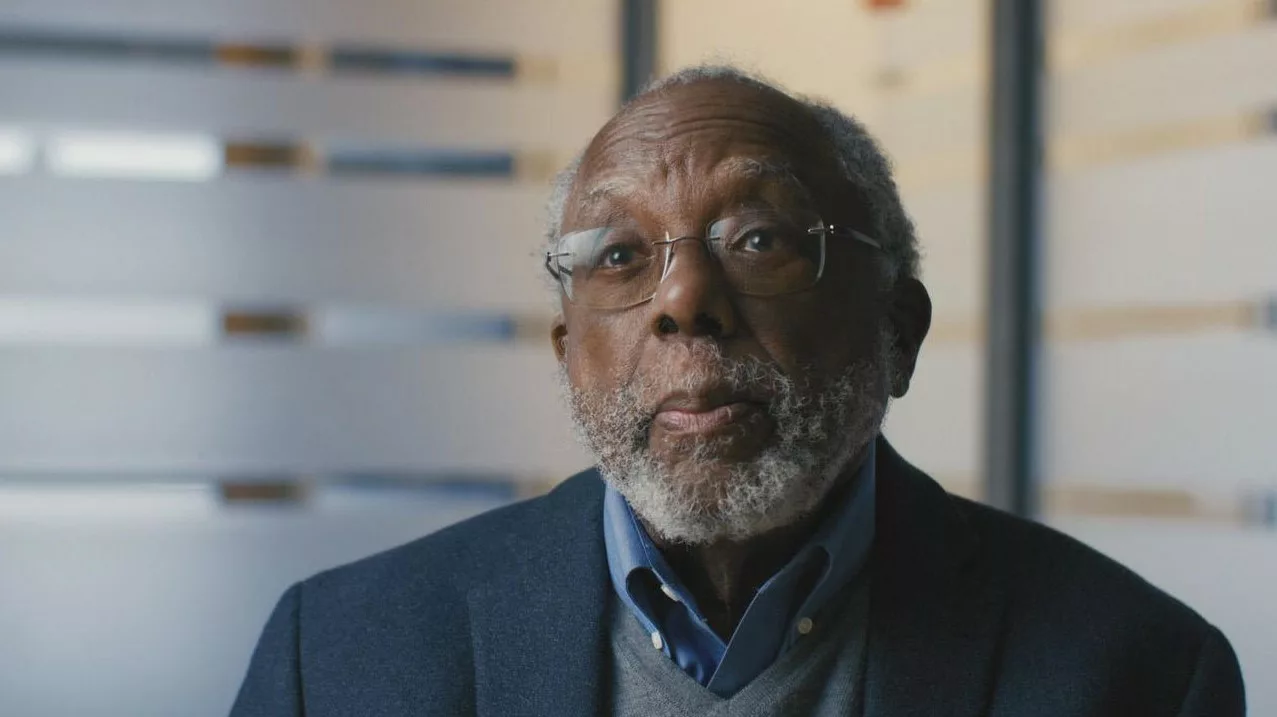
The docuseries further examines enduring economic factors that hardened racial biases. Howard Bryant, a journalist raised in Boston, notes how blue-collar Irish and Italian residents perceived affirmative action policies as limiting their own prosperity and status in the city.
“There was a belief Blacks didn’t deserve those factory and civil service jobs,” Bryant says. “So in their minds, holding Blacks back meant more opportunities for their own.”
Against this polarized climate, Chuck Stuart’s fictional carjacker — later identified as 39-year-old William Bennett — made for an easy scapegoat. Adrian Walker, a longtime Boston Globe news columnist, argues the existing prejudice primed people to assume Bennett’s guilt — not just cops, but everyday citizens too.
“There was no interrogating or second-guessing once Stuart uttered the words ‘Black man,’” Walker says. “Folks automatically accepted that a shadowy Black suspect killed this saintly white suburban couple. It’s what they expected to hear.”
By framing his lies against this backdrop, Stuart exploited generations of fear and distrust for his personal advantage. And in doing so, he created yet another traumatic entry in Boston’s agonizing racial history — one that Murder in Boston argues we’re still learning from decades later.
Uncover Chile’s Dark Past: “Delve into the gripping and unflinching portrayal of Chile’s brutal history in Felipe Gálvez’s directorial debut. Explore our The Settlers Review for an in-depth look at this powerful film that confronts the genocide of the Selk’nam people.”
A City Turned Against Its People
However you slice it, Chuck Stuart’s 911 call was what kicked the hornet’s nest. With Carol bleeding out beside him, he deliberately told the dispatcher “a Black man did this to us” while describing a random mugging. It was total B.S. — but also massively effective.
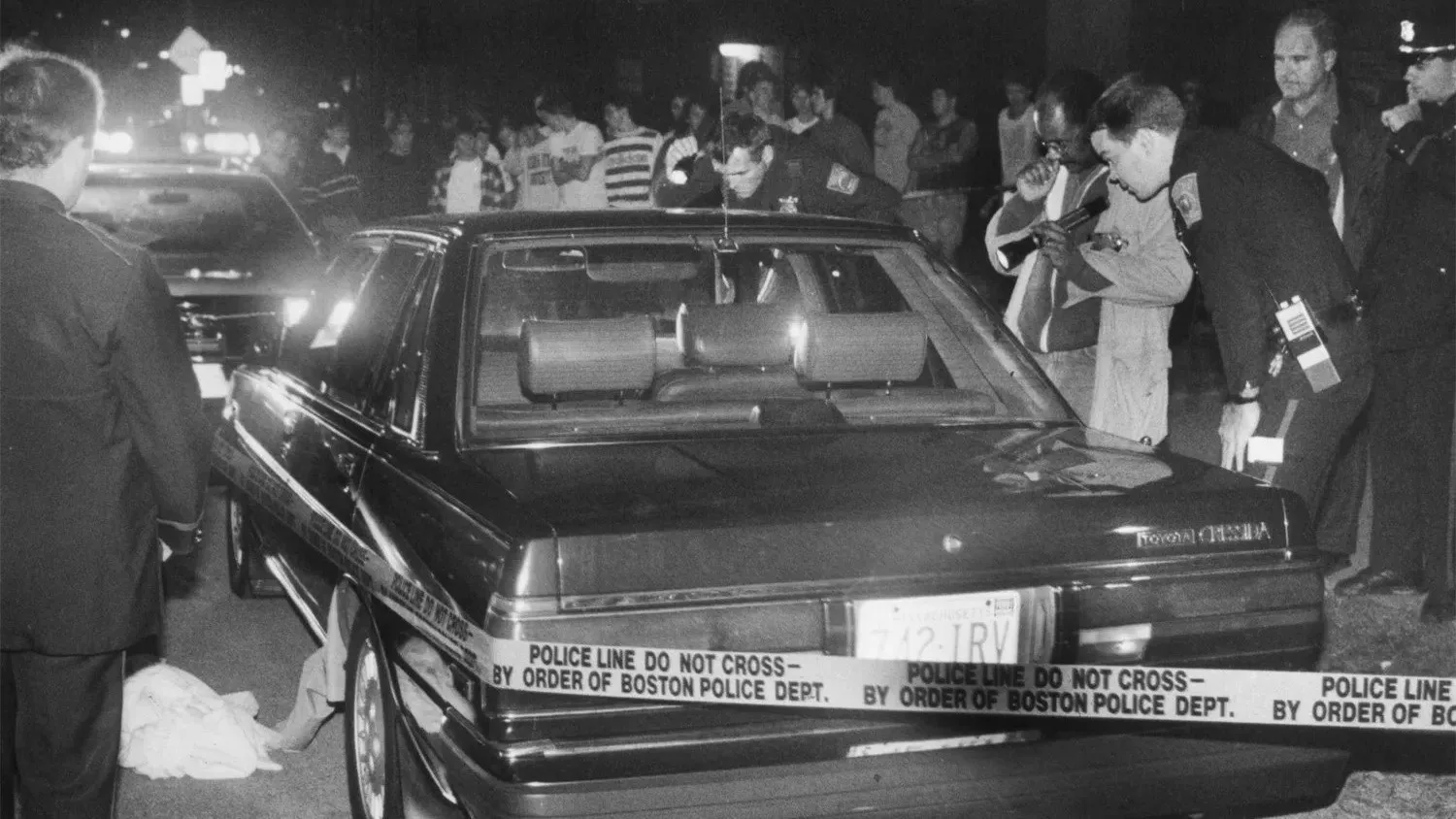
As Murder in Boston exposes, those two inflammatory words instantly ignited a crackdown, sending swarms of Boston PD to profile and harass Black residents block-by-block. “It became open season on African Americans,” recalls Ron Bell, a former Mission Hill local.
Desperate to pin the crime on someone, police started grasping at straws. First rounding up Alan Swanson — a homeless guy whose only suspicious characteristic was owning a black sweatsuit. After his alibis checked out, they moved on to 39-year-old William “Willie” Bennett based on unvetted neighborhood gossip.
In wrenching interviews, Willie’s surviving family describe the nightmare that followed. His sister Pauline Bennett tells of officers ransacking her apartment searching for anything to justify Willie’s arrest. “They tore up my whole place,” she says. “Cut open my couch cushions, dumped cereal on the floor – it was awful.”
Meanwhile, Willie’s frightened teenage nephew, Joey Bennett, admits how heavy-handed police interrogations led to him falsely testifying against his own uncle. “They kept yelling, accusing my friends and me of covering it all up,” Joey says. “I was just a kid – I would’ve said anything to get them to stop.”
Joey’s childhood pal Dereck Jackson likewise cops to fabricating incriminating statements, swayed by aggressive and manipulative questioning. “The police definitely took advantage of our age,” Dereck reflects now. “We didn’t know how to handle that kind of pressure.”
Yet even when the hastily constructed case against Willie crumbled, authorities remained fixated on nailing some random Black defendant rather than pondering holes in Stuart’s testimony. As Willie himself declares in audio interviews from the 2000s:
“They didn’t care what the truth was, they only saw what they wanted to see… a black guy from the ghetto instead of that murderin’ husband right in front of ‘em.”
Three decades later, Willie’s family still wrestles with the enduring trauma of his wrongful persecution. And perhaps saddest of all — the Boston PD has never apologized for actions that a lawyer in the film declares “one of the worst miscarriages of justice in memory.” Talk about pouring salt in an open wound.
“Get ready for a fiery adventure with ‘Superhot: The Spicy World of Pepper People’, a docuseries that delves into the world of extreme chili enthusiasts. Check out our Superhot: The Spicy World of Pepper People Review to join the journey of chiliheads who push the limits of spice. Click here to explore this sizzling show on Hulu, where passion, pain, and peppers come together in a unique and captivating subculture.”
When the Scales Fell from Boston’s Eyes
It’s wild remembering how the public perception of Chuck Stuart flipped so drastically after his brother Matt came clean. Up to that point, he was portrayed as a tragic victim. Then almost overnight, people saw him for the conniving killer he was.
As Murphy in Boston reveals, it happened January 3, 1990 – barely two months after Carol’s murder. Matt Stuart, racked with guilt, walked into police headquarters and revealed the cold truth: Chuck had shot Carol to collect insurance money, then plugged himself non-fatally to sell his phony story.
Matt further admitted to helping Chuck ditch evidence immediately after the crime. The smoking gun was Carol’s diamond ring, pawned by the brothers and used to finance a weeks-long spending spree around town. It’s mind-blowing how easy it was for Chuck to manipulate public sympathy with his web of deception.
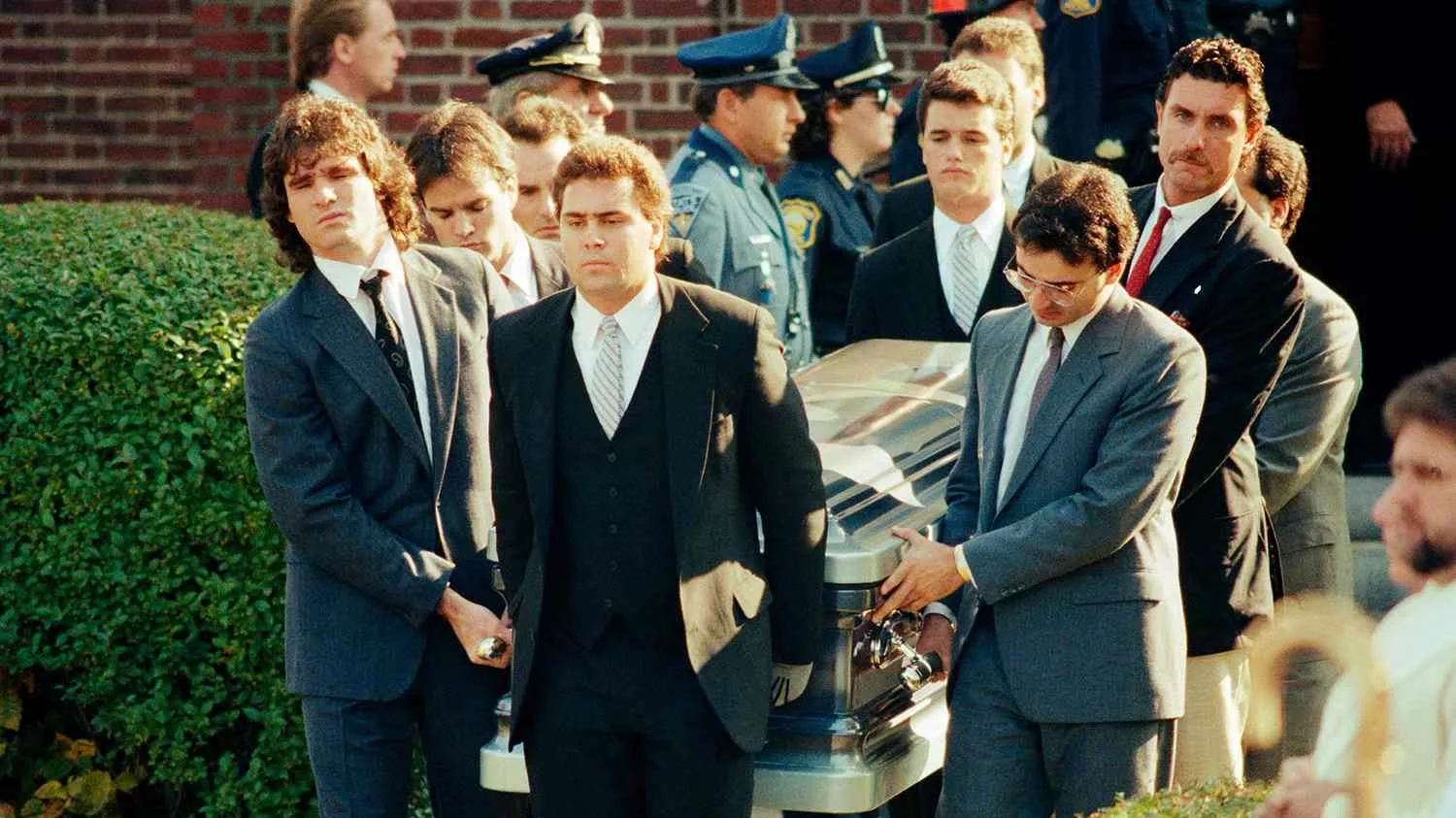
The façade evaporated by next morning when Stuart’s abandoned Toyota was discovered near Boston Harbor. It didn’t take Sherlock to deduce what happened. “I knew that man had jumped off that bridge. We all did,” Pauline Bennett declares. Hours later, Chuck’s waterlogged body washed ashore confirming suicide.
With Stuart dead and buried, you might expect the city to make amends to those his lies impacted. But incredibly, the Boston PD has never apologized for its role, even with the passage of 30-plus years. Willie Bennett sued for police misconduct in 1993 only for his case to get thrown out.
Most disturbing is retired Detective Bill Dunn swearing by the investigation to this day. “We acted appropriately based on the information we had,” Dunn insists. “I don’t regret how we operated at all.” Considering said operation involved dismantling a community, that’s pretty hard to swallow.
But Dunn doubling down also speaks to the deep roots this trauma left for Boston’s people of color. Willie’s sister Aisha expresses her brother’s undying resentment during emotional interviews. “He’s still angry,” Aisha says, “and he has reason to be.”
As a city, Boston still struggles to fully acknowledge this pain. And until that changes, the scar left by Stuart’s crimes will continue cut just as deep.
“Explore the journey of restitution and cultural heritage with our Dahomey review. Mati Diop’s imaginative documentary artfully navigates the return of looted artifacts to Benin, offering a meditative look at the intersections of history, identity, and healing.”
Giving Voice to the Voiceless
A huge reason Murder in Boston resonates is its balance of perspectives, especially from parties impacted firsthand. Alongside Willie Bennett’s family, we hear many Black Bostonians explain their treatment by police and analyze what enabled it. Just as importantly, the series lets authorities state their version of events three decades later.
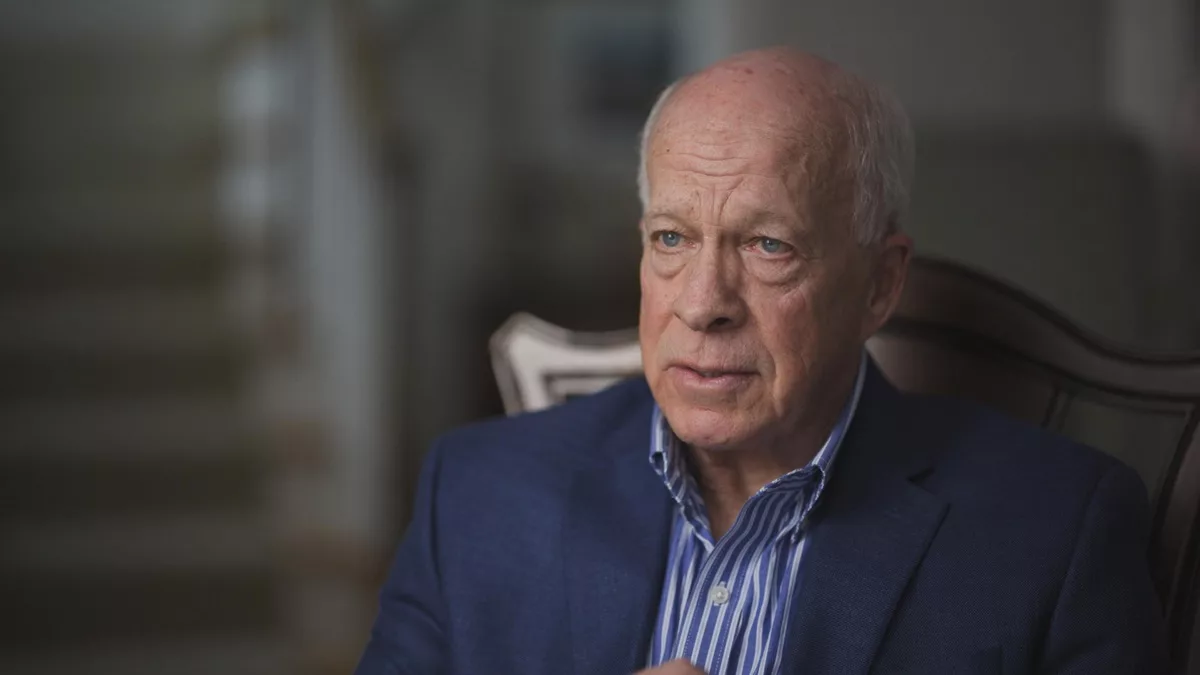
This proves incredibly telling regarding Boston PD’s apparent lack of accountability.According to film text, only one police official directly involved in the Stuart case agreed to participate. That happened to be Detective Bill Dunn, who everyone else exposes as an aggressive bully during 1980’s Mission Hill raids.
Incredibly, Dunn sees no flaws in the investigation that turned neighborhood lives upside down. “We were just going on the word of the husband who got shot,” Dunn rationalizes. “I operated from the heart back then. Still do.” Maybe that explains BPD’s total absence of apologies.
Without current counter-perspectives from police, it’s easier to direct outrage at Dunn’s callous indifference. We don’t hear potential department reforms or introspection that could reveal some empathy. At best, that makes them look stuck in the past. At worst, complicit with ongoing denial.
Contrast that with Murder in Boston’s compassionate treatment of falsely accused like Willie Bennett. We get firsthand audio of Willie describing his lingering resentment and sense of injustice. The anguish endured by Willie’s mom Pauline and others close to him puts fully human faces onto collateral hardships.
Most striking is footage of Bennett confidantes Dereck Jackson and Joey Bennett wrestling with guilt over the statements police extracted from them. “We were just kids, we didn’t understand the power of our words,” Dereck admits sorrowfully.
Scenes like these emphasize the lingering trauma that mirrors real life. And until that healing begins, the deep cut left by Stuart’s lies will continue dripping pain in Beantown.
Raw Imagery Lets Truth Hit Hard
However you slice it, Murder in Boston packs a major emotional punch thanks to its gripping visual approach. Alongside contemporary interviews, director Jason Hehir masterfully blends archived news footage and photos to transport us right back to 1989.
Seeing stunned reactions to the shooting or locals proudly defending segregation is chilling enough on paper. But witnessing the actual ugly expressions, violent threats and racist slurs uttered with such conviction—that’s what makes you grasp the mood on Boston’s unforgiving streets.
Likewise, hearing the panic and desperation in long-buried 911 tapes or Willie Bennett tearfully proclaiming innocence grounds this as more than just sensational true crime fodder. There’s an intimate, almost intrusive feel, enhanced by camera close-ups on faces contorted by anguish and outrage.
Moments like teen suspect Dereck Jackson listening to his own coerced testimony especially hit hard. As we study the mix of shame and remorse spreading across his face, the collateral injustices tied to Stuart’s lies grow that much more vivid.
“You can’t fully conceptualize how terrifying this was unless you see and hear it yourself,” Dart Adams suggests early on. Through its raw authenticity, Hehir’s footage choices make Adams’ point for him.
There are also profound resonances to modern America’s own struggles with racial divisions and distrust of law enforcement. As much as we’d like to pretend society has progressed, seeing Bostonians of just 30 years ago cheering oppression of Blacks illustrates a more disheartening reality.
Some say pictures speak louder than words. If that’s true, the imagery driving Murder in Boston howls deafening volumes while striking nerves many would rather keep dormant. By dragging reactions once left buried out into the light for all to see, it makes ducking tough realities infinitely harder. And that’s what gives the series its staying power no matter how shocking the viewing experience.
The Past Still Echoes Loudly
There’s no tying Murder in Boston’s story up in a tidy bow. If anything, drudging up Boston’s buried racial demons leaves viewers wrestling with even more questions.
Present-day interviewees ponder why the city still hasn’t fully acknowledged the injustice done to citizens like Willie Bennett when the truth was readily available. We’re left to reflect on what kind of mindset allows authority figures like Bill Dunn to justify trampling civil rights, then and now.
Most glaring is the lack of closure around reconciliation and healing of deep community wounds — arguably the docuseries’ central theme. Instead, we face the reality that pain doesn’t just vanish with time for victims like Willie, no matter how much the perpetrators wish it would.
Some may argue that rehashing the details of a 30-year-old crime offers little value. But with America’s ongoing struggles with racial justice, Stuart’s exploitation of prejudice clearly still carries modern relevance. If anything, Murder in Boston’s core message is that sweeping ugly history under the rug won’t stop it from repeating in slightly different ways.
By presenting such a layered, thoughtful exploration of this one infamous case, HBO provides a blueprint for how broadcasting platforms can revisit old offenses through a more enlightened modern lens. And if they continue offering this level of insight around relevant social issues, it will only make that programming more meaningful.
Here’s hoping Murder in Boston sets the tone for thoughtful retrospection, rather than just sensationalism, when shining light on overlooked injustice. Because the conversation clearly continues, whether Beantown likes it or not.
The Review
Murder in Boston: Roots, Rampage & Reckoning
Through meticulous storytelling and unflinching interviews, Murder in Boston exposes the dangerous power of prejudice while illustrating why accountability remains absent decades later. Its message echoes loudly in relevance to modern racial tensions.
PROS
- Powerful use of archival footage and photos brings the past vividly to life
- Insightful contemporary interviews add important perspectives
- Balances different points of view from black Bostonians and police
- Strong focus on racial tensions and busing crisis provides crucial context
- Sympathetic portraits of those wrongly accused like Willie Bennett
- Confronts difficult issues like police brutality and systemic racism
CONS
- Lacks current perspective from Boston Police officials
- Doesn't explore potential policing reforms after the case
- Fails to provide closure or path forward for healing wounds
- Omits some details about Charles Stuart's background/motivation