

























“The Battle for Laikipia” introduces us to a place where dry land and deep roots fuel tensions between communities. Laikipia County in Kenya is known for its lush landscapes and wildlife, yet beneath the surface simmers a conflict over ways of life and ownership. The film takes us there amidst a punishing drought to witness both sides.
For generations, the semi-nomadic Samburu people have grazed their cattle freely across Laikipia’s plains. But some see the land differently now. Descendants of early British settlers claim farming territory established over a century ago. As grass and water grow scarce, clashes erupt between those guarding fences and those following grazing routes as old as language.
Directors Daphne and Peter aim not to point fingers but to open eyes. Through characters on both sides, their camera brings us close to lived experiences amid an escalating fight for survival. While the film highlights the drought’s role in stoking tensions, it also shines light on how colonial legacies still shape modern injustices. In telling this thorny tale with care and nuance, “The Battle for Laikipia” presents a thoughtful portrait of intertwined issues that will resonate long after the credits roll.
People of the Plains
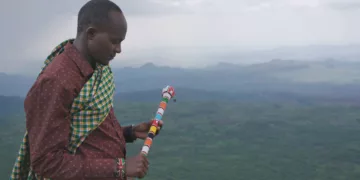
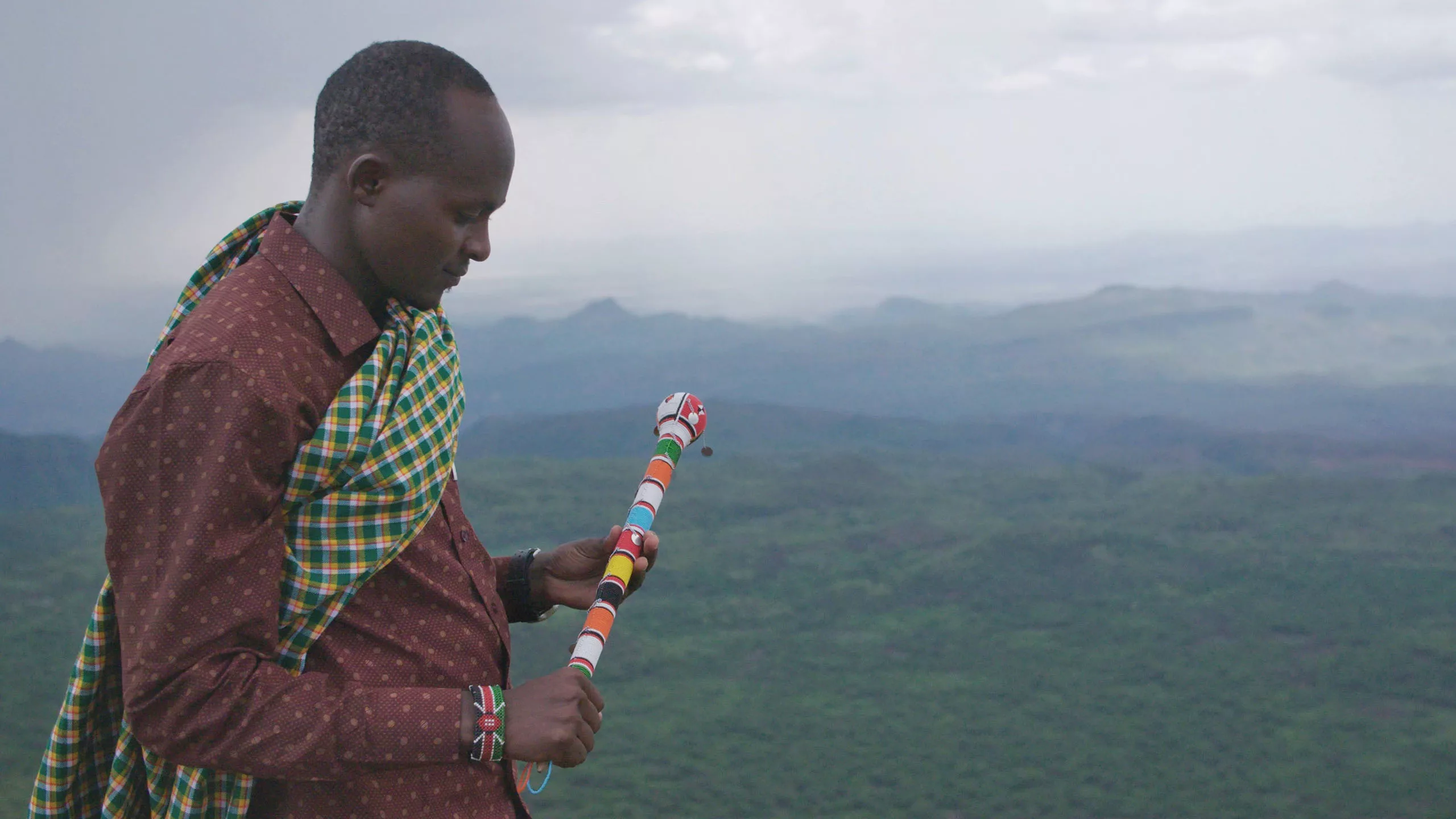
The film introduces us to characters on both sides whose stories put a human face on this complex conflict. Among the Samburu people, we meet Simeon, a pastoralist proud of the traditions that shaped his people for generations. His deep knowledge of grazing routes and watering holes is passed down through language, yet this way of life is now threatened.
As the unrelenting sun bakes Laikipia’s grasslands brown, Simeon watches his herd struggling to survive. These cattle are not just livestock; they represent a cultural bond between families that has nurtured this community through changing climates. Despite food and water shortages intensifying, he remains determined to protect ancestral traditions, even if it means clashes with armed guards on private ranches.
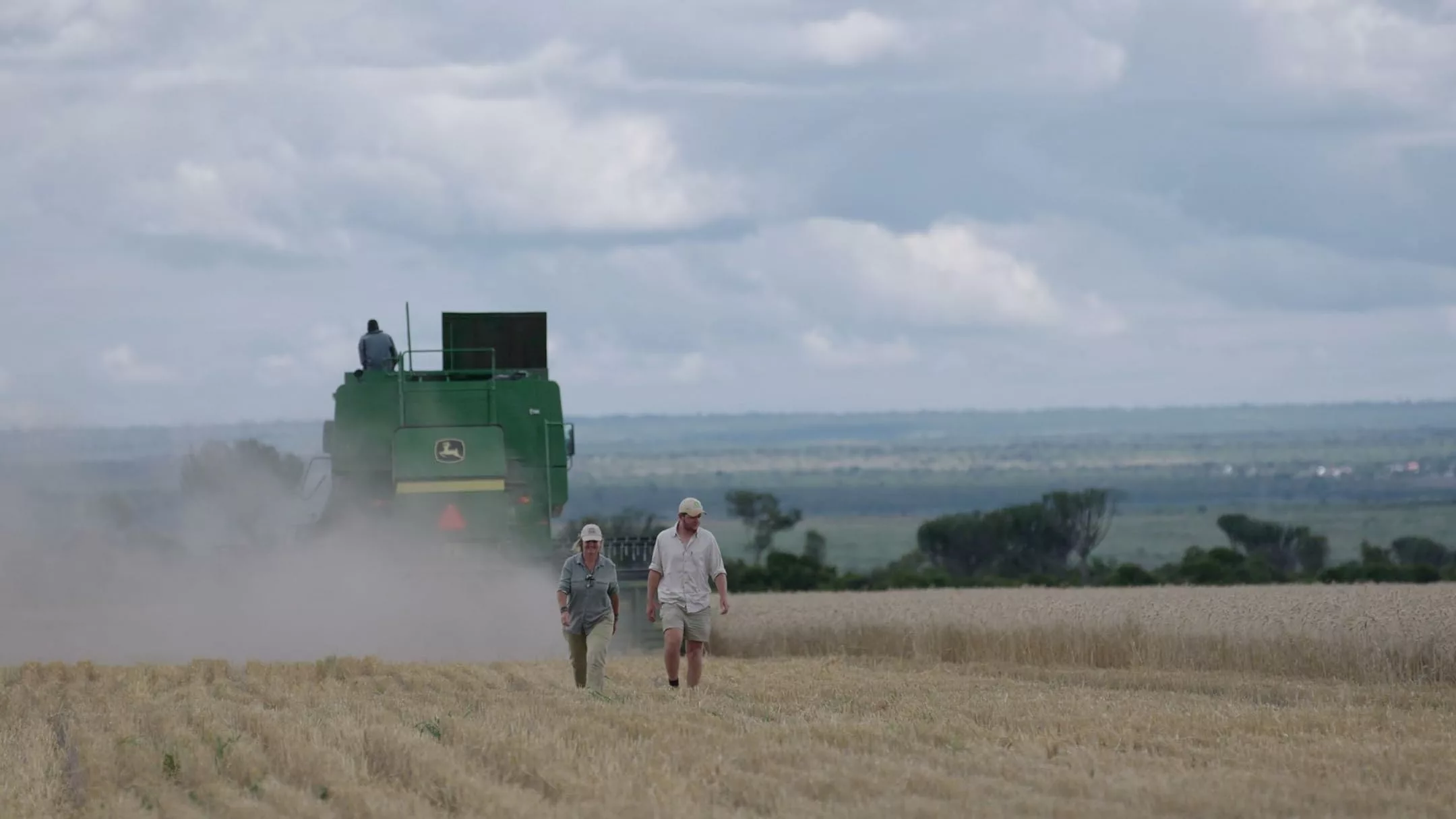
On the other side of tensions, we find farmer Maria running her cattle operation, inherited from her English ancestors, who first colonized this place. Where Simeon follows seasonal movements, Maria relies on established boundaries and industry standards to turn a profit.
As she sees her fields drying up, Maria feels squeezed between mounting costs and dwindling yields. She defends her private property rights fiercely, viewing the landscape one way as defined by ownership papers. Yet beneath her nerves lies a deeper unease that forces beyond her control a livelihood and identity tied to this land for generations of her family.
By humanizing these opposing stakeholders, the film brings us closer to understanding how millennia-old cultures and recent colonial legacies intersect in this showdown. Both see themselves fighting simply to preserve home in a changing climate, yet their differing views of who and what belongs spark a “battle for Laikipia” with complex roots and no clear resolution.
Roots of a Rivalry
To understand the “battle” unfolding, we need to look back at how this whole place became privatized over a century ago. During colonial times in the late 1800s and early 1900s, Britain staked its claim on Kenya and began seizing vast tracts of fertile land from communities that had lived off it for generations. They brought in white settlers from Europe and said, “Go ahead; this is all yours now.”
Soon, the best grazing areas and water sources in places like Laikipia were fenced off as sprawling cattle ranches. Indigenous groups lost access to traditional pasturelands overnight.
While Kenya gained independence in 1963, ending colonial rule, one thing didn’t change: ownership papers. The great-grandchildren of those original white farmers still hold title deeds across huge swaths of territory. So even decades later, the Samburu and other nomadic herders find themselves squeezed into smaller and smaller spaces.
Things really came to a head with the drought. As grasslands dried up, ranchers tried keeping pastoralists’ cows out with threats and guns. But when survival is on the line, people will do whatever it takes to feed their families. The pressures of climate change only exacerbated tensions that had deep roots in territorial seizures and inequality from a darker time in Kenya’s history.
By fencing off and patrolling “their” patches like private nature reserves, today’s landholders don’t seem to recognize the land was communal before colonizers chopped it into hunks for foreign invaders. Their lifestyles may now seem removed from that past, but Kenya’s pastoral communities must still live with colonialism’s unfortunate legacy every day.
Drought Drives a Deadly Divide
The troubles in Laikipia began with lacks of the most basic kind: a lack of rain and a lack of grass. As the drought persisted season after season, turning pastures brown and springs dry, it drove farmers and herders to desperation.
The Samburu people had always brought their cattle to graze freely across the broad savanna. But with less and less forage available, their animals strayed more often onto the private ranches that had fenced off the best grazing lands long ago. Tensions were building as ranchers saw this as illegal poaching.
At first, there were shooings and shouts, fences that got cut, and the occasional cow shot. But as hunger grew more severe, so did the conflicts. Retaliatory killings of livestock became sinisterly common. Whole herds would be found slain, their carcasses painted with toxic ashes to deter scavengers.
Fear and fury mounted on both sides. Home invasions and arson attacks followed rumors of injustice or insult. Children saw their families terrorized and took up weapons for supposed self-defense, fueling an escalating cycle of suspicion and violence.
Politicians, too, had their part to play. Some saw an advantage in stoking divisions during campaigns and contested elections. Their fiery speeches about stolen heritage found willing ears among those who already felt their livelihoods were slipping away.
By the mid-2010s, the “battles of Laikipia” earned their name as group raids turned deadly. Machetes swung and guns blazed during confrontations that left several dead on the ground. A peaceful region had curdled into something dark and volatile, with little sign that the worst had passed.
Capturing All Sides of the Story
Directors Daphne Matziaraki and Peter Murimi take a thoughtful approach to documenting the complex land dispute. Rather than paint one group as heroes and the other as villains, their cameras peer deeply into the reality on both sides. With observational scenes filmed across Laikipia over several years, we can see the drought’s toll and understand why tensions erupted.
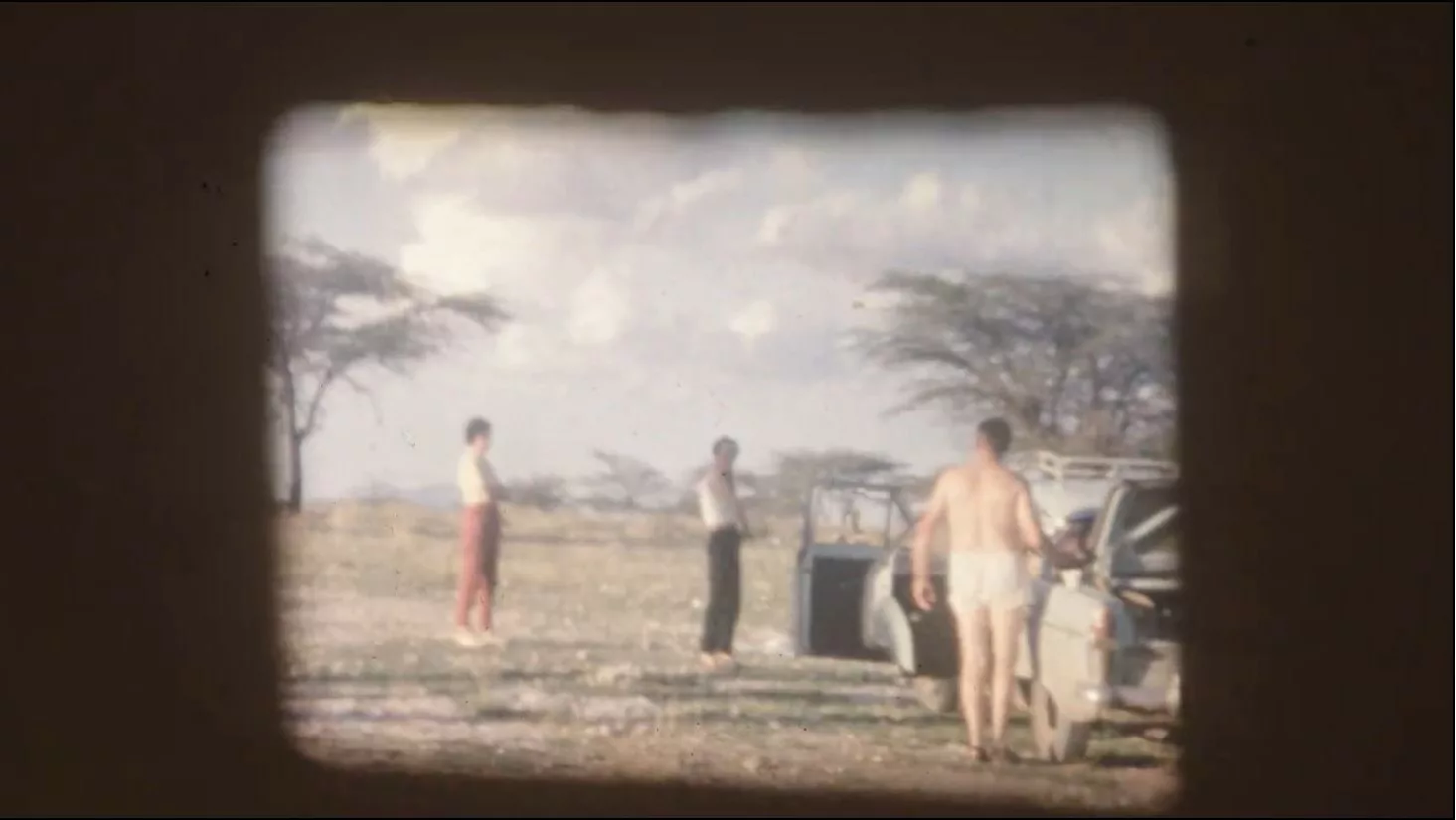
The filmmakers let those involved share their perspectives without judgment. Through their interviews and everyday interactions, a Samburu pastoralist like Simeon and a ranching woman like Maria emerge as multidimensional people, not stereotypes. Their differing relationships to the land and livelihoods feel genuine and vividly portrayed.
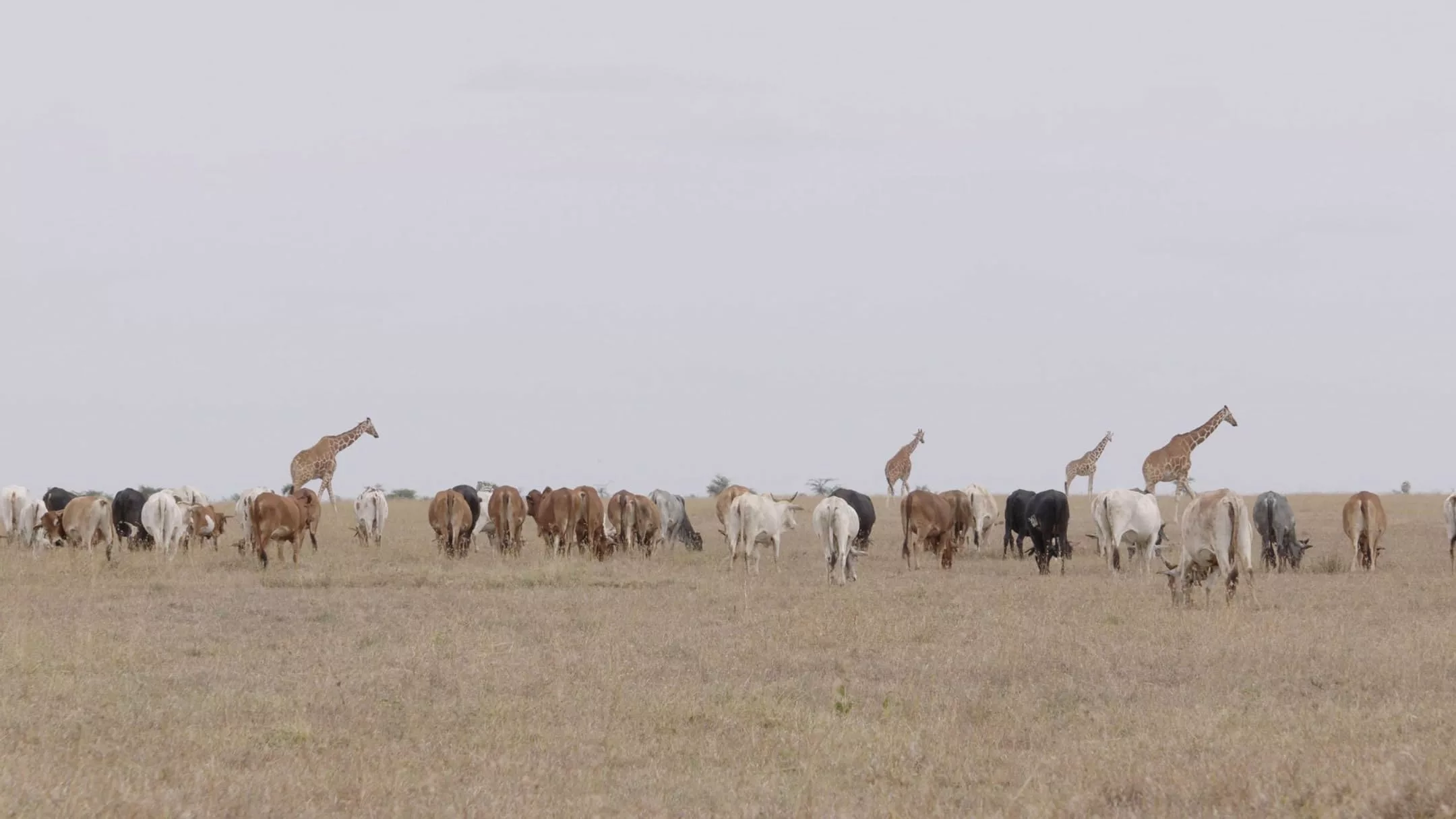
Location shooting transports viewers onto the dusty plains, where animals graze and communities toil. Through extended takes, we live alongside families as they face seasonal hardships. Whether herding livestock or operating a working cattle station, their daily experiences feel authentic. Character portraits offer intimate glimpses into clashing yet parallel ways of life, fostering empathy even as disagreements remain.
Murimi and Matziaraki’s fly-on-the-wall approach draws out the full complexity. Peaceful coexistence is shown alongside escalating violence, allowing audiences to make up their own minds. While tensions grew increasingly toxic, the filmmakers maintained an objective lens, presenting a more nuanced truth than quick judgments could convey. Their balanced portrayal brings people and perspectives together instead of further dividing them.
Wider Resonances of Climate and Colonialism
The Battle for Laikipia illuminates pressing issues that transcend its local setting. The depiction of a drought exacerbating long-simmering tensions over land and livelihoods provides a potent case study for how climate change impacts may inflame other worldwide disputes.
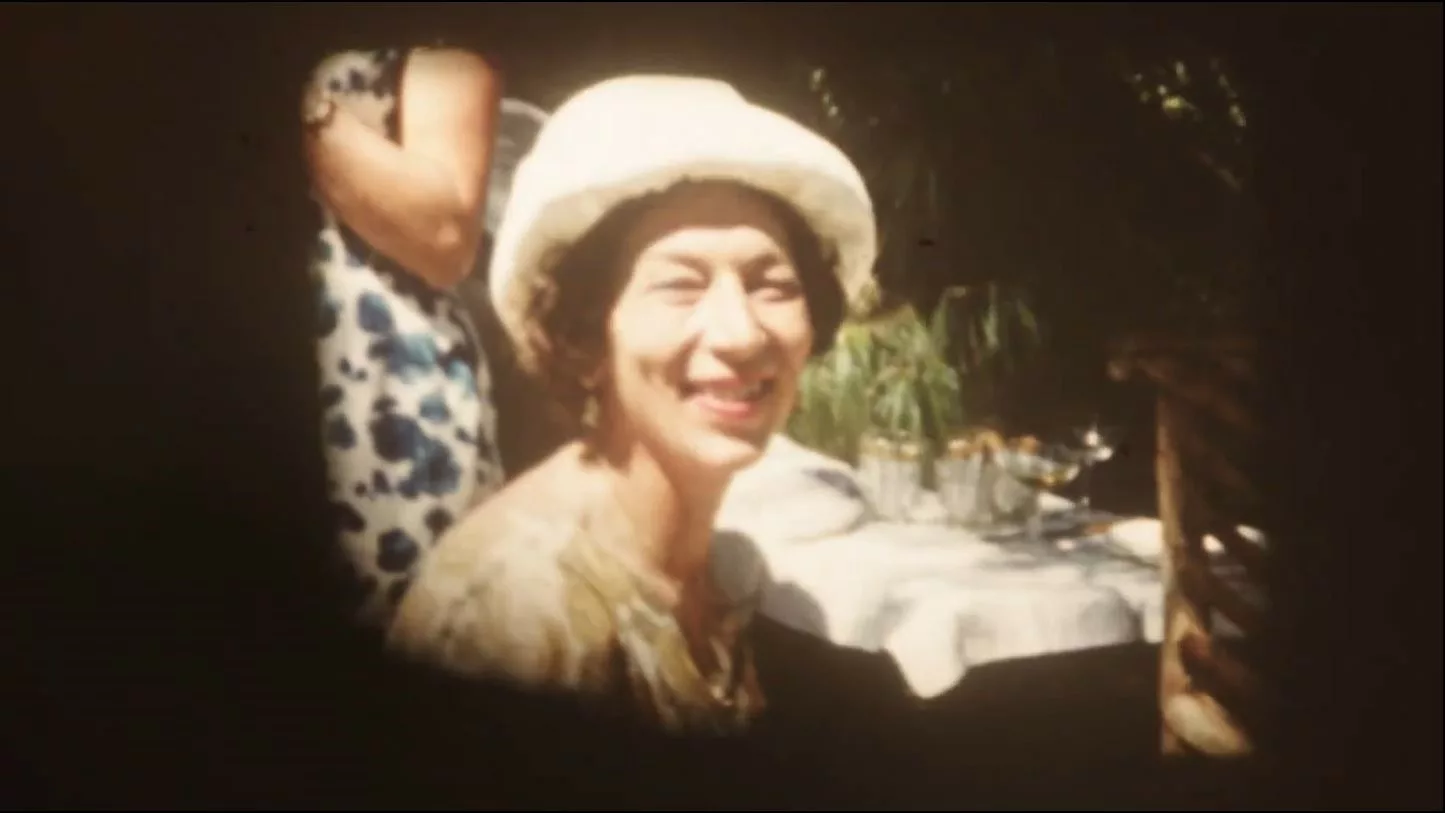
As natural resources grow scarcer under warmer conditions, competition is likely to intensify in numerous regions where various groups rely on the same environments yet hold differing cultural practices and economic priorities. Laikipia’s plight hints at the destabilizing ripple effects forecast for areas most vulnerable to worsening desertification, floods, or food insecurity.
The film also raises thought-provoking insights about colonial legacies still warping modern power dynamics. Through character vignettes, we see how the ranchers’ entitlement derives from their inherited ownership, despite its dubious origins. Their dismissal of the Samburu people’s connection to the land echoes colonial attitudes of racialized dominance.
Meanwhile, Simeon speaks of fighting not just for cattle but for maintaining ancestral traditions already suppressed by colonizers. The government fails to remedy the resulting inequities, prioritizing elites aligned with past ruling powers. These lingering inequalities of access and representation suggest colonies’ aftereffects extend beyond geographic control to ongoing social, economic, and political hegemony—issues with parallels worldwide.
By zooming out to thoughtfully probe such wider contexts amid its intimate character portraits, the documentary amplifies its impact. Viewers walk away not only sympathizing with specific individuals but also appreciating how local tensions represent international threats and demand larger systemic remedies.
The film offers no simple conclusions but inspires contemplation of justice, sustainability, and bridging divides—timely debates as climate and identity politics continue to redraw maps of opportunity, resource governance, and social contracts globally in the coming decades. Laikipia serves as a microcosm to study and hopefully avoid repeating, on grander scales, worse scenarios wherever ownership of land and the future remain unresolved.
Providing Nuanced Insights Into a Complex Crisis
The Battle for Laikipia offers a thoughtful, unflinching look at the human impact of a disaster with no simple resolution. Directors Matziaraki and Murimi skillfully craft intimate portraits of the diverse people caught in this calamity, from anxious ranchers to families fearing for livestock central to their livelihood and culture. We gain an understanding of perspectives on both sides of the conflict while the film avoids taking a definitive stance.
This balanced approach allows for wrestling with the nuances of the crisis. Viewers witness the tensions climate change exacerbates between competing needs and the shortcomings of solutions that do not remedy historical wrongs. Documents shining such a light on pressing issues are critical to raising awareness and discussion. Only through grappling with complexity can we hope to find equitable solutions.
I would highly recommend experiencing this film. Not only are the interwoven stories of Simeon, Maria, and others deeply moving, but important parallels will likely resonate, from indigenous rights to disaster relief. The directors invite reflection on our shared humanity and responsibilities across divisions. Screenings seem poised to spark insightful dialog on climate justice.
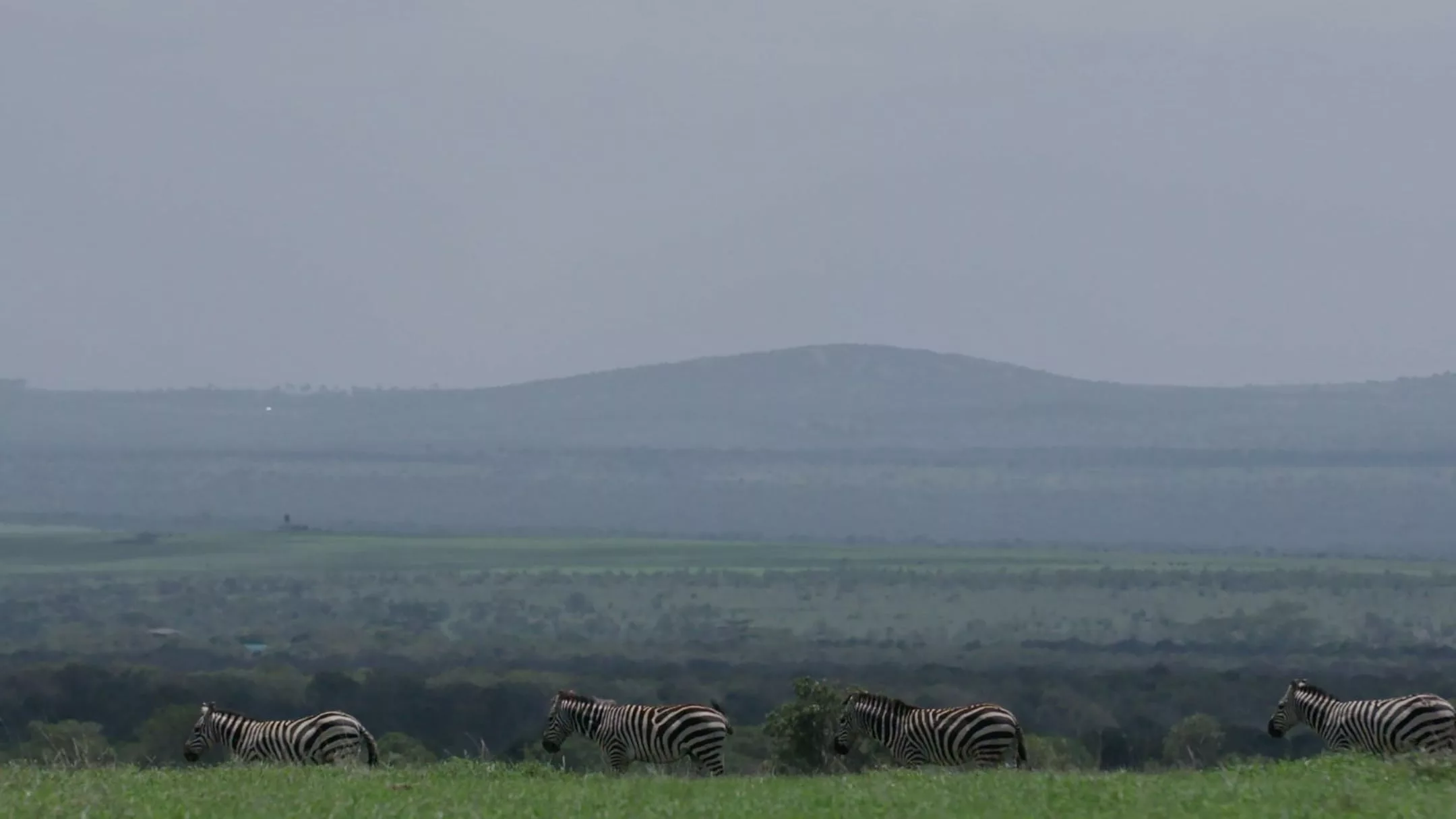
Festival audiences and those passionate about environmental documentaries examining social impacts would especially appreciate this perceptive work. While addressing heavy themes, flashes of beauty, like glimpsing zebras on the plains, maintain hope. The Battle for Laikipia offers no easy answers but plenty to ponder for creating sustainable, reconciled futures.
The Review
The Battle for Laikipia
The Battle for Laikipia provides a sobering yet nuanced portrait of human vulnerabilities exposed by climate change and the complex legacy of colonialism. Directed with deep empathy and care for varied lived experiences, the film illuminates ongoing real-world impacts through intimate character stories from Laikipia. While tackling weighty themes with no simple resolutions, Matziaraki and Murimi's documentary invites meaningful reflection on building more just and sustainable societies.
PROS
- Even-handed, thoughtful examination of a complex issue from multiple perspectives
- Intimate yet sweeping depiction of the drought's human toll through relatable characters
- Timely exploration of climate change is exacerbating resource tensions.
- A subtle yet impactful critique of colonial legacies influencing modern inequalities
CONS
- Can feel slow-paced and dry at times given the heavy subject matter.
- Lacks concrete solutions or a path forward, though this may not be the goal.
- Some scenes of violence or tensions could be difficult for sensitive viewers.