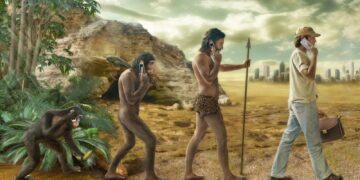

















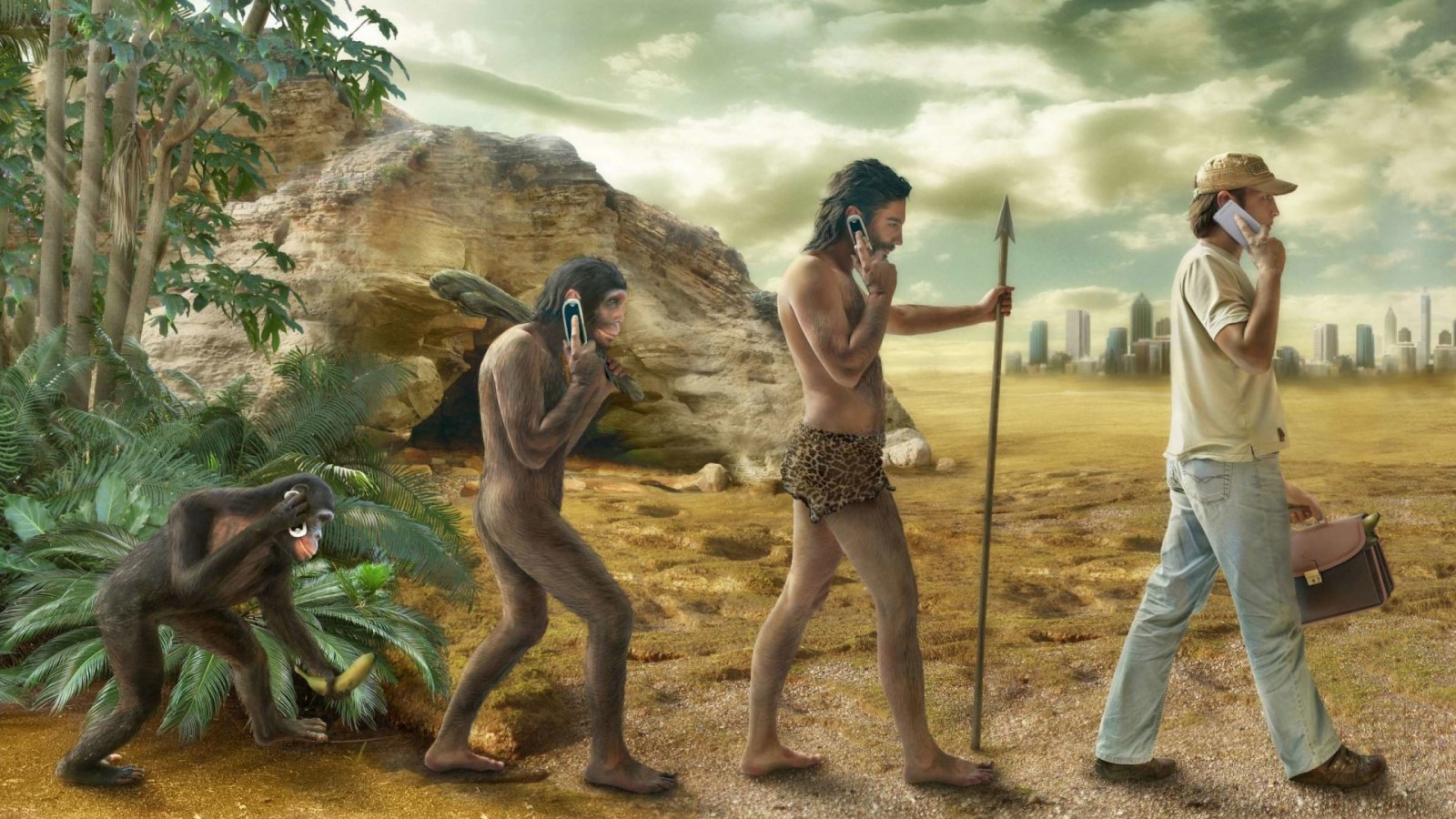

Principles of the theory of evolution discovered by Charles Darwin are clear. The living species change over time, when the natural selection acts on populations, made up of individuals all different. The implications of this and other theories have yet to be understood by society. This is why we have approached evolution in reverse, starting from what it is not (but what everyone thinks it is).
The term evolution means a change over time. For instance, laptops have evolved over the last ten years. However, when biologists talk about evolution, they refer to the history of life. In particular, biological evolution means the development of the various species from ancestral species. The long process of evolutionary development depends on changes in DNA, mutations, which fundamentally change the biology of the organism.
When such changes are favorable to survival, they are retained. If a small population of a few individuals undergoes a significant number of changes – and is geographically isolated from other populations – a new species may emerge.
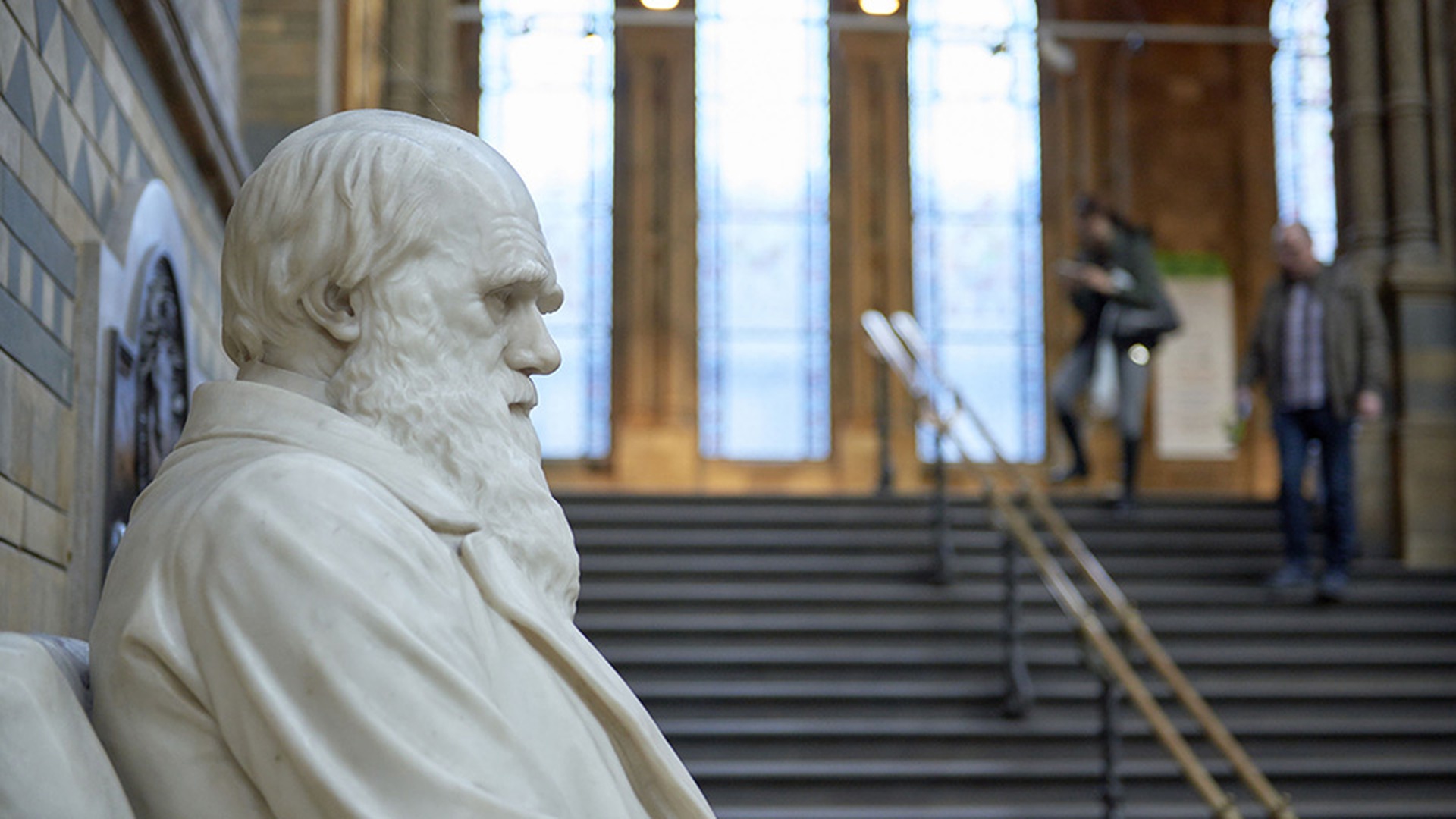
Yes and No. Although evolution is a fact, it is also a scientific theory: however, the meaning of the term is different from what is generally understood. In common sense, a theory is a speculation without too much foundation, usually based on evidence out of the air. From the perspective of science, a theory is rather a complete and confirmed explanation of some aspect of the natural world, achieved through the application of the scientific method.
Theory also allows to explain unknown aspects of nature and within limits also to predict the future. In addition to natural selection, the theory of evolution also incorporates other aspects, such as sexual selection and genetic drift, which complement it.