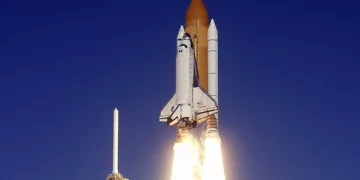


























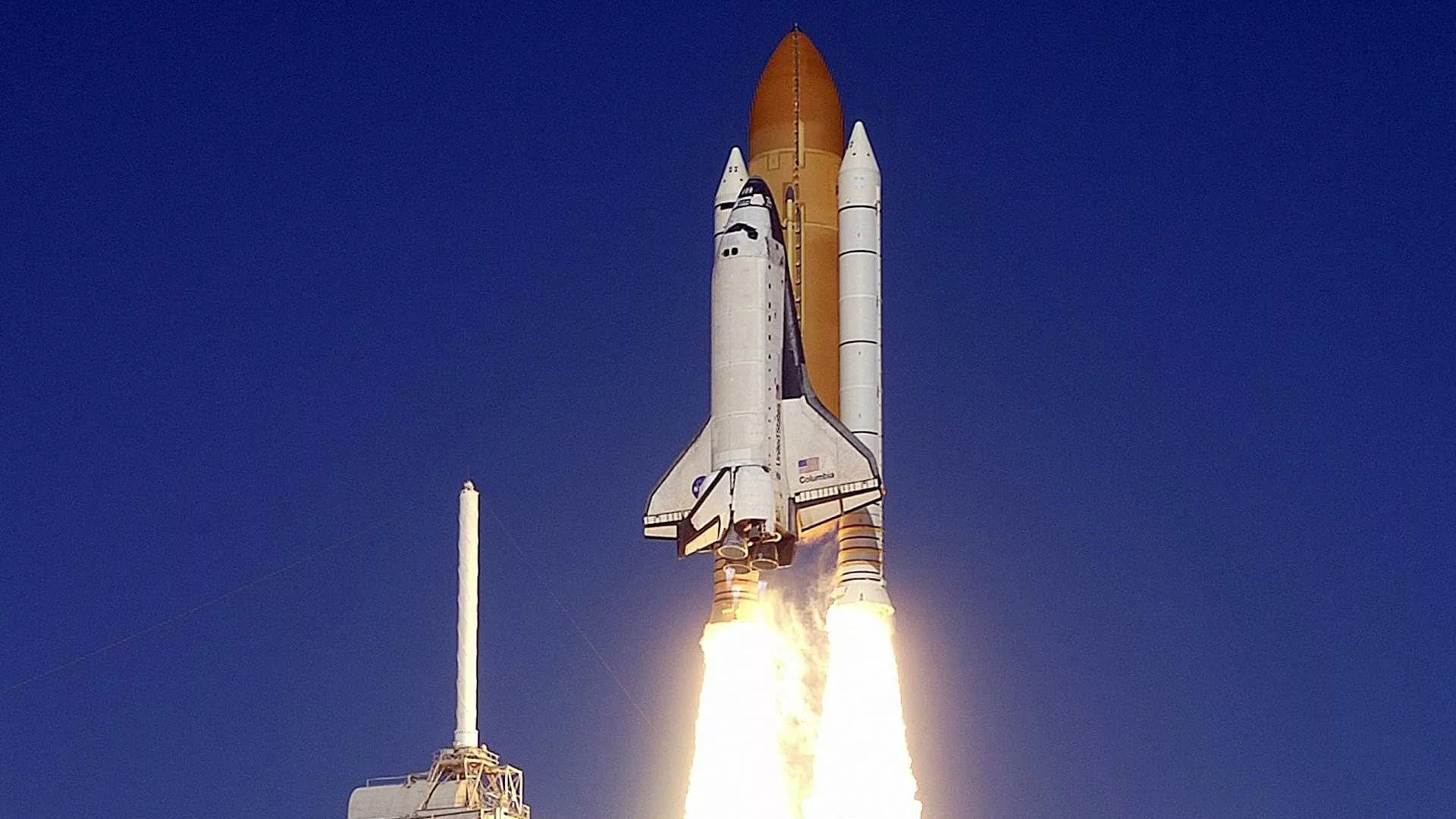

On February 1, 2003, the space shuttle Columbia broke apart over Texas during re-entry, killing all seven astronauts on board and shocking the world. The new BBC docuseries The Space Shuttle That Fell to Earth takes us inside the lives of Columbia’s crew and the institutional failings at NASA that led to disaster.
Through extensive archival footage and interviews with family members, we get to know these astronauts not just as heroes but as real people—parents, partners, and friends who were aware of the risks they faced, yet driven by curiosity and a dream to push the limits of space exploration. However, what the series soon reveals is that this tragedy was preventable. NASA knew of issues with falling insulation foam during launch, which likely caused Columbia’s demise, but repeatedly downplayed concerns raised by engineers. Bureaucratic barriers and rigid hierarchies stifled open communication and critical thinking, allowing warnings to go unheeded.
It’s a sobering look at how even brilliant minds can fail to imagine catastrophe or summon the courage to speak truth to power. The series both memorializes Columbia’s fallen crew and prompts difficult questions about institutional hubris in the relentless quest for discovery.
Getting to Know Columbia’s Crew Before Disaster Strikes
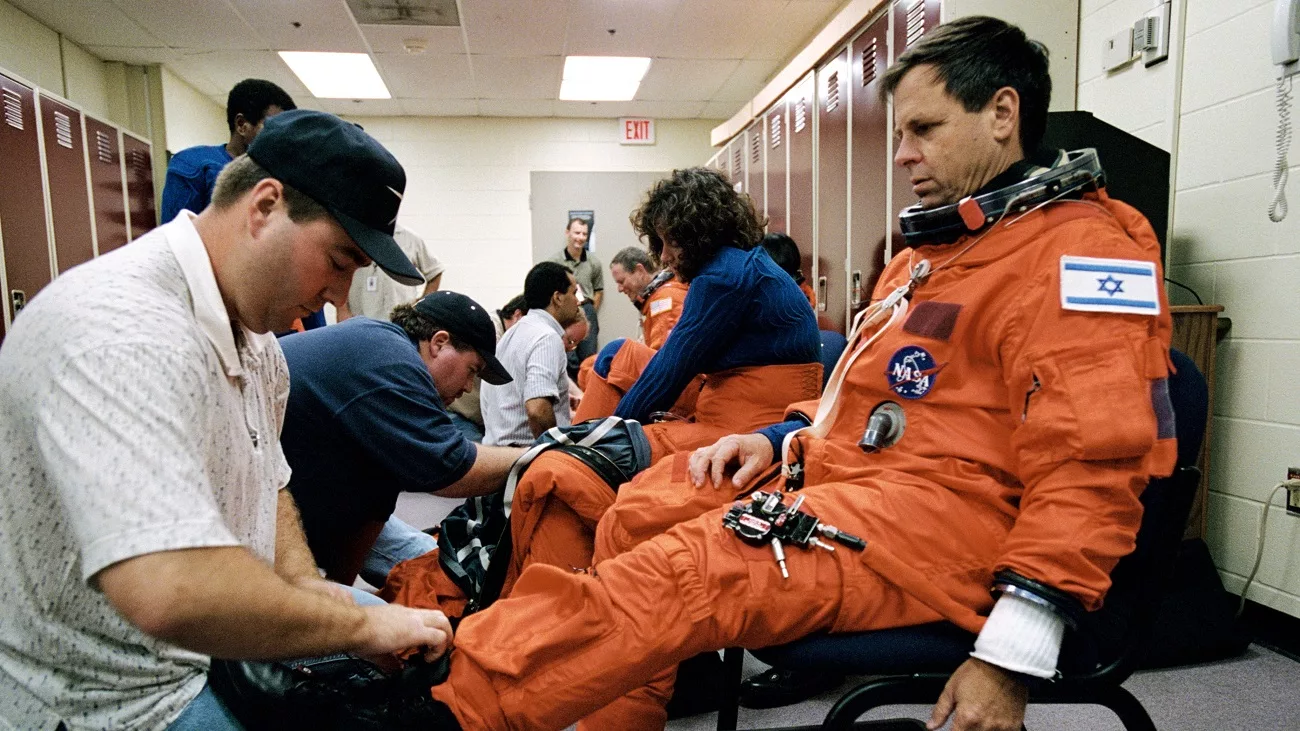
The first episode of The Space Shuttle That Fell to Earth sets the stage for tragedy, while introducing us to the lively human beings at the heart of the Columbia story. Through interviews and archival footage, we meet commander Rick Husband, pilot William McCool, and crew members Kalpana Chawla, Michael Anderson, David Brown, Laurel Clark, and Ilan Ramon—experienced astronauts as well as first-time shuttle flyers. We see them joke during pre-flight training, express awe at riding aboard Columbia, and say painful goodbyes to anxious family members like Husband’s wife Evelyn and Ramon’s young son Tal.
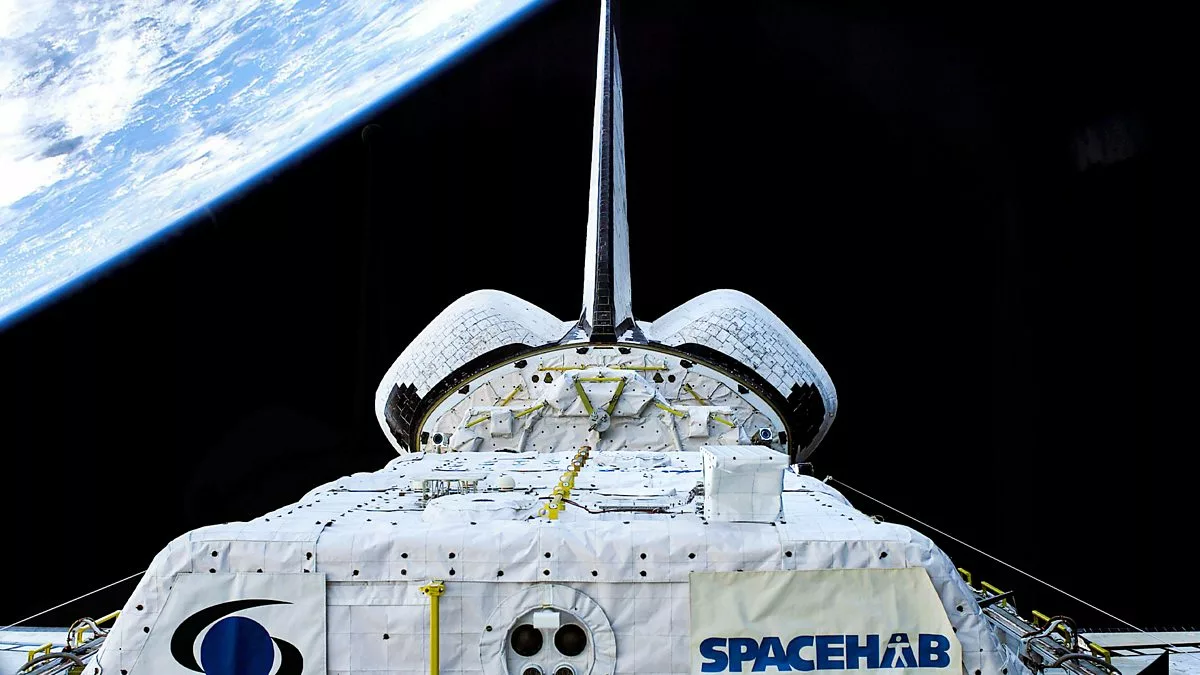
Despite delays due to cracked fuel lines, the launch proceeds on January 16, 2003. But during liftoff, cameras capture falling debris striking Columbia’s left wing—something that has occurred numerous times before without incident. NASA employees quickly dismiss it as minor foam insulation damage, reassuring the crew there are “no safety of flight issues.” As Columbia successfully completes its 14-day research mission, tensions build as engineers push for imagery of the wing while NASA management remains eerily silent.
When Columbia disappears on re-entry over Texas, horrified onlookers describe loud explosions and trails of smoke filling the sky. Dramatic amateur footage captures the orbiter breaking into pieces. Through tearful interviews, we gain perspective on the shockwaves sent through families and communities suddenly grieving the unthinkable loss of seven pioneers who bravely expanded our understanding of life in space.
How Complacency and Bureaucratic Failures Doomed Columbia
The physical cause behind Columbia’s catastrophic demise during re-entry is clearly explained—the foam debris that struck its left wing 82 seconds after liftoff damaged the heat-resistant tiles designed to shield the orbiter from intense temperatures. But more chilling is the organizational negligence and bureaucratic inflexibility that allowed the tragedy to unfold.
The series reveals that foam strikes during launch were far from an anomaly, having occurred on over 65 prior shuttle missions spanning back to 1983. But since no disasters happened before, NASA management essentially accepted debris strikes as routine, failing to view them as the serious threat they posed. Despite urgent requests from engineers, no imagery of Columbia’s wing damage was obtained for full assessment before re-entry.
Multiple interviewees highlight a stifling culture that inhibited effective communication at NASA. Foam strike incidents were normalized rather than adequately investigated. An engrained hierarchy and strict protocol prevented engineers from elevating their concerns when higher-ups continuously dismissed them. Many still carry guilt over not doing more to get around barriers even as they admit to feeling powerless before them.
In an environment ruled by chain-of-command formality, critical thinking was avoided rather than encouraged. Worst case scenarios were ruled out based on past luck rather than prudent risk analysis. The crew was kept unaware of the damage’s potential severity, robbing them of involvement in decisions that ultimately proved fatal. Fear of embarrassment also led NASA to avoid seeking Department of Defense imaging assistance that could have revealed the necessity of a risky but perhaps life-saving rescue mission.
Through systemic lack of foresight and unwillingness of personnel across varying positions to challenge leadership, Columbia’s demise emerged from a series of small, seemingly innocuous decisions. But it shockingly highlights the catastrophic potential of normalized deviance and stifled critical thinking, no matter an organization’s capabilities.
“Discover the powerful story of childhood and resilience in our We Grown Now review. Journey through the lives of Malik and Eric as they navigate the challenges of growing up in Cabrini-Green in the early 90s.”
Honoring Columbia’s Heroes and Their Loved Ones’ Sacrifice
While scrutinizing NASA’s failures, the series never loses sight of the inspiring individuals who lost their lives in mankind’s quest to explore space. Through intimate interviews with grief-stricken but proud family members, we gain insight into who the Columbia seven were beyond their astronaut titles.
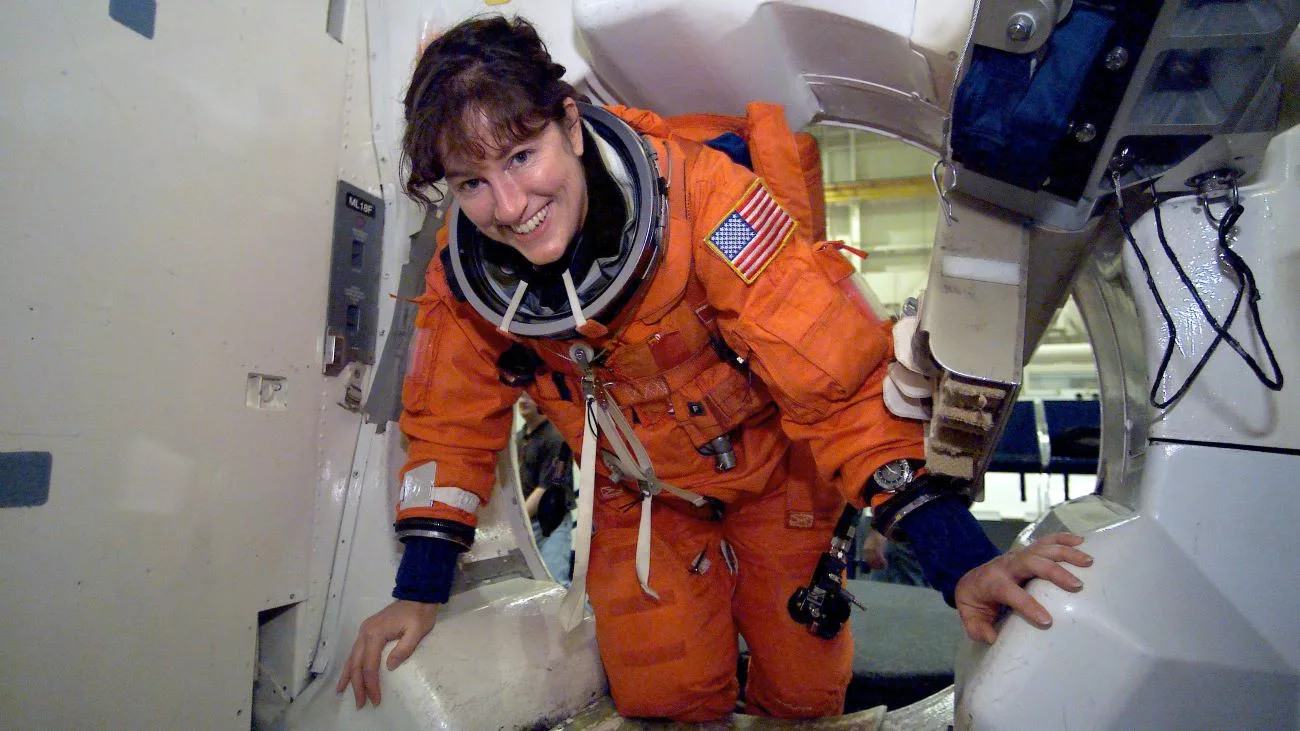
We hear tributes from Husband’s wife Evelyn, Anderson’s wife Sandy and daughter Kaycee, Brown’s fellow astronaut Scott Parazynski, and others affected by the crew’s passions and sacrifice. They offer perspective on the dangers willingly faced for the higher cause of discovery, recounting goodbyes said in their final days with resigned optimism rather than foreboding. First-time flier Laurel Clark is described as giddy with excitement upon reaching space, while Israeli payload specialist Ilan Ramon viewed his role as an honor for his country.
As Sandy Anderson reflects on her admiration of her husband’s dedication despite her anxiety, their daughter Kaycee pays the crew a poignant compliment: “They weren’t the best because of how they died; they were the best because of how they lived.” Through the grief, there is celebration of seven remarkable lives devoted to progress until their last moments. Though the avoidable nature of their deaths prompts difficult questions, the series makes clear that Columbia’s fallen haven’t been forgotten—not their accomplishments, bravery, nor the families who supported their journeys beyond our atmosphere.
What Must Change to Avoid Repeating Past Mistakes
Interviewed former NASA personnel reflect soberly on the mistakes made leading up to disaster, resolving to heed unlearned lessons. Many express regret that engineers weren’t more insistent in demanding imaging of potentially mortal wing damage. Safety adviser John Grunsfeld notes that while scarier rescue scenarios were proposed during Columbia’s mission, fear of failure and embarrassment led management to avoid pursuing them once catastrophe was probable.
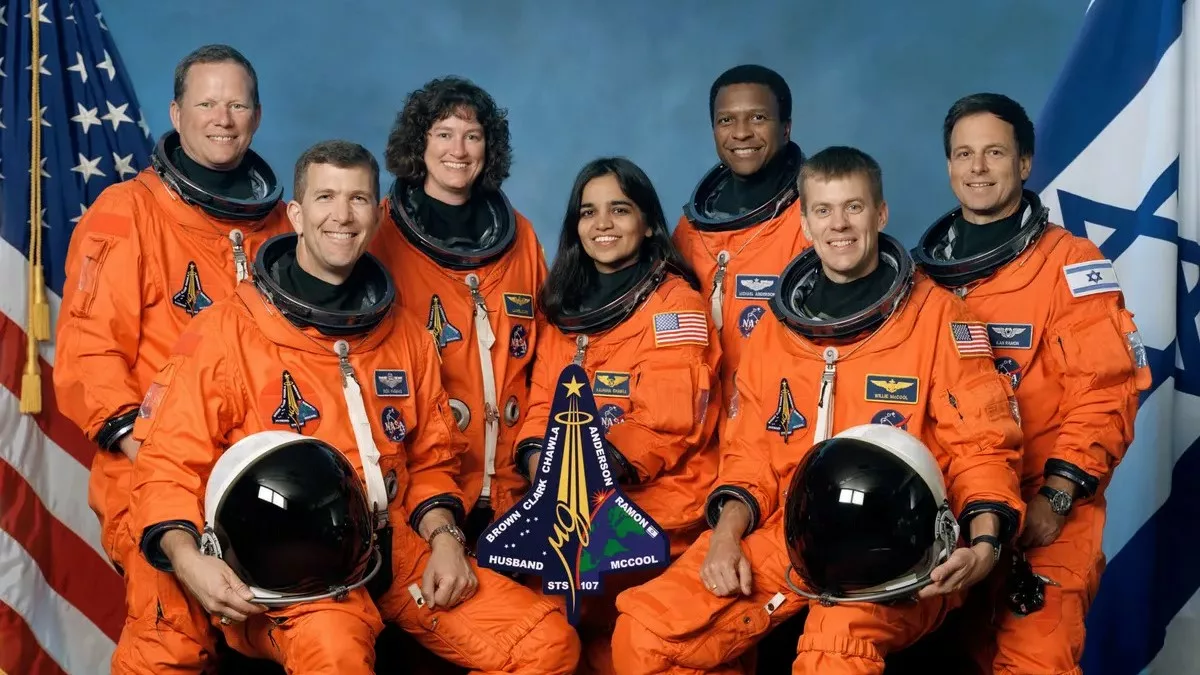
Investigator Scott Hubbard highlights pivotal communications breakdowns, stating “we must have channels where problems can surface early” without inhibitions. Rodney Rocha admits that despite procedural barriers, those aware of the danger still feel they should have found courage to confront supervisors. Outrage remains palpable over warnings that were minimized for want of definitive proof, when gathering additional data should have been the priority.
In tragedy’s aftermath, considerable changes aimed to encourage openness were implemented at NASA. An independent team must now verify shuttle safety prior to missions, while management undergoes communication training to foster transparency. Groupthink avoidance and techniques have been instituted allowing individual opinions to be heard.
Rocha stresses that all employees must feel able “to talk when they’re not comfortable” without fear of repercussions. Because while better technology and oversight are key, the human tendency toward complacency and reluctance to challenge authority represent ongoing perils. Honoring Columbia’s lost crew means cultivating a culture where no concern is too small to raise, and all lives too precious to cut short needlessly again.
Gut-Wrenching Portrayals of Hope and Loss in Space
Perhaps the most poignant aspect of The Space Shuttle That Fell to Earth is its ability to devastate viewers even knowing catastrophe looms. We see the Columbia astronauts as vivacious, driven individuals brimming with awe at the wonders of space travel.
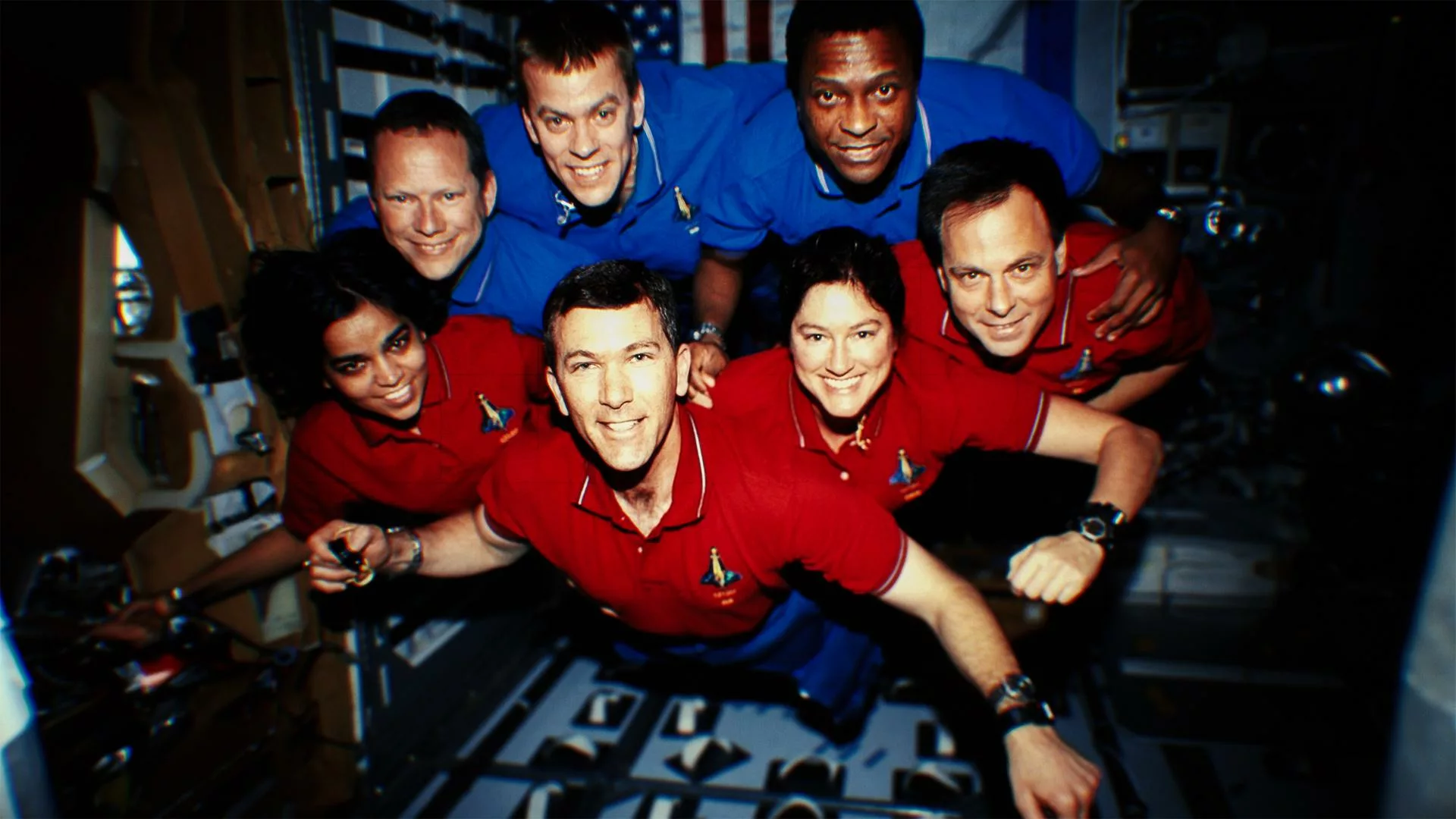
In moments of levity from the shuttle, their tight-knit camaraderie reminds us that these are more than distant heroes–they’re human beings who laugh, dream, and feel wonder as we do. As events hurtle towards disaster, a sickening sense sets in that we’re privy to things unknown to those floating so happily before us. When families recall saying casual goodbyes to loved ones they’ll never embrace again, it’s utterly heart-rending.
Amateur footage capturing Columbia breaking apart leaves us gasping though we knew what was coming. Through impassioned interviews and candid archival glimpses, we bond tightly with those lost in pursuit of discovery. So when their fates close in, we feel accutely the painful irony of pioneers who gave their lives while remaining unaware space had failed them until the very end.
An Unflinching Look at Avoidable Tragedy and Irreplaceable Loss
The Space Shuttle That Fell to Earth concludes by accomplishing a delicate balance—memorializing Columbia’s fallen crew as heroes pursuing humanity’s relentless quest for discovery, while refusing to shy away from questioning the institutional failures that cut their lives tragically short.
In somber interviews, we see NASA personnel, family members, and investigators still wrestling with sorrow, shame, and the ripple effects of disaster 20 years later. But there is also inspiration to be found in remembering the courage of seven pioneers who touched space’s timeless splendor—if only briefly—before fate intervened.
While a desire to understand NASA’s flaws and prevent future catastrophes motivates the series, honoring who these men and women were as partners, friends, parents, and explorers remains at its heart. Their loss diminishes all of us, but through reflecting on their memory and heeding their story’s difficult lessons, we begin to make peace with angels taken too soon from our midst.
The Review
The Space Shuttle That Fell to Earth
Poignant and revelatory, The Space Shuttle That Fell to Earth memorializes the talented individuals lost in the Columbia tragedy while bravely confronting the organizational hubris and dysfunction that failed them. Unflinching yet humane, it earns our tears and our conscience.
PROS
- Deeply moving personal stories about the lost crew
- Thorough investigation into NASA's organizational failures
- Captivating blend of archival footage and interviews
- Avoids sensationalism despite shocking revelations
- Insightful analysis of bureaucracy and groupthink dangers
- Lessons learned prompt important questions
CONS
- Story is upsetting despite knowing the outcome
- Details on technical causes may challenge some viewers
- Run time and cast of characters make it quite dense