















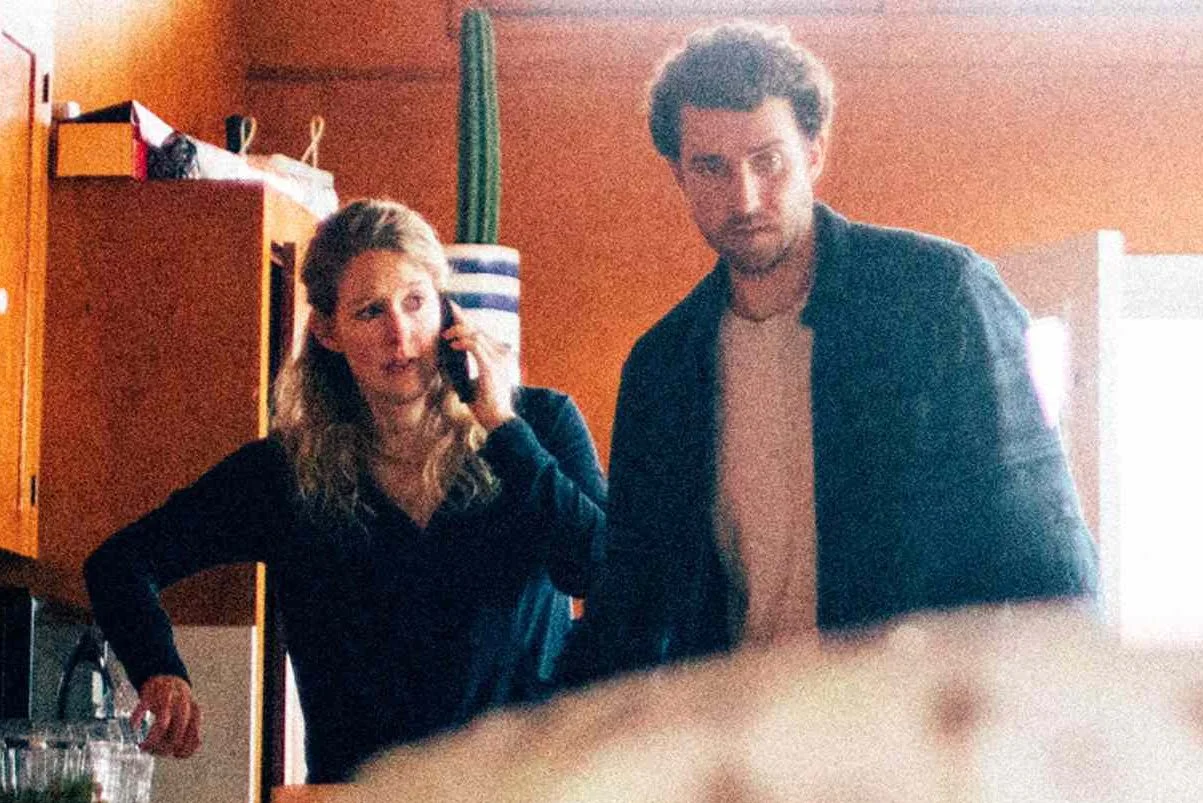

Billy Evans, the partner of imprisoned Theranos founder Elizabeth Holmes, says he loves the hit documentary “You Can See Everything,” even though it casts him as a controlling, unsettling presence. Evans made the remarks in his first television interview, aired on “CBS Sunday Morning” with chief correspondent Matt Gutman. He conceded the film makes him look “crazy” but said he had no control over the edit. “I would have preferred for that not to be the case, but it’s entertainment,” he said. He also said he was glad Amanda Seyfried was included in the film.
Directed by Nathan Fielder and Lance Oppenheim, the three-hour documentary follows Holmes and Evans in the weeks before she reported to prison. Viewers fixated on scenes in which Evans takes a bowl of eggs from Holmes, telling her she whisks them wrong, and claims to know what Fielder is thinking. He also reveals that he holds power of attorney over Holmes and manages her social media accounts.
Seyfried, who won an Emmy for playing Holmes in Hulu’s “The Dropout,” appears on screen in some of the film’s most combustible moments. Reports describe a shouting match with Evans over Charlie Kirk, whom Evans supports. Entertainment outlets have also reported that Seyfried bluntly called him crazy and feared the project could damage her career.
Evans says the film’s central achievement is its portrait of Holmes. “When I watch that movie, I see the person that I love in exactly who she is,” he told Gutman. Holmes insisted she wanted no financial gain from the project, and on-screen text says Evans ultimately declined any payment.
Holmes remains in federal prison on wire fraud and conspiracy convictions. She claimed Theranos could run a battery of medical tests from a single drop of blood, and that claim was found to be fraudulent. She maintains her innocence. The couple have two children.
Evans said the press scrutiny Holmes endured taught them a hard rule. “You can’t lose your voice,” he said. The documentary has grossed over $80 million worldwide, and speculation has grown that it could become the first documentary nominated for best picture at the Oscars.