
























![Kingdom Hearts Collection [I-III] Review](https://gazettely.com/wp-content/uploads/2026/10/Kingdom-Hearts-Collection-I-III-1-360x180.webp "Kingdom Hearts Collection [I-III] Review: KHII Holds Steady as Newer Entries Fluctuate 37")



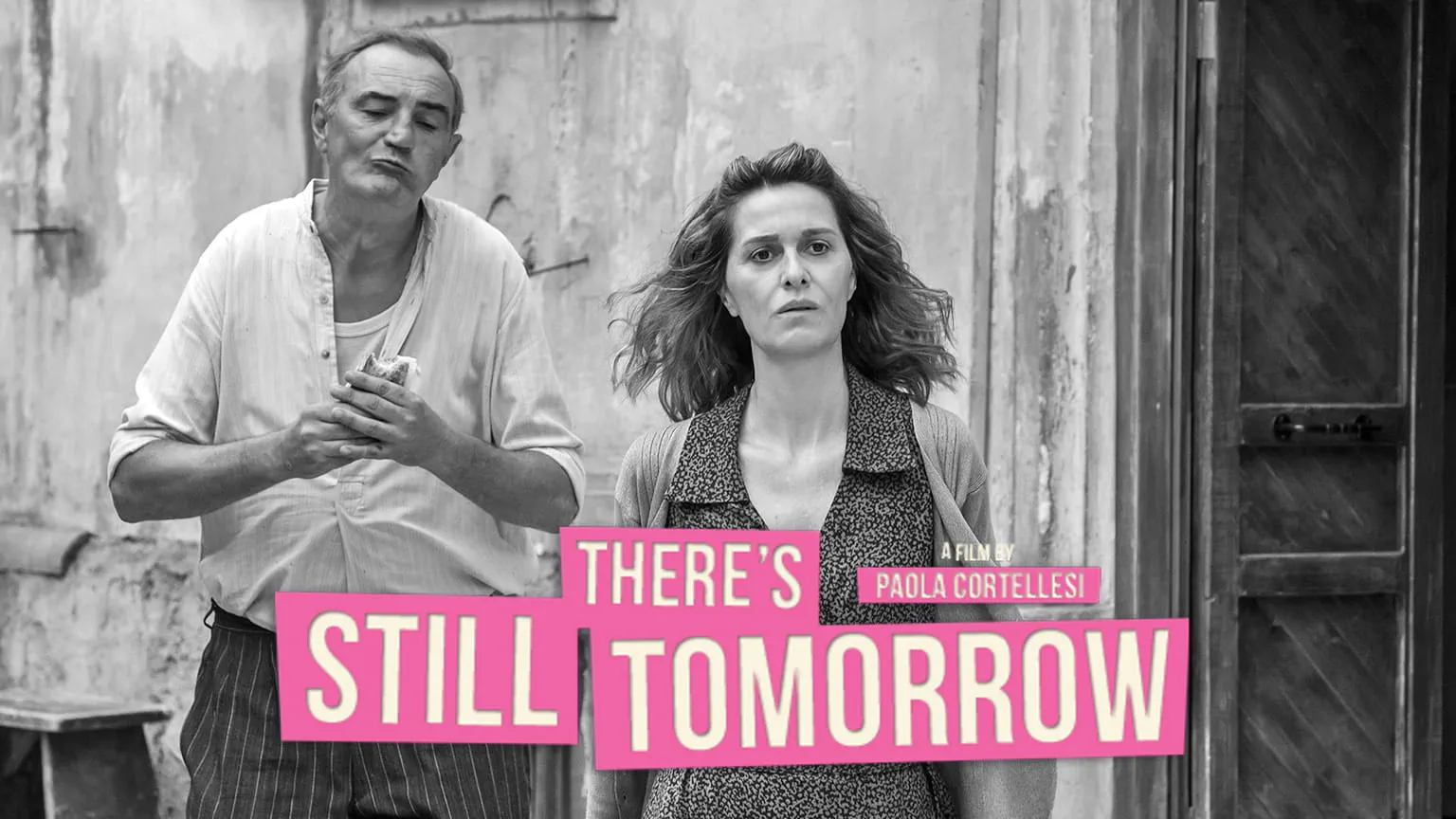

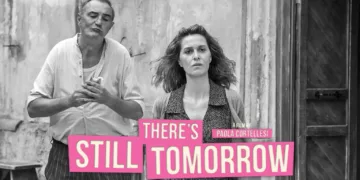
In Paola Cortellesi’s directorial debut There’s Still Tomorrow, a ray of hope emerges from the ashes of post-war Rome. It’s 1946 and the city is still recovering from immense damage both physical and spiritual. Among the ruins lives Delia, played vibrantly by Cortellesi herself.
As a mother of three working tirelessly to support her family, Delia’s days are filled with toil and darkness. Her husband Ivano subjects her to relentless abuse, representing the cruel machismo that dominated the era.
Yet Delia’s indomitable spirit refuses to be broken. In her we see the resilience of women in the face of extreme hardship. Though surrounded by misogynistic attitudes and lacking any means of independence, Delia’s humanity shines through with quiet grace. She cares for her children and father-in-law with deep compassion.
When an opportunity for escape appears from an old flame, a glimmer of tomorrow enters Delia’s world. Cortellesi imbues her with a restrained but powerful inner force, leaving us hoping that Delia may find the strength to change her fate.
Cortellesi’s direction beautifully evokes the neorealist works that came before. Her black and white cinematography frames Delia’s reality with stark poetry. Gritty location shooting places us directly within the rubble-strewn streets. But Cortellesi also brings modern flair, like juxtaposing the physical abuse with dance-like choreography.
Above all, she crafts in Delia an eternal symbol of a woman’s resilience and a nation’s hope of rebuilding from the ruins of war towards a future of brighter promise. There’s Still Tomorrow presents a moving portrait of everyday struggles and quiet heroes that will linger with audiences for tomorrows to come.
Breaking the Silence: Cortellesi’s Cinematic Voice
Paola Cortellesi’s directorial debut There’s Still Tomorrow tells a compelling story through a deliberate visual style. In her portrayal of post-war Rome, Cortellesi embraces the iconic black and white aesthetics and true-to-life locations of Italian neorealism. From the opening shot, minimalist in form yet rich in nuance, she draws us deeply into Delia’s world.
Cortellesi channels the influential works of De Sica and Rossellini that came before her. Like them, she turns her lens on everyday struggles in a depleted society. Through long takes and sparse production, she immerses us in a gritty reality. But Cortellesi is also an innovator, finding poetry within bleakness. A dog’s interruption amid hopeful song adds depth few would notice.
Specific techniques pay homage to neorealist roots while advancing the genre. Cortellesi’s choreography stands out – violence expressed through dance lends absurdity to a serious issue. She balancing tragedy and levity through surrealism rather than didacticism. Her use of music also shapes the film’s tone in subtle yet profound ways; from melancholic score to jarring credits tune, each choice feels deliberate.
This marriage of past and present storytelling results in a uniquely affecting drama. By emphasizing authentic settings over constructed ones, Cortellesi locates truth within fiction. Her neorealist lens amplifies complex issues that remain relevant today. In bringing overlooked stories to light, she breaks silences that have endured too long. Through artistry and empathy, Cortellesi gives voice to the unheard and hope to those without words of their own. Hers is a debut that will echo for many tomorrows to come.
Cortellesi’s Sacrifice: Embodying Delia’s Struggle
Paola Cortellesi brings Delia to life in a deeply affecting performance. Through posture alone, she captures the character’s weariness and resignation to hardship. In each scene, you feel the weight of responsibility weighing on Delia’s shoulders. Yet beneath the exhaustion, a glimmer of hope and humanity remains.
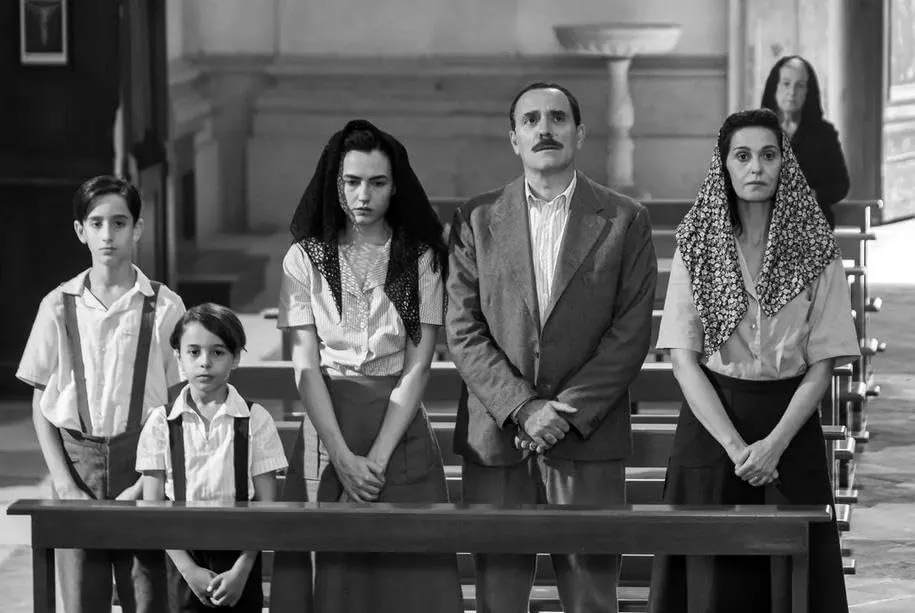
Cortellesi imbues even Delia’s smallest actions with volumes of unspoken pain. From stiff movements bearing the marks of past abuse to her eyes downcast under the “baleful eye” of men, the character’s suffering is palpable. But Delia’s quiet defiance is also apparent in her resilient spirit. No matter the blows against her, Cortellesi ensures we see Delia’s compassion for her family and pursuit of dignity intact.
What’s remarkable is how Cortellesi balances these complex emotions without melodrama. She locates traces of humor in even tragic scenes, conveying Delia’s perseverance through dark humor rather than despair. Whether reacting to children’s antics or dancing absurdist violence, her ability to surface lightness amid darkness is profoundly moving.
Through Cortellesi’s portrait, Delia becomes a symbol of sacrifice – what selfless mothers endure to protect their children. But she also represents hope that new days may dawn, as visible in tender care for others despite personal torment. By film’s end, Delia emerges transformed, moving beyond suffering to stake claim over her own future.
Cortellesi carries the weight of this impactful narrative with incredible subtlety and soul. She ensures we walk in Delia’s shoes, feeling each step of her courageous journey. Through her singular performance, Cortellesi breathes fullness into an icon of Italian resilience whose influence will only continue to grow.
Uncover the dark side of influencer culture in our Mind Body Spirit review. Follow Anya’s journey as she discovers disturbing secrets within her grandmother’s home, blending yoga with eerie ghost stories. Click here to read and explore this psychological thriller that will leave you questioning reality.
There’s Still Hope
This film takes on profoundly moving themes that continue to resonate. At its core is the enduring struggle against domestic abuse and violence towards women. Cortellesi transports viewers back to a time when such actions occurred behind closed doors, unpunished and even accepted. We feel Delia’s entrapment and silently urge her to break free from Ivano’s control.
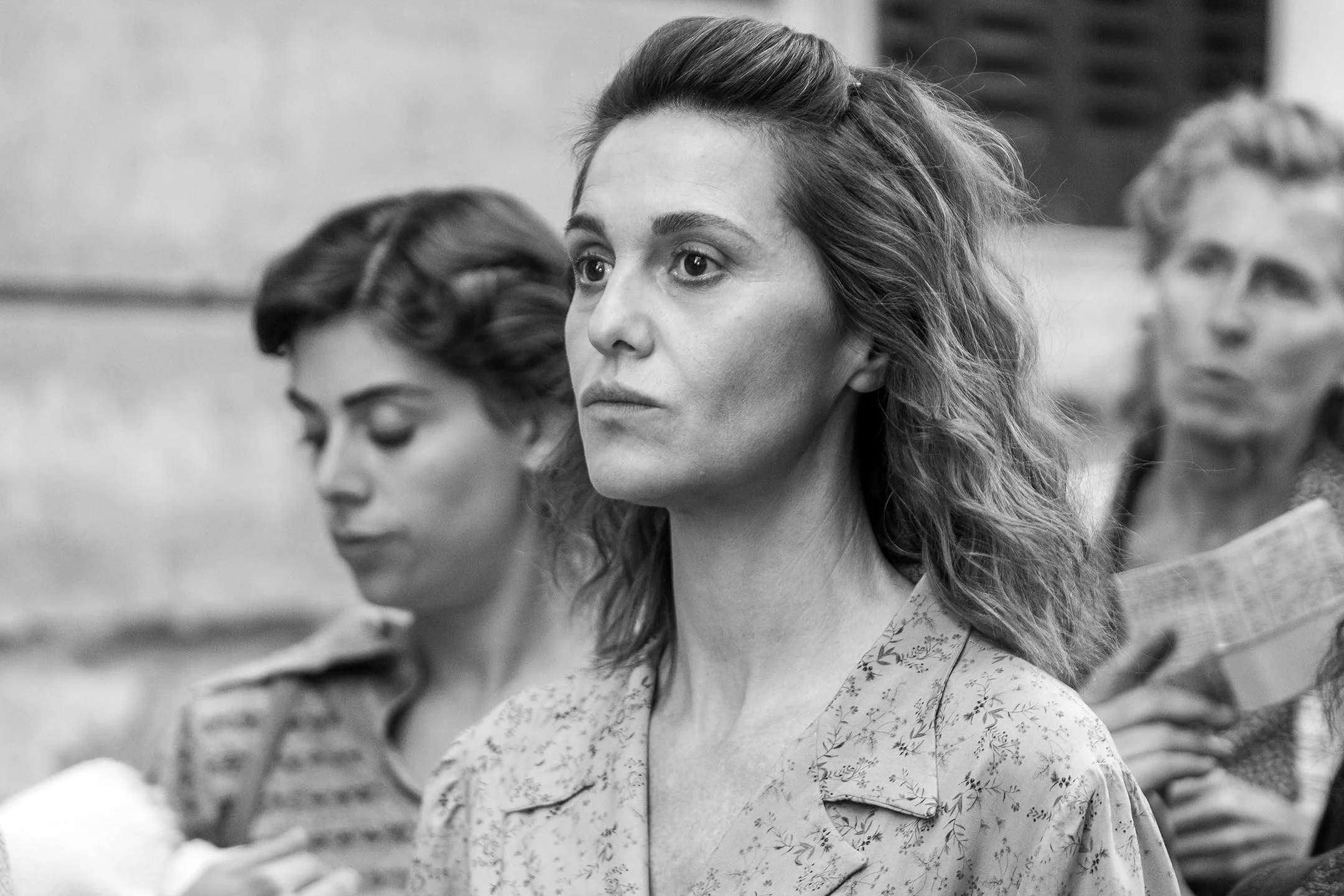
Woven into this is a comment on the women’s rights movement in postwar Italy. Delia slowly gains awareness that her circumstances could improve. While society remains unsupportive, she senses winds of change sweeping through her country as it reforms. Her growing empowerment emerges against this backdrop of advancing liberties.
But what gives the story its inner strength is Delia herself. Through every hardship, Cortellesi ensures we see her humanity – her love for family, dark humor in adversity, hopes that never expire. She endures each challenge with perseverance that inspires. Even at her lowest, a flame still flickers awaiting its moment to ignite.
This is where Cortellesi crafts a tale of quiet triumph. Just as Delia perseveres through individual trials, the film examines how entire societies can evolve. It suggests that oppressive systems, through persistence and courage of many souls, face erosion. From the ashes of tragic eras, new days which once seemed impossible can emerge.
Ultimately Theres Still Tomorrow instills hope that light may dawn, as it did for Delia and postwar Italy. Some escape their prisons through their own will to survive. And cultures themselves, through shared conviction of their peoples, leave dark chapters behind. This is a film about persevering until freedom is won against any odds.
Exploring Cinematic Styles and Social Themes
There’s Still Tomorrow draws clear inspiration from iconic Italian films while crafting its own distinct vision. Cortellesi demonstrates mastery of neorealist techniques reminiscent of Bicycle Thieves – using unknown actors, location shooting and gritty realism.
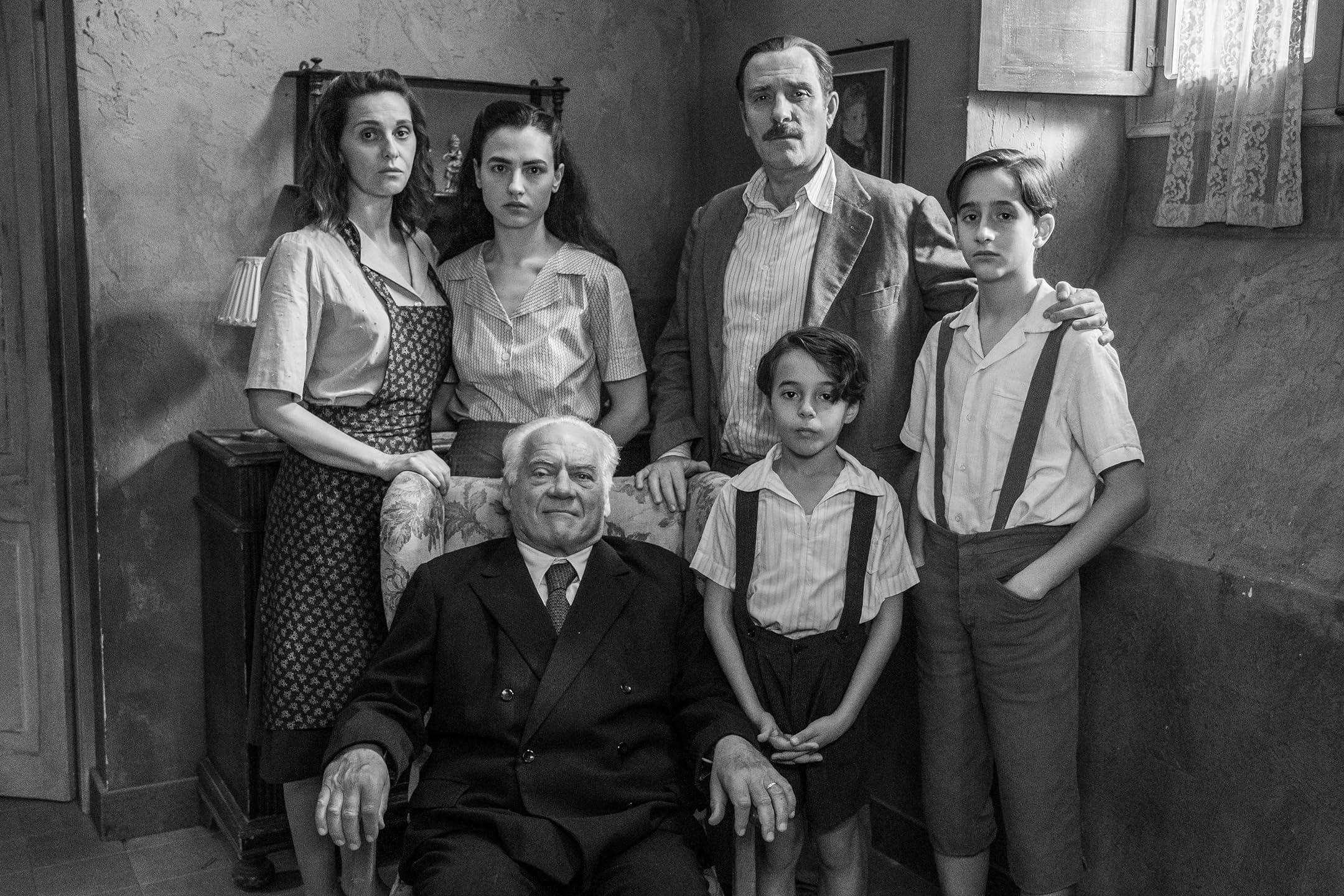
Yet the story takes unexpected creative licenses. Scene choreography turns abuse into an unsettling dance, blurring reality. A surprise outcome leaves normal logic behind. These magical touches deepen the emotional impact.
By weaving in whimsy, Cortellesi brings levity to heavy themes. But she ensures social commentary remains clear. Through Delia, we see what it meant to be a woman in post-war Italy – trapped by domestic violence, with few options for escape.
The historical setting reminds us how recently such oppression existed and remains current worldwide. But Cortellesi communicates social progress too – through newly empowered women and supportive strangers from other cultures.
Her non-linear narrative keeps viewers engaged, while unexpected plot moves provoke thoughtful re-examination. We discover layers beneath the surface and in Delia herself, a resilience that defies suffering.
Cortellesi proves herself a master of her craft through technical prowess and creative innovation. She breathes new life into classic styles by blending realism with surrealism, tragedy with moments of joy.
The result is a film that entertains while spurring reflection. Theres Still Tomorrow demonstrates how art can illuminate the human condition and society’s enduring capacity for positive change. In Cortellesi’s skilled hands, cinema remains a vehicle for both social commentary and hope.
Breaking Box Office Records
Cortellesi’s directorial debut far exceeded expectations at the Italian box office. Taking the number one spot last year, There’s Still Tomorrow attracted more viewers than even highly anticipated films like Barbie. This is impressive for any movie, but especially remarkable given certain factors working against it.
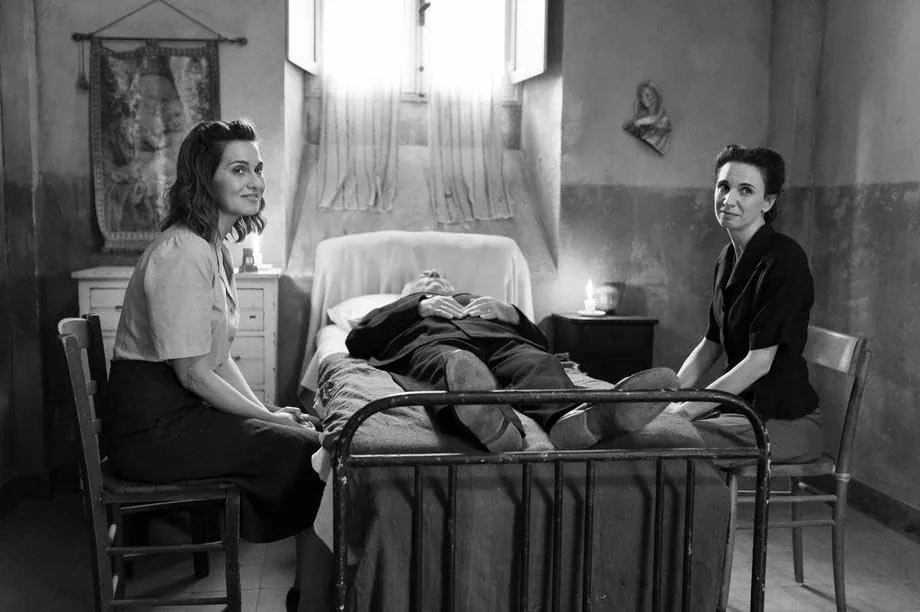
Shot entirely in black and white, the film harkened back to the neorealist style of revered Italian classics. Its tale of domestic abuse also seemed a bleak subject. Yet audiences flocked to theaters, showing that dark themes and outdated styles need not spell box office doom.
Reviews helped spread the word. Italian critics praised Cortellesi’s technical prowess and paying tribute to her cinematic influences. Her nuanced direction turned a difficult topic into compelling, emotionally satisfying entertainment.
International reviewers were also won over. Critics in the UK noted the film’s surprising tone – blending tragedy, comedy and moments of joy. They saw in Cortellesi a masterful command of her craft.
This acclaim only grew as more markets opened to the film. There’s Still Tomorrow became a sleeper international hit, finding receptive audiences well beyond Italy.
The true measure of success is honors received from peers. There’s Still Tomorrow swept Italy’s David di Donatello awards, considered that country’s Oscars. Cortellesi gained Best Actress and Best Director, capping her brilliant debut efforts.
With blockbuster returns and widespread praise, Cortellesi’s neorealist vision has undoubtedly struck a chord. Her skilful hand revitalized beloved styles to powerful and moving effect.
Cultivating Hope
There’s Still Tomorrow leaves an impact that will linger with viewers. Cortellesi’s directorial debut tells a story both timely yet timeless in its exploration of domestic abuse and women’s empowerment.
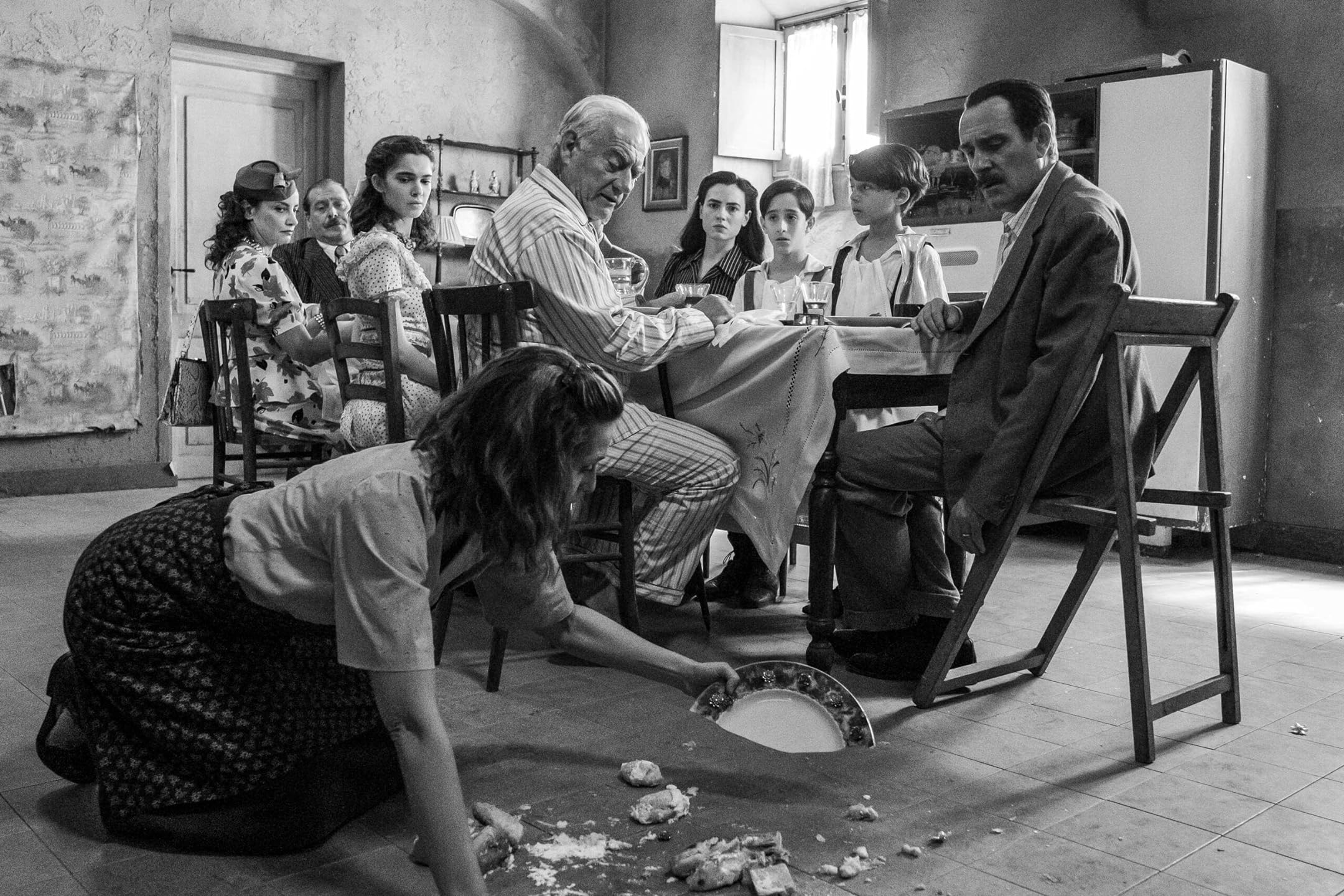
While setting her film within a specific historical context, Cortellesi draws out themes that remain poignantly relevant. She breathes new life into classic neorealist styles to shine a light on issues still far too prevalent today.
More than portraying hardship, Cortellesi populates her world with persevering souls showing the indomitable human spirit. In Delia, she crafts a heroine who awakens our admiration through quiet acts of courage. Even in distress, Delia embodies the hope that determines change.
It is this hope the film cultivates so meaningfully. Not through flashy artifice but grounded authenticity, Cortellesi summons hope from ashes. She reminds suffering people everywhere they do not walk alone. By witnessing Delia’s journey, audiences draw encouragement from her example.
There’s Still Tomorrow has struck international chords for excelling on its own merits. Yet more than accolades, the film offers comfort, provokes thought and strengthens compassion. For these profoundly moving gifts, cultivating audiences globally can only spread its worthwhile messages further. This reviewer wholeheartedly recommends absorbing Cortellesi’s neorealist vision for the memorable experience it is.
The Review
There’s Still Tomorrow
Paola Cortellesi's directorial debut is a resounding success. Marrying neorealist styles with modern flair, she crafts a moving tableau that honors the past while speaking urgently to the present. Cortellesi brings nuanced empathy to pressing social issues through characters that nestle in the memory. There's Still Tomorrow rises above any single element to offer an experience that educates, awakens our humanity, and leaves hope in its wake.
PROS
- Powerful portrayal of important social issues
- Evocative neorealist style and period setting
- Nuanced and emotive performance by Paola Cortellesi
- Clever screenplay that subverts expectations
- Strong sense of empathy without glorifying abuse
- Rouses admiration through depicting hope and perseverance
CONS
- Some scenes of violence may disturb sensitive viewers
- Occasional melodrama that risks sentimentality
- Limited opportunities for comic relief







