
























![Kingdom Hearts Collection [I-III] Review](https://gazettely.com/wp-content/uploads/2026/10/Kingdom-Hearts-Collection-I-III-1-360x180.webp "Kingdom Hearts Collection [I-III] Review: KHII Holds Steady as Newer Entries Fluctuate 37")




We Were Dangerous tells the story of rebellion against oppression. Set on a remote New Zealand island in 1954, it follows three young women – Nellie, Daisy and Louisa – who are students at a school for so-called delinquent girls. Run with an iron fist by the strict Matron, the school seeks to reform the students through rigid Christian discipline and domestic training. But not all the girls are willing to conform.
When authorities relocate the entire institution to isolate it even further after an escape attempt, tensions reach a boiling point. Nellie especially refuses to accept the control and mistreatment, seeing nothing wrong with herself or her fellow students. Her fiery spirit inspires the others to question the system holding them captive. But preserving their friendship and personal freedoms proves challenging amid the hostility of their overseers.
Directed by Josephine Stewart-Te Whiu in her feature debut, the film shines a light on injustice while balancing dark subject matter with moments of humor and heart. Led by powerful performances from Erana James, Manaia Hall and Nathalie Morris, it brings their characters’ struggles and bonds to life against the rugged natural beauty of its New Zealand island setting in 1954. In the process, We Were Dangerous celebrates the courage it takes to stay true to oneself against the forces of oppression.
Tensions Rise as Friendship is Tested on a Remote Island
In 1954 Aotearoa New Zealand, three young women find themselves detained at the School for Incorrigible and Delinquent Girls. Seeking freedom, cousins Nellie and Daisy hatch an escape plan with a pregnant classmate. Their bid fails, resulting in harsher measures. The headmistress, known only as The Matron, relocates her charges to a tiny island that once housed lepers, far from any chance of escape or help.

This remote setting becomes the scene for rising tensions. Nellie is a fierce spirit who believes firmly in herself despite what authority figures say. She was taken from her family and labelled troublesome for stealing. Daisy’s life has been unsettled, shuffled through foster homes lacking a stable place to call home. The two cousins find solace in each other, their bond strong despite the turmoil around them.
Into this close pairing comes Louisa, a newcomer from privilege yet facing troubles of her own. Her wealthy parents disowned her for intimate relations with her female tutor. Though coming from very different worlds, the three girls begin to connect. However, dangers lie ahead that could challenge even their budding friendship.
The Matron makes her views clear – the girls are wayward souls in need of reform through rigid discipline and oppressive rules dictated by Christianity and colonialism. She seeks to break independent spirits and fit each girl neatly into a prescribed role. But Nellie, Daisy and Louisa possess resolve that will be tested to its limits on the isolated island, far from help, as disturbing secrets are revealed under cover of night. Their friendship may be the only thing that helps them withstand what is to come.
Stories of Resistance
We Were Dangerous tells a story of hope in the face of oppression. Set in 1950s New Zealand, the film follows three young women – Nellie, Daisy and Louisa – who bond in a school meant to crush their spirits.
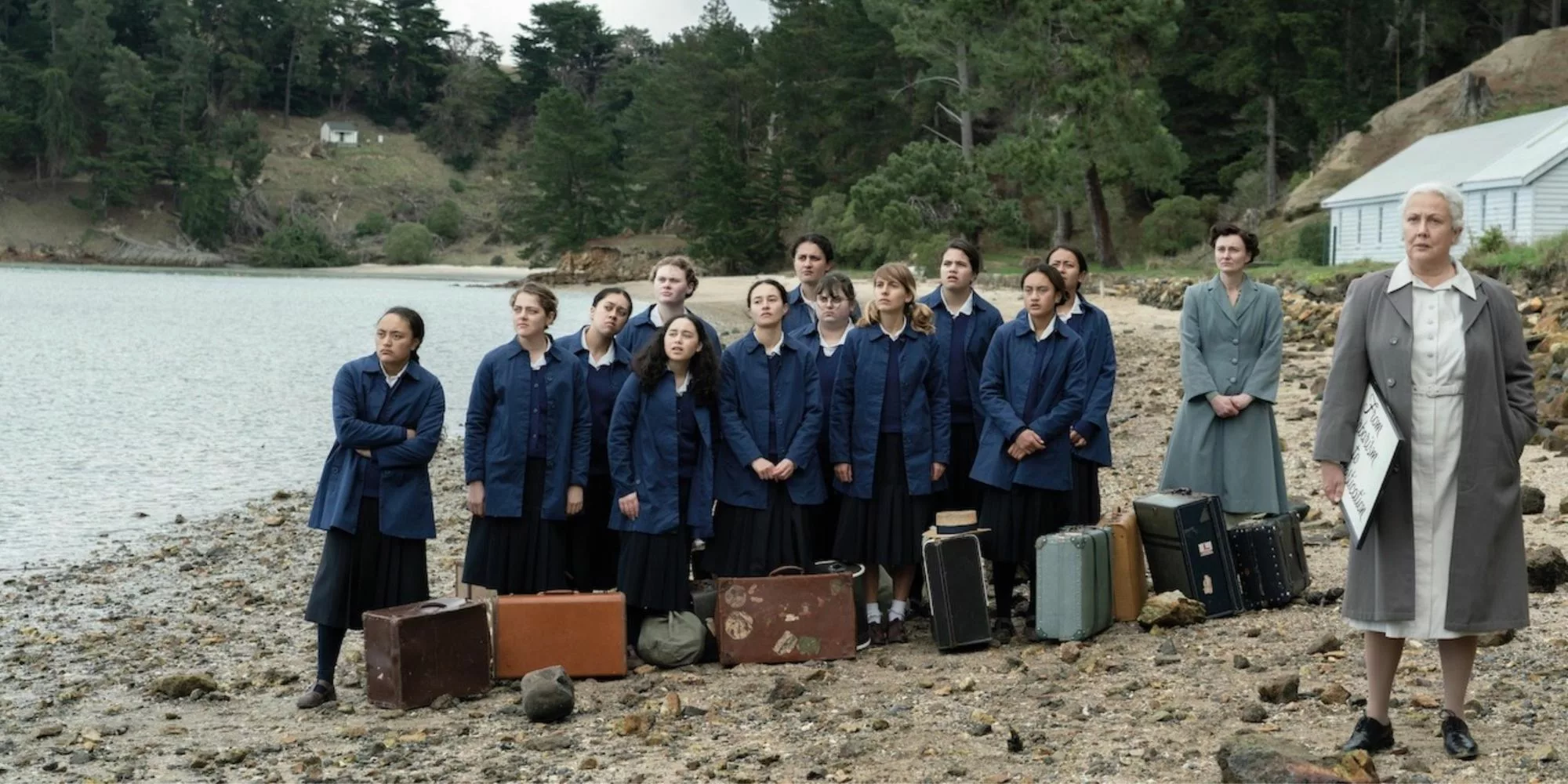
The institution aims to tame girls seen as uncontrollable or unconventional. Those in charge preach strict rules of behavior, dictating what’s proper for women. Anyone who doesn’t conform faces cruel correction. Nellie in particular rebels against the idea that there’s anything wrong with her.
As Māori girls, Nellie and Daisy face additional prejudice from colonial attitudes. Their white headmistress sees them as beyond redemption, even as she’s been shaped by the same system. Louisa also confronts rejection, abandoned by her wealthy family for loving someone of the same gender.
Each character navigates injustice in their own way. But together, their friendship becomes a lifeline. They share laughs in dark times and stand by each other when loneliness or fear could take hold. Through it all, an unbreakable bond grows between these young women, transcending divisions imposed by a oppressive society.
Their bond inspires action, too, as the true monstrousness behind the school’s walls is revealed. Facing unthinkable violation, the friends find courage in numbers. United, they make a daring move for freedom against overwhelming odds.
While its setting is in the past, the film’s themes feel painfully relevant today. With empathy and hope, We Were Dangerous shines a light on resistance – showing how, even in the darkest of places, compassion and solidarity can overcome. Its enduring message is that when we lift each other up, oppression does not get the last word.
Celebrating Spirited Craft
Cinematographer Maria Ines Manchengo deftly wove visual magic into We Were Dangerous. Capturing the isle’s rugged natural allure, her lens embraced the wilderness’ freedom while emphasizing the girls’ isolation.
Sweeping shots soak in nature’s splendor, from towering cliffs to rolling surf, breathing life around their stifled spirits. Close-ups, too, find compassion, watching play and plotting with tactful tenderness. Manchengo nurtured empathy for their plight through rhapsodic realism.
Director Josephine Stewart-Te Whiu’s deft hand balanced levity with gravity. With humor, she lightened dark themes just enough for audiences to stay; with gravitas, we felt their pain intensely. Never did comedy soften cruelty nor drama maudlin turn. Nuanced tonally, Stewart-Te Whiu conducted complex currents smoothly. Her care steered purpose and pleasure in perfect partnership.
Cam Ballantyne enriched the experience emotively. Upbeat score lifted scenes of camaraderie while lamenting losses movingly. Accompanying action and emotion tactfully, music mellifluously swelled or stilled as scenes required. Lightness leavened but never lessened the weighty; sorrow surfaced yet hope endured. Ballantyne bonded visual and visceral to amplify the affirming alloy of art and empathy.
Together, these gifted storytellers crafted a cinematic haven where joy could blossom even in justice’s ground. Their devoted virtuosity verily ventures where vision validates spirit.
The Strength of Their Bond
The bond between Nellie, Daisy and Louisa drives the heart of We Were Dangerous. Erana James owns the screen as the bold and fiery Nellie, never backing down from a challenge. You feel her passion to live freely. Manaia Hall steals many scenes with her cheeky smile and wit, finding humour even in dark times. As Daisy, she brings warmth and light to her friendship with Nellie.
Nathalie Morris has a tricky role to portray in the privileged yet misunderstood Louisa. She navigates the character’s journey with empathy, showing us why Nellie and Daisy welcome her into their tribe. The chemistry between these three feels genuine, their care for one another shining through. You believe they would do anything to support each other against the cruelties of that oppressive world.
A villainous performance that matches their bond is Rima Te Waita’s tour-de-force as the Matron. Under her stern facade lies trauma and hypocrisy. Te Waita imbues the Matron with a chilling lack of self-awareness, believing her cruelty brings salvation.
She makes the character’s contradictions feel chillingly real. You understand why the girls must unite against her abuse yet also see shades of a victim turned abuser. Te Waita ensures the Matron lives on in memory as one of cinema’s most effective opponents.
The strength of these performances keeps We Were Dangerous impactful long after viewing. They bring to life a community finding hope in each other despite society’s attempts to break their spirits.
Empowering Friendship Despite Hardship
We Were Dangerous tells a story of resilience in the face of oppression. It follows three girls – Nellie, Daisy and Louisa – who form an unbreakable bond to support each other through horrific conditions. While the film tackles their mistreatment with bravery, some parts could have been strengthened with deeper exploration.
Josephine Stewart-Te Whiu handles heavy subjects with subtlety. She imbues dark times with moments of levity that highlight the girls’ spirit. Their friendship is a beacon of hope amid injustice. Erana James, Manaia Hall and Nathalie Morris share an effortless chemistry that makes this relationship feel genuine. Even in passing scenes, one senses an unspoken understanding between them. This emotional core anchors the film.
Race and class also factor profoundly into each girl’s experience. Nellie and Daisy, being Māori, face harsher treatment than Louisa as a white affluent girl. A powerful monologue sees Nellie remind Louisa that she has more at stake. This intersectional lens gives needed context around attitudes of the time.
Where the film falls slightly short is in its rushed ending. As tensions escalate, the conclusion feels abrupt with some plotlines unexpectedly resolved. Viewers are left wanting more resolution after building investment. Additionally, stretching the tight runtime may have allowed exploring dynamics like the matron’s backstory in more depth.
While not perfect, We Were Dangerous highlights the indomitable human spirit. In showcasing empowering cross-cultural sisterhood despite tremendous adversity, it leaves a lasting and important message. With some refinement, it could have been an even more compelling story of resilience through unity in the face of injustice.
Spirited Friendship
The performances in We Were Dangerous are truly remarkable. Erana James lights up the screen as the rebellious but caring Nellie. You can’t help but root for her as she stubbornly refuses to conform to the oppressive system. Manaia Hall is delightful as her cousin Daisy, constantly finding humor even in darkness. And Nathalie Morris subtly but powerfully depicts Louisa’s personal journey.
These girls face unspeakable cruelty, yet their friendship perseveres. They support each other through the worst moments and share laughter during stolen moments of joy. Their bond is one of the film’s greatest strengths. Through adversities that would break many, their caring sisterhood sustains spirit and hope.
Even in humanity’s darkest places, relationships like this prove life-affirming. They are a reminder that however much others may strip away rights or dignity, the connections we forge can never fully be controlled. Such empowering portrayals of young women uplift us all.
We Were Dangerous delicately balances heavy themes with glimpses of optimism. It encourages resisting oppression through solidarity and remembering our shared humanity. While not perfect, the heart and performances make it a film worth your time. For a moving tale of friendship’s power, I recommend giving it a view. Some stories are too important not to be shared.
The Review
We Were Dangerous
While not without its flaws, We Were Dangerous tells an impactful story of female empowerment through friendship. Stewart-Te Whiu takes on complex historical subject matter with compassion. The film celebrates the human spirit's resilience against injustice through its witty and well-acted characters. We Were Dangerous reminds us that however alone we may feel, together we can face the darkest of times.
PROS
- Strong performances from the lead actresses
- Addresses important themes of feminism, colonialism and systemic oppression
- Highlights the power of friendship
- Features beautiful cinematography of the island landscapes
CONS
- Story pacing is rushed in parts
- Underdeveloped supporting characters
- Plot leaves some questions unanswered
- Resolution lacks urgency or tension







