
























![Kingdom Hearts Collection [I-III] Review](https://gazettely.com/wp-content/uploads/2026/10/Kingdom-Hearts-Collection-I-III-1-360x180.webp "Kingdom Hearts Collection [I-III] Review: KHII Holds Steady as Newer Entries Fluctuate 37")




Ernest Cole spent his early years witnessing the brutal realities of apartheid rule in South Africa. As racism saturated his community, Cole saw his powerful gift for photography as a way to expose the injustices of this system. Behind the lens, he captured raw portraits of people facing oppression and segregation, creating pictures that brought apartheid’s cruelty into the harsh light of day.
Cole’s unflinching images were a threat to the government. His landmark book, House of Bondage, showed the world apartheid as it truly was, with all its ugliness laid bare. But this rebellious act forced Cole into a life of exile, separated from his homeland. Later travels across America and Europe showed him that racism was a global problem with no easy answers.
Filmmaker Raoul Peck’s documentary Ernest Cole: Lost and Found honors this unsung hero by sharing his remarkable story. Through vivid photographs and Cole’s own words, conveyed by the talented LaKeith Stanfield, we learn the depth of Cole’s contributions as well as the personal costs of his lifelong battle against injustice.
Decades after Cole’s death, Peck has ensured this crucial part of anti-apartheid history can no longer be forgotten. The film stands as a tribute to all those who fought oppression through the power of their art.
Cole’s Powerful Lens
Ernest Cole grew up in Pretoria during the rise of apartheid, a time when the government actively worked to strip black citizens of basic rights and dignity. He bore witness as authorities demolished his neighborhood to make way for whites. Traumas like the Sharpeville massacre, where many protestors lost their lives challenging racist pass laws, left deep scars.
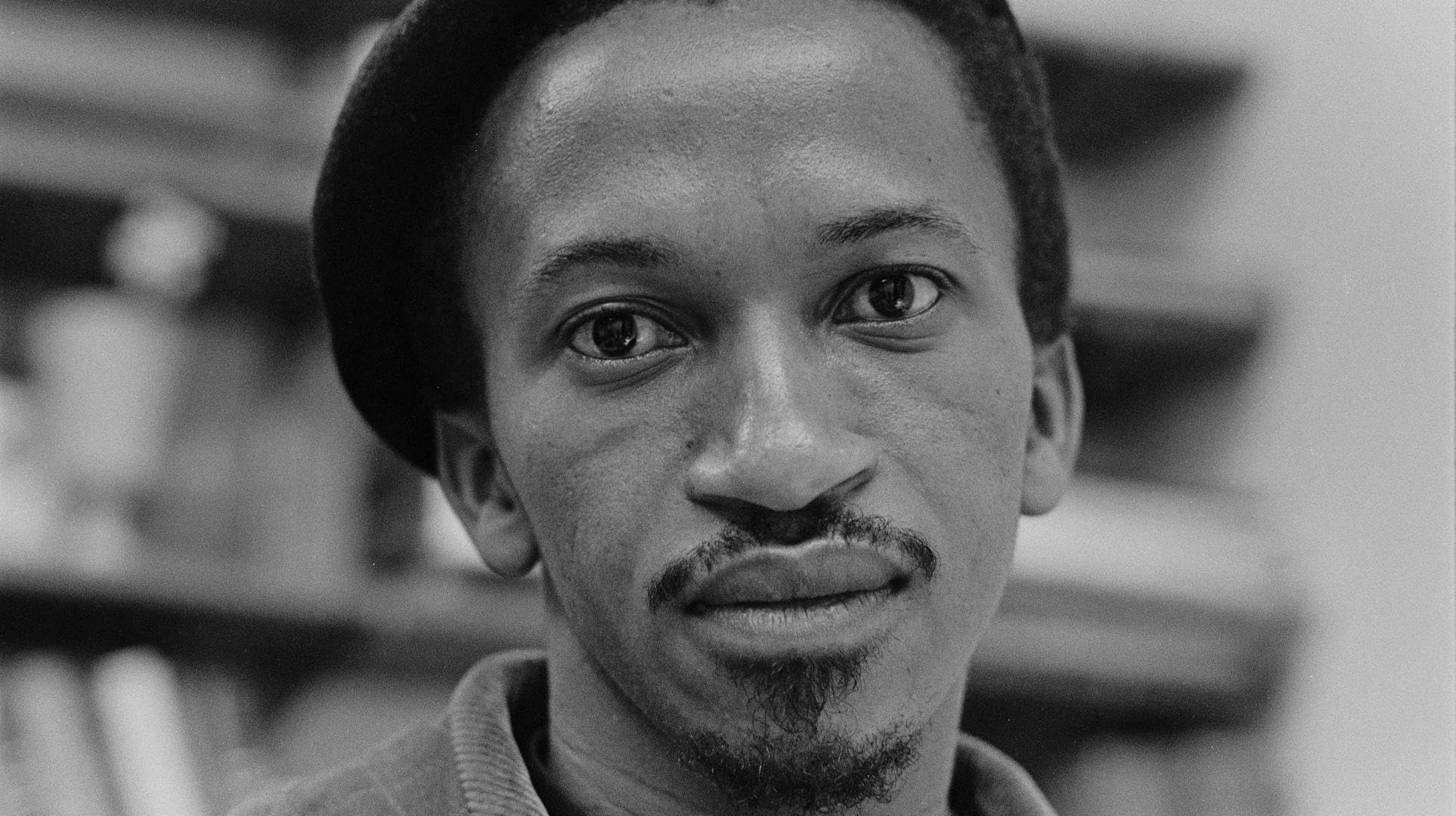
It was amid this climate of fear and oppression that Cole discovered his gift for photography. Capturing raw moments through his lens soon became a way to process the injustice all around him. He got his start sweeping floors at a Johannesburg studio, determined to learn the craft. Cole’s unflinching photographs impressed editors at DRUM magazine, one of the few publications giving a platform to black voices.
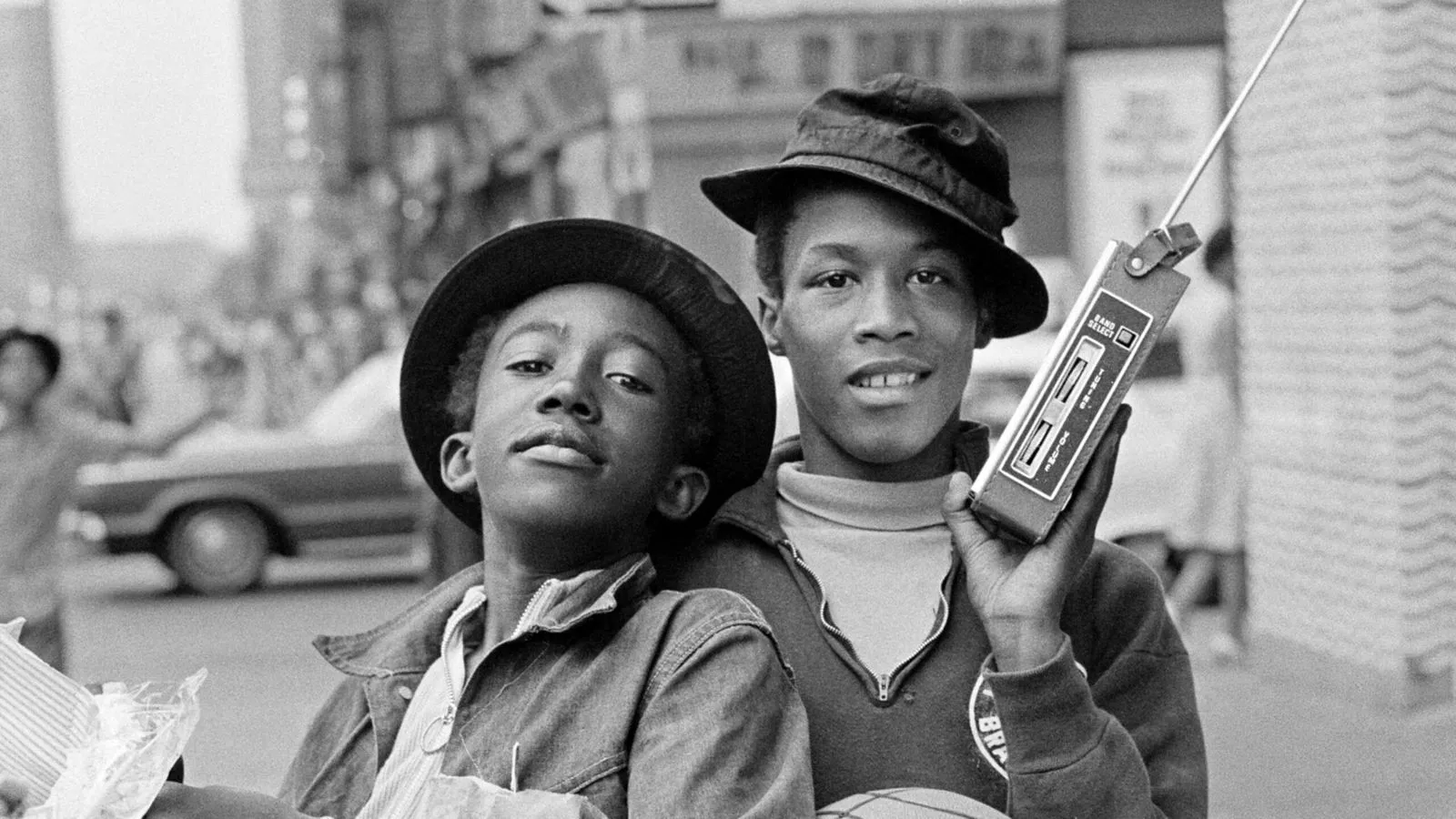
On assignment for newspapers and DRUM, Cole relentlessly sought to expose the unvarnished truths that others tried to hide. He photographed the daily indignities black people endured. His portraits showed domestic workers and miners bowing under the heavy demands of racist employers. Faces worn with sadness and defiance conveyed the relentless subjugation of apartheid rule.
Readers could now see how the system touched every aspect of African lives through his images of segregated neighborhoods and the restrictive passbooks police wielded to strip people of dignity. Cole knew that putting these untold stories in the harsh light of his camera could help the global struggle. Though threatened constantly, his work was gaining the attention needed to reveal apartheid for what it was. Little did he know how pivotal his pictures would soon become.
The Photographs That Changed His Life
Cole’s career reached new heights with 1967’s release of House of Bondage. The book gathered over a decade of his most powerful apartheid-era images. By eschewing pity for raw honesty, these unvarnished portraits laid bare the daily degradation South Africa’s racist system inflicted. Unsurprisingly, House of Bondage was promptly banned in his homeland.
But the impact internationally was undeniable. Cole’s searing photographs shone a light on issues the world could no longer ignore. Practically overnight, he became renowned, though fame came at great personal cost. Declared a threat by the apartheid government, Cole had no choice but to seek asylum in America.
Leaving his country and family forever wasn’t easy, yet staying meant certain imprisonment or worse. In New York, Cole encountered a new kind of disillusionment. Despite the city’s vibrancy and promise of freedom, the photographer soon spotted unsettling similarities between America and the oppressive reality in which he fled. Racism persisted, and as a foreign black man, navigating this new landscape wasn’t simple.
Plans to document the American South ended darkly when editors dismissed Cole’s unflinching images as lacking “edge.” It frustrated him to see even allies minimize the racism still plaguing black communities. Cole realized no place could truly shelter him from societies rigidly determined to silence his voice. Through his lens, he kept bearing witness, though the loneliness of exile would weigh heavily in the years ahead.
Photographing America’s Injustices Abroad
After House of Bondage thrust Cole into the spotlight, opportunities arose. A Ford Foundation grant allowed him to capture black communities across the U.S. What he found was disheartening—even abroad, racism denied many a fair chance.
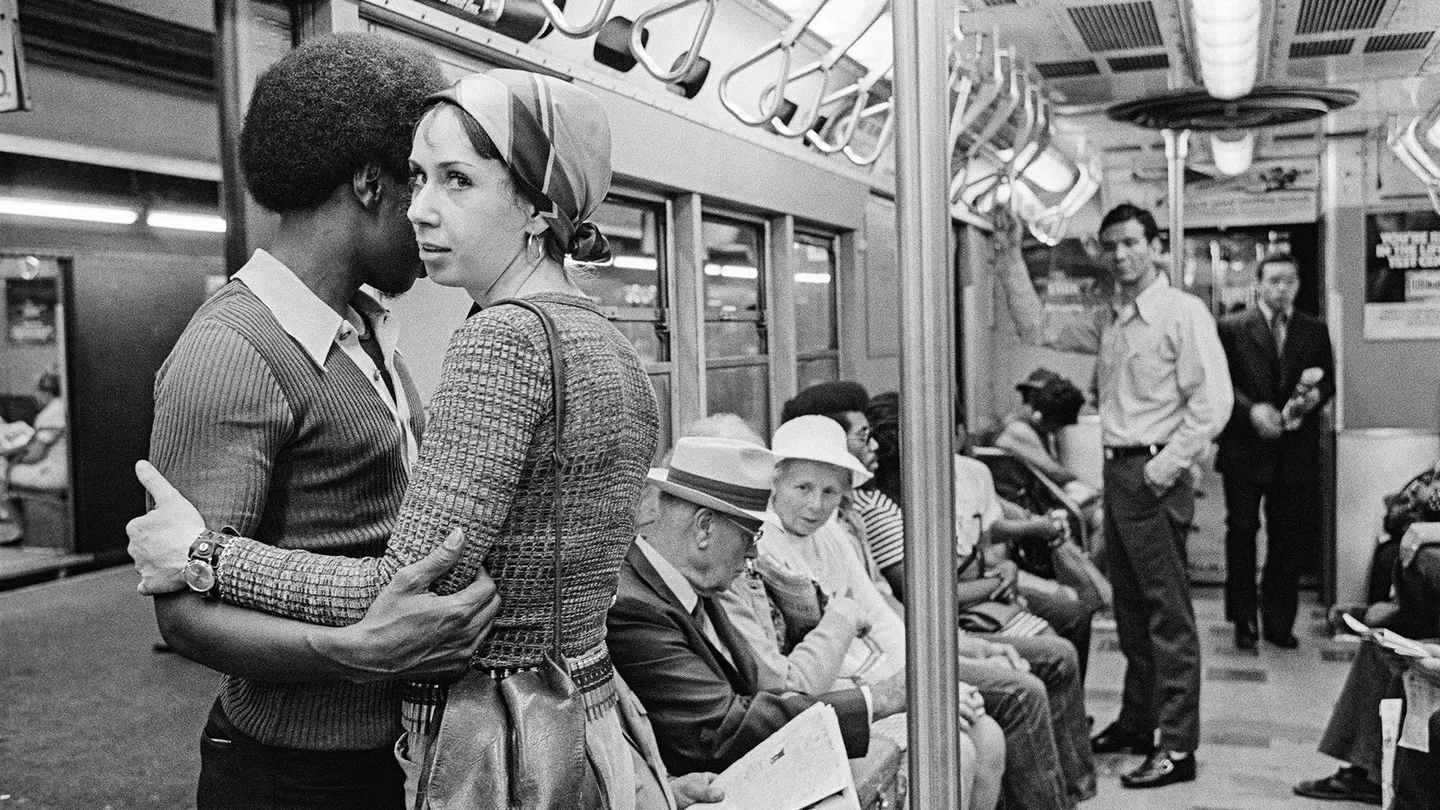
In the bustling streets of New York, he’d happily snapped interracial couples showing affection. But the American South mirrored the oppression of his homeland. Poverty and neglect were woven into the lives of Southern blacks, just as they had been in apartheid-era South Africa.
Cole presented these portraits to editors, hoping their impact could inspire change. Yet some dismissed his work as too soft, claiming it “lacked edge.” They failed to see what Cole knew—injustice comes in many forms, not all as obvious as the signs reading “White Only.”
Financial struggles soon followed. Grants dried up, and publishers lost interest in histories too troubling to share. Periods of homelessness left Cole adrift, homesick for the family and friends kept distant by geography and politics.
Where could a man find refuge when even his allies denied the realities he captured? Cole continued shooting, chasing the sun through Sweden, Denmark, and England—always an outsider looking within. But no place could quell his longing for a South Africa not yet free.
His talent remained, though opportunities and health faded. To the end, Cole’s camera bore witness, ensuring those whom society forgot would be seen. If only for a glimpse, his photographs provided a space where all people were equal.
Bringing Cole’s Story to Light
With Ernest Cole’s Lost and Found, filmmaker Raoul Peck took on the challenge of honoring an unsung pioneer through his pictures. To craft Cole’s story, Peck pored through writings and interviews, piecing together a script that echoes the photographer’s own words.
In bringing this to the screen, Peck enlisted actor Lakeith Stanfield to interpret Cole’s voice. Stanfield recites with nuanced empathy, transporting audiences to feel what Cole endured. His narration reflects the hope, hurt, and humanity of a man who bore witness to injustice through his lens.
This lens also connects viewers directly to Cole’s legacy. After decades were lost, thousands of the photographer’s negatives resurfaced. In showcasing these, viewers glimpse both Cole’s artistic evolution and South Africa’s turbulent past.
We watch his shots shift from protest scenes to portraits of everyday struggles. Through his photos, Cole ensured those whom racism rendered invisible would be seen. In sharing this trove, Peck breathes new life into narratives that systemic prejudice has denied.
By blending images, script, and historical context, Peck forges a multifaceted tribute. His direction interweaves Cole’s experience with global currents of oppression. And in restoring Cole’s works to their rightful place, Peck helps begin reversing racial erasures the photographer fought against in life.
With empathy and careful reconstruction, Peck has brought Ernest Cole and his contributions stunningly into focus. In doing so, he pays homage to an activist spirit that refused to be forgotten and ensures future generations may discover this influential, yet too long-lost, artist.
Capturing Apartheid’s Human Toll
Ernest Cole’s photographs laid bare the brutal human impacts of apartheid. With unflinching precision, his lens captured how the system saturated daily life in South Africa.
Central to Cole’s style was his focus on faces, letting expressions speak where words could not. He honed in on the looks of sadness, disdain, but also defiance on the faces of his subjects. Be it questioning children, women in servitude, or protestors fighting an oppressive state, Cole ensured these emotions could not be ignored.
Again and again, his photos depicted subjugation’s many forms. Whether it was racist segregation signs or the indignity of forced labor, Cole showed how apartheid rendered humans merely as coldly categorized objects. Yet amid these unvarnished realities, flickers of humanity also shone through.
Protest photos showed defiant stances against oppression. Some images from overseas later displayed newfound intimacies, as Cole observed relationships publicly denied in his homeland. Throughout, his photos bore witness to resilience in the face of injustice.
When Cole turned his lens on displacement and poverty, viewers faced hardship’s raw consequences. Some images charted protest movements; others showed quieter losses, like one man’s mental decline amid forced exile. Together, these themes comprised a scathing photographic indictment of apartheid’s cruel experiment.
By unearthing Cole’s works from decades of neglect, Lost and Found ensures recognition for an impact that continues to guide global conscience. His style’s power lay in revealing shared humanity beneath the surface of political conflicts. A style as vital today as when Cole first deployed his camera against the inhumanity of racism.
Seeking Answers in Cole’s Archives
When Ernest Cole’s massive cache of negatives reemerged in that Swedish bank vault, more questions arose than answers. How did they end up locked away with no records? And what other lost works might still surface?
These archives held stories beyond the photos themselves. But Peck showed little curiosity about unraveling the details. He saw the ordeal as just one more injustice against an artist denied recognition.
While honoring Cole’s mission, fully exploring issues around his estate could offer richer insight. The legal battle between his heirs and the Hasselblad Foundation over print ownership also hinted at untold complexities.
Sometimes resolving mysteries enhances appreciation for an icon’s legacy. Getting to the bottom of things surrounding his archives may have deepened his understanding of the obstacles facing even acclaimed black creatives.
Peck opted instead to focus solely on tribute through Cole’s compelling life and images. But dedicating more energy to navigating the archives’ intrigues could have paid homage in another impactful way.
Respectfully engaging questions left open, like seeking who preserved that Swedish collection, might have furthered Cole’s fight against erasure. Overall, Peck showed reverence, though a touch less caution may have cast his subject’s full memory in a brighter light.
The Review
Ernest Cole: Lost and Found
While Peck crafted a moving portrait of Cole and his important work, Lost and Found may have better honored his subject's legacy by embracing a more inquisitive style. Fully exploring intriguing archive mysteries and legal disputes could have deepened insight into Cole's compelling story and the challenges black artists still face. Overall, the film serves as a worthwhile tribute, but one that overlooks opportunities to further illuminate the political struggles at its core.
PROS
- Features thousands of Cole's previously unseen photos, preserving his invaluable documentation of apartheid.
- Provides compelling insight into Cole's difficult life and career through script, voiceover, and interviews.
- Succeeds in bringing greater recognition to this influential yet unsung photographer.
CONS
- Fails to fully explore the intriguing mysteries surrounding the rediscovery of Cole's archives.
- Could have engaged more critically with the systemic challenges black artists faced.
- An overly reverential approach limits opportunities for deeper analysis.







