
























![Kingdom Hearts Collection [I-III] Review](https://gazettely.com/wp-content/uploads/2026/10/Kingdom-Hearts-Collection-I-III-1-360x180.webp "Kingdom Hearts Collection [I-III] Review: KHII Holds Steady as Newer Entries Fluctuate 37")




The “Trains of Happiness,” or Treni della Felicità, emerged as a moving symbol of postwar perseverance in Italy. The Italian Communist Party launched this effort in the late 1940s to rescue children from the devastation of a war-torn society.
Over 70,000 children from impoverished Southern Italy were given the chance for a better life in the more opulent North due to the program’s humanitarian and practical goals. It’s a survival story with Dickensian overtones, where the promise of warmth, food, and education is called like a siren song. However, irony abounds; many families were originally dubious, believing their children might be pawns in a political game or worse.
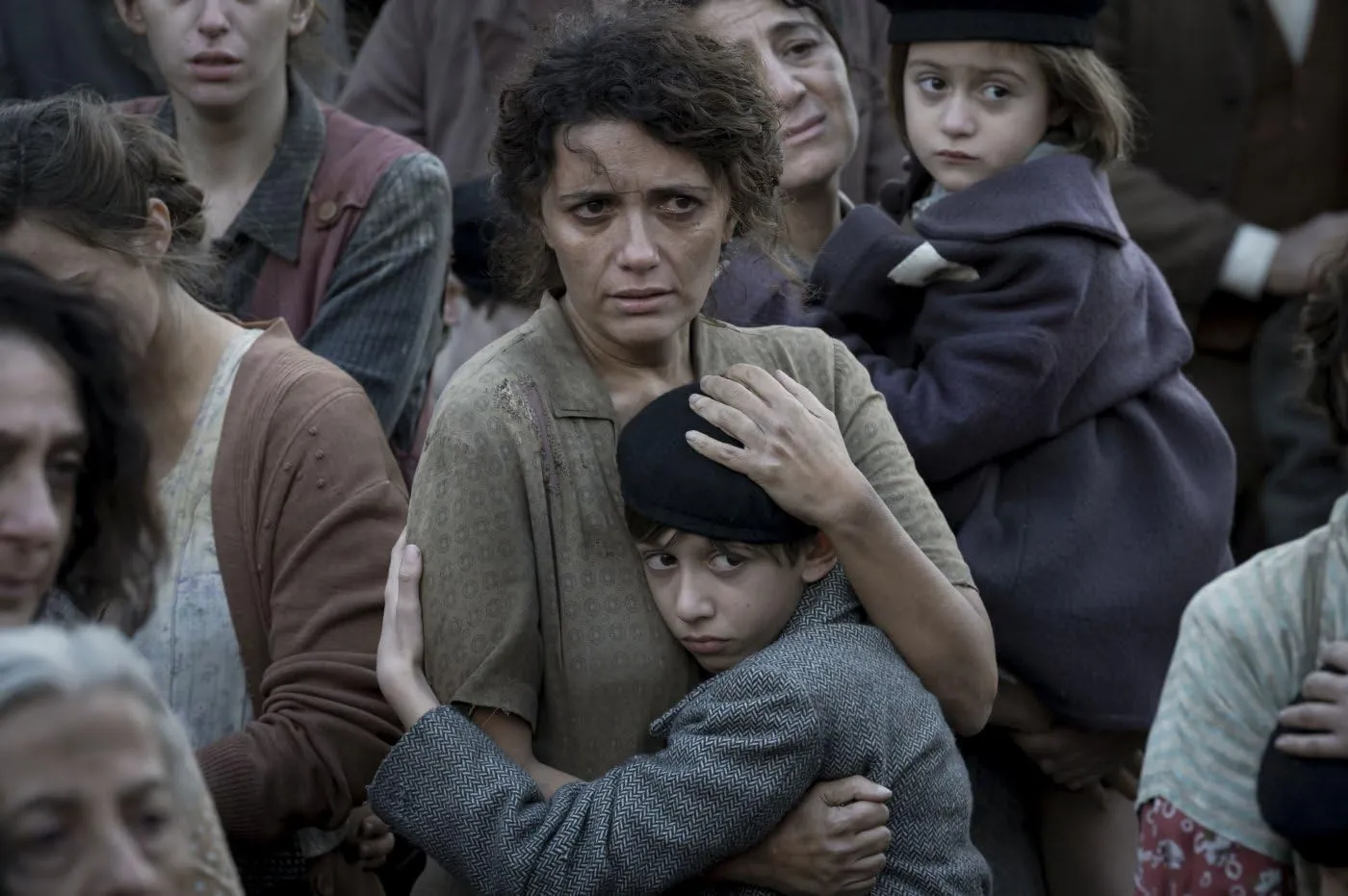
The film depicts a civilization dealing with the memories of war against the backdrop of Naples in 1946. Poverty and disease are pervasive, casting long shadows over the lives of its residents. The significance of this milieu cannot be emphasized; it captures a period when the entire fabric of Italian life was being rewoven, bringing together the different experiences of the North and South.
The film is more than just a historical narrative; it is a lens through which we can study the long-term effects of war and the cultural upheavals that occur. In this sense, The Children’s Train becomes a microcosm of larger themes, such as the interplay of hope and despair, the fragility of familial relationships, and the quest for identity in a fractured world.
The Heart of The Children’s Train: A Study of Love and Loss
The figure Amerigo Speranza, whose name (which means “hope”) is almost painfully ironic in the context of his journey, is at the heart of The Children’s Train. This young boy, played by Christian Cervone, embodies childhood innocence but is thrust into an adult world filled with complexities.
His emotional tensions are palpable, alternating between yearning for his original mother, Antonietta, and the maternal affection he receives from Derna, his temporary adopted figure. It’s a classic example of “who’s your real mom?”—a sentiment that transcends cultures and eras (insert amusing remark about daytime talk shows here).
Amerigo’s journey involves profound relocation. Initially concerned about leaving his mother, he is caught up in a maelstrom of emotions as he navigates the unique dynamics of the two houses. The fear of abandonment looms large—will he become a pawn in the game of survival? His delicate age, combined with the harsh realities of wartime Italy (where children were sometimes treated as collateral damage), provides a fascinating tapestry of internal struggle.
Antonietta, Amerigo’s biological mother, is a study in paradoxes. Serena Rossi portrays her as oscillating between strong love and palpable frustration, portraying the figure of the striving mother in a postwar setting. Her goals are steeped in sacrifice, but she frequently appears cold because of constant hardship. It’s as if she had to harden her heart to live, seeing her child as both a joy and a burden (a feeling that could fuel a thousand therapy sessions).
Her complex love for Amerigo is fraught with remorse. Her actions—sending him away—become a cruel dichotomy as she dreams of a brighter life for him. Is she trying to protect him, or is she just trying to ease her struggles? The film asks us to consider this, separating the strands of mother instinct and cultural pressure.
Enter Derna, played by Barbara Ronchi, represents a different type of motherhood. Initially hesitant to accept a child, her development is defined by unexpected tenderness and nurturing. Derna’s relationship with Amerigo exemplifies the tension between nurturing and survival instincts—a dance that many mothers do daily, but especially during times of crisis.
Her benevolence is in stark contrast to Antonietta’s pragmatism. Whereas Antonietta sees Amerigo solely through the lens of survival, Derna sees potential for growth and happiness. Nonetheless, the film deftly navigates the complexities of this interaction; Derna’s nurturing is not without its challenges. She struggles with her political allegiances and personal needs, reminding us that parenthood is fraught with difficulties, whether biological or adopted.
In essence, the representation of these three characters becomes a microcosm of societal struggles, reflecting the larger struggles of love, loss, and the quest for identity in a world flipped upside down. The film challenges us to reflect on what it truly means to be a mother in these turbulent times because of the high emotional stakes.
Survival and Sacrifice: The Echoes of Poverty in Post-War Italy
The Children’s Train takes place against extreme poverty, creating a striking image of life in postwar Naples. Families in this situation are not merely suffering; they are entwined in a web of survival, with each decision carrying the weight of desperation. Take Antonietta, for example: her life is a never-ending cycle of hard work and sacrifice.
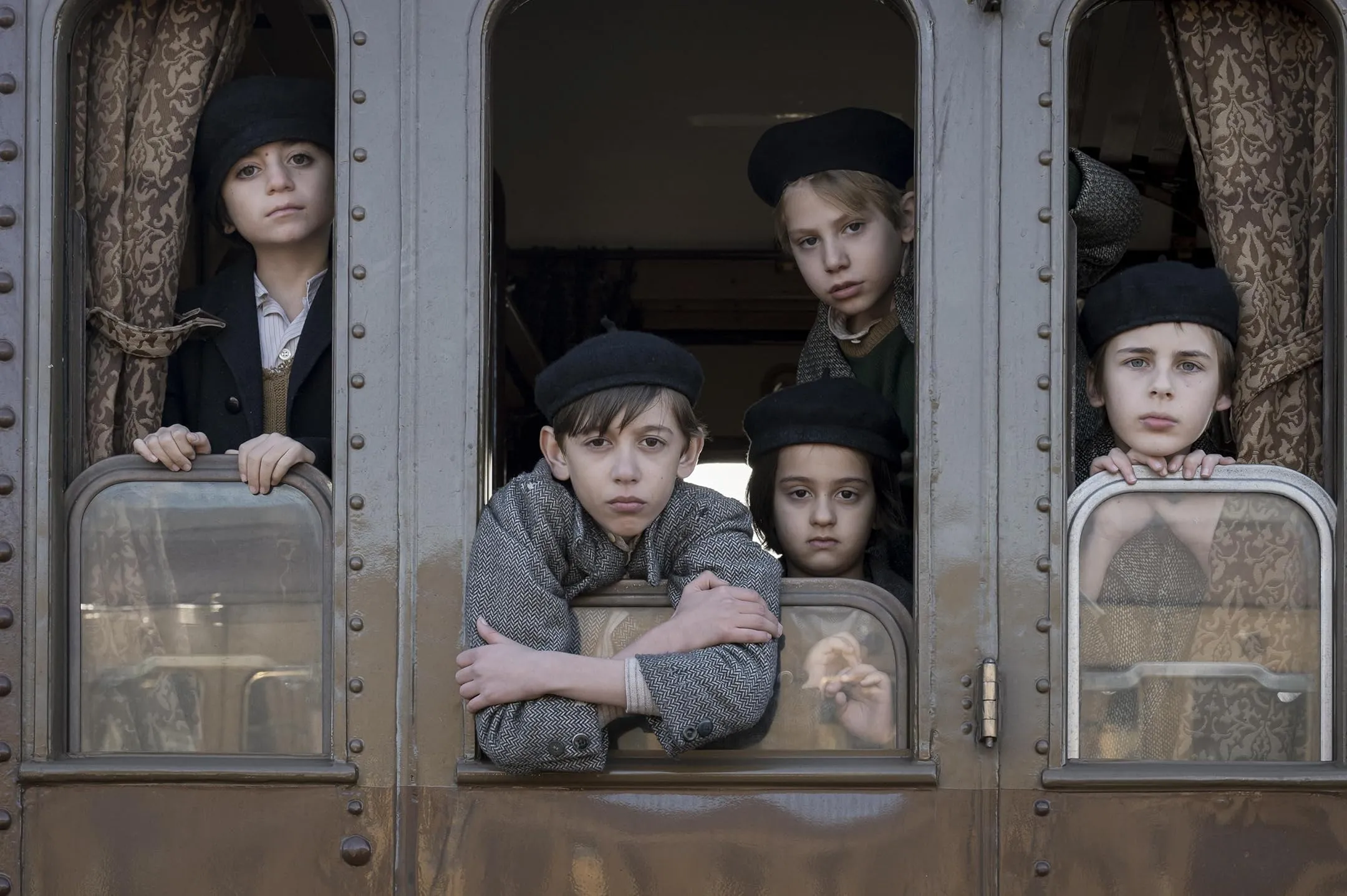
The film skillfully depicts how poverty impacts family dynamics, creating a setting in which love and hardship live in tenuous equilibrium. Families frequently confront the excruciating decision to send their children away, not for lack of love but for a strong desire to give them chances that appear hopelessly out of reach. It’s a painful irony that the act of sending a child away may be interpreted as both abandonment and the ultimate act of love.
In stark contrast, the “Trains of Happiness” project stands out as a beacon of hope, the proverbial light at the end of a dark tunnel. This initiative represents a chance for better living conditions and a significant shift in what the future may hold for these children. It’s a tempting promise of chance, with Northern families (sometimes viewed with distrust) providing shelter and a glimpse into a world of possibility.
However, the juxtaposition of lives is fraught with tension. The North’s experiences with children highlight the disparity between socioeconomic realities. While they may have escaped the immediate struggles of their Southern upbringing, they are thrust into a new set of challenges—cultural displacement, feelings of inadequacy, and the persistent question of identity. The film encourages us to question what it means to be “saved” when the act itself is steeped in intricate cultural dynamics.
These themes are relevant to current migration and displacement challenges, as the quest for a better life frequently results in unanticipated complications. Such themes can have a profound cultural impact, causing viewers to reflect on the cyclical nature of poverty and the resilience required to break free.
The Innocence of Fear: Navigating Childhood Amidst Turmoil
At its foundation, The Children’s Train expertly captures the perplexing terrain of childhood fears, notably through the eyes of young Amerigo. His apprehension about the journey north is steeped in a child’s wild imagination—a simultaneously fascinating and confused mind.
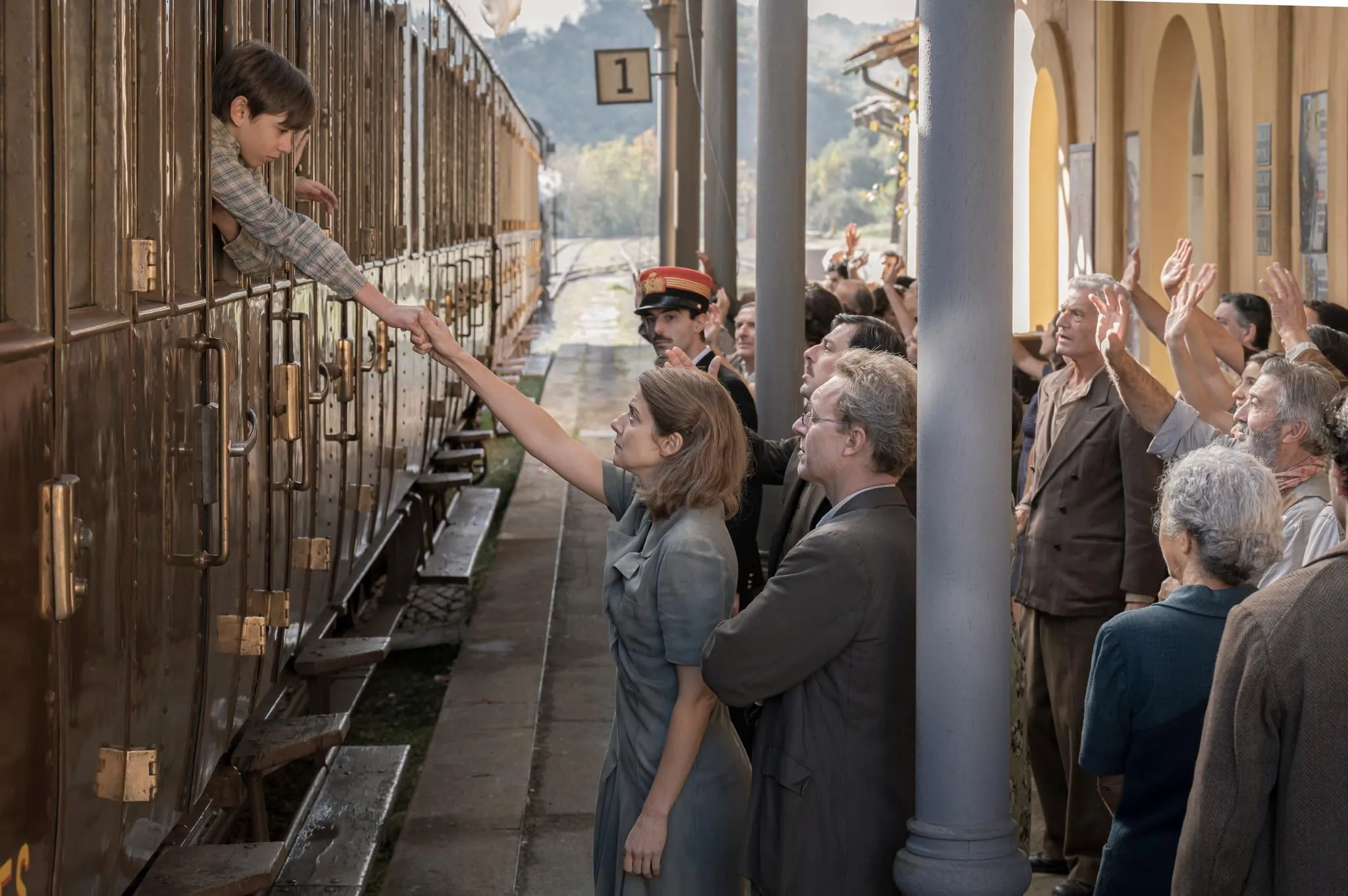
Rumors circulate among the children of horrible fates awaiting them, ranging from being eaten by their new families to terrifying visions of being thrust into ovens. (Of course, ovens—what better metaphor for fear than a figurative cooking pot?) This blend of innocence and misunderstanding creates a dramatic tension, demonstrating how children frequently deal with adult problems in hilarious and painful ways.
Amerigo’s anxieties reveal a common truth: childhood is fraught with misunderstandings. The world is huge and frequently unfathomable, and as he boards the train, he holds on to his mother’s promise of safety, even if it slips through his fingers like sand. The innocence of childhood is in stark contrast to the adult problems that drive his mother to make such a bold decision. Amerigo’s imaginary anxieties reflect the harsh realities he must confront in a delicate waltz between hope and despair.
The emotional conflicts that arise as a result of separation are palpable, creating a ripple effect that reaches beyond Amerigo to both of his mothers. Antonietta’s decision to send her kid is fraught with bitterness and sacrifice, a typical example of a mother’s love made complicated by her difficult circumstances. She is divided between wanting to provide a better life for Amerigo and the deep anguish of losing him. This contradiction is vividly represented by the film’s juxtaposition of Amerigo’s naive joy and Antonietta’s dismal resignation.
In contrast, Derna’s friendship with Amerigo develops into a nurturing one, albeit without challenges. She initially takes on this job out of responsibility, but her feelings for the youngster grow as the narrative progresses. The film depicts these emotional encounters with moving visuals—close-ups of their shared moments, lingering looks, and subtle alterations in body language that reveal unspoken emotions.
These emotional adventures are not simply described; they are felt. The cinematography and score evoke a visceral response, transporting spectators into the turbulent world of love, grief, and longing. In this sense, the film transcends its historical context and speaks to contemporary audiences, reminding us that the story’s heart is its exploration of universal and timeless human relationships.
Framing Despair: The Visual Language of 1940s Italy
The Children’s Train uses cinematography as a powerful narrative device to brilliantly depict the stark contrasts of postwar Italy. The film’s visual choices—often soaked in muted colors—are a chilling reminder of the era’s misery. The rubble-strewn streets of Naples stand in stark contrast to the lovely vistas of Northern Italy, where Amerigo temporarily seeks refuge.

This geographical disparity has a significant impact on the narrative’s emotional tone. Each frame is heavy with history as if Naples’ walls echo the cries of its children while the lush greenery of the North whispers of renewal.
The significance of these locales goes beyond their physical characteristics; they serve as symbols reflecting the end themes of hope and despair. Naples, with its crumbling architecture, embodies the weight of poverty and loss, whereas the North represents an elusive ideal—a chance for rebirth. As Amerigo moves through different spaces, each becomes a test for his character growth.
The train—literally and metaphorically—is a barrier between his two worlds. It is a transitional place fraught with uncertainty and full of potential. The journey captures the tension between fear and possibility, compelling Amerigo (and the audience) to confront the complexities of his current reality with his dreams of what could be. In this regard, the film’s surroundings are more than just backdrops; they are vital to the storytelling, reflecting the greater cultural struggles of a nation in upheaval.
Fragmented Journeys: The Episodic Nature of Storytelling
The Children’s Train takes an episodic storytelling method, resembling a collection of vignettes rather than a single narrative arc. This format allows spectators to experience fragmented portions of Amerigo’s journey, which can evoke nostalgia and alienation.
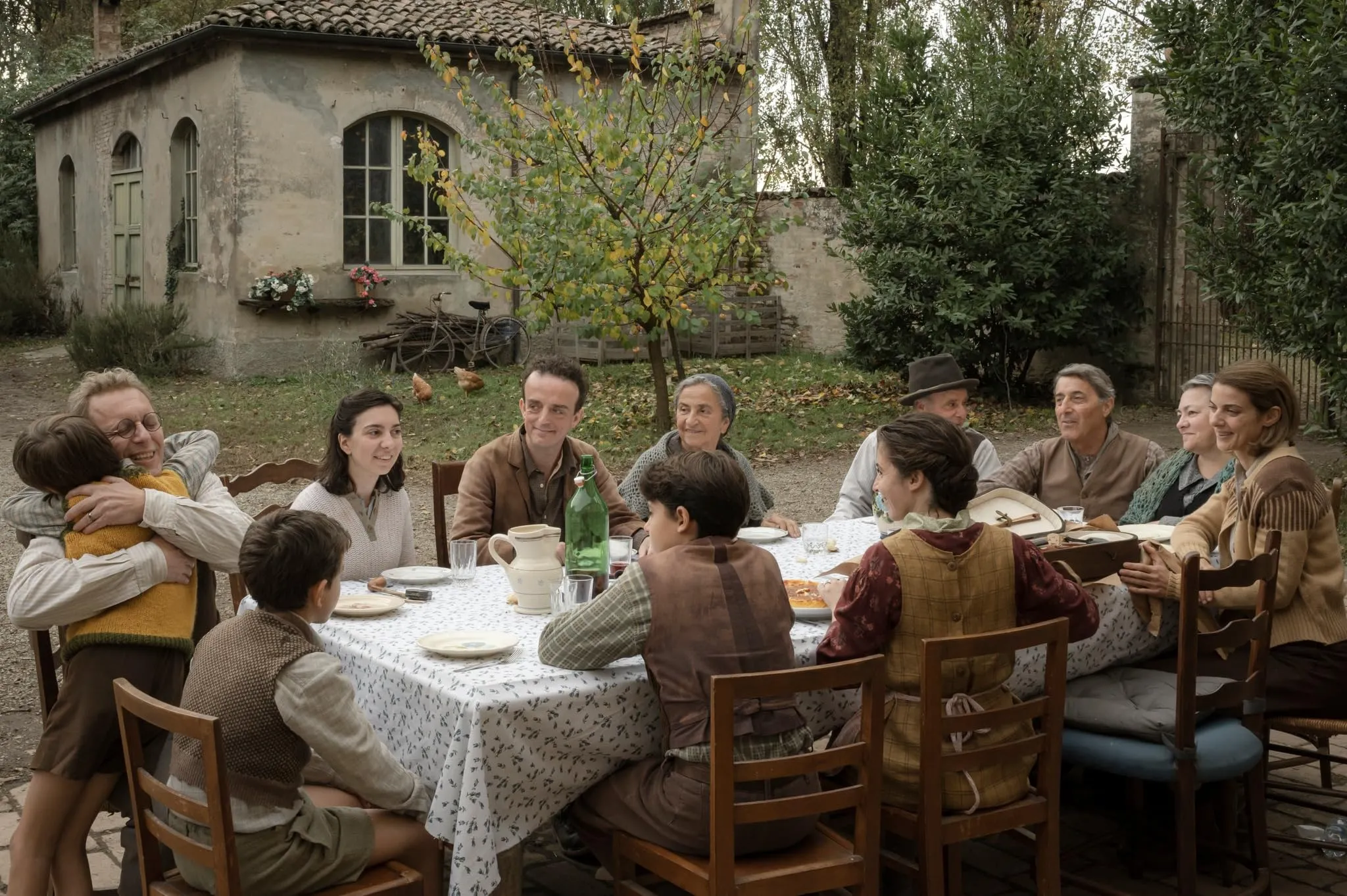
While this strategy allows for in-depth character exploration, it also has the potential to dilute emotional connection. Each portion feels like a snapshot—beautiful but isolated—making it difficult to fully immerse oneself in the larger emotional environment. (One might compare it to flicking through an album of family photos without knowing the context.)
These episodic habits negatively impact the film’s pace. Moments of intense emotional weight are occasionally punctuated by abrupt changes, leaving viewers gasping for connection. Character development, especially for supporting roles, can feel undercooked—like a soufflé that never quite rises. While Amerigo’s psychological struggles are well-expressed, the other characters, such as Derna and Antonietta, occasionally lack the exploration they merit.
This uneven pace might result in a lack of narrative momentum, making the climax feel forced. Ultimately, the film’s ability to express its themes of hope and despair is a two-edged sword. It’s as if the narrative is torn between the richness of its episodic moments and the need for a more cohesive emotional journey. This dichotomy leaves audiences wondering not only about the plot but also how it could have been delivered differently—a reflection of the complexities that comprise life itself.
Melodies of Longing: The Soundtrack of Hope and Despair
Nicola Piovani’s musical score for The Children’s Train creates a hauntingly beautiful undercurrent that weaves together the film’s vast tapestry of emotions. It’s as if the music is a character itself, alternately playful and somber, but always inextricably linked to the narrative.
The beautiful piano melodies and sweeping orchestral arrangements intensify moments of joy and despair, boosting emotional depth in ways that words alone cannot. (One could even argue that the soundtrack is like a well-placed exclamation point in a heartfelt letter, emphasizing unspoken emotions.)
The connection between the music and the film’s themes of longing and love is very apparent. As Amerigo navigates the turbulent rivers of separation and hope, the score reflects his inner turmoil. Each note carries a sense of yearning, capturing the bittersweet character of his journey.
The music motifs reappear at key periods, creating a thematic unity that emphasizes the cyclical nature of love and sorrow. In this sense, Piovani’s work lifts the film beyond visual storytelling, allowing audiences to engage with the emotional terrain on a deeper level. It serves as a reminder that the most meaningful connections are sometimes found in the spaces between words rather than the words themselves.
The Review
The Children's Train
The Children's Train is a moving exploration of childhood innocence set against the harsh realities of postwar Italy. With beautiful cinematography and a mournful tune by Nicola Piovani, the film explores themes of love, separation, and resilience. While the episodic framework occasionally disturbs emotional connection, the character depictions, particularly those of Amerigo and his mothers, are extremely moving. The film finally inspires meditation on the complexities of hope in the face of despair, making it a poignant yet imperfect cinematic experience.
PROS
- Evocative cinematography capturing post-war Italy.
- Haunting musical score that enhances emotional depth.
- Strong performances, particularly from child actors.
- Rich themes of love, separation, and resilience.
CONS
- Episodic structure can disrupt emotional engagement.
- Some character development feels underexplored.
- Pacing issues may leave viewers disconnected at times.
- Occasional reliance on clichés in depicting poverty.







