
























![Kingdom Hearts Collection [I-III] Review](https://gazettely.com/wp-content/uploads/2026/10/Kingdom-Hearts-Collection-I-III-1-360x180.webp "Kingdom Hearts Collection [I-III] Review: KHII Holds Steady as Newer Entries Fluctuate 37")



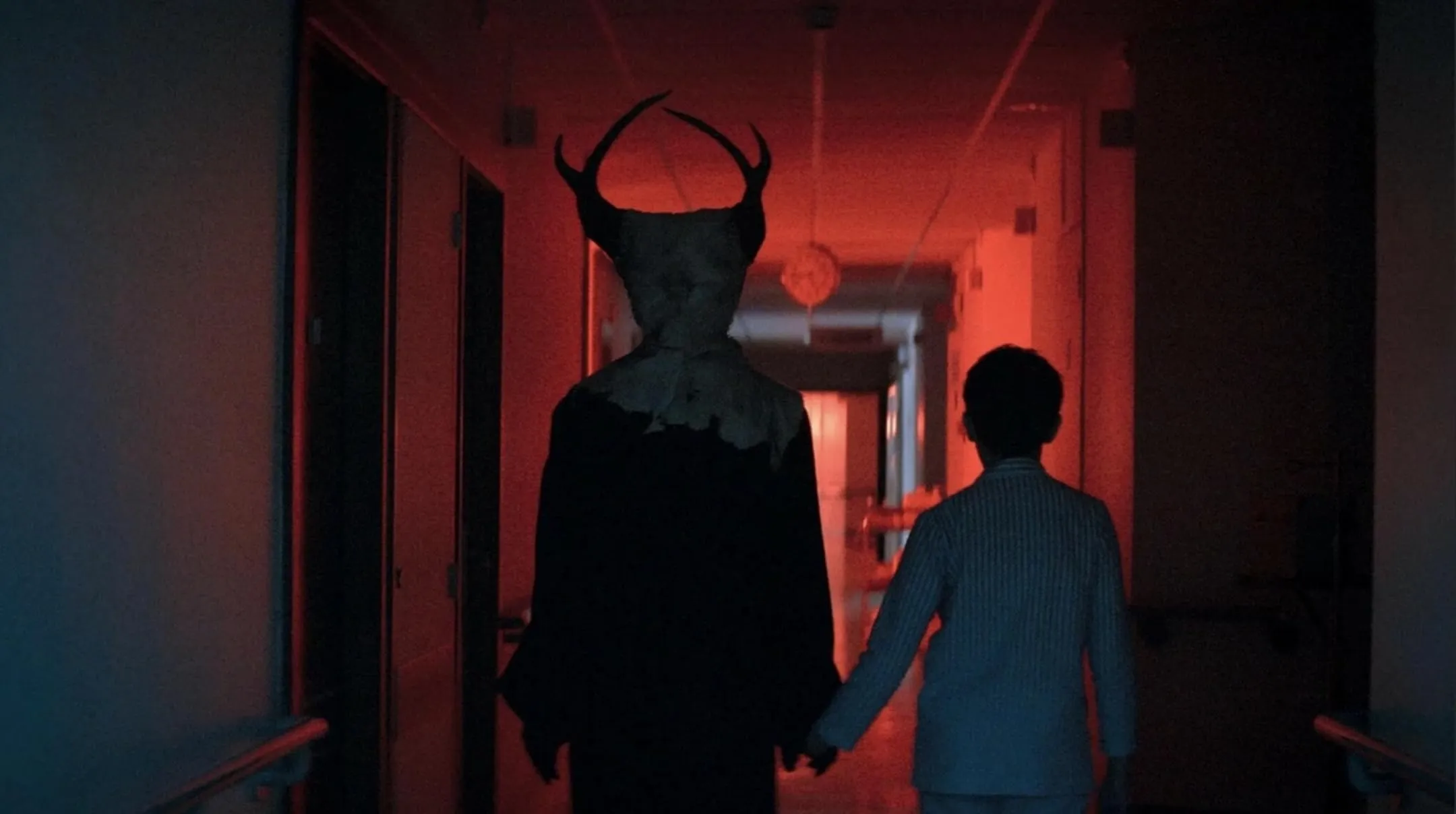

In the bleak embrace of Roquenoir, a small town steeped in eerie silence, the air is filled with secrets and shadows. This is a place where the trees appear to hint at an old dread, a folklore that runs through the veins of its inhabitants—the legend of the Soul Eater, a tall, horned phantom who devours souls and preys on the innocent.
The myth hangs over the town like a shroud, embodying the fears of a community long accustomed to its grim fate, where the line between reality and nightmare blurs, encouraging reflection on the nature of evil itself.
Amidst this sombre backdrop, a series of heinous murders threatens the fragile tranquillity, coupled with the frightening disappearance of children. The narrative unfolds when Commander Elisabeth Guardiano and Captain Franck De Rolan arrive to unravel this diabolical tapestry, each carrying their own issues.
Their investigations differ not just in method but also in essence: Guardiano, with her unyielding resolve, seeks the truth behind the violent killings, whilst De Rolan, haunted by a deeper trauma, chases the missing children, revealing the existential abyss that separates their souls. Their uneasy collaboration reflects the town itself—fractured, burdened by untold tragedies, and frantically searching for meaning in a world that seemed set on eradicating it.
Echoes of Trauma: A Character Study
Captain Franck De Rolan emerges from the shadowy hallways of Roquenoir as an ambiguous figure, his presence marked by an unsettling blend of resolve and frailty. Haunted by personal traumas that resound through his every action, Franck struggles with the ghosts of his past—his reasons intertwined with a strong need to protect the innocent, notably the missing children.
This parental impulse strengthens his resolve but also exposes the cracks in his psyche where shame and uncertainty coexist. His interactions with Commander Elisabeth Guardians alternate between companionship and confrontation, reflecting a complex dance of two haunted souls navigating difficult terrain. Each encounter is loaded with unsaid fears as if they are both searching for a truth that will always evade them.
Elisabeth Guardiano, on the other hand, embodies the archetype of the unwavering pursuit of justice, but her character development reveals the fundamental flaws lurking beneath her steely appearance. As a Commander, she demands respect, but her power is a double-edged sword separating her from the community she seeks to protect.
Her relationship with Franck is a tapestry of tension and understanding; they are both motivated by their pasts but approach their mission from opposite perspectives. Elisabeth frequently embodies a stoic realism, leading to conflict that underscores their cooperation, whereas Franck’s intentions are immersed in emotional agony. The town becomes a character in this dynamic, with locals apprehensive of outsiders yet burdened by their own complicity in the impending horror.
Supporting characters, such as the terrified town folk, reflect the town’s communal trauma rather than just background figures. Each contact, from neighbours’ cryptic whispers to scared glances exchanged in darkened alleys, adds layers to the narrative, illustrating how fear can bond a community in action, collaboration, and denial. In this web of characters, the essence of Roquenoir is distilled—an unsettling representation of human fragility in which personal and collective horrors intersect, leaving an unforgettable impression on all who enter its haunted corners.
The Weight of Shadows: Themes & Motifs
The eerie legend that gives the film its name is at the heart of The Soul Eater—a spectral being that stalks the edges of consciousness, embodying the fears that linger in the dark corners of the human psyche. As a mythological figure, the Soul Eater serves as a narrative catalyst and a profound reflection on the nature of evil and the stories we tell ourselves to help us navigate our lives.
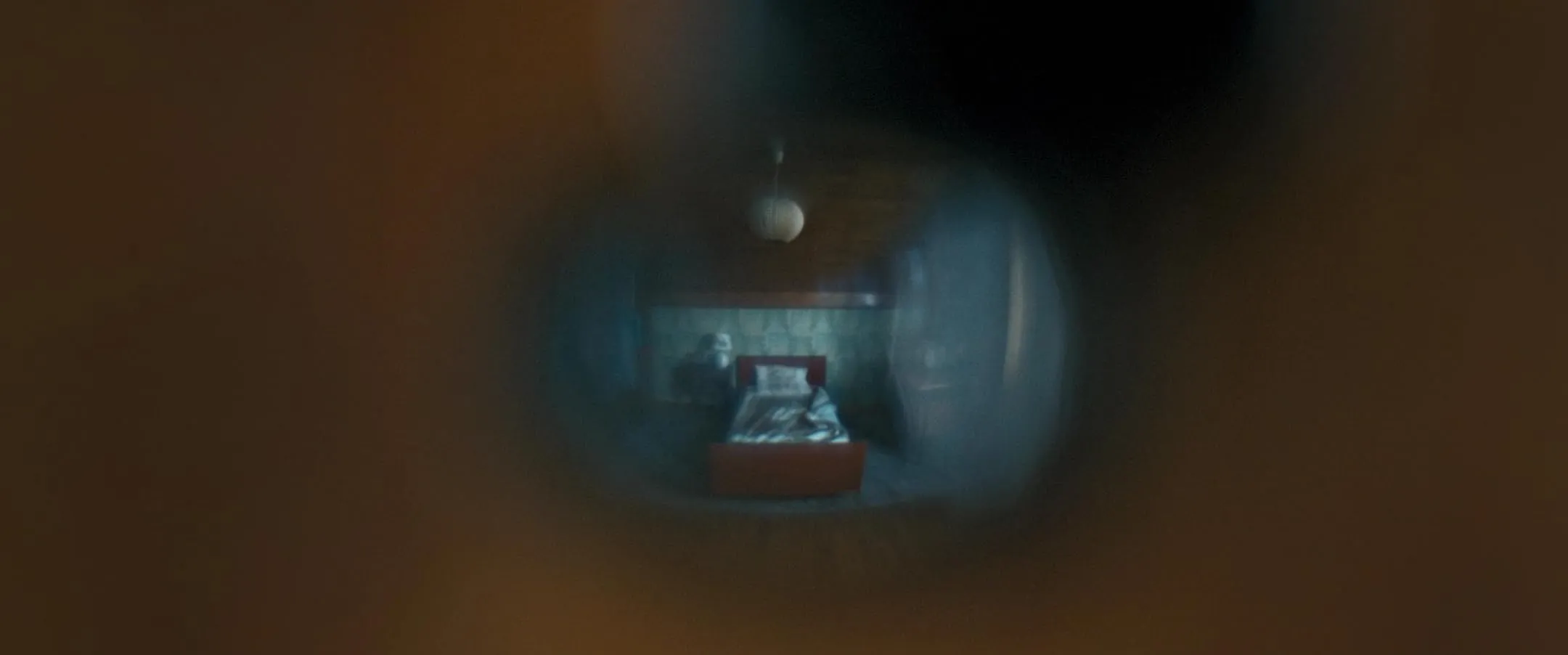
This folklore, based on local lore, reflects the worries of the town, illustrating how myths can illuminate and obscure the truths of human existence. A reminder of how readily the stories of monsters can obscure the very real horrors committed by persons we consider familiar, the legend becomes a mirror, reflecting the community’s moral decay.
This mythos is interwoven with a dramatic exploration of trauma and abuse, which casts a long shadow over the characters’ motivations and interactions. Each protagonist carries the weight of their past, shaped by scars that influence their current actions. It is possible to connect Franck’s protective instincts and Elisabeth’s unwavering pursuit of justice back to their unresolved traumas, illuminating how deeply personal scars manifest in the quest for truth.
The film does not shy away from the unsettling facts of familial abuse; rather, it exposes the insidious ways in which such experiences mould identities and perpetuate violence. The children, particularly Evan, become not only victims but also symbols of the community’s failure to protect their innocence, posing troubling concerns about complicity and denial of responsibility.
Physical and emotional isolation underscores the narrative, amplifying the characters’ problems in a rural area that feels like a jail and a shelter. Roquenoir’s forlorn beauty serves as a backdrop that enhances emotions of alienation—the air is filled with whispered fears and buried anguish.
This isolation creates a toxic atmosphere in which the townspeople, fearful of outsiders, construct a folk culture that echoes throughout the film. The contrast between community and loneliness prompts reflection on the paradox of human connection, suggesting that profound isolation can set in even in close-knit communities. In this sense, The Soul Eater becomes a meditation on the darker parts of human experience, with the monsters hiding in the woods as simply reflections of the demons within each of us.
Aesthetic Shadows: Visual and Technical Features
The Soul Eater’s visual tapestry is meticulously constructed, with each frame evoking unsettling images of the film’s themes. The cinematography, shot in a dark tone that mirrors Roquenoir’s despair, becomes an integral character in and of itself. Simon Roca’s lens catches the suffocating beauty of the rural area, where mist clings to the trees like lingering ghosts of forgotten memories.

Scenes like the investigators travelling through the fog-drenched woods heighten the sense of dread while also reflecting their inner agony, serving as a visual metaphor for the murky depths of human experience. The interplay of light and shadow inspires viewers to reflect on existence’s dualities, illuminating the line between what can be seen and what cannot.
The film’s use of realistic effects is also gripping, as it grounds the horror in a visceral reality that CGI frequently fails to capture. The ugly aftermath of violence—gory wounds and blood-smeared walls—emphasizes not only the physical brutality of the murders but also the emotional sorrow that ripples throughout the community.
Each realistic detail heightens the horror, compelling the audience to confront their uneasiness with violence. In moments of high tension, such as the discovery of a gory crime scene, the practical effects take on a life of their own, changing the banal into the macabre and forcing us to confront the darkness inside humanity.
Sound design is crucial in creating the film’s atmosphere. The score—an unnerving combination of synths and ambient sounds—echos the characters’ psychological states. The auditory landscape is full of tension, heightened by the haunting whispering of the wind and the distant calls of unseen creatures.
Each creak of floorboards or leaf rustle heightens the viewer’s uneasiness, pulling them deeper into the narrative. At moments, the score feels like a character in its own right, a continual reminder of Roquenoir’s looming dread. The Soul Eater’s symphony of sound and vision invites us to confront the shadows of our own lives, leaving us in a condition of uncertainty and dread.
The Rhythm of Dread: Pace and Structure
The Soul Eater’s narrative flow is reminiscent of the tightening noose around its characters’ throats, with a deliberate pacing that mirrors the steady accumulation of dread. Although initially engaging, the film’s slow-burn strategy occasionally pushes the limits of spectator engagement.
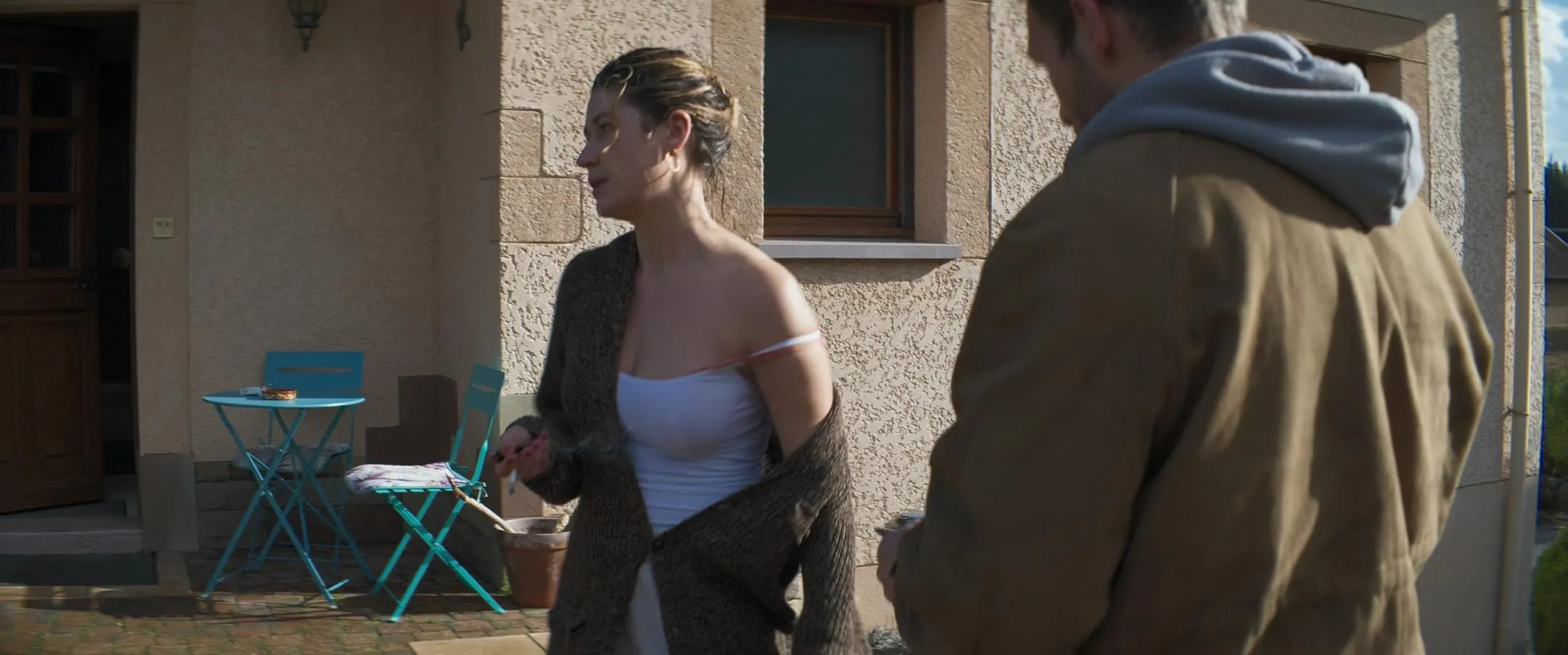
Each scene is carefully created, allowing the atmosphere to grow like fog drifting over the hills of Roquenoir. However, there are moments when the weight of exposition appears to anchor the narrative, pulling it into a stagnant pool of introspection. This tension between stillness and movement prompts reflection on the nature of suspense—can the expectation of horror be as engaging as the horror itself?
As the story progresses, the third act explodes with disclosures destabilising the narrative’s previous balance. Here, the film takes a dramatic turn, revealing the subtle linkages between folklore, trauma, and the human condition. Twists appear like spectres from the shadows, pushing characters and spectators to confront unpleasant truths that resonate with existential weight. These turns are powerful because they are unexpected and enrich the film’s thematic exploration, illuminating the darkness that hovers beneath the surface of normal life.
The pacing remains a double-edged sword; although some may find the steady build-up enjoyable, others may experience moments of separation as they are caught up in the narrative’s flow. Instances where the atmosphere falters—such as protracted silences or introspective dialogues—can detract from the urgency of the quest, raising questions about the delicate balance between action and action. The Soul Eater’s pacing dance challenges the audience to navigate the labyrinthine corridors of fear, uncertainty, and the terrible consequences of human weakness.
Echoes of Decay: Cultural and Social Reflections
The Soul Eater emerges as a sad remark on the decay of rural life, a reflection of landscapes that have wilted under the weight of neglect and sorrow. Roquenoir serves as a melancholy metaphor for lost villages, where once-thriving ecosystems have succumbed to the unrelenting march of time.
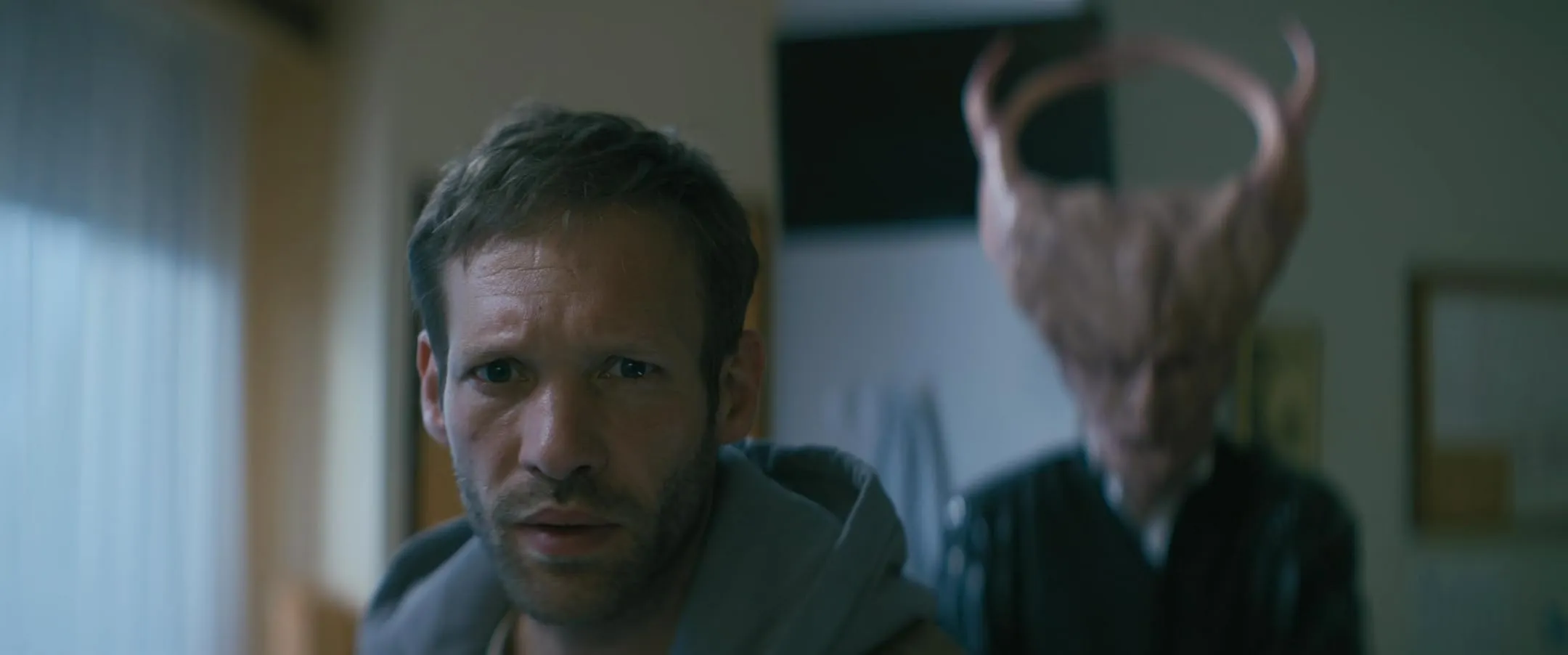
The decaying facades of buildings reflect the breakdown of social relationships and cultural narratives, amplifying the film’s pervasive sense of isolation. This decay permeates the town folk’s very psyche, creating their fears and encouraging a communal silence that conceals hard truths. It is not only physical decay. The narrative unfolds against this harsh backdrop, revealing how the ghosts of the past haunt the present, driving characters to confront both their history and their complicity in the unending cycle of violence and repression.
This sense of decay is interwoven with the interplay of the supernatural and the real, a duality that raises disquieting concerns about the nature of horror. The Soul Eater legend, albeit based on folklore, serves as a lens through which the characters confront their realities—an embodiment of their fears.
The film expertly blurs the borders between myth and reality, suggesting that the genuine monstrosities dwell not in the realm of the supernatural but in the very real miseries of human existence. This interplay resonates strongly, prompting viewers to reflect on how the stories we tell can illuminate or obscure the darkest aspects of our shared humanity. In this way, The Soul Eater becomes a terrifying exploration of the truths we choose to confront—or avoid—in the face of our existential dread.
Reflections from the Abyss: Final Thoughts
The Soul Eater is a chilling monument to the complexities of human nature, combining the physical with the philosophical in a way that captivates and disturbs. Its strengths are in its atmospheric depth, where Roquenoir’s rural decay serves as a rich tapestry for addressing themes of trauma, isolation, and folklore’s darker sides.
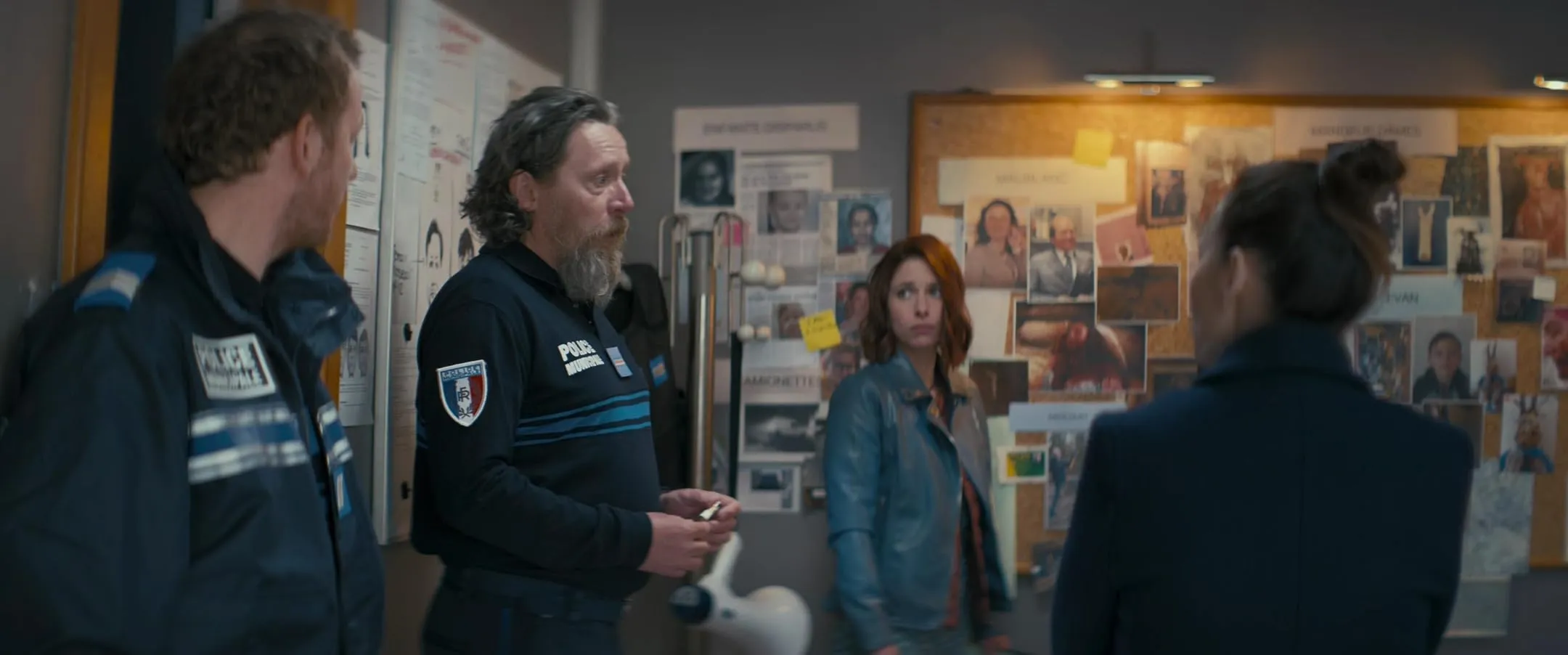
The film’s photography and physical effects elevate its narrative, anchoring it in a visceral reality that resonates long after the titles roll. However, its sluggish pacing occasionally lags, putting viewer engagement at risk during reflective moments, leading to tension that might feel unequal.
However, this exploration of existential dread—this confrontation with the monsters that lurk within and without—cemented its place in the horror genre. The Soul Eater challenges audiences to grapple with the terrible truths of their existence, leaving an everlasting imprint that stays in the mind’s shadows, encouraging reflection on the very nature of fear and humanity itself. Finally, it is a film that challenges us to delve deeper to confront the soul-eating darkness that resides not only in the woods of Roquenoir but also within ourselves.
The Review
The Soul Eater
The Soul Eater is a haunting exploration of trauma and folklore, expertly combining atmospheric tension and visceral horror. While the film's methodical pacing may be challenging for some viewers, its complex themes of isolation and the interplay of myth and reality produce a meaningful narrative experience. It is a thought-provoking addition to the horror genre, with outstanding performances and beautiful visuals that linger long after viewing.
PROS
- Atmospheric cinematography that enhances the eerie setting.
- Strong themes of trauma and folklore interwoven with the narrative.
- Effective use of practical effects, adding realism to the horror.
- Complex character dynamics, particularly between the leads.
CONS
- Sluggish pacing in certain sections may detract from engagement.
- Some viewers might find the narrative convoluted.
- Occasional overemphasis on exposition can stall momentum.







