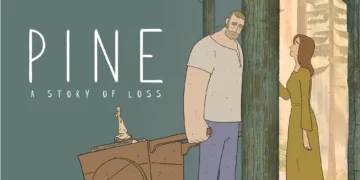


























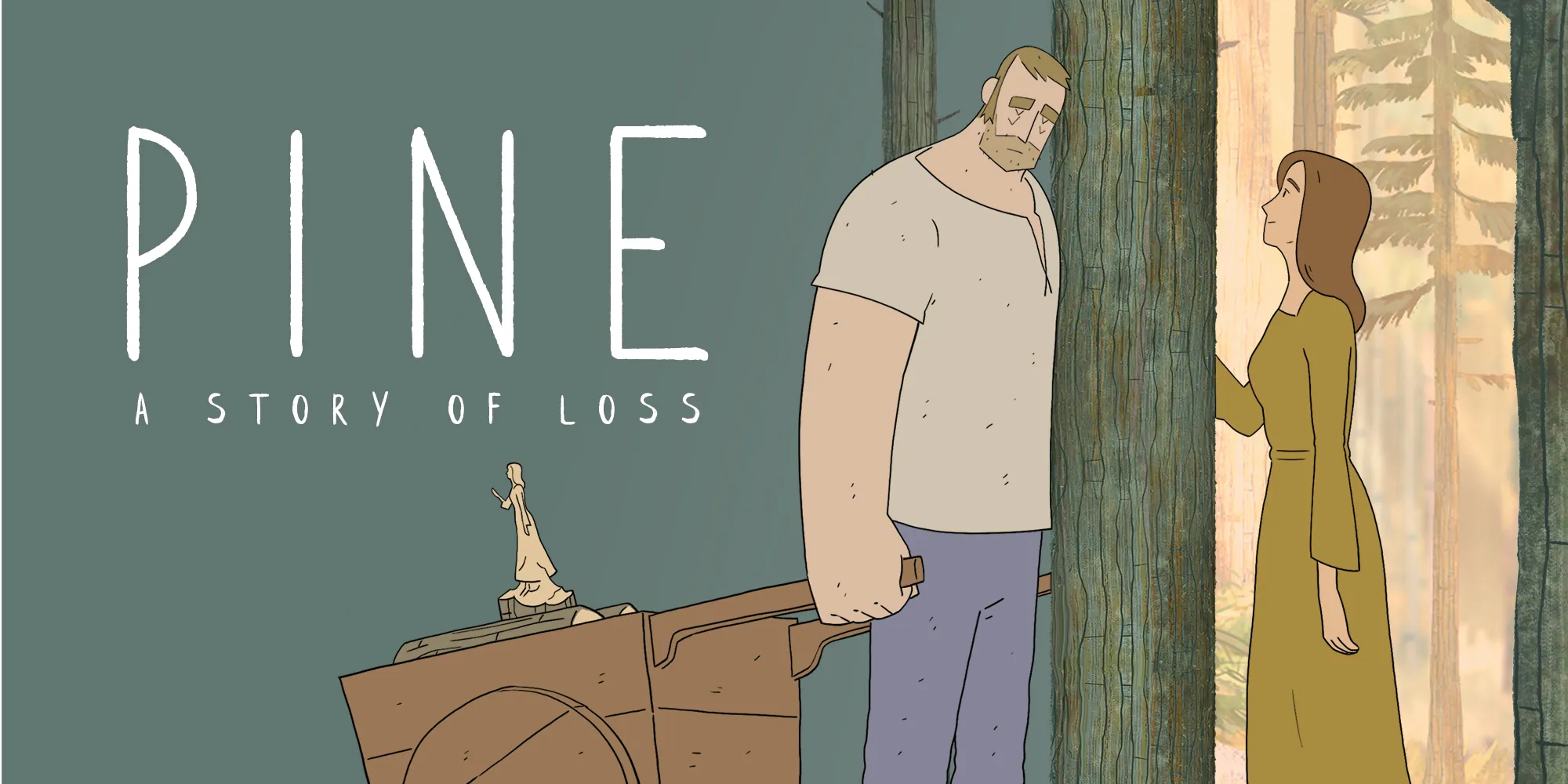

Pine: A Story of Loss, at its core, is a moving narrative about a woodworker who is struggling with intense grief after losing his wife. The protagonist’s daily life is marked by the monotony of survival tasks, such as cutting down trees, tending a vegetable garden, and carving wooden statuettes that remind him of his beloved against the backdrop of a remote forest.
This endless cycle is a potent metaphor for the weight of grief, showing how loss can permeate even the most ordinary parts of Life. The subtitle, “A Story of Loss,” encapsulates the essence of the experience, asking players to engage deeply with themes of memory, sadness, and the struggle to move forward.
One of Pine’s most notable aspects is its artistic presentation, which goes well with the film’s dark narrative. The hand-drawn graphics are beautiful and sad, creating a painterly visual atmosphere that mirrors the protagonist’s inner turmoil. Because each scene is so carefully made, players can get into the lush but lonely forest environment. A carefully chosen sound design that enhances the emotional weight of the game goes hand in hand with this stunning visual art.
The protagonist’s gentle actions and the background sounds of nature create a peaceful but haunting soundscape. Players can fully absorb the gravity of the protagonist’s experiences thanks to the sparse use of music, which heightens times of reflection. Inviting comparisons to similarly introspective titles like Journey and Gris, which also explore themes of loss and healing through their unique artistic expressions, this combination of visual and auditory elements establishes a strong emotional focus and positions Pine as an interactive piece of art that resonates on multiple levels.
Weaving a Tapestry of Grief: The Heart of Pine
The protagonist’s emotional landscape vividly depicts an in-depth study of grief at the heart of Pine: A Story of Loss. The woodworker’s physical and emotional isolation in the forest encapsulates the deep loneliness that often comes with grieving. In addition to providing a means of living, his daily tasks—chopping wood, tending to crops, and engaging in monotonous chores—also show how he is feeling. Each action has a distinct weariness to it, echoing the numbness that often comes with losing a loved one.
The game masterfully captures this sense of loneliness as the player observes the character’s struggle to find meaning in a life devoid of happiness and companionship. This emotional depth is similar to the themes in titles like What Remains of Edith Finch, where players go through memories that reveal the complexities of family and loss.
The protagonist’s memories and daily activities are expertly woven into the narrative progression in Pine, creating a dynamic dialogue between the past and the present. Players are reminded of the love that once occupied his life as he engages in routine tasks through short flashbacks that show moving scenes with his wife. One example is that watering plants might bring back memories of the couple planting a yard together.
This is an example of how routine can lead to memory. These memories enhance The narrative play experience, which turns mundane tasks into deep reflections on love and loss. Like the storytelling methods employed in Life is Strange, where players must confront the weight of their decisions and the associated memories, this structure evokes a sense of catharsis.
Players are encouraged to reflect on their own experiences with grief by Pine’s overarching themes of loss, memory, and the passage of time. The protagonist’s repetitive tasks emphasize how quickly time passes by, in stark contrast to the brief moments of happiness preserved in memories. The contrast between these two things is a powerful warning that even though life goes on, the pain of loss can last forever.
The Last of Us characters struggle with the impact of their pasts on their present, and the game’s exploration of memory as both a refuge and a burden strikes home strongly. The protagonist’s journey in Pine becomes a universal narrative, encapsulating the struggle to hold onto love while navigating the shadows of loss.
Engagement Through Simplicity: The Mechanics of Pine
In Pine: A Story of Loss, players engage in several repetitive but important tasks based on the woodworker’s daily routine. At their core, the mechanics are concerned with cutting down trees, tending to a garden, and getting water. Although simple, these tasks are meant to put players in the protagonist’s shoes and highlight his life’s monotony and emotional weight.
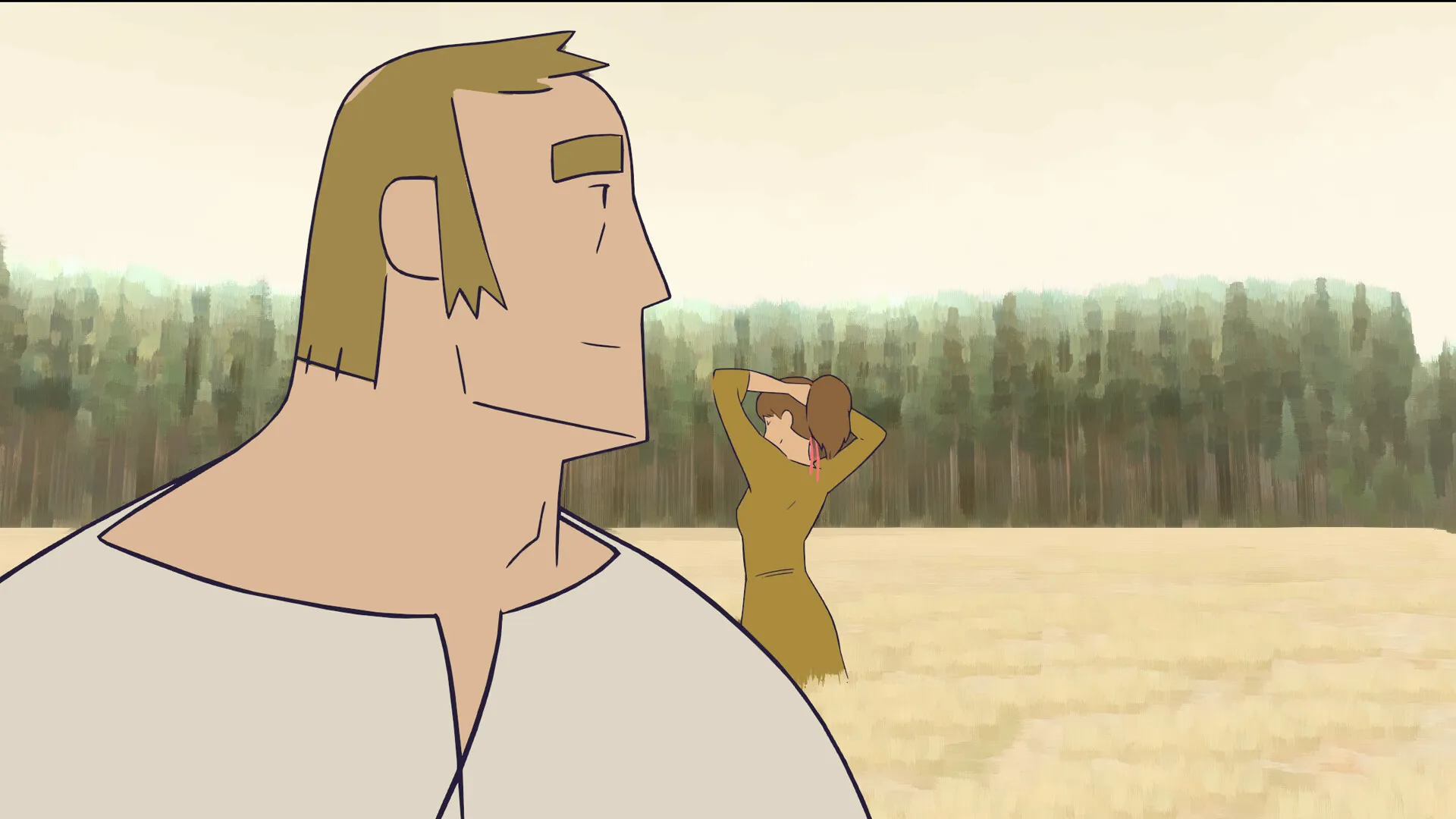
The character’s struggle to find meaning in a world marked by loss is mirrored by how each day feels like a reflection of the previous. This deliberate pacing can make you feel tired, like in Stardew Valley, where the cyclical nature of farm life is both a comforting routine and a sense of deeper themes.
Pine’s interaction methods stand out because they are mostly designed for touchscreen devices, enhancing the tactile experience of everyday tasks. Swiping to cut wood or tapping to plant seeds makes a more personal connection to the actions being carried out. On the other hand, players who use a controller might find the experience less engaging because of the simplicity of the controls, which reduces player actions to button presses.
This difference can lead to a sense of detachment, particularly when the emotional weight of the game calls for greater engagement. In comparison, the switch between touchscreen and controller in Pine can weaken the intended emotional connection, reminiscent of Brothers: A Tale of Two Sons, where the distinctive control mechanics improve the narrative experience.
As a break from the monotony of daily tasks, Pine’s mini-games add variety and meaning to the gameplay. Simple interactions become moving thoughts in these scenes, frequently bringing memories of the protagonist’s wife to mind. For example, players might engage in a rhythm-based game or a jigsaw puzzle to remember times from the couple’s past.
These mini-games can be a nice break from the same old tasks, and they also bring out the emotional stakes, giving players a short break from the misery of grief. Some mini-games, however, have been called “unpolished,” which can detract from their meaning. This is similar to how mini-games were received differently in The Last Guardian, where their impact varied. The ability of these scenes to elicit emotion while offering a break from the protagonist’s somber routine ultimately determines how successful they are in Pine.
Visual Poetry: The Artistry of Pine
One of Pine: A Story of Loss’ most notable aspects is its visual style, distinguished by exquisitely hand-drawn art that conveys a sense of both whimsy and sadness. With vibrant colors and smooth animations that bring the protagonist’s lonely world to life, each frame feels like a live painting.
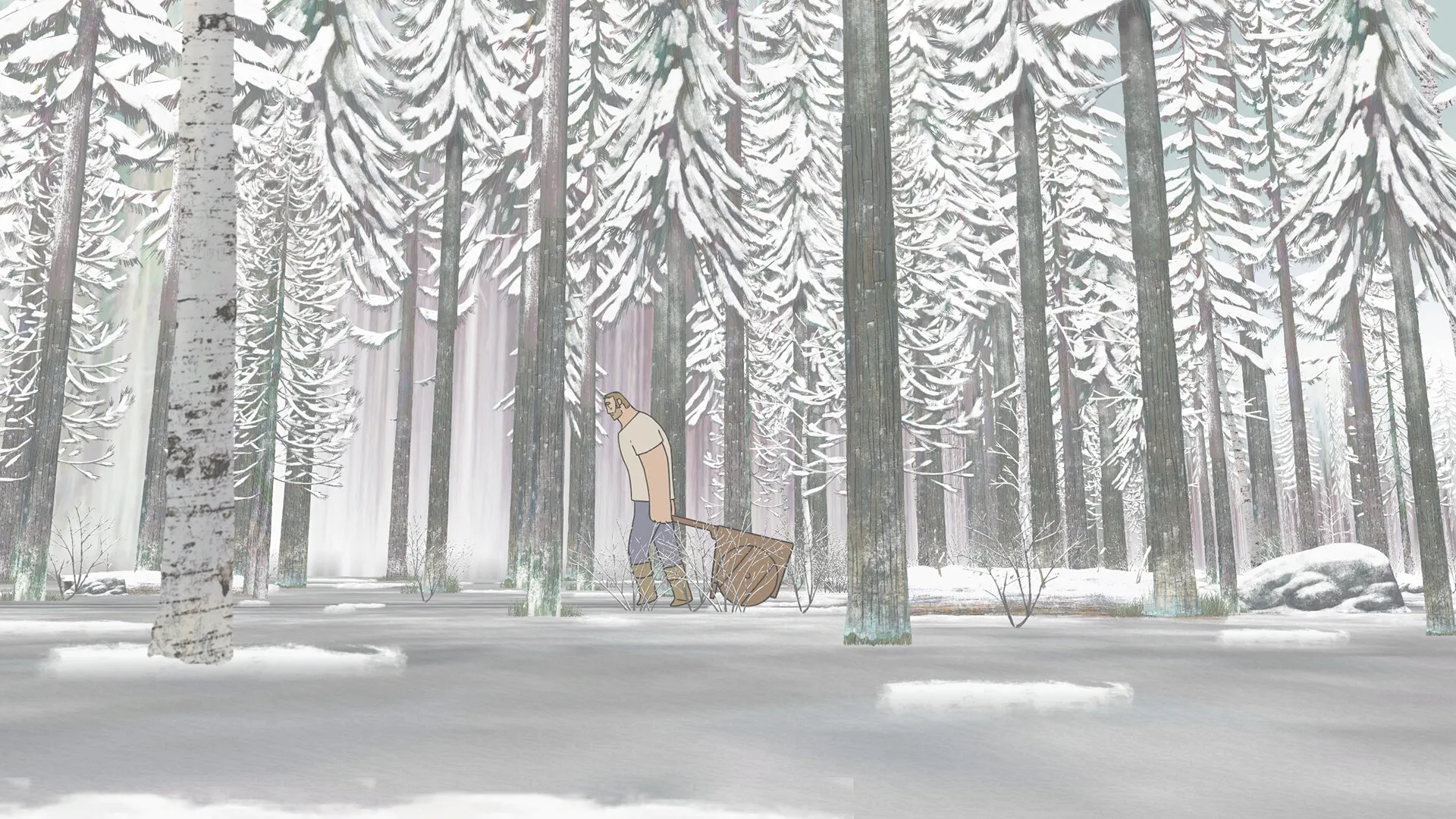
The woodworker’s character design, in particular, enhances the narrative without needing dialogue by subtly conveying his emotional state through expression and movement. It’s similar to how titles like Gris use visual storytelling to show strong feelings. With seasonal changes prominently depicted in the environment, Pine successfully illustrates the passage of time, reinforcing the visual themes of loss and memory that permeate the game.
Pine’s sound design goes well with its visual art, creating an immersive atmosphere that increases the emotional weight of the narrative. The woodworker lives alone, and the sounds of the forest—rustling leaves, faraway animal calls, and the slow flow of water—provide a soothing backdrop. Players are immersed in the protagonist’s world thanks to this careful attention to sound detail, which helps create a sense of reality.
Adding to the game’s emotional impact is the sparse use of music that builds and drops at key points. For example, during times of reflection or memory, the music serves as a powerful reminder of the love lost, echoing the feelings found in Journey, where the score is crucial to capturing the characters’ emotional journey.
The overall atmosphere of Pine is a careful balancing act between its visual and audio components, creating a haunting and lovely mood. Players are encouraged to fully engage with the protagonist’s emotional journey by combining stunning visuals and evocative soundscapes, inspiring introspection.
The game’s pacing mirrors the ups and downs of grief itself, marked by quiet periods of reflection followed by bursts of action. The environment and sound work together to create a place for personal exploration and emotional resonance in this atmosphere, which is reminiscent of Firewatch. The journey through loss in Pine feels personal and global thanks to every visual and sound cue that deepens the player’s connection to the protagonist.
A Journey of the Heart: Connecting with the Protagonist
Through the shared experience of grief, Pine: A Story of Loss creates an emotional connection between the player and the protagonist. Players can relate to the woodworker’s situation because of his quiet struggle, shown through his lone woodworker and fleeting memories. Players may reflect on their experiences with loss as they engage in repetitive actions, creating a strong bond with the protagonist.
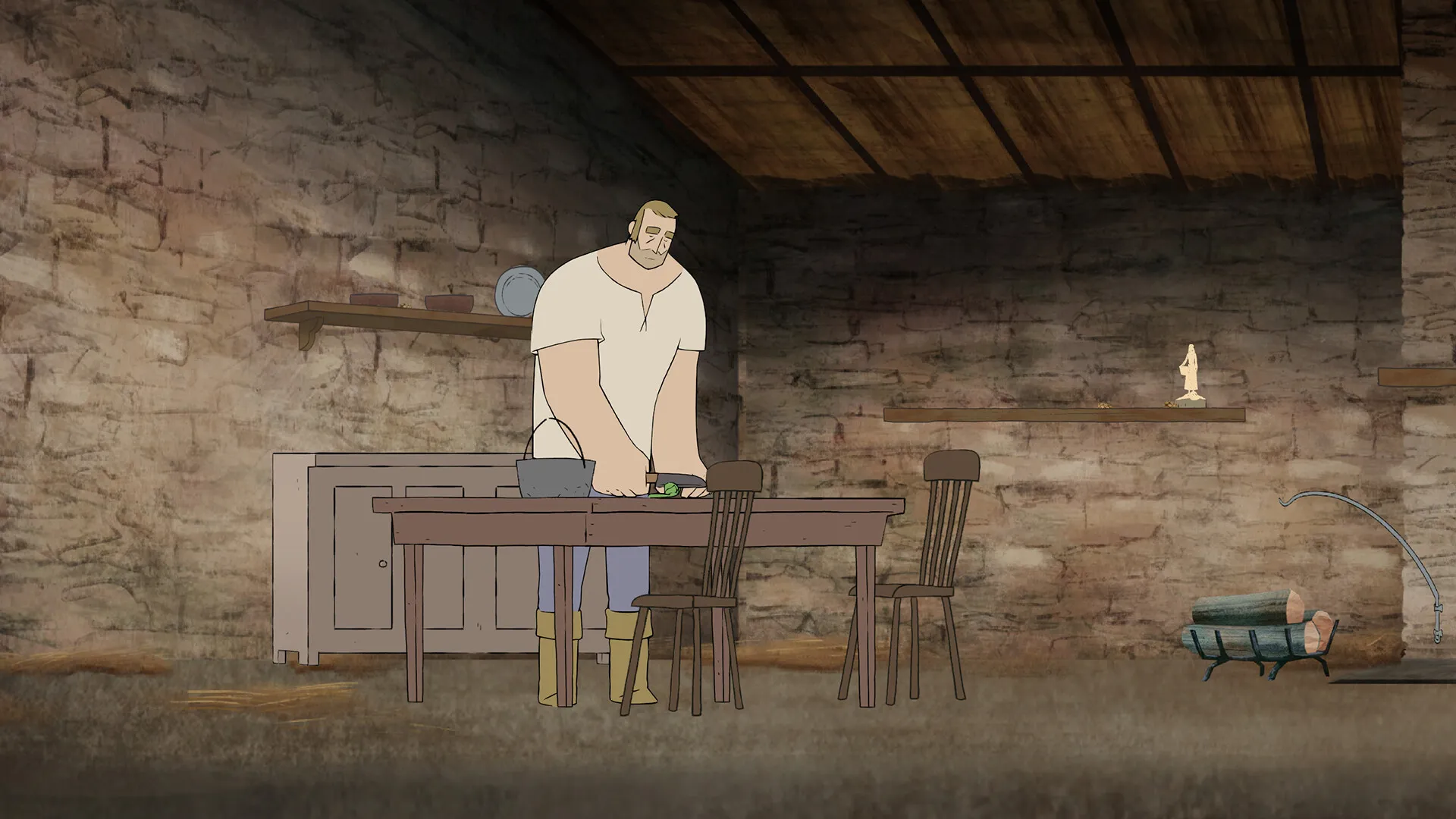
Players must infer the protagonist’s feelings from his actions and expressions, strengthening the connection. This strategy mirrors the narrative approach of What Remains of Edith Finch, in which players experience highly personal family stories of loss. The character’s simplicity—his big hands and sad face—further enhances relatability, letting players project their feelings onto him.
Pine’s design successfully evokes a range of emotions through its simple style. Even though they seem boring at first, the protagonist’s grief is effectively conveyed through the repetitive mechanics of daily tasks. Simple actions become acts of remembrance as a result of each job that serves as a reminder of the life he once shared with his wife. For example, the repetitive nature of gardening or woodcarving changes from a mere game aspect to a meditation on loss.
This design choice echoes Journey’s emotional resonance, where players travel through a vast landscape while engaging in simple but profound exchanges that evoke feelings of loneliness and connection. Pine takes away the game’s complexity so that players can focus on the emotional weight of the experience, which leads to a deep sense of reflection.
Pine’s message about grief and moving on has received various reactions, reflecting how subjective its themes are. Some players like how the game shows loss as a process that is neither simple nor quick to fix; it highlights the ongoing struggle to hold onto memories while navigating the pain of absence. This point of view opens up meanings that align with how people feel about games like “The Last of Us,” where the weight of loss changes characters’ paths in deep ways.
On the other hand, some people might find the game’s ending less satisfying or emotionally powerful because it suggests a need to forget rather than fully process grief. This range of interpretations highlights the complexity of grief, reinforcing the idea that Pine is more than just a game but a platform for introspection. The game’s ability to start conversations about how we deal with loss and the different paths we take toward healing ultimately gives it its impact.
Balancing Beauty and Routine: A Design Assessment of Pine
The repetitiveness of Pine: A Story of Loss’s tasks, which can lead to player anger, is one of the most notable criticisms of the game. Although these boring tasks aim to reflect the protagonist’s emotional state, the execution can sometimes give the player a sense of tedium. Players may find themselves repeatedly carrying out the same tasks, like watering plants or cutting down trees, which can detract from the narrative’s emotional impact.
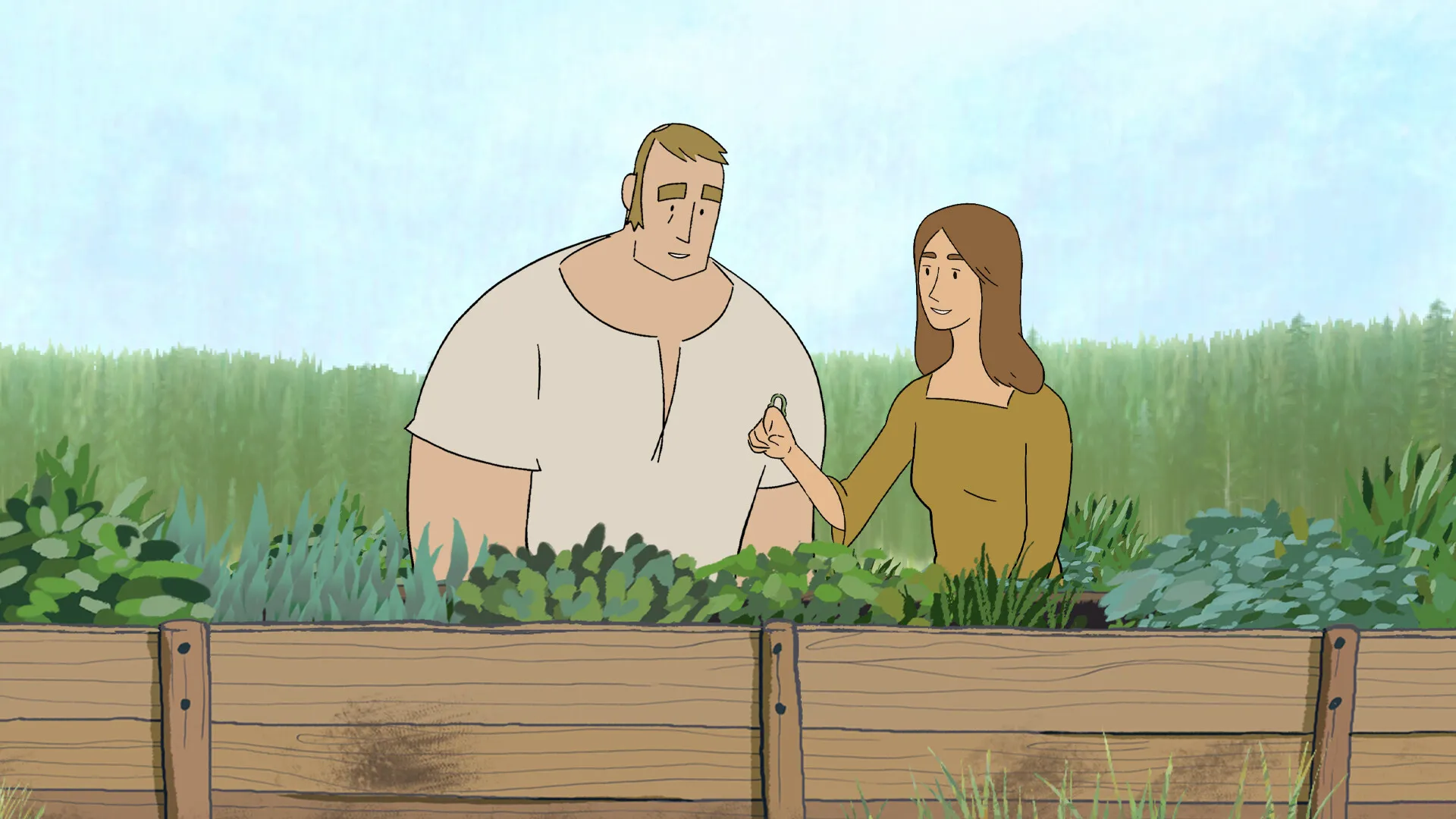
A disconnect between the player’s experience and the intended emotional depth could result from this monotony, overshadowing the moving memory moments that break up the monotony of gameplay. This part of the game is similar to Animal Crossing, where doing the same tasks repeatedly is a core mechanic. However, in Animal Crossing, the charm and community involvement make up for what Pine lacks.
When it comes to the polish of the gameplay, Pine has some places that could use some work. Some interactions feel rough, even though the core principles are simple. For example, players have noted inconsistencies during the woodcarving mini-game, where the controls can be unpredictable, ruining an otherwise relaxing experience. Such inconsistencies can break immersion and remove players from the game’s emotional narrative.
This lack of polish is similar to complaints about independent titles, where ambition can get in the way of execution. Compared to games like Gris, where every interaction feels natural and on purpose, Pine occasionally falls short, telling players that while the art is good, the execution can be lacking.
Reflections on Loss: Summing Up Pine’s Emotional Journey
Through the eyes of a woodworker navigating his loneliness, Pine: A Story of Loss presents a deeply engaging narrative that examines themes of grief and memory. The hand-drawn graphics and evocative sound design create an immersive atmosphere that enhances visual resonance.
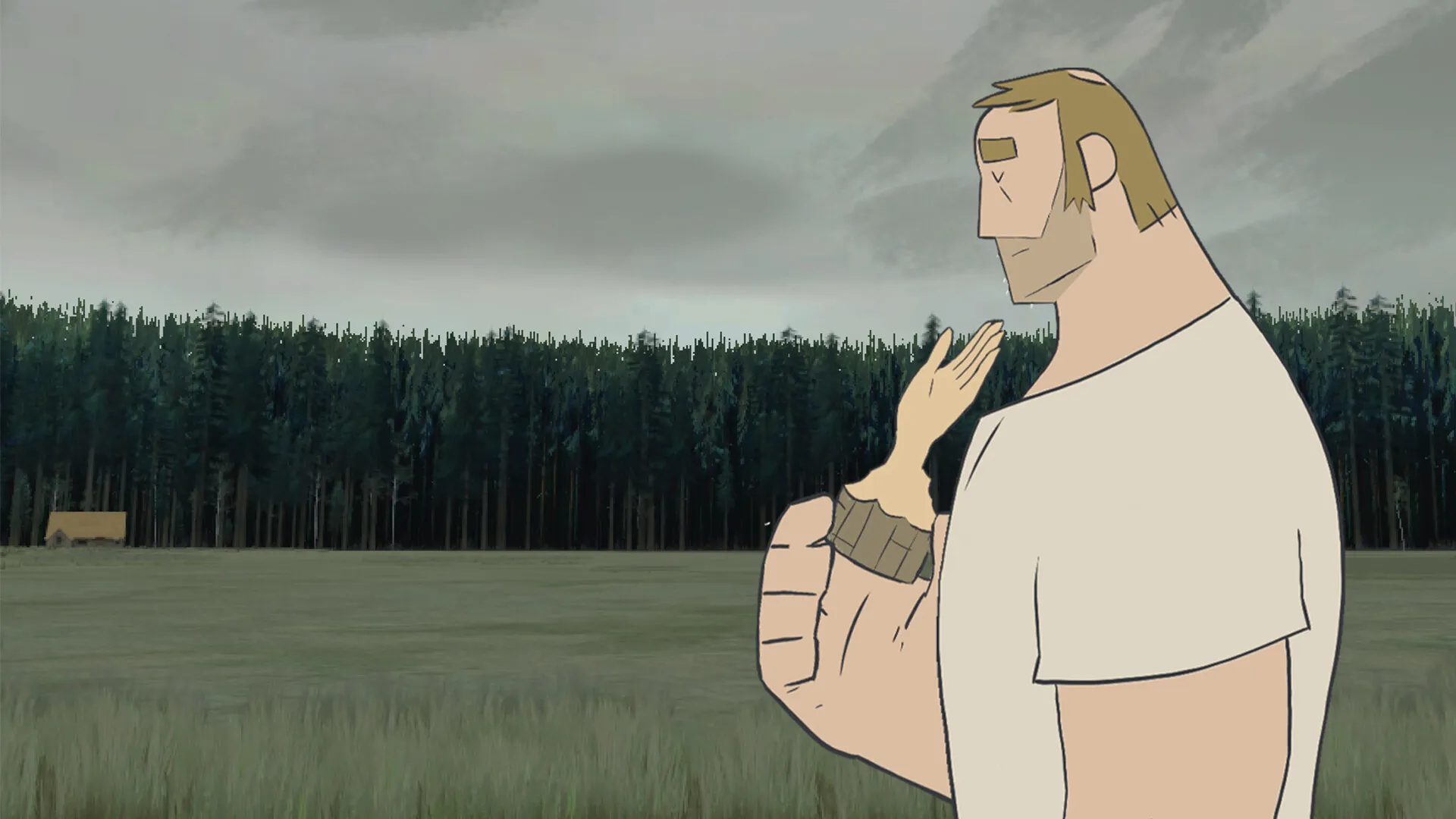
However, the repetitiveness of daily tasks can lead to player resentment, detracting from the overall experience. Inconsistencies in-game art also draw attention to areas that could be improved, especially when compared to more finished titles in the same genre.
Pine ultimately achieves many of its artistic and narrative goals by successfully allowing players to confront the complexities of loss through its moving stories and aesthetic choices. Despite its gameplay flaws and potential for monotony, the emotional depth and relatable character arc make it important. The game has a reflective journey that lasts long after the screen goes black for those who are okay with its slower pace.
The Review
Pine: A Story of Loss
The complexities of grief are successfully captured in Pine: A Story of Loss, a visually stunning and emotionally resonant experience. While some players may get annoyed by the game's repetitive tasks and inconsistencies, the moving narrative and stunning art style create a completely engrossing atmosphere. Pine is a reflective journey that is touching and thought-provoking for those willing to engage with its slower pace.
PROS
- Beautiful hand-drawn visuals enhance the emotional experience.
- Evocative sound design contributes to immersion.
- Engaging narrative that explores themes of grief and memory.
- Relatable character arc fosters empathy.
CONS
- Repetitive tasks can lead to player frustration.
- Gameplay mechanics lack polish in some areas.
- Pacing may feel slow for those seeking action.