

















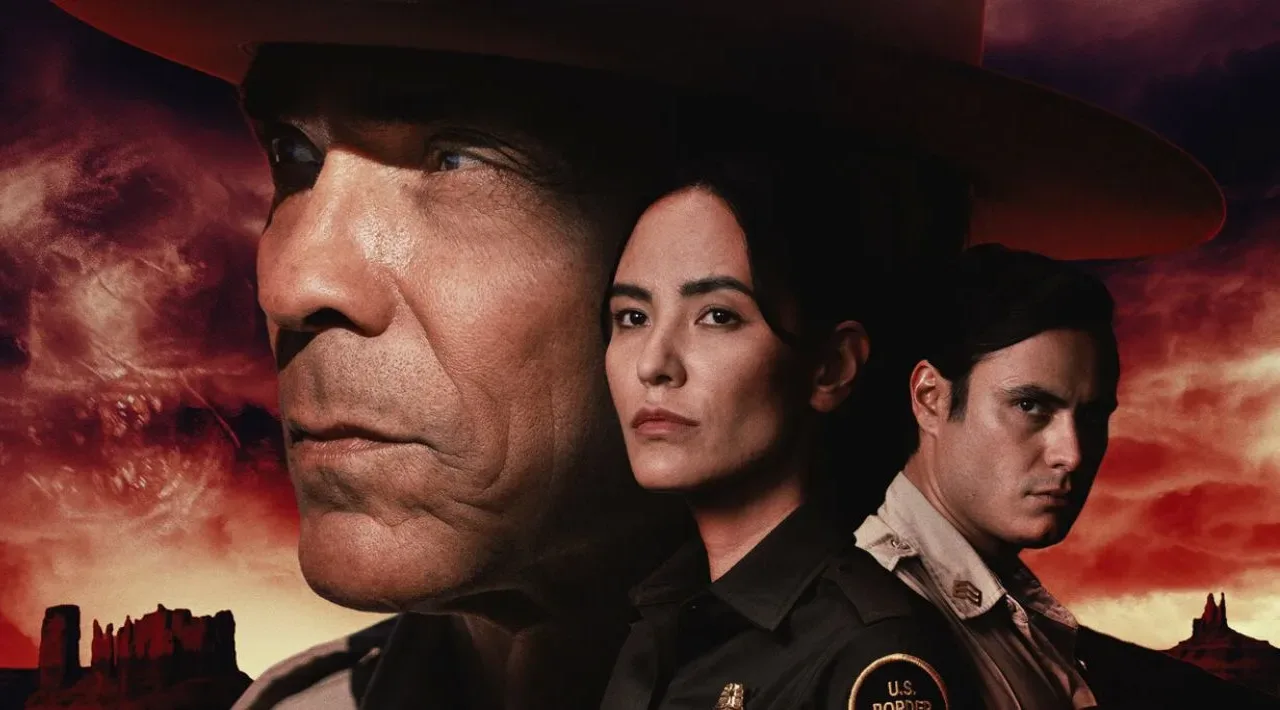

Adapted from Tony Hillerman’s Leaphorn & Chee novels, the series places its story in 1970s New Mexico and within the Navajo Nation. The environment functions as a primary force that shapes mood and narrative tempo. Rugged slopes, wide deserts, and storied cultural landmarks form a backdrop where local practices meet modern pressures.
This historical frame offers a focused depiction of a community defined by layered heritage and endurance, supplying viewers with a view into lives that television seldom shows with this level of attention. Native American representation occupies a central position in the series, with characters whose choices and struggles arise from their cultural surroundings.
Casting and visual decisions work to build credibility for that portrayal, giving viewers access to the subtle tensions between Indigenous traditions and contemporary concerns. In an industry frequently accused of misrepresentation or marginalization, the show participates in a change in television storytelling that creates space for long-overlooked voices. The careful rendering of cultural practices and social relations inside the Navajo Nation registers as a notable media moment, one that questions familiar portrayals and enlarges viewers’ sense of historical and cultural variety.
Plot and Storytelling: Unraveling Complex Narratives
The narrative follows Lt. Joe Leaphorn and Jim Chee as they investigate the disappearance of two teenagers, a case that connects unresolved elements from earlier episodes with the immediate mystery. That structure allows the investigation to function as an examination of how earlier actions shape present consequences, revealing how personal history continues to influence judgment, loyalty, and ethical responsibility across the season.
Within a setting where past events retain emotional force, the missing-teen investigation exposes private wounds and persistent guilt. The case operates as a narrative lens through which buried conflicts surface, revealing the strain between professional duty and unresolved remorse. Each development carries emotional weight, emphasizing how memory and responsibility shape decision-making in moments of crisis.
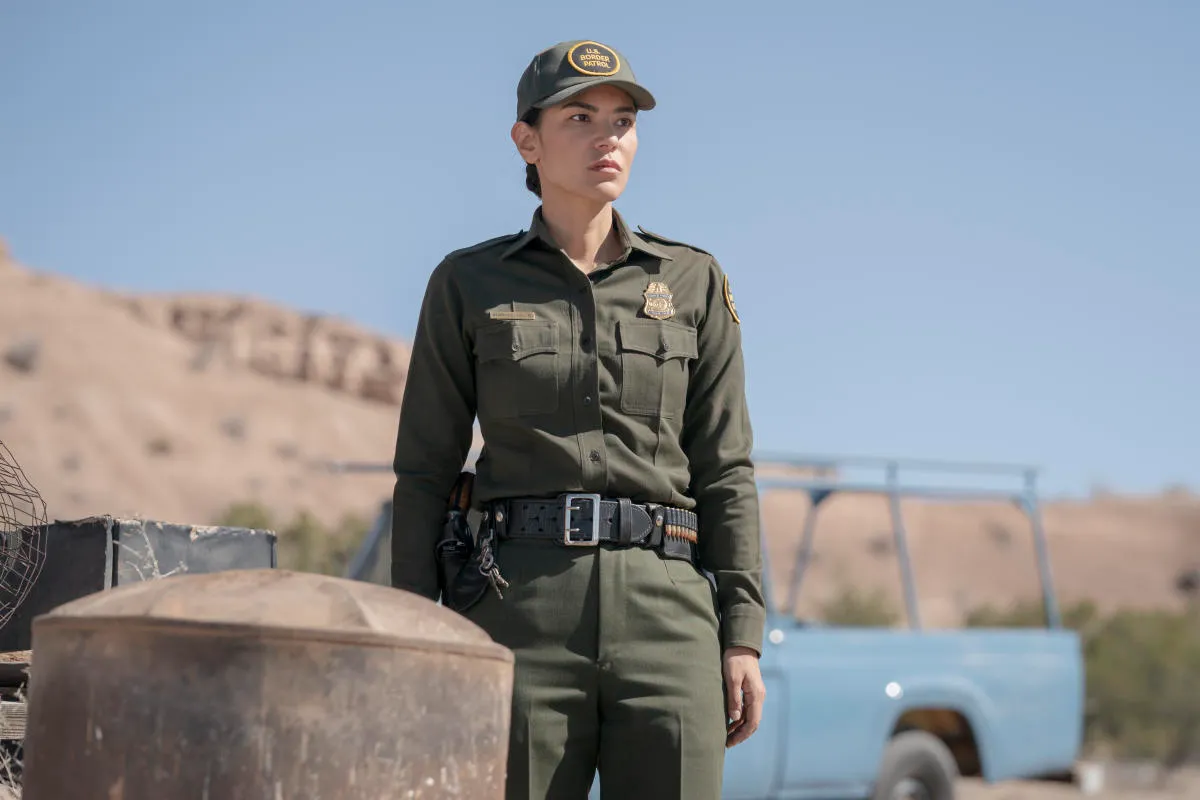
Alongside the central inquiry, Bernadette Manuelito transitions into a new role with the Border Patrol, introducing a parallel storyline that intersects with the primary plot. Her professional shift provides a perspective on authority and belonging, reflecting tensions tied to identity and institutional power. This subplot broadens the narrative scope while reinforcing the season’s focus on personal change within rigid systems.
The season employs narrative devices such as flashforwards, dream sequences, and symbolic imagery to expand its storytelling language. An early scene featuring a fallen flashlight and a familiar musical cue establishes an unexpected tone that signals a departure from conventional crime drama rhythms. These techniques encourage viewers to engage actively, interpreting meaning through implication rather than exposition.
Pacing remains deliberate and reflective, allowing space for interior moments and emotional processing. Quiet sequences carry equal weight to moments of heightened tension, giving the audience time to absorb the consequences characters carry. This measured tempo supports a layered mystery that unfolds gradually, reinforcing a structure aligned with contemporary serialized storytelling trends on streaming platforms.
Character Development and Performances: Faces of the Investigation
Joe Leaphorn anchors the narrative as a figure shaped by loss and earlier choices. His internal conflict emerges through restrained performance details, from controlled gestures to extended silences. The portrayal conveys accumulated regret and responsibility, positioning his emotional endurance as a central element of the season. His progression through hardship becomes a sustained point of connection for the audience.
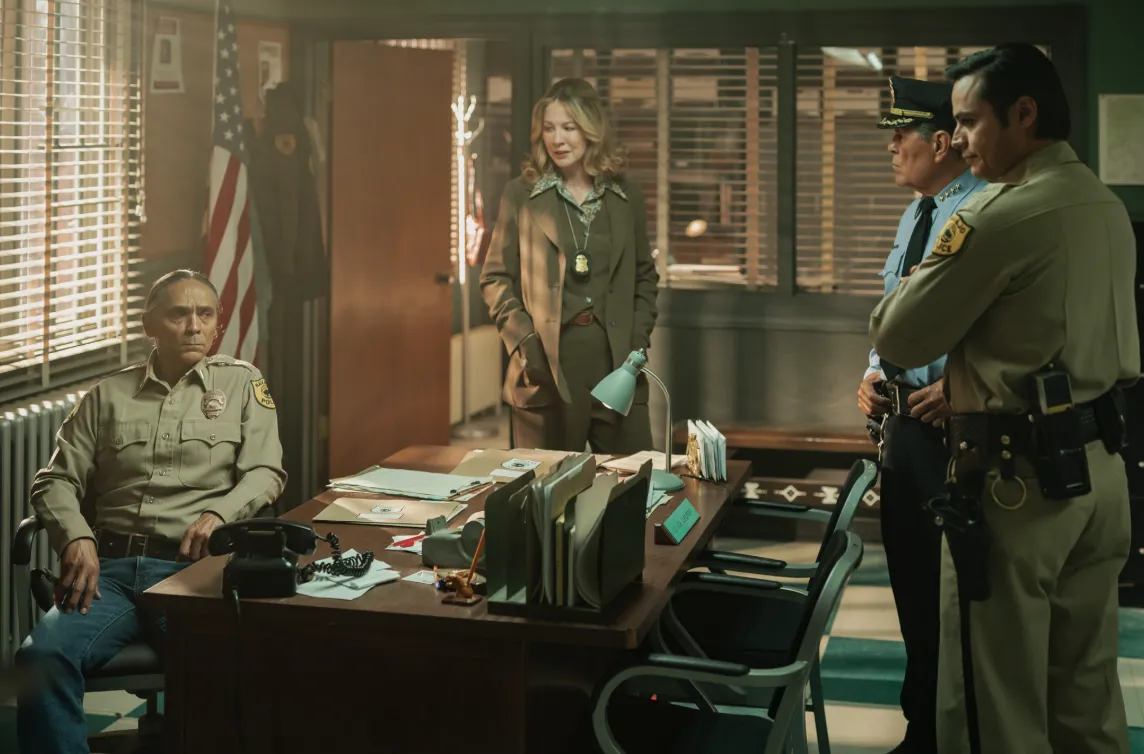
Jim Chee provides a stabilizing presence through steady resolve and a renewed connection to his heritage. His approach to the investigation reflects clarity and reflection, framing his work as both professional obligation and personal affirmation. That grounding influence shapes the tone of the investigation, emphasizing continuity, responsibility, and cultural rootedness within an evolving narrative landscape.
Bernadette Manuelito’s storyline centers on resilience and adaptation. Her move into the Border Patrol places her in unfamiliar territory while exposing her to a conspiracy that unsettles her sense of belonging. The performance balances restraint and vulnerability, offering a viewpoint that complements the investigation while expanding the emotional and thematic range of the season.
New characters including FBI Agent Sylvia Washington, oil baron Tom Spencer, and Border Patrol Agent Ivan Muños introduce additional tensions and dynamics. Their interactions with the core ensemble generate moments of pointed irony and restrained humor, revealing both strengths and limitations within the established group. These exchanges enrich the narrative texture without diverting focus from the central emotional arcs.
Relationships within the investigative team, including moments between Joe and Emma, rely on subtle dialogue and gesture to communicate shared history and mutual reliance. Performances emphasize emotional precision, capturing sacrifice and unspoken pain through controlled expression. The cumulative effect offers an intimate view of characters shaped by duty, memory, and enduring personal cost.
Themes and Cultural Significance
The series commits to portraying Indigenous characters with depth and care, grounding them in cultural practice and historical experience. Its approach avoids reductive characterization, presenting a range of personalities that reflect communal strength and ongoing challenges. This perspective encourages reconsideration of entrenched assumptions surrounding identity, authority, and agency within television storytelling.

Elements of Navajo spirituality and folklore appear throughout the narrative, integrated through visual symbolism and thematic suggestion. These moments suggest a worldview where ancestral belief remains present in everyday life, shaping perception and action. Their inclusion supports a representation of tradition that feels lived rather than ornamental, reinforcing cultural continuity across generations.
Themes of retribution, regret, and moral responsibility recur across the season, shaping both plot and character behavior. Personal failings and long-standing consequences surface through professional decisions, aligning individual experience with wider social concerns. Scenes confronting past actions foreground questions of accountability and honor, emphasizing the emotional toll carried by those bound to their choices.
Personal history functions as a narrative engine, motivating behavior and shaping response. Quiet introspection and carefully placed flashbacks reveal unresolved pain and lingering remorse. These techniques deepen character understanding and reinforce how memory influences action, creating continuity between past and present that defines the season’s emotional structure.
Visual Style, Cinematography, and Production Design
New Mexico’s geography receives precise visual attention, reinforcing isolation and environmental severity. Expansive deserts and steep canyons appear consistently, framed to emphasize scale and solitude. Cinematography balances wide compositions with intimate character moments, using spatial relationships to mirror emotional distance and connection within the narrative.
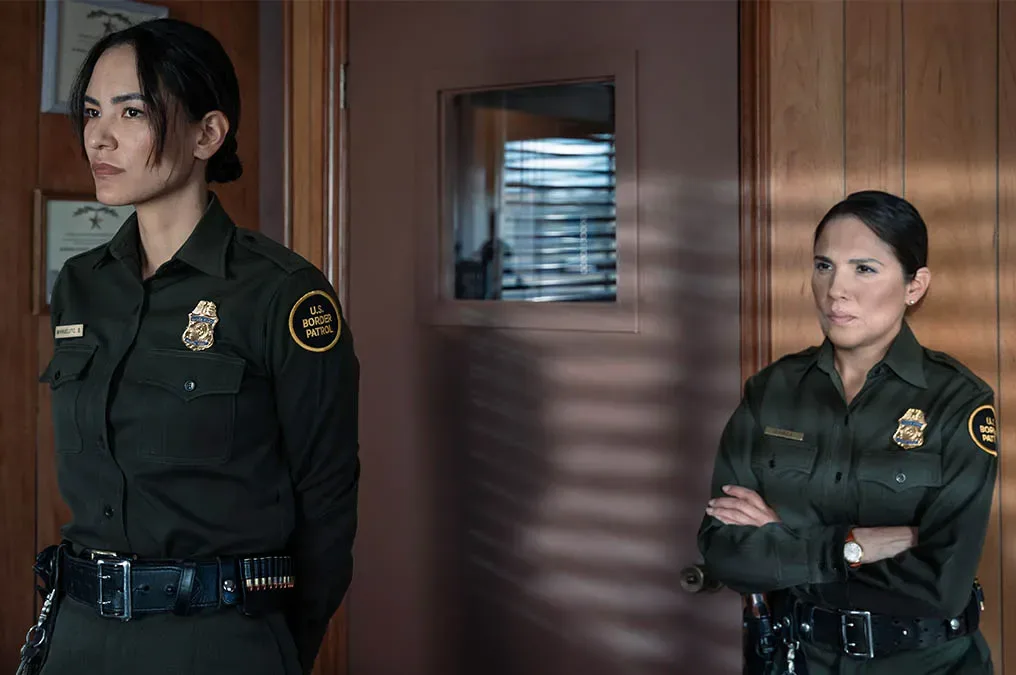
Lighting and color choices cultivate an atmosphere marked by tension and uncertainty. Soft hues and shadowed interiors shape reflective scenes, while sharper imagery accompanies moments of emotional intensity. The musical score, including selections such as “Space Oddity,” works in concert with the visuals to sustain immersion and emotional continuity.
Production design reflects its historical period through detailed sets, costumes, and props. Locations like the Navajo Tribal Police department and period-specific interiors anchor the story within its timeframe. These elements integrate seamlessly into the narrative, reinforcing authenticity while contributing to a cohesive aesthetic identity.
Direction, Writing, and Adaptation
The writing maintains clarity while managing multiple storylines, supporting a plot that remains intricate without losing cohesion. Dialogue reflects distinct character voices and carries narrative weight even in brief exchanges. This precision allows character development to unfold gradually, aligning emotional progression with structural discipline.
The adaptation of Tony Hillerman’s novels reflects careful attention to tone and cultural detail. Choices in scene construction and dialogue preserve the literary sensibility of the source while translating it into visual language. Cultural nuance and historical awareness inform the adaptation, sustaining narrative depth throughout the season.
Direction and showrunning shape a season attentive to pacing and thematic layering. Creative decisions emphasize emotional resonance and cultural grounding, establishing a tone aligned with evolving streaming-era storytelling practices. Scene composition and narrative structure work together to support reflective engagement without sacrificing narrative momentum.
The Review
Dark Winds Season 3
Season 3 stands out as a thoughtful, character-driven installment that captures the essence of its cultural backdrop with clarity and precision. It challenges traditional storytelling while offering a refreshing, authentic perspective on Indigenous experiences, making it a compelling watch for those seeking nuanced drama.
PROS
- Strong performances with nuanced character portrayals
- Authentic portrayal of Native American culture and history
- Innovative narrative and visual storytelling
- Rich cinematography and immersive production design
CONS
- Occasional uneven pacing
- Complex narrative may challenge casual viewers