




























The Elder Scrolls IV: Oblivion Remastered arrives in April 2025 as a comprehensive overhaul of Bethesda’s celebrated 2006 RPG. Available on PC, Xbox Series X|S, PlayStation 5 and Steam Deck, this edition pairs the original design with a full rebuild in Unreal Engine 5.
Bethesda Game Studios handed off core code and lore to Virtuos, who tackled every texture, model and animation for a high-definition canvas. From the gated corridors beneath the prison to the windswept hills outside Chorrol, players reclaim the Amulet of Kings, race daedra into their own realm and uncover hidden strongholds.
The remaster embraces the uneven edges of the past—awkward facial rigs, impromptu laughter and that signature guard chant—while applying modern rendering, dynamic lighting and hyper-detailed foliage. Combat animations feel more fluid, though the underlying mechanics remain rooted in clashing steel and twitch-based blocking.
Sprinting offers fresh speed control, yet the classic skill-based progression still rewards devotion to chosen abilities. This friction between janky legacy and next-gen polish sustains a curious tension that defines the adventure. As you step into Cyrodiil again, familiar surprises wait around every corner, refracted through a sharper lens.
From Polygons to Pores: Visuals and Voice in Oblivion Remastered
Virtuos’s move to Unreal Engine 5 breathes new life into Cyrodiil’s expanse. Terrain and structures receive richly detailed textures—cobblestones show individual chips, tree bark reveals natural grain, and NPC attire carries subtle fabric weaves. Dynamic lighting shapes every vista: shafts of dawn slip through misty valleys, while lantern glow casts believable pools of amber in dim taverns.
Shadows react in real time, hugging rocky outcrops or swaying with foliage. Volumetric clouds drift across skyboxes, and weather shifts—from sudden downpours to crimson sunsets—feel anchored in a living ecosystem rather than a scripted backdrop.
Character models straddle uncanny territory. Faces sport finely sculpted pores and freshly sprouted beards, an addition that injects personality into wandering knights and weary merchants. Yet when lips part, inherited mouth animations reveal their 2006 DNA, creating a tension between new resolution and old rigging. Combat gains subtle flair: hit reactions ripple through muscles, and sword swings curve with momentum. Those little pauses when armor creaks or an arrow thunks into flesh add tactile feedback to every encounter.
Menus shed clutter without sacrificing familiarity. Inventory, magic and map screens consolidate under intuitive tabs; filtering gear or spells no longer feels like a chore. The world map preserves its circular iconography, complete with marker pings, while offering faster zoom and clearer waypoints. Even newcomers will grasp navigation in seconds, yet veterans won’t feel disoriented.
Audio preserves the original spirit. Core dialogue tracks remain intact, lending Wes Johnson’s gravelly timbre to imperial proclamations. A handful of re-recorded lines—chosen for racial consistency—fit seamlessly into conversations, though veteran players may catch slight tonal shifts in familiar phrases.
Flubs that once slipped through remain, as if to wink at the past. Jeremy Soule’s orchestral score carries through unaltered, swelling in key moments. Surrounding this, spell effects and weapon sounds integrate with the new ambience, so a fireball crackle or steel-on-steel clang anchors you more deeply in each struggle.
Mechanics That Tell the Story
Melee strikes in Oblivion Remastered gain a sense of heft through refined animations, yet the core timing remains true to the original’s click-and-block rhythm. Every sword swing now carries momentum, and the clash delivers a satisfying rumble, but those familiar windows of vulnerability endure.

Bowplay feels notably tighter: draw speed aligns with your skill rank, crosshair sway steadies at higher Marksman levels, and that signature “thunk” on impact reinforces each shot’s narrative weight—whether you’re an ambush hunter or a city guard defending the walls.
Magic schools return intact, from Alteration’s physics-bending shields to Conjuration’s skeletal minions. Balance tweaks smooth progression—less grind to reach Fireball-ready Destruction tiers—while fresh hit-reaction frames let summoned creatures stagger realistically under attack. This cohesion of visual feedback and mechanical precision deepens your bond to each spell, so a well-timed Paralysis feels as dramatic as any cutscene.
Adding a dedicated sprint button frees Athletics from its former role as an unlocking key, letting you focus on role-playing choice rather than stat-mining. The third-person camera, once rigid at odd angles, now tracks your movements with minimal latency, making cinematic duels in open fields feel natural. Still, slight input lag reminds you that this is an engine retrofit, not a ground-up rebuild.
Enemy AI balances nostalgia and improvement. Bandits react to noise—footsteps and clashing steel—forcing you to hedge shots with stealth. Guards investigate disturbances with more purpose, though occasional pathfinding quirks can still strand foes in walls. These moments of unpredictability echo the game’s living-world promise, with surprise encounters that write their own little stories.
Level scaling adapts so the world matches your rise in power. Early foes gain modest stat increases, reducing sudden difficulty spikes. Soft-lock prevention means your character build always finds a viable path forward, preserving both challenge and freedom. When mechanics and narrative design align—your rogue’s arrow feels personal, your mage’s summons feel earned—the adventure never loses its sense of possibility.
Forging Your Identity
Oblivion Remastered’s character-creator offers more freedom than ever before. Sliders let you tweak facial structure with precision—jaw width, brow height and cheekbone depth all respond smoothly. The addition of beard styles and moustache shapes brings a welcome layer of personalization, and a wider range of skin tones supports diverse heroic visions. The interface groups options logically, so newcomers won’t fumble through endless menus; returning players will appreciate that each tweak feels immediate, without lag or hidden menus.

Beneath the surface lies the familiar Major and Minor skill framework. Archery, Destruction and Sneak still accelerate level gains when chosen as primaries, but the training speed has been smoothed out. You no longer need to grind a single skill to absurd levels; instead, incremental progression rewards varied playstyles. This echoes modern designs in games like Divinity: Original Sin 2, where flexible experience paths cater to different archetypes without punishing exploration.
Leveling pivots around the Virtues point system. Every time you advance, you earn fixed Virtues to spend on Strength, Intelligence or Endurance. This replaces the old trap of accidentally boosting unwanted stats, since you choose only what matters most to your build. Compared with the original’s potential soft-locks—when poor early choices cripple growth—this setup feels forgiving. You still feel the weight of each decision (“Should I boost Health for tanking or Magicka for spellcasting?”), yet there’s room to course-correct later.
True to its legacy, Oblivion allows you to depart from your initial class without penalty. A warrior can dabble in Illusion magic if the story demands subtle persuasion, and a mage can pick up swordplay to navigate hostile encounters. This freedom mirrors the branching narratives of indie RPGs like Disco Elysium, granting agency while preserving coherent character arcs. Even the Athletics stat, once vital for unlocks, now takes a backseat to the sprint button—though creative players will still find ways to exploit unintended speed boosts, adding unexpected flair to exploration.
Cyrodiil’s Living Canvas
Cyrodiil sprawls across distinct regions, from the towering spires of the Imperial City to the otherworldly Shivering Isles and the rolling grasslands beyond Chorrol. Each area carries its own narrative weight: ruined forts hint at past rebellions, while mist-cloaked swamps whisper of hidden covens. The sense of scale echoes sprawling RPGs like The Witcher 3, yet Cyrodiil’s modular design keeps you close to story threads, whether you’re racing daedra or forging alliances with the Blades.

Caves, forts and Daedric shrines dot the map with satisfying density. Some dwellings house scripted encounters—bandit ambushes that adapt to your level—while others reward curiosity with environmental storytelling: shattered armor near a skeleton suggests a lost hero’s last stand. Unlike more handcrafted indie dungeons, these spaces balance handcrafted detail with procedural variety, so each delve feels both recognizable and surprising.
Life simulates itself through ambient sounds and wildlife behavior. Birds scatter when you approach and wolves work in packs, forcing choices between open combat or stealthy retreats. Rain falls in soft sheets that wash away distant visibility, heightening tension when you glimpse torchlight through a forest. This natural feedback loops into narrative pacing, so an unexpected storm can interrupt a delivery quest or cloak you on a midnight infiltration.
Travel feels seamless. Fast-travel icons pop up with clear labels, reducing menu fumbling. Mounted movement matches your chosen skill level—horses stream into view with minimal pop-in, carrying you quickly across the realm. Whether you’re galloping toward a shrine or trudging through knee-deep mud, the way you move reinforces the world’s sense of persistence—each choice you make shapes the road you follow.
Story Threads Woven into Gameplay
The main quest opens with a tense prison break, forcing you into narrow tunnels as assassins close in on Emperor Uriel Septim VII. Those opening minutes set a mechanical rhythm—lockpicking under pressure, shifting to sword-and-shield skirmishes—that mirrors the narrative stakes of fleeing imperial assassins.
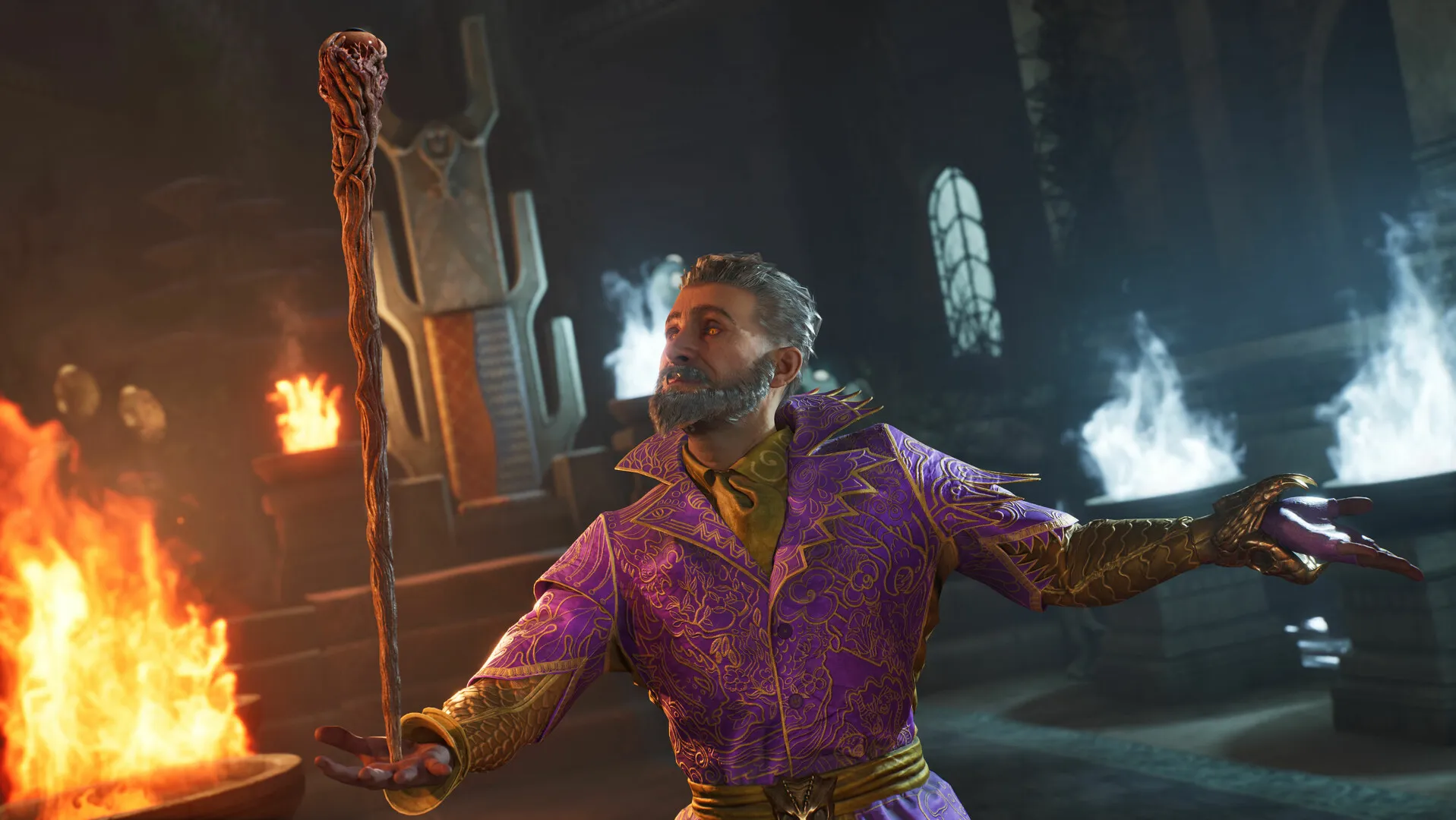
Once free, you reclaim the Amulet of Kings and undertake gate-closing missions that alternate between fast-paced Daedra incursions and open-world exploration. This ebb and flow keeps the story’s urgency alive without sidelining your freedom to stray from the path.
Faction and guild arcs—Thieves Guild, Dark Brotherhood, Mages Guild—offer distinct tonal shifts and mechanical hooks. Sneaking through city rooftops or orchestrating a high-profile assassination each unlocks unique dialogue options and skill rewards. Voice lines blend original recordings with selective re-casts to strengthen racial authenticity, maintaining familiar snark in the Thieves Guild while subtly altering key Dark Brotherhood exchanges. These changes guide your moral compass: a single persuasion check in the Mages Guild could grant access to powerful spells or spark distrust among peers.
Radiant side quests generate a steady stream of caves to clear and NPCs to rescue, but real narrative impact emerges in unplanned moments—persuading an Imperial guard gone rogue, stealing a rare artifact only to regret the town’s reaction. These emergent stories feel personal because success and failure feed directly back into your reputation and dialogue branches.
Dialogue quirks that once felt rough around the edges now read as characterful oddities, grounded by environmental lore. Discarded journals, half-buried corpses and the creaking of ancient fort walls build context without long exposition. Here, mechanics and story coalesce: the world whispers its own history, and your choices write the next chapter.
Performance Under the Hood
On a high-end rig (RTX 4080Ti, 1440p, Ultra settings), Oblivion Remastered holds a steady 60 fps in towns and interiors, dipping into the 50s only during dense foliage scenes. A mid-range GPU (RTX 4060, 1080p, High settings) averages 45–55 fps, with occasional drops into the high 30s on sunrise frames. Steam Deck runs closer to 25–30 fps, often dipping below 30 in open plains, making docking or lower settings a must for smoother exploration.
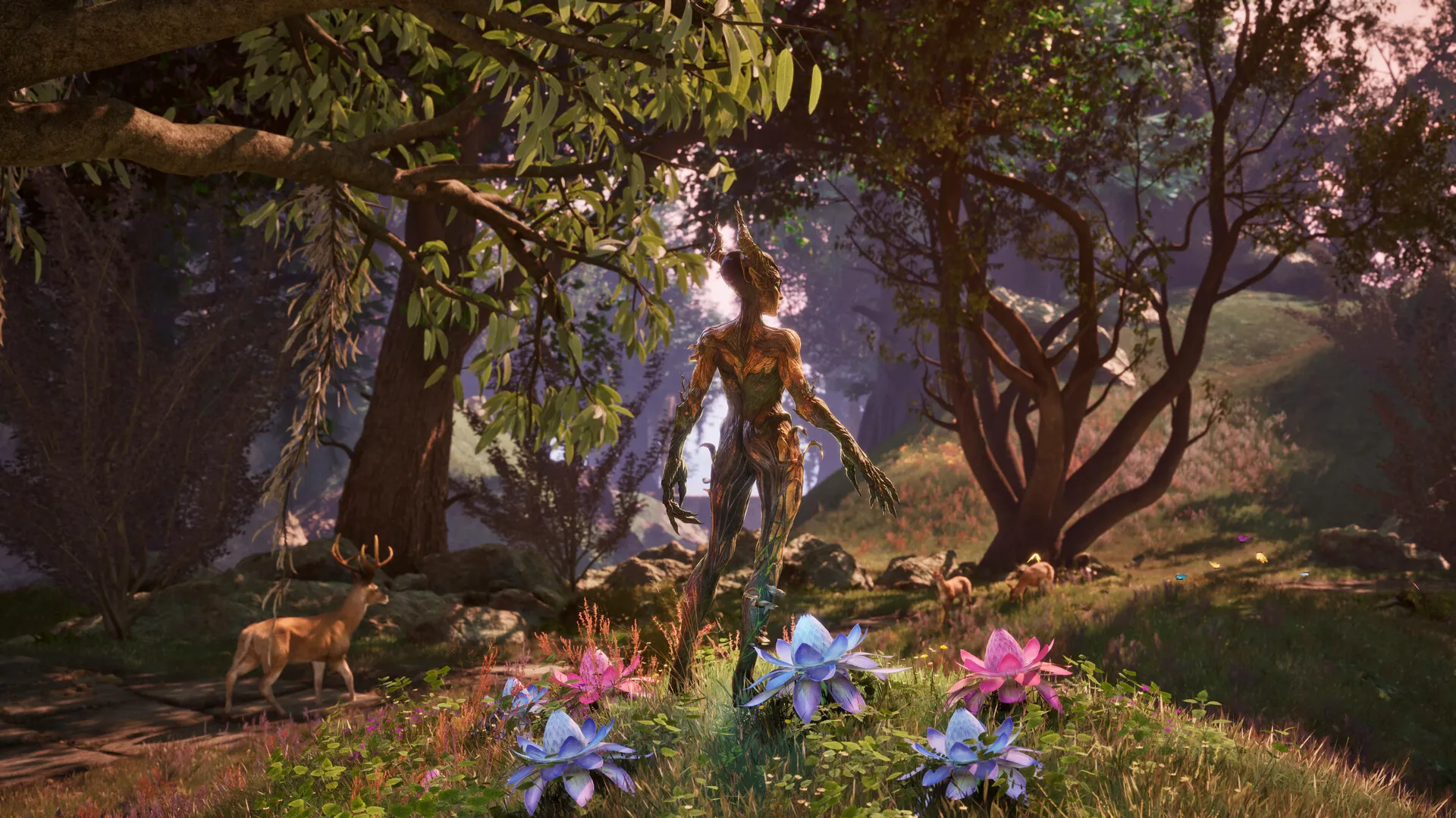
Visual oddities appear in spot shadows and reflective pools—arches may flicker, and distant water can shimmer unnaturally. Over 20 hours of play, a single crash surfaced during a sudden cell loading, and minor lighting artifacts arose when switching weather mid-scene, but stability feels solid overall.
Sprint toggles free up Athletics points for narrative-driven builds, and the revamped level-up flow surfaces stat choices without menu gymnastics. Radial menus on controller and clearer keybind prompts for mouse users cut down downtime between quests.
Because the modding community has already begun rolling out fixes for performance quirks and texture tweaks, long-term play feels promising. Fan-created quest packs and UI overhauls promise new layers of engagement, ensuring that your next journey through Cyrodiil can grow in unexpected directions.
The Review
The Elder Scrolls IV: Oblivion Remastered
Oblivion Remastered revitalizes Cyrodiil with Unreal Engine 5’s crisp visuals and smoother menus, preserving its unpredictable quirks. Combat feels more responsive, magic and exploration still carry narrative weight, and player freedom runs deep. Small performance dips and legacy jank linger, yet the emotional pull of rediscovery eclipses them. For veterans and newcomers alike, this edition delivers a rich role-playing journey.
PROS
- Stunning Unreal Engine 5 overhaul enhances environment and character detail
- Improved combat animations and hit-feedback deepen immersion
- Flexible skill progression prevents soft-locks and supports varied builds
- Refined UI accelerates inventory and map navigation
- Preserved dialogue flubs and quirks retain series personality
- Radiant quests and emergent encounters enrich exploration
CONS
- Legacy animations occasionally clash with updated models
- Frame-rate dips in dense open-world areas on mid-range hardware
- NPCs still suffer from occasional pathfinding traps
- Voice-line inconsistencies may jar returning players
- Some dated quest structures feel rigid next to modern RPG designs