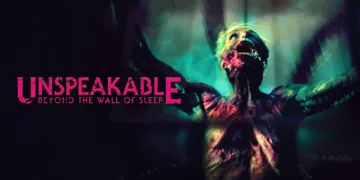














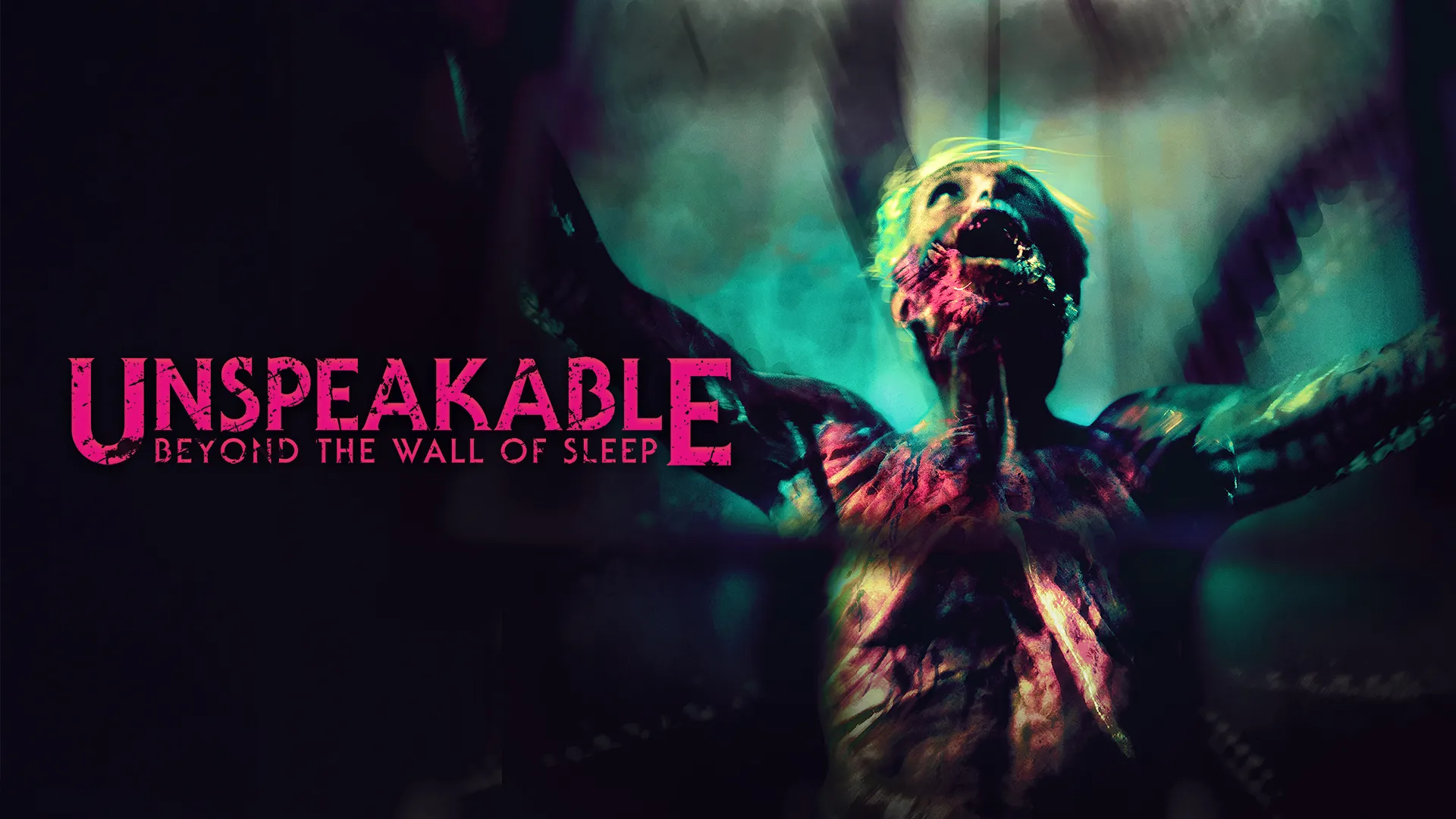

Unspeakable: Beyond the Wall of Sleep opens in Arkham Asylum, where oneirologist Ambrose London arrives to test his dream‑recording device on a patient whose nocturnal episodes conceal a brutal alternate persona. Edward Furlong’s measured performance anchors the film, conveying scientific curiosity even as reality fractures around him.
While anchored in H.P. Lovecraft’s 1919 tale, the narrative expands its brief source material into a more elaborate exploration, weaving psychological torment and graphic corporeal horror. Familiar Lovecraftian signposts—Arkham Asylum, whispers of Miskatonic University—anchor the story to its mythic roots even as Chad Ferrin ventures into taboo extremes.
Ferrin, known for his unapologetic indie horror style, layers cosmic dread over grindhouse aesthetics. The film alternates between deliberate suspense and abrupt shocks, its practical creature effects and retro‑tinged visuals reinforcing an unsettling atmosphere. A synth‑laden score underscores each descent into the unknown, while abrupt cuts between the lab and dreamscape heighten tension.
Key question on the table: can disciplined inquiry withstand encounters with forces that defy comprehension, or will Ambrose be swallowed by the very nightmares he seeks to document?
Charting the Descent: Narrative & Thematic Foundations
From a clinical consultation to cosmic collapse, Unspeakable: Beyond the Wall of Sleep follows a tightly wound trajectory. It opens with Dr. Barnard’s urgent summons of dream researcher Ambrose London to Arkham Asylum. Against sterile walls, Ambrose begins experiments on inmate James Fhelleps, whose alternate persona, Joe Slater, erupts into violence.
As dream recordings reveal Slater’s barbaric impulses, the tension builds through a series of escalating expeditions into shared nightmares. The narrative peaks in a hallucinatory standoff, where Ambrose confronts a hulking, tentacled projection of Joe Slater. In the final moments, the film hints at lingering contamination: a distorted recording that suggests the asylum’s horrors may have seeped beyond its walls.
At its core, the story examines the peril of pursuing forbidden knowledge. Ambrose’s rational curiosity collides with forces that defy empirical study, placing his scientific rigor under siege. This breeds an unsettling duality: the veneer of sanity that Ambrose maintains versus the primal violence unleashed by Slater. Dreams become a threshold to inhuman realms, where bodily violation mirrors psychic assault. Incestuous echoes and graphic excess force viewers to reckon with physical transgression as metaphor—each act of violence reflecting deeper fractures in identity and morality.
Ferrin’s adaptation remains faithful to Lovecraftian mood while amplifying its shock potential. Fleeting visions of slumbering deities underscore humanity’s insignificance, and many scenes skirt coherent explanation, leaving viewers adrift in the ineffable. Strategic mentions of Arkham and Miskatonic anchor the tale in its mythos without turning them into mere Easter eggs. These nods reinforce a shared universe, yet the film demands that its own dream logic carry the weight of terror. In blending precise plot beats with open‑ended mystery, the narrative sets a template for modern horror that respects its literary heritage while testing the limits of on‑screen imagination.
Engineering Terror through Technique
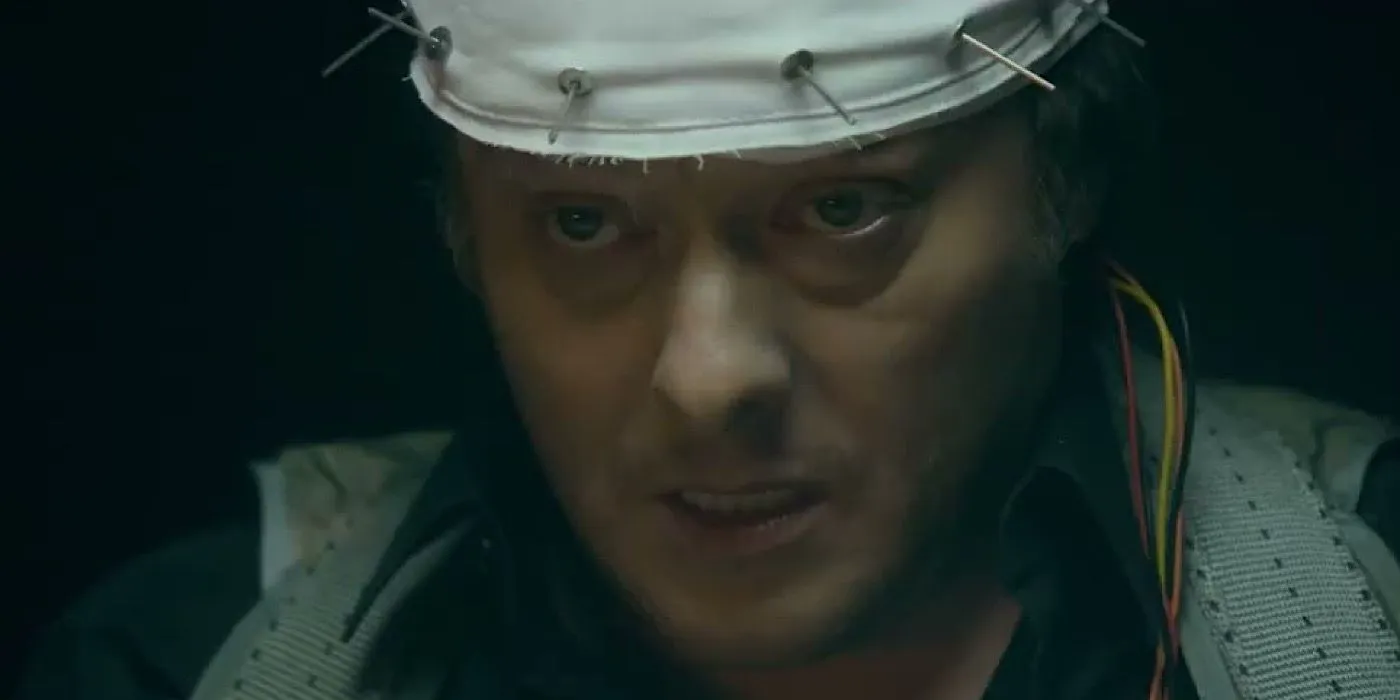
Ferren’s film relies on deliberate visual choices to shape every beat of horror. Interview scenes lock onto Ambrose London’s face with tight close‑ups, trapping the viewer in his mounting unease. Flashbacks and dream incursions unfold in wide frames, exposing the full scale of inhuman designs. Desaturated palettes give way to sepia‑tinted moments when the past bleeds into the present—each tint shift acting as a silent cue that something has gone awry.
Camera work keeps the tension taut. Handheld sequences jolt the eye during the most gruesome set pieces, mimicking the unsteady footing of characters slipping beyond control. Ferrin cuts between Ambrose’s clinical lab and the asylum’s shadowy corridors, forging a rhythm that echoes the film’s central split between sanity and chaos. The opening scenes linger with a measured pace, then snap into frantic motion as the final act erupts in nightmarish velocity.
Light and color perform a subtle double act. Fluorescent glare in the asylum feels harsh and confining, while swaths of gelled hues in dream sequences conjure something alien. These shifts heighten each environment’s character, turning sterile hallways and sterile labs into stages for primal dread.
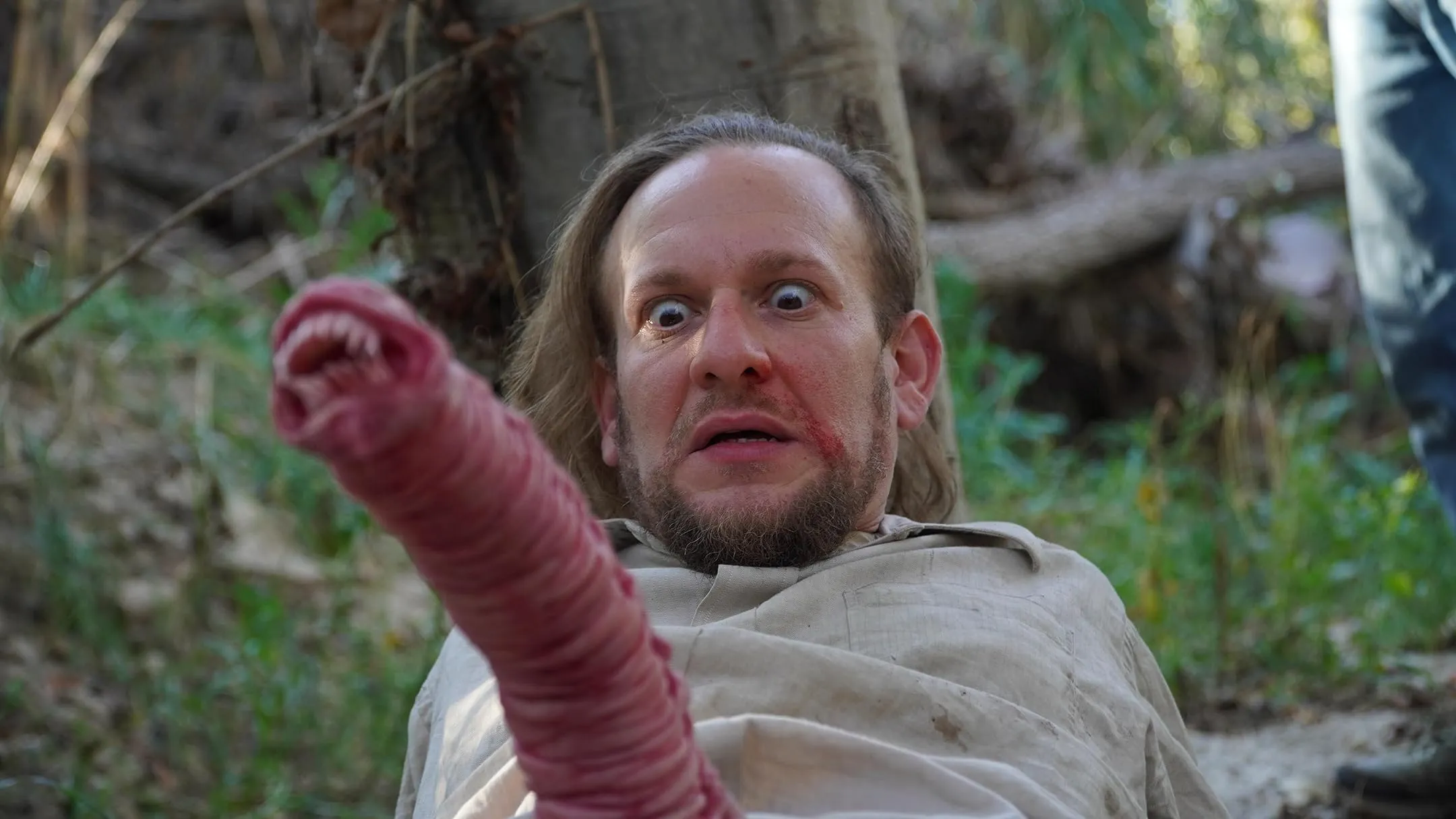
At the heart of the film’s visceral impact lies a commitment to practical effects. Joe Castro’s hand‑crafted creature puppets exude a tangibility that no pixelation could match. CGI appears sparingly—just enough to enhance otherworldly moments without distracting from the grotesque authenticity of blood‑splattered prosthetics and fully realized monster designs. In this fusion of old‑school craft and selective digital touch, the film stakes its claim as a modern homage to tangible terror.
Anchored by Dread and Duality
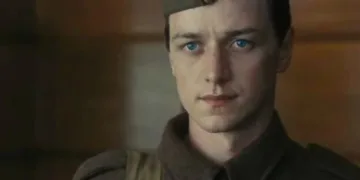
Edward Furlong grounds the film with a steady intensity as Ambrose London. His measured gaze during early laboratory scenes conveys a scientist’s resolve, even as unsettling recordings flicker across his monitor. Furlong’s performance registers each shift in tone—quiet curiosity transforming into growing alarm—without ever tipping into melodrama. His ambivalence toward ethical risk feels lived‑in, framing Ambrose’s professional pride against the creeping fear that he may have unleashed forces beyond containment.
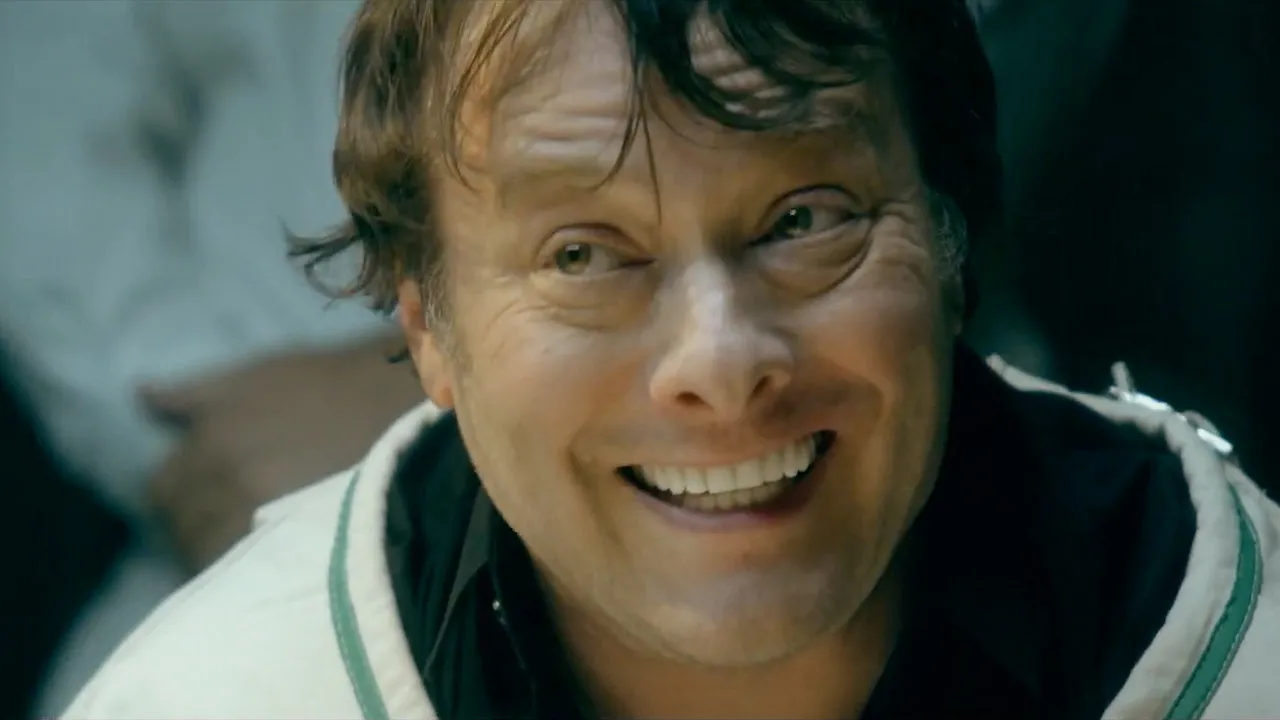
Robert Miano tackles the dual role of James Fhelleps and his alter‑ego Joe Slater with remarkable precision. In Fhelleps’s fragile moments, Miano’s voice softens to a tremor that invites sympathy. Then, in a heartbeat, he snaps into Slater’s guttural snarls and predatory posture.
These shifts hinge on minute changes in eye contact and weight distribution, showing how identity fractures under trauma. Vulnerable pauses between violent outbursts give the character a haunting realism—and the film gains its emotional stakes from this constant tension.
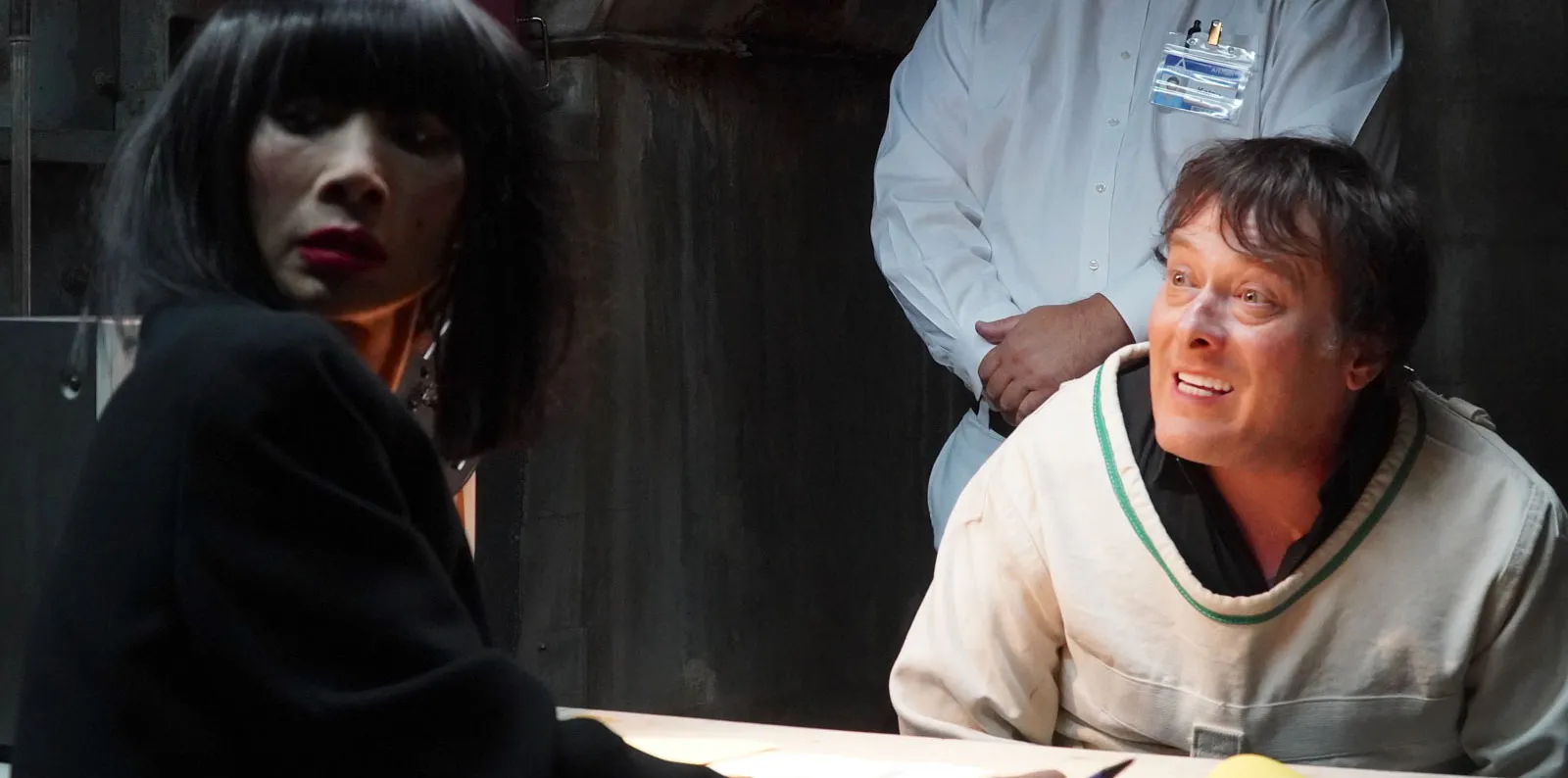
The supporting cast sharpens the drama at each turn. Bai Ling brings an unpredictable spark as Dr. Fenton, her sudden laughter in therapy sessions suggesting the thin line between healer and participant in the nightmare she helps create. Ginger Lynn humanizes Ambrose with warmth in domestic scenes, making her few interactions all the more striking when the story ventures into the asylum’s gloom. Steve Railsback’s brief but pointed cameo reminds us of old‑school genre craftsmanship, while Jerry Irons charts a chilling arc as Neville, a once‑loyal orderly who succumbs to Slater’s will.
Relationships drive the narrative engine. Ambrose’s detached analysis of Fhelleps gives way to a reluctant empathy when scientific observation fails to explain the violence. That doctor–patient bond fractures as therapy sessions bleed into nightmare sequences, forcing both figures into uncharted psychological territory. At home, Sonia’s gentle reassurances contrast sharply with the asylum’s horrors, underscoring how personal devotion can falter when confronted with inhuman dread.
Crafting the Uncanny: Production Design & Visual Effects
Arkham Asylum feels lived‑in rather than staged. Retro medical carts lined with glass vials sit beside humming VHS decks, their tape hiss seeping through cigarette‑smoke haze. Fluorescent tubes cast a sickly green glow in hallways, instilling a sense that the building itself might be an instrument of decay. Every prop—cracked thermometers, yellowed X‑rays pinned to cork boards—carries the weight of past experiments.
In contrast, Ambrose’s laboratory gleams with polished chrome fixtures and digital screens displaying fractal dream patterns. His central device—a sleek headset feeding into glowing cylinders—stands against antique ink‑blot cards and reel‑to‑reel recorders. This visual tension between eras underscores the film’s theme of old‑world dread colliding with modern ambition.
Creature effects anchor the film in palpable horror. Joe Castro’s hand‑sculpted phallus monsters writhe with disturbing verisimilitude: leathery skin stretched over jagged teeth, sinewy tentacles coiling around prison bars. When these beasts emerge, they feel weighty, as though they could slip from the screen. Practical gore by Jeff Leroy punctuates key moments—a spray of arterial red here, a grotesque prosthetic limb there—each effect timed for maximum shock without overstaying its welcome. A half‑mutilated war criminal’s twisted visage and a fugitive nun assault scene register like nightmares you can almost touch.
Cinematographer’s slow zooms into shimmering dream portals lend an ethereal quality, while compositions that leave empty space at frame edges hint at unseen horrors. Shadows pool in corners where no monster lurks, suggesting that what you don’t see can be more terrifying than what you do. In marrying tactile craftsmanship with subtle digital enhancements, the film stakes its claim as a modern tribute to hands‑on horror artistry.
Sonics of Dread and Dream
Low‑frequency drones hum through Arkham’s corridors, pressuring the senses with a subterranean weight. In moments when Ambrose reviews tape loops, distorted whispers and dream‑murmurs swirl in his headphones, folding the viewer into his uncertainty. Synth pulses erupt during dream intrusions, each electronic throb syncing with sudden visual shifts. Occasional orchestral swells surface at moments of revelation, hinting at emotional stakes without drowning out the tension.
Diegetic audio anchors the chaos: lab monitors click and whirr, tape hiss crackles beneath spoken word, and distant patient screams echo down sterile hallways. Footsteps ricochet off tiled walls, underscoring every approach with a predator’s stealth. These elements intertwine to create a soundscape that feels both clinical and uncanny—an acoustic mirror of the film’s dread‑driven design.
Ambrose London’s arc delivers a rare blend of intellectual pursuit and visceral terror, pulling empathy through every radical shift in his perceptions. When reality fractures around him, viewers share his shock as tape‑recorded nightmares seep into waking life. The film stakes its claim in indie horror by mixing visceral shock‑set pieces reminiscent of grindhouse provocations with a thoughtful nod to cosmic dread.
In a market saturated by polished CGI and safe scares, this adaptation stakes bold territory by honoring Lovecraft’s mythos while pushing physical effects to the fore. It asks viewers to brace for intense content and to reckon with images that linger long after the credits roll—an invitation to confront personal fears and consider the limits of human understanding.
Full Credits
Director: Chad Ferrin
Writers: Chad Ferrin (adaptation), H.P. Lovecraft (original story)
Producers: Chad Ferrin, Robert Miano, Jennifer Drake, Suzanne Sumner Ferry, Jerry Irons, Robert Rhine, Mark Rousso
Executive Producers: Jeffrey Decker, Susan Priver
Cast: Edward Furlong (Ambrose London), Bai Ling (Dr. Fenton), Ginger Lynn (Sonia London), Lew Temple (Francis Wayland Thurston), Steve Railsback (Dr. Willet), Cyril O’Reilly (Bill Jackson), Robert Miano (Jim Fhelleps), Susan Priver (Dr. Barnard), Corey Shane Love (Young Jim / Joe Slater), Brandon Kirk (Sturges), Elina Madison (Heather), Jennifer Drake (Alice), Kurt Bonzell (Katsu), Craig Ng (Mickey), Silvia Spross (Dawson), Jon Budinoff (Halston), Burt Culver (Atwood), Robert Rhine (Wanger), Peter Mendoza (Foley), Viktoriia Vlasenko (Maude), Paul Blyumkin (Kinski), Suzanne Sumner Ferry (Janet), Jeff Olan (Officer Armitrage), Matt Olivo (Herzog), Timothy Muskatell (Barry A. Carter), Roger Garcia (Middle-aged Jim Fhelleps), David Z. Stamp (Ray Mann), Bob Bennett (Parker), Sebastian Fernandez (Edwin), Larry Eisenberg (Tucker), McKenna Ferry (Young Heather), Marie Bergenholtz (Nurse Matheson), Tamera Noll (Princess), Elli Rahn (Lansing), Casey Powell (Benny), Daisy Adams (Bunny), Bob Sankey (Officer Dyer)
Director of Photography (Cinematographer): Jeff Billings
Editor: Jahad Ferif
Composer: Matt Olivo
The Review
Unspeakable: Beyond the Wall of Sleep
Unspeakable: Beyond the Wall of Sleep challenges expectations with its marriage of scientific curiosity and grotesque vision. Edward Furlong’s steady Ambrose and Robert Miano’s fractured dual role anchor the descent into cosmic madness. Practical creature effects by Joe Castro deliver tactile terror, even as brisk pacing in its final act feels abrupt. Viewers seeking high‑impact Lovecraftian horror will find its daring world‑building rewarding, while those wary of explicit violence should tread carefully.
PROS
- Edward Furlong grounds the horror with steady, believable reactions.
- Robert Miano’s switch between gentle patient and savage alter‑ego deepens the psychological stakes.
- Practical creature effects deliver tangible, lingering shocks.
- Sound design immerses viewers in both sterile corridors and hallucinatory dreamscapes.
- Tight editing keeps momentum until the final, frantic showdown.
CONS
- Graphic sexual violence may alienate many viewers.
- Final act’s pace can feel abrupt, undercutting earlier atmosphere.
- Some CGI moments look noticeably dated.
- Story threads—like familial trauma—receive minimal exploration.