








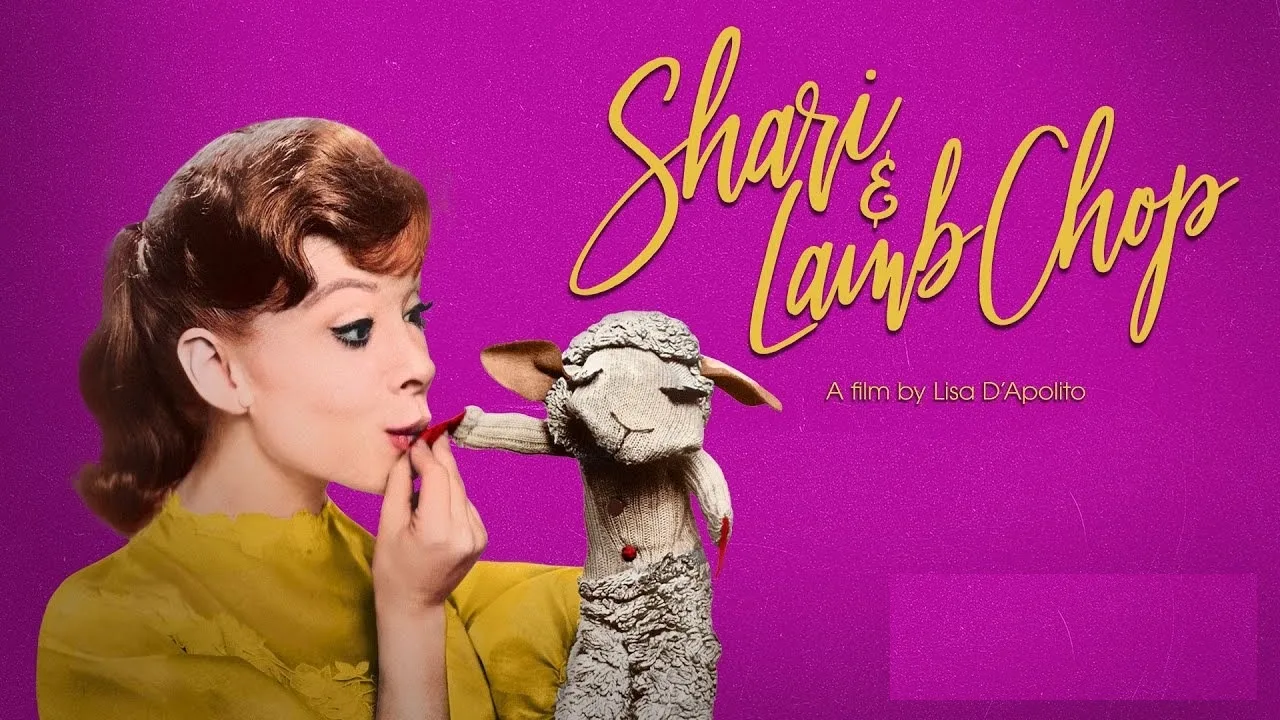

The documentary “Shari & Lamb Chop” arrives as a portrait of an artist whose life was a study in relentless motion. It chronicles the story of the celebrated ventriloquist Shari Lewis, a figure of seemingly inexhaustible talent whose career spanned the defining decades of modern American entertainment.
The film charts a course through her creative origins, her initial television stardom, a period of professional displacement, and a final, triumphant return to the screen.
Through a rich collection of archival footage and contemporary interviews, the movie examines the singular, lifelong partnership between Lewis and her woollen counterpart, Lamb Chop. It tells the story of a pioneer whose dedication established a standard for children’s programming, leaving a permanent mark on the medium.
A Natural Talent, An Accidental Partner
The documentary presents Shari Lewis’s early life as a space where a career in performance was not so much chosen as it was inherited. Born to a magician father—New York’s “official magician”—and a music-teacher mother who famously refused to read her daughter traditional fairy tales about helpless damsels, Lewis was immersed in a world of rigorous creativity.
The film shows her aptitude for ventriloquism not merely as a gift but as a discipline, one honed under the tutelage of the legendary John Cooper. Yet, for all this preparation, her most definitive professional moment was one of pure, unscripted chance. The movie recounts the now-famous anecdote from the set of “Captain Kangaroo,” where, with her usual dummies deemed too unwieldy, Lewis grabbed a simple sock puppet.
In that moment of practical improvisation, Lamb Chop was born. The film insightfully frames this creation not as the making of a prop, but as the externalization of a vital part of Lewis’s own psyche. Lamb Chop became her unfiltered, mischievous id, a sassy counterpoint to Lewis’s composed stage presence, allowing for a dynamic interplay that would define her act for half a century.
The Heights of Fame and a Career Interrupted
The first crest of Shari Lewis’s career, as depicted in the film, was a whirlwind of astonishing productivity that epitomized the frantic energy of early television. Performance clips from her 1960s series, “The Shari Lewis Show,” reveal an artist of formidable stamina.
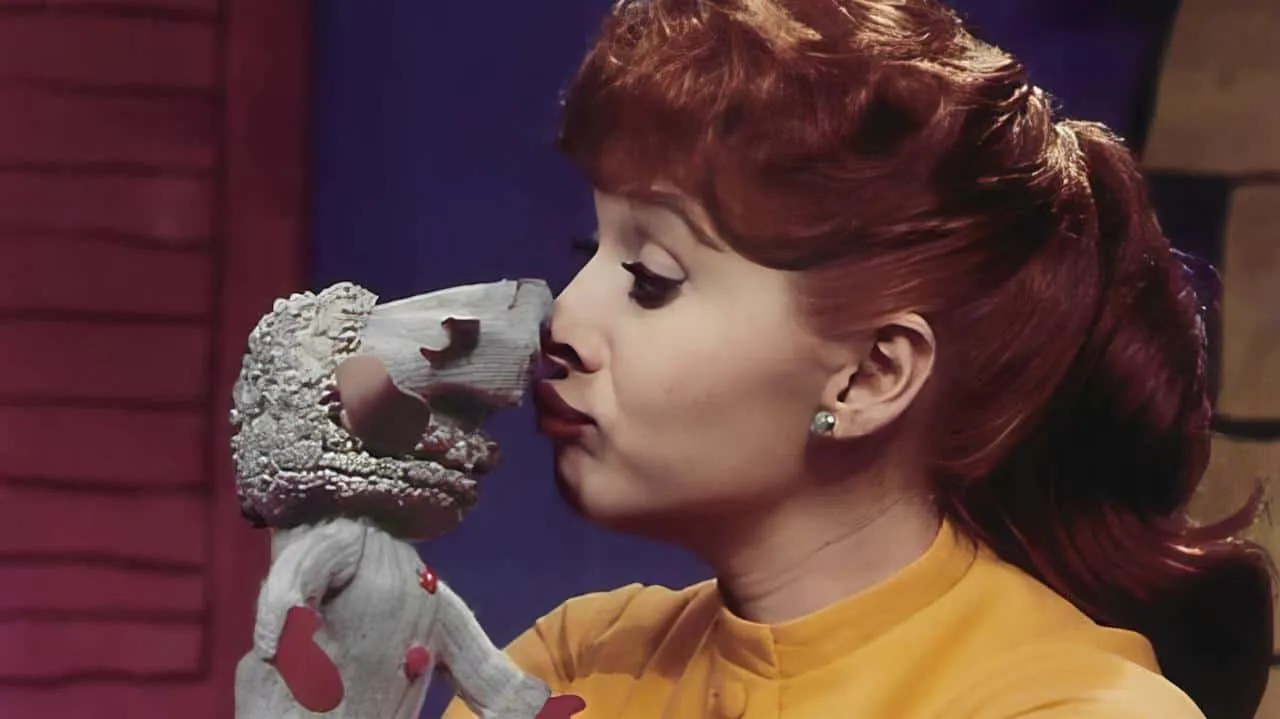
She single-handedly managed live broadcasts that demanded multiple original songs and tailor-made commercials each week, all while performing intricate, three-way conversations with her puppets. As contemporary puppeteer Megan Piphus Peace notes in the film, the technical difficulty of what Lewis made look effortless was immense. This vibrant period, however, came to an abrupt end.
The documentary marks the show’s cancellation as a key moment in a larger cultural shift, a collision between bespoke, personality-driven artistry and the impersonal efficiency of Saturday morning cartoons. What followed was a long period of professional reinvention.
Her “wilderness” years are shown through a montage of disparate appearances, from county fairs to a jarringly surreal spot on “Playboy After Dark.” This stretch highlights her unyielding drive to remain relevant in a changing entertainment landscape, even as the film, through the reflections of her daughter Mallory, quietly acknowledges the personal toll of such relentless work.
A Triumphant Return and Lasting Legacy
The documentary frames Shari Lewis’s 1990s comeback not merely as a revival, but as a masterful refinement of her life’s work. Her PBS show, “Lamb Chop’s Play-Along,” is presented as her magnum opus, the culmination of decades of experience and the perfection of her educational philosophy.
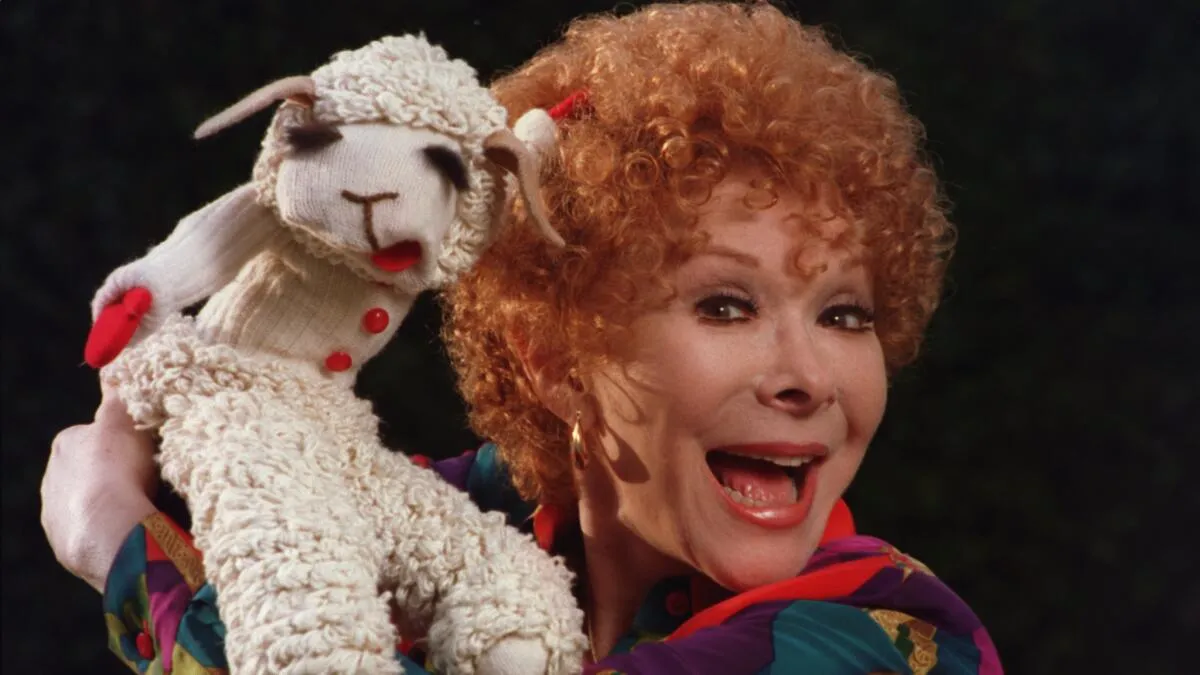
The film positions her as a foundational pillar of children’s television, arguing that her commitment to intelligent, respectful content paved the way for later icons like Fred Rogers. In this final act, the film shows an older Lewis whose creative instincts were sharper and more pinpoint-precise than ever.
Her dedication to her young audience was absolute, built on a profound respect for their intelligence and emotional capacity. The treatment of her legacy is particularly poignant, extending beyond her own life and influence. By showing her daughter, Mallory Lewis, taking up the Lamb Chop puppet after her mother’s passing, the film presents a story of continuation.
It is not just the physical puppet that survives, but the specific voice, the personality, and the spirit of the character—a direct transmission of a persona from one generation to the next, securing a unique form of permanence.
The Woman Behind the Puppet
“Shari & Lamb Chop” constructs its portrait primarily from the subject’s own image, a deliberate and respectful filmmaking choice. Through its extensive use of archival interviews and performance footage, the film allows Shari Lewis to be the principal narrator of her own life; her public face and voice provide the documentary’s central text, resisting easy modern interpretation.
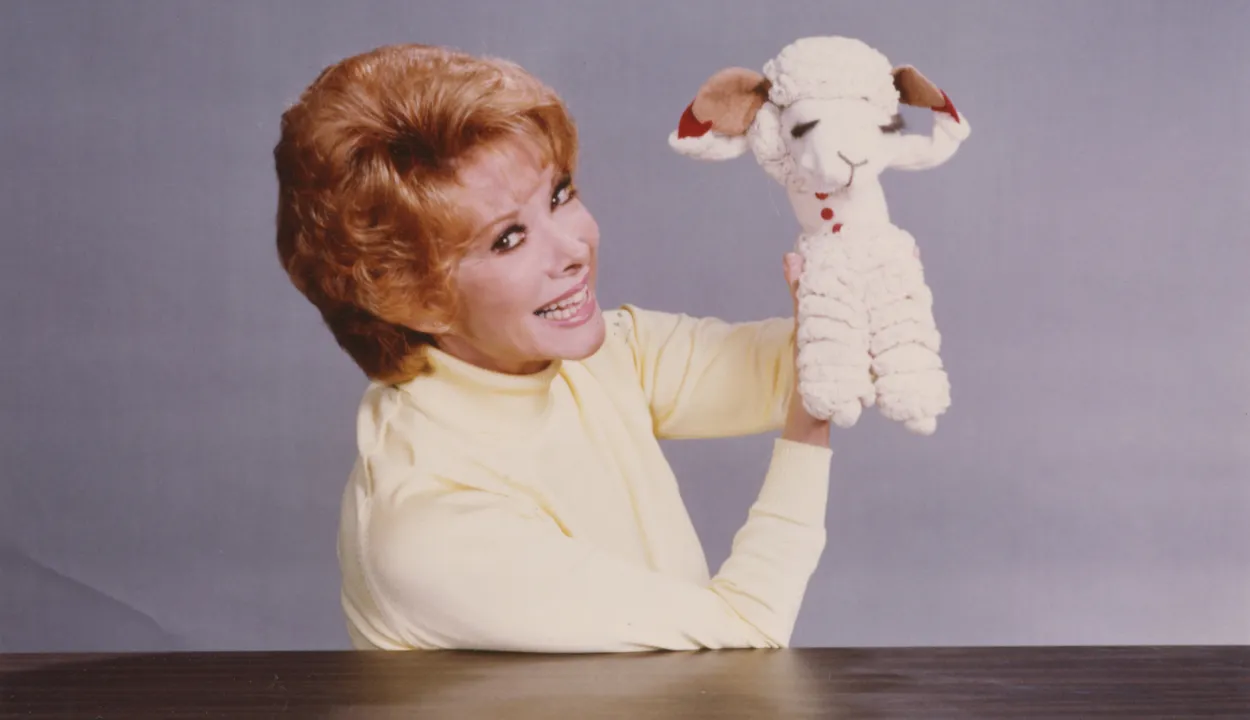
The contemporary interviews with her daughter, friends, and professional admirers like David Copperfield serve as a kind of loving annotation, adding context and emotional shading to the picture Lewis herself presented to the world for decades.
The film follows the propulsive, work-focused rhythm of Lewis’s own life, offering a clear view of her professional trajectory. It does not claim to find a secret, hidden person behind the performer. Instead, it presents a compelling case that for certain artists, the public work is the complete self, the most honest and full expression of a life dedicated entirely to its craft.
Shari & Lamb Chop premiered in select theaters on July 18, 2025, and is expected to have digital, educational, and home video releases soon after.
Full Credits
Director: Lisa D’Apolito
Writers: Lisa D’Apolito, Cassidy Hartmann, Andrea Lewis
Producers: Lisa D’Apolito, Nicholas Ferrall, Cassidy Hartmann, Morris Ruskin, Douglas Warner
Executive Producers: Wesley Adams, Lizzie Brown, Michael Cho, Steven H. Cohen, Sophia Dilley, Jeanne Elfant Festa, Paula M. Froehle, Caitlin Gold, Charles Hopkins, Naomi McDougall Jones, Lindsay Lanzillotta, Carlene Carrasco Laughlin, Tim Lee, Griffin Lichtenson, Joseph Mellicker, Benjamin J. Murphy, Mimi Rode, Nigel Sinclair, Jordan Walker-Pearlman
Cast: David Copperfield, Darci Lynne Farmer, Shari Lewis, Mallory Lewis, Megan Piphus, Sarah Sherman
Director of Photography: Nick Bibbo, Anne Etheridge
Editor: Andrea Lewis
Composer: Miriam Cutler
The Review
Shari & Lamb Chop
"Shari & Lamb Chop" is a deeply thoughtful and artfully constructed documentary that honors the formidable talent and relentless drive of its subject. By allowing Shari Lewis to narrate her own story through extensive archival footage, the film presents a definitive portrait not just of a pioneering entertainer, but of a life completely fused with its artistic creation. It is a perceptive look at the nature of performance and the permanence of a unique voice, standing as a significant work in the biographical genre.
PROS
- Intelligent use of archival material lets Lewis tell her own story.
- Provides a rich portrait of a versatile and relentlessly dedicated artist.
- Thoughtfully examines the unique psychological bond between performer and puppet.
- Poignantly captures the continuation of her legacy through her daughter.
CONS
- Focuses more on the public performer than the private individual.
- Its respectful approach offers limited critical distance from its subject's own narrative.