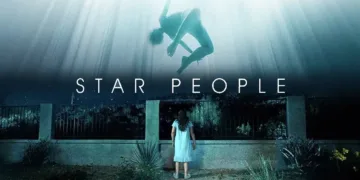




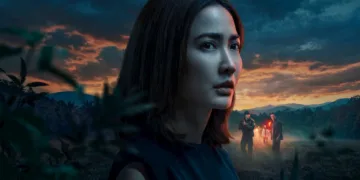





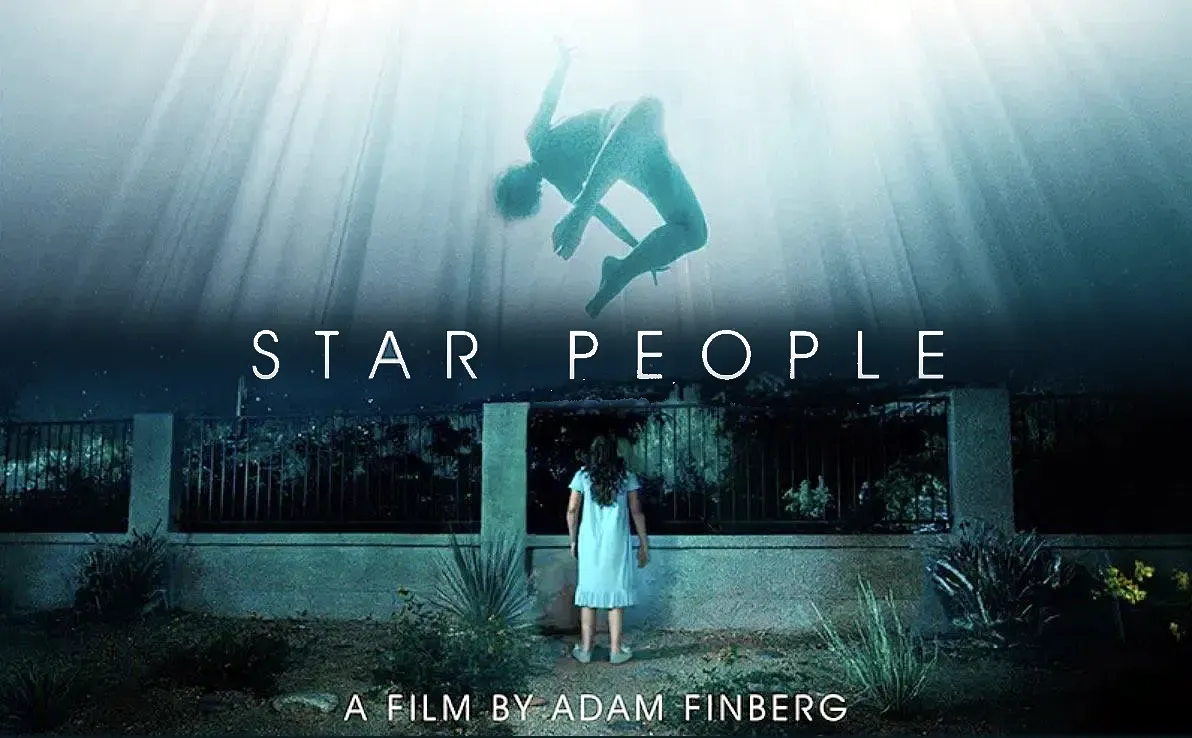

Some events lodge themselves in your memory. For writer-director Adam Finberg’s protagonist, Claire, that event was the 1997 Phoenix Lights. As a child, she saw something inexplicable in the Arizona sky, an image that has defined her adult life as a photographer, a life punctuated by seizures and a quiet obsession.
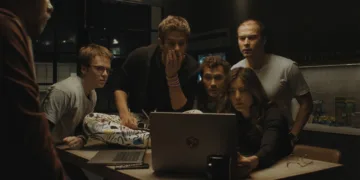
She isn’t just seeking proof; she is looking for meaning. When a tip suggests the lights have returned, she drives into the desert with her troubled brother, Taylor, and her boyfriend, Justin, a UFO influencer chasing his next viral video. What begins as a search for aliens quickly reveals itself to be a much deeper expedition into both the desert’s wilderness and the wilderness of memory.
The Gravity of a Shared Past
The film’s true subject is not what hangs in the night sky but what hangs between people. The sci-fi premise is a launchpad for a raw family drama centered on the fractured bond between Claire and her brother, Taylor. Their shared history of domestic chaos and separation in foster care has left them with invisible wounds.
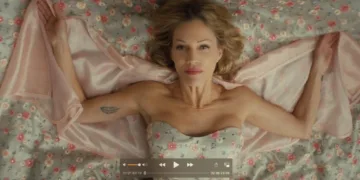
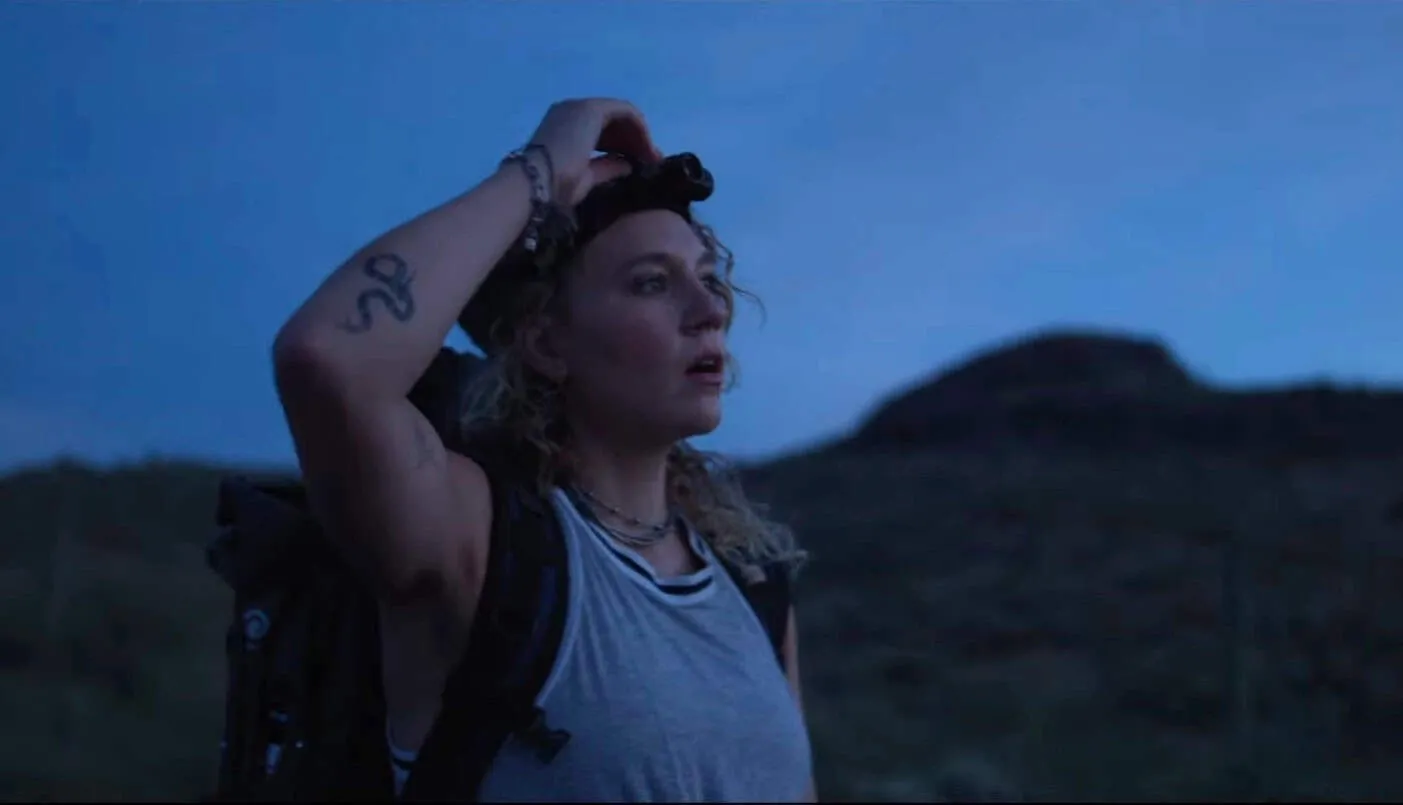
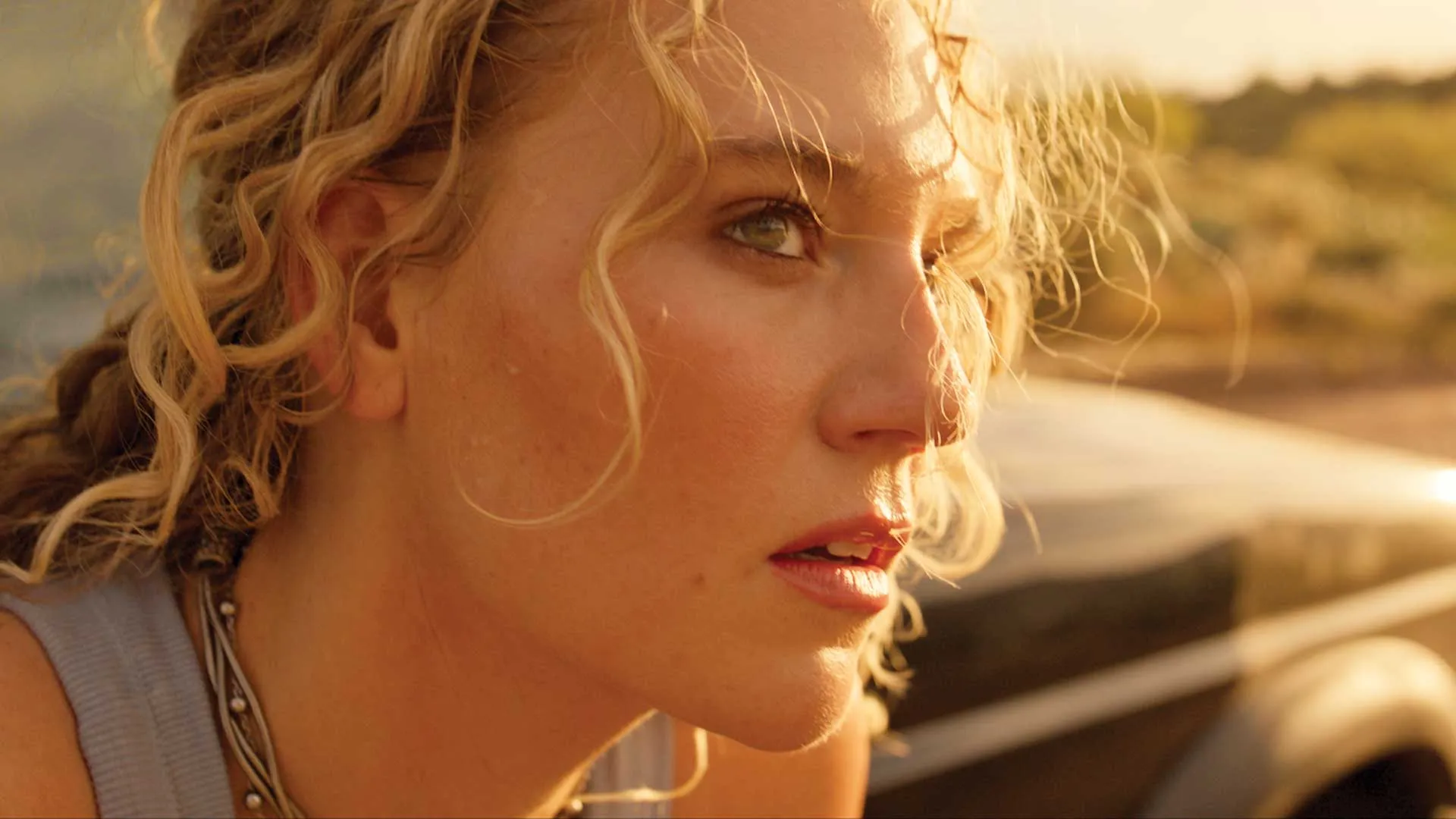
Claire’s photography becomes an extension of her search, a way of framing and controlling a world that once felt terrifyingly random. Her obsession and his struggles with addiction are presented as different responses to the same unresolved pain. Kat Cunning gives a wonderfully restrained performance as Claire, her face a map of hope and old hurts.
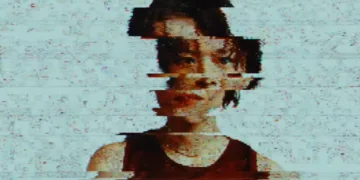
McCabe Slye is her equal as Taylor, bringing a restless, wounded energy to the role; he is both her anchor to reality and the chaos she tries to escape. Their best scenes are nearly silent, relying on the kind of shorthand that only siblings with a deep, complicated history can possess.
This authenticity is sharpened by the presence of Justin. His quest for online clout makes him a perfect foil and a timely piece of cultural commentary. In an age where every experience is potential content, his transactional approach to the phenomenon—turning mystery into a monetizable asset—highlights the sacred sincerity of Claire’s own desperate search.
Where a Parched Earth Meets the Sky
The film widens its scope when Claire’s party crosses paths with Ricardo and his daughter Gabby, an undocumented family hiding from both the heat and border authorities. Their immediate, life-or-death search for safety offers a stark counterpoint to Claire’s more metaphysical quest.
Both are stories of survival, of looking for a sign of hope in a hostile land. This narrative braiding is an ambitious structural choice, a risk that asks the audience to connect two very different kinds of stories about “aliens.” At times, the connection feels a little too neat, a metaphor spelled out when it could have been whispered.
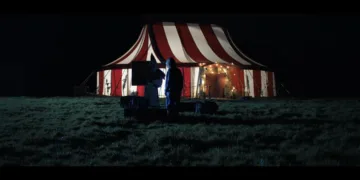
The introduction of a local militia as a physical threat also adds a conventional layer of conflict that feels less potent than the characters’ internal struggles. Still, director Adam Finberg uses the setting to great effect. Cinematographer Aiden Chapparone paints the Arizona landscape with a palette of bleached-out days and ink-black nights.
The sound design complements this, stripping away a traditional score in favor of wind and the hum of a vast emptiness. The desert is not just a backdrop; it’s an active participant, a crucible that strips away pretenses and forces introspection, placing the film in a lineage of cinematic journeys into the soul of the American West.
Finding Stars on the Ground
Star People uses the language of science fiction to tell a story that is deeply terrestrial. The mysterious lights are a classic MacGuffin, the object everyone is chasing, but its true nature is less important than the chase itself. The film examines the sheer utility of belief. For people adrift from trauma, what matters is having something to hold onto, whether it’s the hope of a better life across a border or the promise of contact from another world.
This film sits comfortably within a welcome trend in independent cinema: using genre frameworks to explore intimate human drama. It favors emotional honesty over spectacle. This is a quiet, patient film that resists the urge for big reveals, finding its power in ambiguity. I’ve always found that the stories that stick with me are the ones that leave room for me to think.
The resolution to the UFO mystery is handled with a soft touch that may frustrate viewers seeking clear answers, but the film correctly identifies that the real questions were never about what was in the sky. The most important “contact” is the one made between two siblings learning to heal.
Adam Finberg’s debut is an emotionally intelligent and carefully crafted film. While its narrative threads sometimes show their seams, its core is strong: a compassionate look at broken people trying to find their way in the dark, hoping to catch a glimmer of light.
“Star People” is a thriller, sci-fi, and mystery film directed and written by Adam Finberg. The film was released in select theaters on July 25, 2025. It explores the famous 1997 Phoenix Lights incident through the story of a photographer, Claire (played by Kat Cunning), who is still haunted by a childhood UFO sighting.
Full Credits
Director: Adam Finberg
Writers: Adam Finberg
Producers: Adam Finberg, Josh Shader
Cast: Kat Cunning, McCabe Slye, Connor Paolo, Eddie Martinez, Bradley Fisher, Adriana Aluna Martinez
Director of Photography (Cinematographer): Aiden Chapparone
Editors: Tyler Schneider
Composer: Reza Safinia
The Review
Star People
Star People is a thoughtful and heartfelt debut that wisely trades sci-fi spectacle for raw human emotion. While its ambitious narrative sometimes struggles to connect its different parts, strong performances from its leads and a beautiful, contemplative atmosphere make it a moving journey into the heart of belief and family trauma. It's a film that lingers, asking quiet questions rather than shouting easy answers.
PROS
- Strong, emotionally resonant lead performances from Kat Cunning and McCabe Slye.
- Intelligent use of a sci-fi premise to explore deep human drama and trauma.
- Beautiful, atmospheric cinematography of the Arizona desert.
- A patient and emotionally mature approach to storytelling that trusts its audience.
CONS
- The integration of subplots can feel disconnected or overly metaphorical at times.
- Pacing may be too slow for viewers expecting a conventional genre film.
- The external conflict involving the militia feels less developed than the character's internal struggles.