
























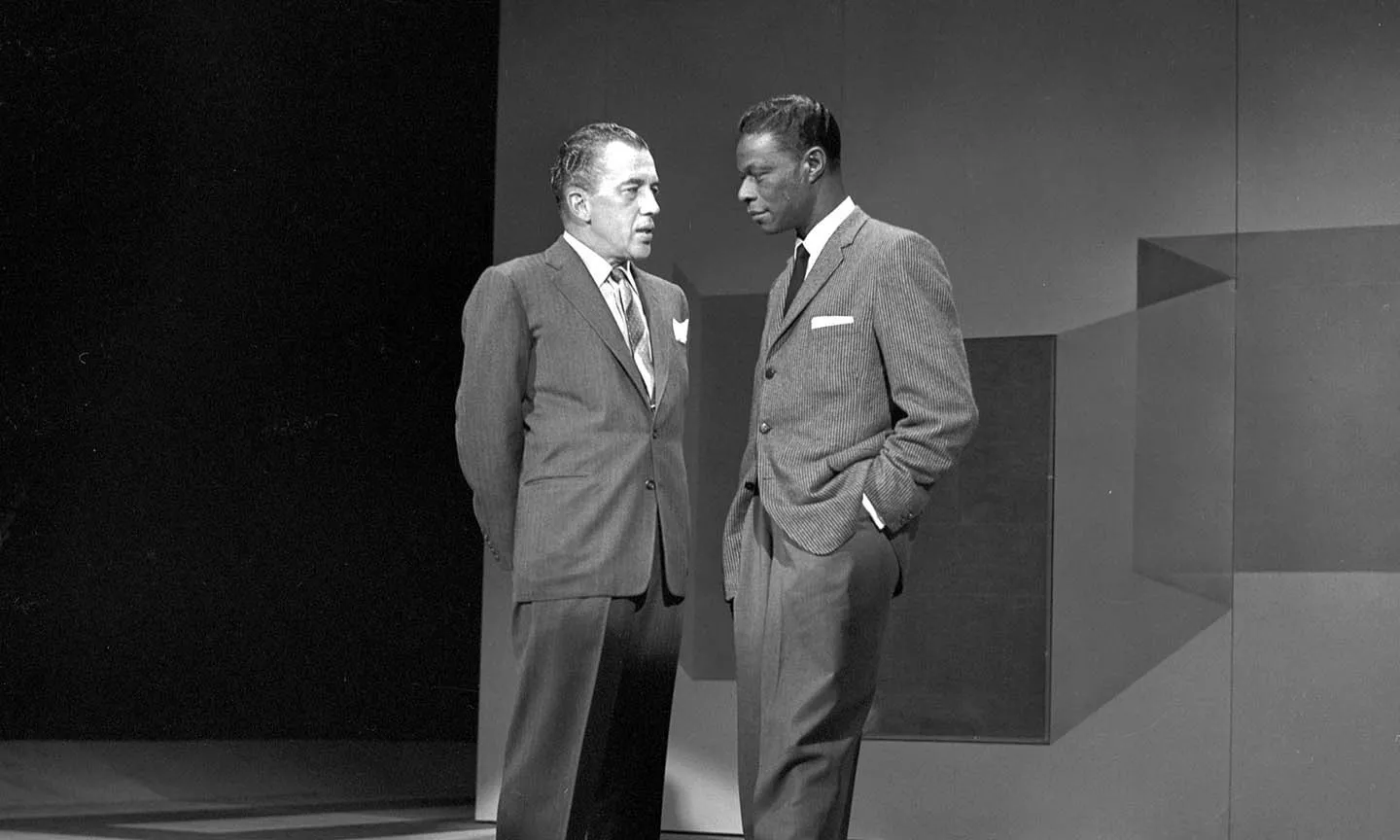
Most of us have a fixed image of Ed Sullivan. He is the man with the posture of a lamppost and a famously stiff on-air presence, the master of ceremonies for a “really big shew.” He feels like a relic from a black-and-white era, a cultural gatekeeper who introduced America to Elvis and The Beatles.
The documentary Sunday Best, from the late director Sacha Jenkins, takes this familiar photograph and develops it into something far more profound. The film argues that behind the awkward demeanor was a quiet and determined revolutionary.
It reframes Sullivan’s legacy not around his most famous bookings, but around his persistent, decades-long decision to feature Black performers. In a deeply segregated America, his Sunday night broadcast became an unlikely vessel for a message of equality, using the power of entertainment to challenge the nation’s conscience. The film uses a rich collection of performance clips and modern interviews to reveal this overlooked dimension of a television titan.
The Ghost in the Machine
What makes Sunday Best work so well is how it builds its case, moving beyond simple praise to establish motive and opportunity. The film grounds Sullivan’s convictions in his own life story, painting a portrait of a man shaped by his environment. We learn of his upbringing in a diverse, pre-gentrification Harlem and his time playing in integrated sports leagues, experiences that normalized equality for him early on.
The film notes his marriage to Sylvia Weinstein, a Jewish woman, gave him a direct, personal lens into the sting of prejudice. The documentary’s most inventive narrative choice is its use of technology to resurrect Sullivan’s own voice.
Using AI, the filmmakers reconstruct his narration from his extensive archive of newspaper columns and personal letters. Hearing the story in his own cadence creates a startling intimacy, as if a ghost has returned to set the record straight and reclaim his own narrative.
This personal history is then paired with the immense power of his platform. It’s hard to grasp in today’s fragmented media world, but for 23 years, The Ed Sullivan Show was appointment television. It commanded the attention of 35 to 50 million people, a staggering share of the national audience.
His stage was a cultural monolith, and his variety format, featuring everything from opera singers to puppeteers like Topo Gigio, made it a shared experience for the entire family. An appearance on his stage was a coronation, an event that could make you a household name overnight. This context makes his choices feel incredibly significant.
The Sound of Progress
The film’s argument truly comes to life in its brilliant editing. Director Sacha Jenkins masterfully weaves together two distinct threads: the sublime artistry of Black performers on Sullivan’s stage and the ugly reality of the Civil Rights struggle happening outside the studio.
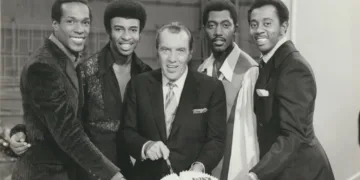
The film will show the poised brilliance of Nina Simone or the polished charm of The Supremes, then cut to grainy newsreels of protestors being met with violence. The sonic and visual whiplash is intentional, forcing the viewer to understand that these performances were not happening in a vacuum. They were acts of grace and defiance in a world filled with hate.
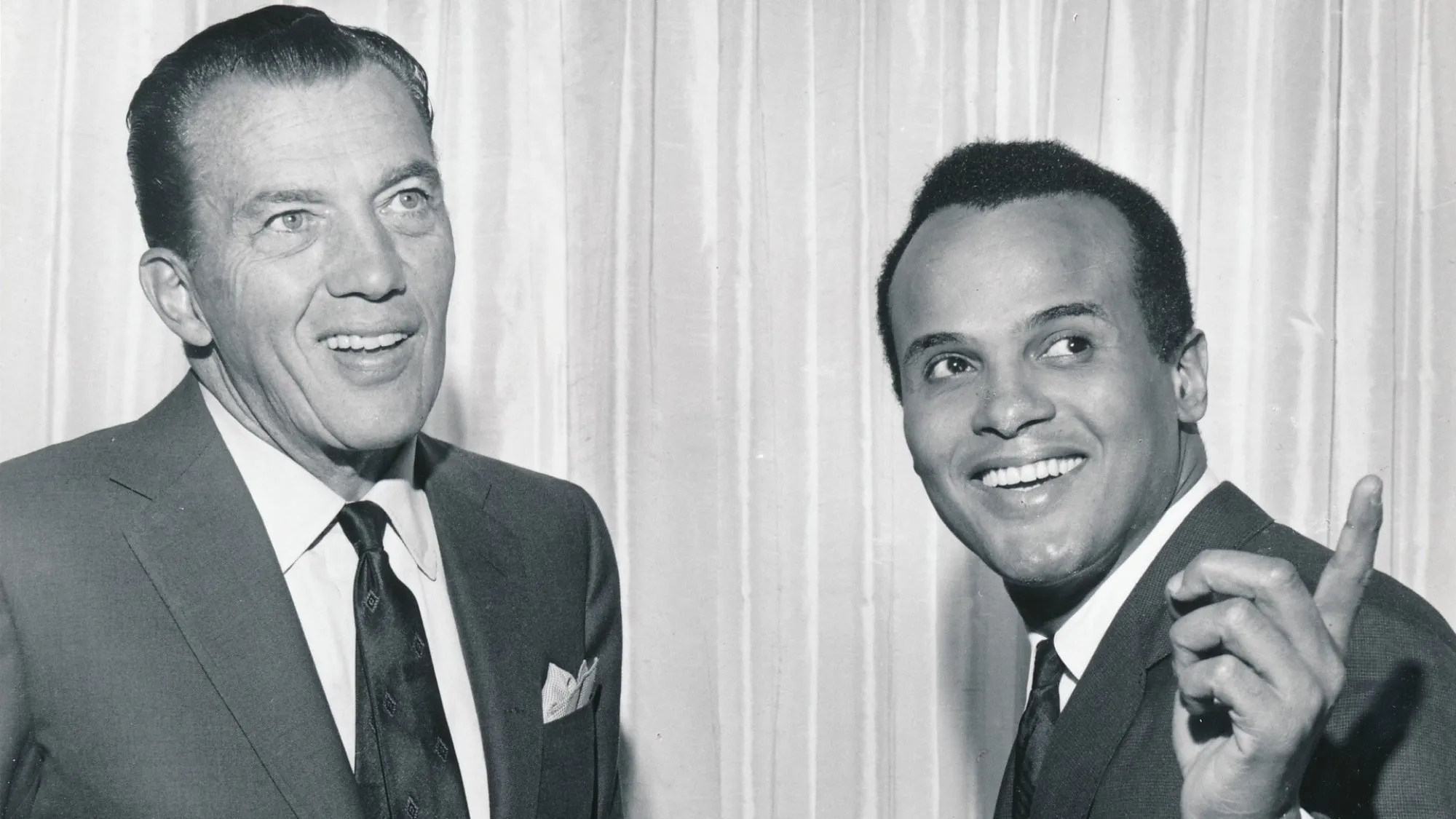
The film provides numerous examples of Sullivan’s resolve. He stood by Harry Belafonte when others wanted him blacklisted for his political views. He offered simple gestures of respect, like shaking Nat King Cole’s hand or kissing Pearl Bailey on the cheek, that were revolutionary acts on national television and triggered waves of hate mail. He ignored the demands of powerful sponsors who were afraid of alienating southern viewers.
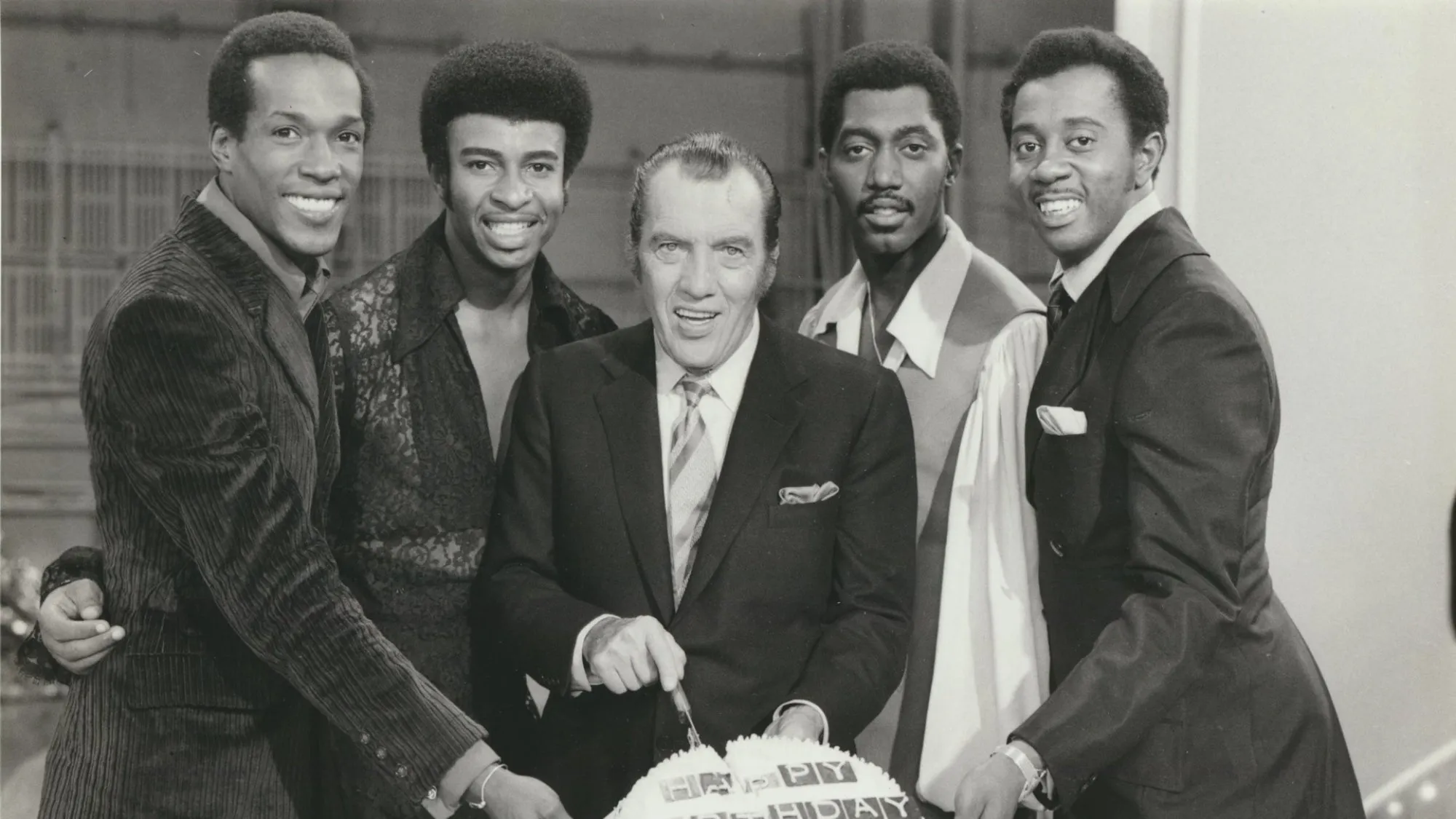
His stage became the primary launchpad for Motown’s crossover into mainstream America, a point reinforced by an appreciative Berry Gordy. The documentary notes that Gordy himself initially avoided putting Black faces on album covers for fear of turning off white buyers.
Sullivan’s show did the opposite; it put those artists front and center in millions of living rooms, letting their talent and charisma speak for itself. The title, Sunday Best, hints at this complex dynamic, suggesting not just the fine clothes worn for a national audience but also the pressure on these artists to present a specific, palatable version of themselves.
The Complicated Gatekeeper
Sunday Best avoids painting its subject as a perfect saint, and the film is stronger for it. It presents a fuller portrait by acknowledging Sullivan’s famous contradictions. This was the same man who championed Black artists but who also had a rigid, authoritarian streak.
He famously banned Bo Diddley for daring to play his own hit song instead of the one assigned to him. He banished The Doors after Jim Morrison sang the original, unaltered lyric to “Light My Fire.” These clashes reveal a man with a very specific, almost conservative, idea of decorum. His progressivism on race existed alongside a deep-seated intolerance for the burgeoning rock and roll counter-culture.
Perhaps his worldview was rooted in a particular vision of patriotic American life. He saw racial integration as a moral imperative necessary to fulfill that vision, while he viewed the rebellion of a later generation of artists as a threat to it. He was a man who bravely broke one of his era’s most important social rules while fiercely enforcing many others.
This complexity makes the film’s portrait feel authentic and all the more human. The lasting message is about the profound power of media to normalize change. By simply and repeatedly presenting Black excellence as a matter of fact, Sullivan used his enormous influence to quietly chip away at the walls of prejudice. Sunday Best successfully challenges us to look past the stoic host and see the principled, imperfect man who helped change what America saw on its screens.
Full Credits
Director: Sacha Jenkins
Writers: Mark Monroe
Producers: Rafael Marmor, Chris Leggett, Mark Monroe, Margo Precht Speciale, Amit Dey, Natalie Goldberg, Jim McDonnell
Cast: Harry Belafonte, Berry Gordy, Jackie Jackson, Smokey Robinson, Dionne Warwick, Otis Williams
Editors: Billy McMillin, Monique Zavistovski
Composer: Ryan Bullet Shields
The Review
Sunday Best
Sunday Best is a vital and skillfully crafted documentary that does more than just recount history; it recontextualizes it. Director Sacha Jenkins successfully transforms the familiar, stiff image of Ed Sullivan into a portrait of a quiet but powerful agent of social change. Through brilliant archival editing and an innovative narrative approach, the film makes a strong case for television's power to shape society. It's an essential watch for anyone interested in the intersection of American culture, media, and the fight for civil rights, revealing the profound substance behind the famous "shew."
PROS
- Presents a powerful and convincing argument that reframes a major cultural figure.
- Effectively uses innovative narrative techniques, like the AI-recreated voice of Sullivan.
- The editing, which juxtaposes performances with historical footage, is masterful and impactful.
- Offers a nuanced portrait of its subject, acknowledging his complexities and contradictions.
- Provides rich insight into the monolithic power of television in the mid-20th century.
CONS
- The AI-recreated narration, while effective, might feel unsettling or strange to some viewers.
- Its tight focus on Sullivan's role in civil rights means other aspects of his long and varied career are less explored.