


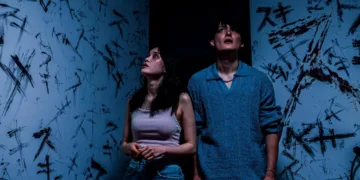







The air in Alice Maio Mackay’s latest film is thick with a particular kind of urban haze, a mixture of cigarette smoke, cheap perfume, and something ancient stirring beneath the concrete. Here, a young trans woman named Anna arrives, a classic stranger-in-a-strange-land figure dropped into a cityscape that seems to pulse with a low, biotic hum.
Mackay, a filmmaker whose output is startlingly brisk for her age, immediately establishes a world of moody, neon-soaked apartments where shadows cling to corners with unnatural weight. The central problem is introduced not with a bang, but with a palpable sense of atmospheric dread: a burgeoning love affair that seems to generate its own gravitational field, one strong enough to pull something terrible from the darkness.
The Gravity of Two
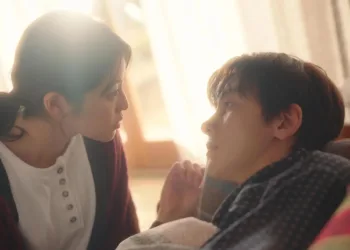
The film’s entire architecture rests on the central pairing of Anna (Alexandra McVicker) and Gen (Avalon Fast); to miss this is to miss the point entirely. Their relationship is not a subplot; it is the main event, the sun around which all other narrative bodies orbit.
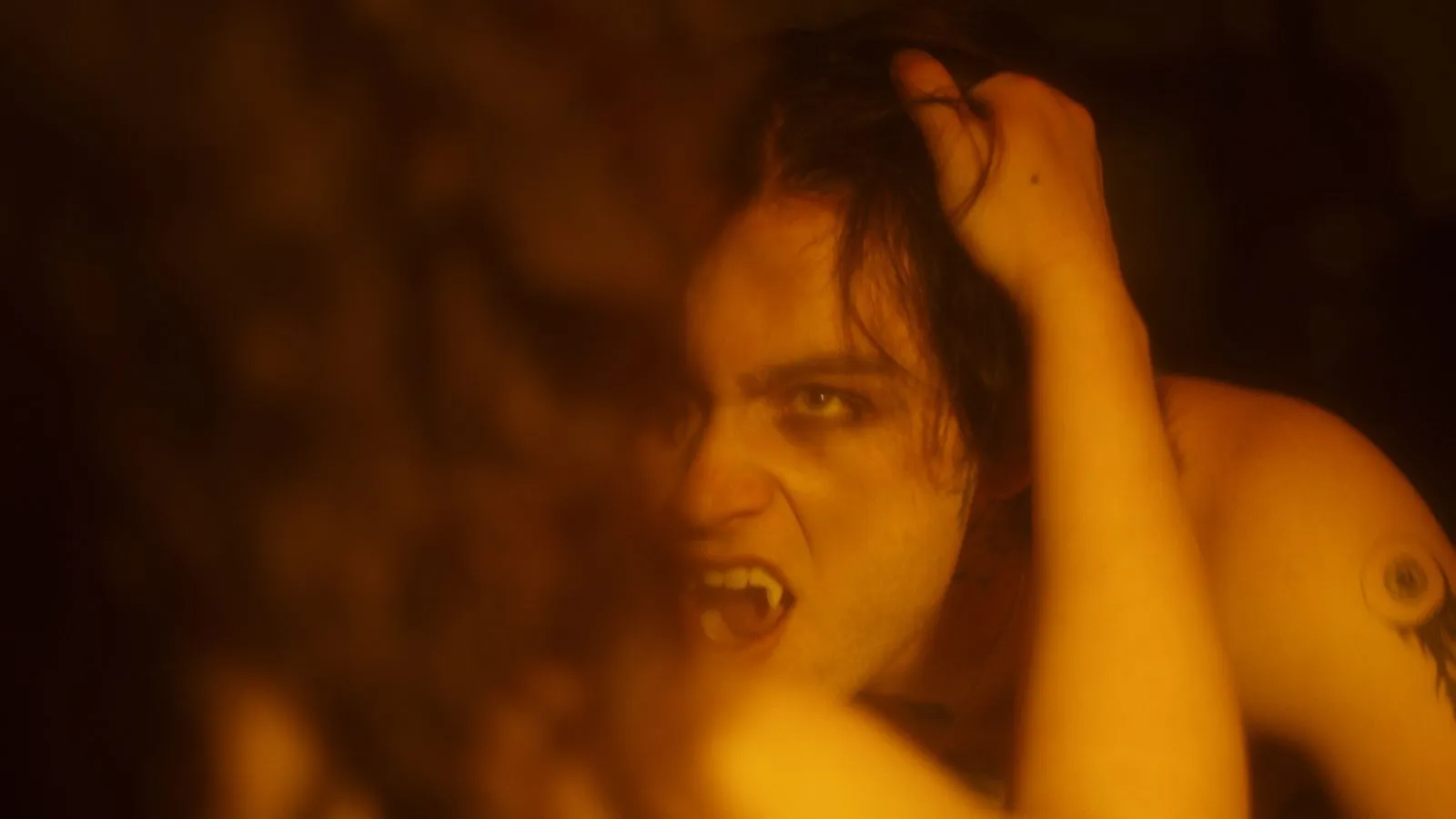
McVicker imbues Anna with a quiet, watchful intelligence, her ethereal quality not one of weakness but of a person attuned to frequencies others cannot hear. Her performance is a study in micro-expressions, where a universe of feeling is conveyed in a slight narrowing of the eyes. Opposite her, Avalon Fast gives Gen a coiled, predatory grace. She is a subversion of the femme fatale, less a temptress leading a man to ruin and more a guide offering a key to a locked room, aware of the dangers inside.
Their on-screen chemistry is a volatile substance, believable in its startling immediacy. Mackay wisely invests the film’s resources here, letting scenes between them breathe and build. The camera often frames them in tight two-shots, creating a shared, hermetic world. The speed of their romance brings forth questions of fate and determinism.
With a psychic link already established between them, their love story plays out with a sense of inevitability that is both deeply romantic and faintly unsettling. Free will takes a holiday when destiny is this insistent. It is an attraction so potent it begins to feel like a law of nature, a force that will soon demand an equal and opposite reaction.
The Grammar of Grunge and Glow
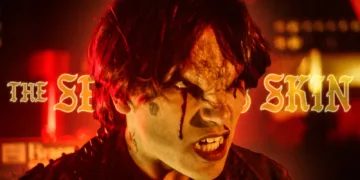
Technically, the film is a masterclass in stylized grit, a love letter to a certain kind of analog decay rendered through a digital lens. Cinematographer Aaron Schuppan paints with a palette of deep purples and searing magentas, creating a digital chiaroscuro that feels both modern and steeped in 90s teen-horror tradition.
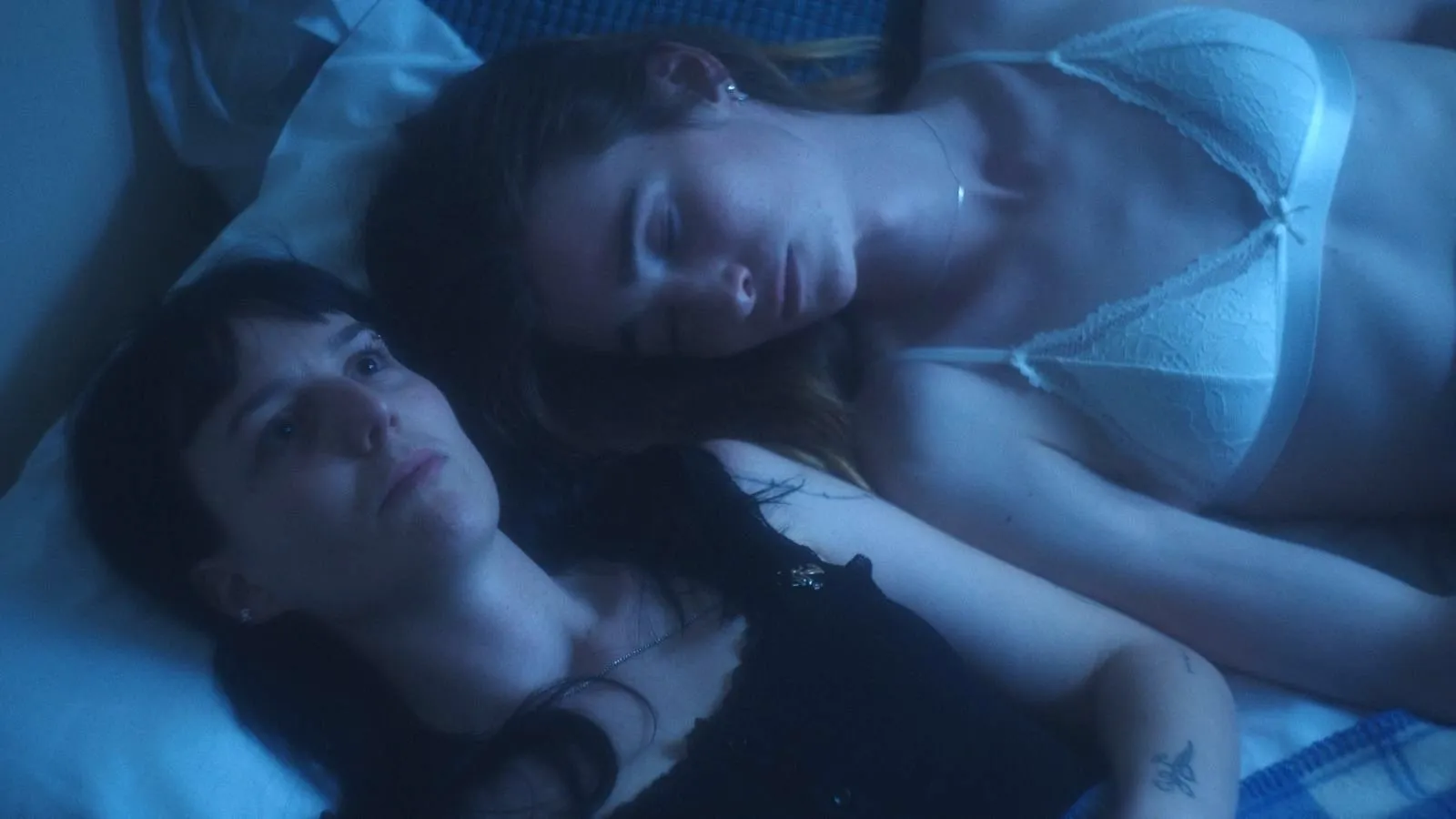
This is not the clean, high-contrast lighting of classic noir, but its moody descendant, where blackness is replaced by the bruised colors of a twilight sky. The camera often lingers, creating expressionistic frames that isolate the characters in their saturated world, before Vera Drew’s editing fractures the image. The cuts possess a staccato rhythm that mimics a fever dream or a half-remembered night, keeping the viewer’s perceptions fragmented and unstable.
This aesthetic is proudly independent, where the constraints of a lower budget are transmuted into a strength. Practical creature effects have a tangible, unpleasant texture that polished CGI often lacks, grounding the supernatural in something tactile.
The notable electronic score by H6LLB6ND6ER reinforces this, buzzing with a synthetic dread that complements the visual haze. The whole production feels authentic, like a cherished VHS tape whose visual distortions and buzzing soundtrack are integral parts of its identity. It is a calculated vision, not a compromise, one that understands that atmosphere is character, and style is substance.
When Affection Curdles into Fright
The film’s narrative structure is a calculated risk, a deliberate cleaving of the story into two distinct halves. For two acts, we are immersed in a romance, lulled by its rhythms. Then, the film’s spine shifts, and it becomes a horror picture with disorienting speed.
The demonic entity that appears is a direct consequence of the protagonists’ intense connection, an externalization of their combined power that runs rampant. The unleashing is unwitting, a crucial detail that plunges the characters into an ethical gray zone concerning responsibility and consequence. They are not clean heroes; their love, a creative force, has a destructive byproduct.
This abrupt pivot leaves supporting characters, like the unfortunate ex-fling Danny, feeling less like people and more like narrative dominoes, positioned only to be knocked over. This choice undeniably flattens the film’s dramatic scope, but it also sharpens its focus to a razor point. The world outside the central couple becomes shockingly disposable, a decision that perversely raises the stakes for the two people who matter.
The film sacrifices a wider ensemble horror experience for an almost claustrophobic examination of its core relationship under siege. The supernatural plot, therefore, acts as a crucible. The demon is not simply a monster to be fought; it is the physical manifestation of all the external hostility and internal insecurity that threatens a new, fragile identity forged by two people against the world.
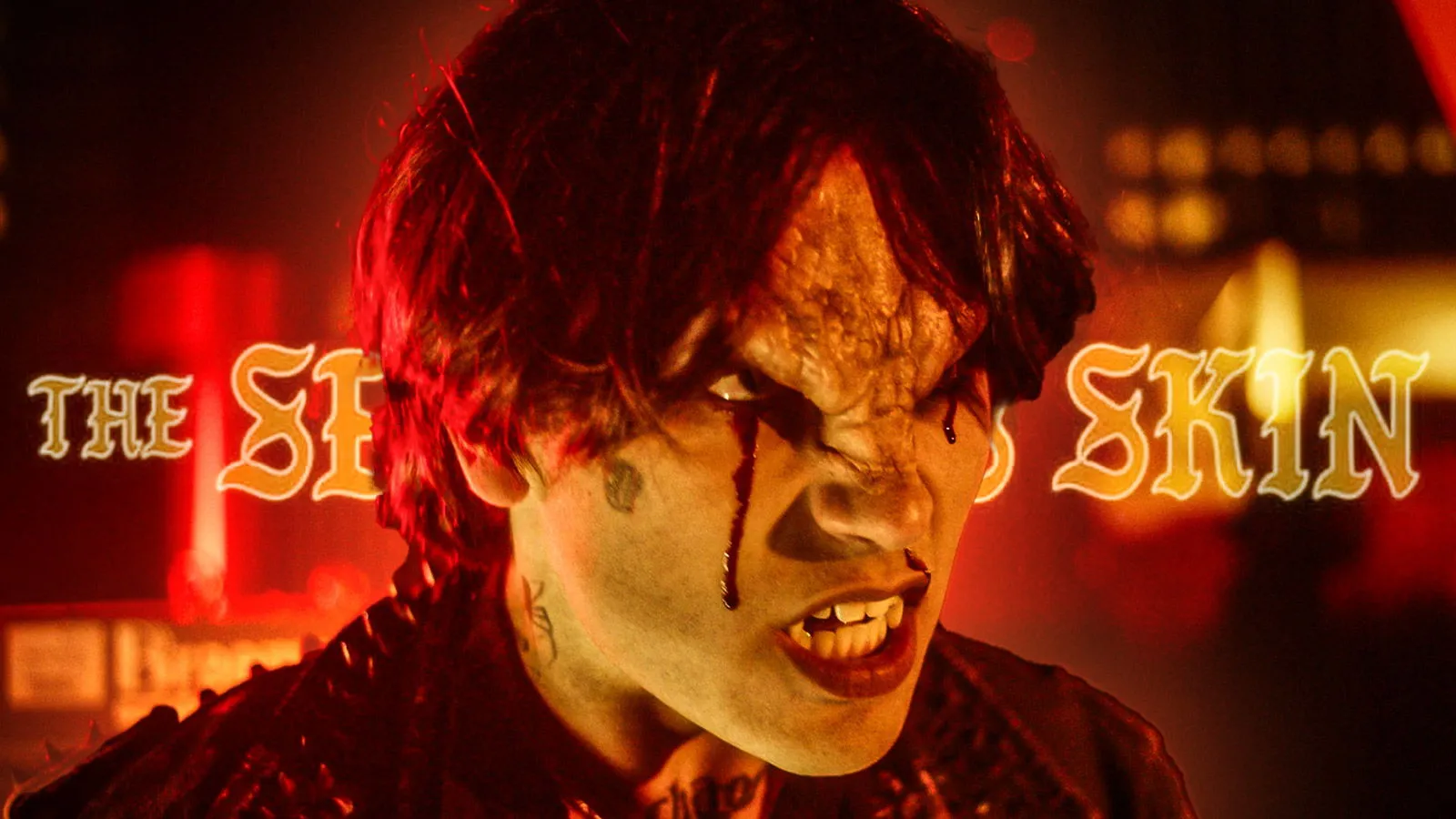
“The Serpent’s Skin” is a queer supernatural horror film by Alice Maio Mackay that premiered at Frameline in the United States on June 22, 2025. It also screened at Fantasia in July and will be at FrightFest in August.
Full Credits
Director: Alice Maio Mackay
Writers: Alice Maio Mackay, Ben Pahl Robinson
Producers: Alice Maio Mackay, Louise Weard, Mike Repsch
Cast: Alexandra McVicker, Scott Major, Charlotte Chimes, Jordan Dulieu, Avalon Fast, Patty Glavieux, Betsey Brown, Jessica Burgess, Lewi Dawson, Drew Droege, Joe Lynch, Alyssa Peters
Editors: Vera Drew
The Review
The Serpent's Skin
Mackay's film is a mesmerizing, if structurally fractured, artifact. It thrives on its potent atmosphere and the electric chemistry of its leads, crafting a queer romance that feels both fated and dangerous. While its third-act pivot into horror sacrifices narrative breadth and reduces its side characters to collateral damage, the film's unwavering focus on its central duo creates a powerful, claustrophobic study of love against a hostile world. It is a work of undeniable style and potent emotional force, more concerned with mood and metaphor than conventional storytelling.
PROS
- A powerful and believable chemistry between the two lead actresses.
- A distinct and highly stylized visual aesthetic, blending neon hues with a gritty texture.
- Effective atmospheric and moody tone throughout the film.
- A thoughtful use of genre to explore themes of queer love and identity.
CONS
- An abrupt structural shift in the third act that may feel jarring to some viewers.
- Supporting characters are underdeveloped and feel secondary to the plot.
- The narrative logic of the horror elements can feel less important than their metaphorical function.