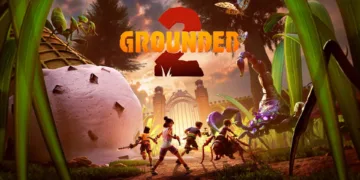


















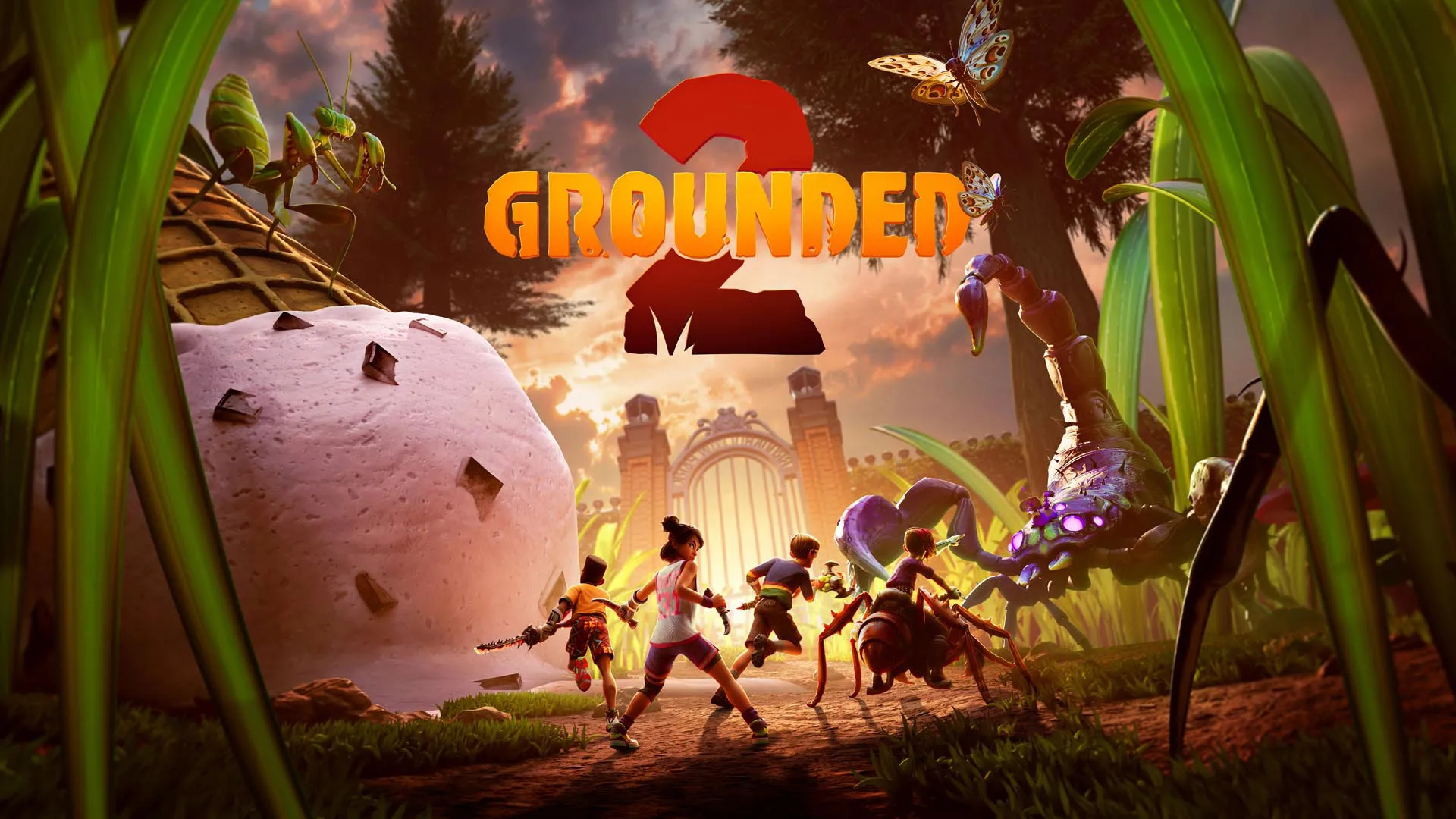

The fantasy of miniaturization is a peculiar and potent cultural artifact, rooted in a specific vein of American 80s cinema like Honey, I Shrunk the Kids. It speaks to a suburban anxiety, where the familiar and mundane lawn becomes a terrifying, alien jungle. Grounded 2 resurrects this concept, not as mere nostalgia, but as a lens to examine contemporary themes.
Set two years after the original, players are once again shrunken in the expansive new territory of Brookhollow Park. The core mystery involves not just personal survival but corporate intrigue, with the monolithic Ominent corporation’s role shifting from outright villain to dubious benefactor.
This early access version is more than a simple sequel; it’s an ambitious recalibration of its own formula, attempting to tell a more complex story about technology, nature, and power, even as its own digital seams are still showing.
A Bigger Playground: The World of Brookhollow Park
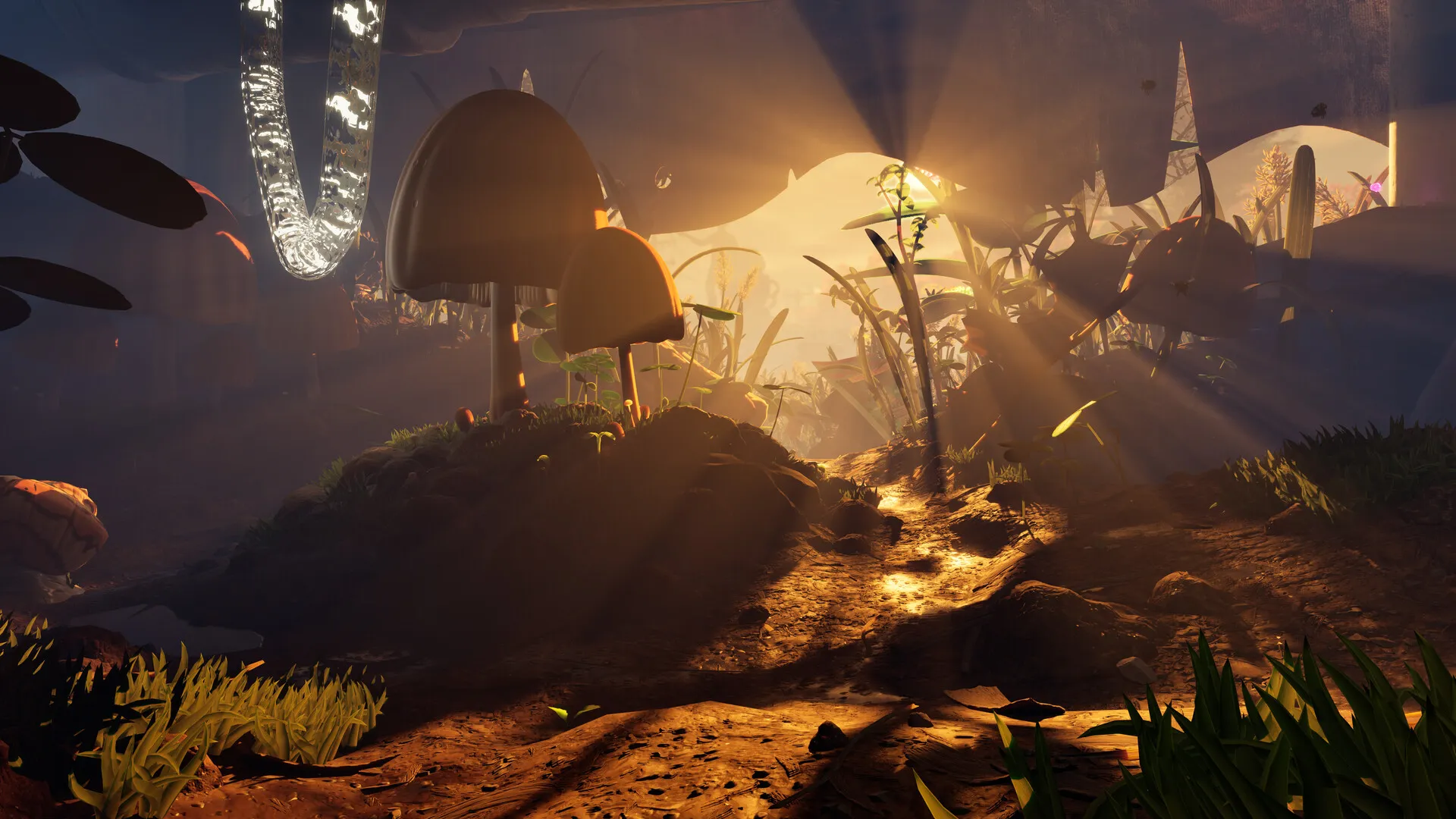
The transition from a single backyard to the sprawling Brookhollow Park is a significant statement of intent. Where the first game’s map felt like a contained diorama, the new world aims for the scale of a national park, promising a territory three times larger.
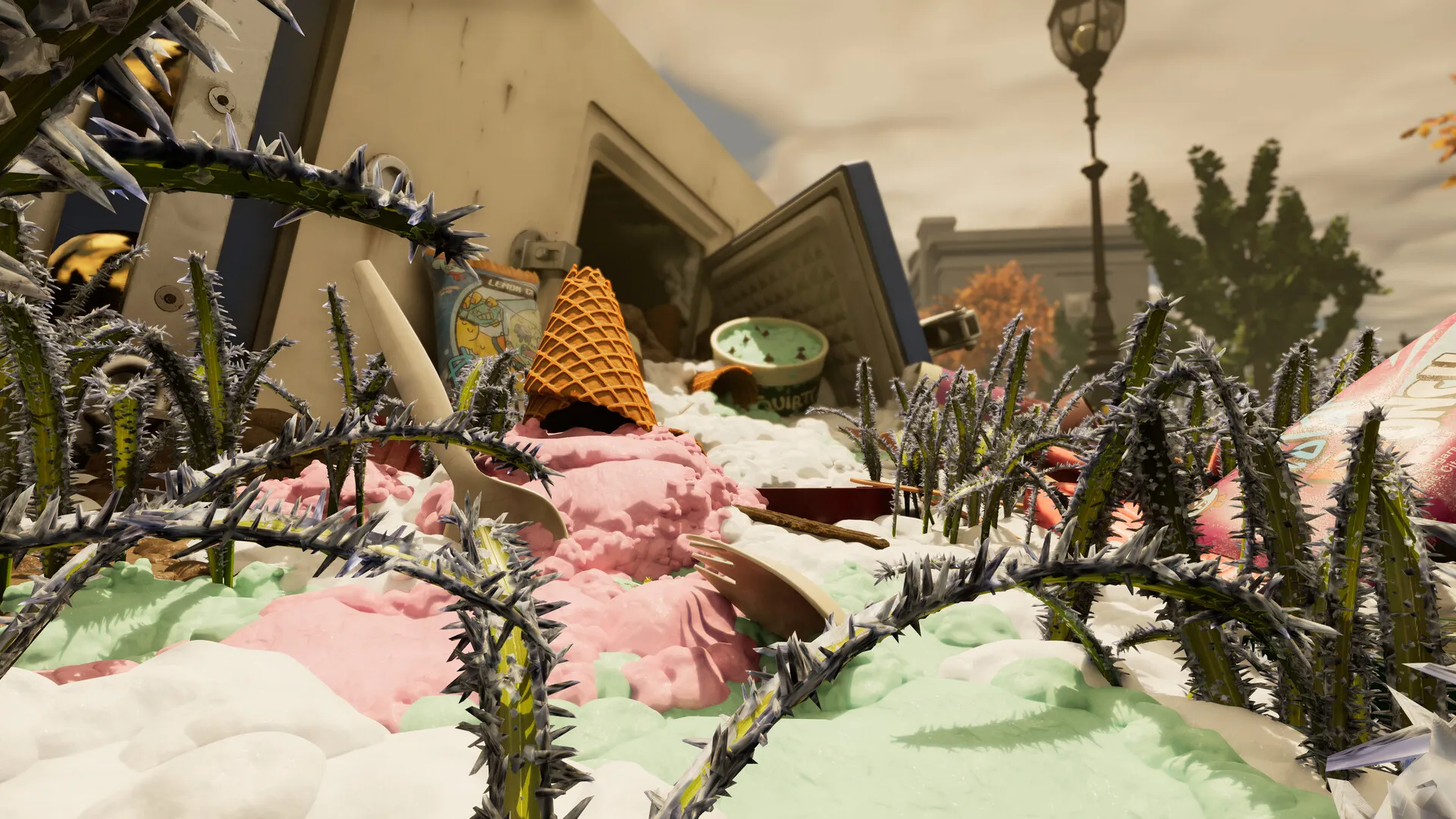
This sense of scale transforms commonplace debris into breathtaking monuments, achieving a kind of gameplay-driven magical realism. An overturned ice cream cart becomes a treacherous, frozen biome, its sugary geology dictating new survival strategies and forcing players to guard against a pervasive chill. A discarded charcoal grill radiates heat like a volcanic caldera, its scorched earth populated by creatures adapted to the heat.
This act of turning the mundane into the magnificent, a technique often associated with literature, serves to defamiliarize the ordinary and force a new perspective. The world itself, a manicured American park, is a cultural artifact—a curated, man-made version of nature. The game’s injection of genuine chaos into this ordered space creates a fascinating tension, a commentary on the fallacy that nature can ever be fully tamed.
Some locations, like the picnic table or the cobblestone garden path that becomes a vast labyrinth, feel like direct reprises from the first game, creating a dialogue between the sequel and its predecessor. For now, the world’s diversity doesn’t quite match the fully realized biomes of the original, lacking equivalents to the aquatic ecosystem of the koi pond or the arid expanse of the sandbox.
The world’s structure also presents a philosophical shift. Danger is no longer neatly zoned. Potent threats like Orb Weaver spiders patrol near the very start of the journey, their multiple eyes glowing menacingly in the dark just beyond the safety of the first field station.
This approach rejects the guided, theme-park-like progression of many modern games, instead fostering a feeling of genuine, unpredictable exploration reminiscent of classic travelogues where the map was truly unknown. It creates a space that feels less like a curated tour and more like an untamed, authentic wilderness where threats are unpredictable and ever-present.
Survival Refined: Core Gameplay and Quality of Life
At its foundation, the game adheres to the universal grammar of the survival genre. The core loop of gathering, crafting, and building is a primal narrative of imposing human order onto chaos, a sped-up microcosm of societal development from nomadic scavenging to settled civilization.
Players will harvest resources from the colossal flora and fauna to construct shelters and tools, and this familiar rhythm provides a stable anchor for the game’s more ambitious changes. The most notable of these is the Omni-Tool, a single piece of equipment that consolidates the functions of an axe, hammer, and shovel. This is not just a simple convenience; it reflects a modern design ethos of technological convergence and abstraction.
It’s the smartphone of survival tools, the Swiss Army knife replacing the specialist’s tool belt. The physical labor of swinging at a grass blade remains, but the cognitive load of tool management is removed, speaking to a modern desire for frictionless experiences that is visible across all forms of technology.
Further refinements, such as the ability to “hot-craft” items directly from the menu and a map-based scanner for locating specific resources, sand down the genre’s traditional friction points. The interface is cleaner, and the option to switch between first-person and third-person perspectives allows players to frame their own experience, choosing between intimate immersion and the tactical awareness of a film’s establishing shot. Yet, this push for refinement has not been applied evenly.
The base-building system feels largely untouched. It remains functional but suffers from the same persistent frustrations of its predecessor. The game empowers you with tools to create order, but the system’s jankiness reintroduces chaos.
Frequent “obstructed” errors on clear ground and the comical way objects become askew on uneven foundations turn the desire for architectural pride into a frustrating exercise. It is a point of mechanical friction that works against the narrative of mastery the player is trying to build.
RPG Deeper Dive: Combat and Character Progression
Grounded 2 leans more heavily into the established global language of role-playing games, adopting a structure that will be instantly recognizable to a global audience. Where the original allowed for informal playstyles, the sequel codifies them into defined classes like warrior, rogue, and mage. This is not just a design choice; it is an act of tapping into the shared cultural lexicon of tabletop games like Dungeons & Dragons, a lingua franca that provides players with an immediate, intuitive understanding of their potential role.
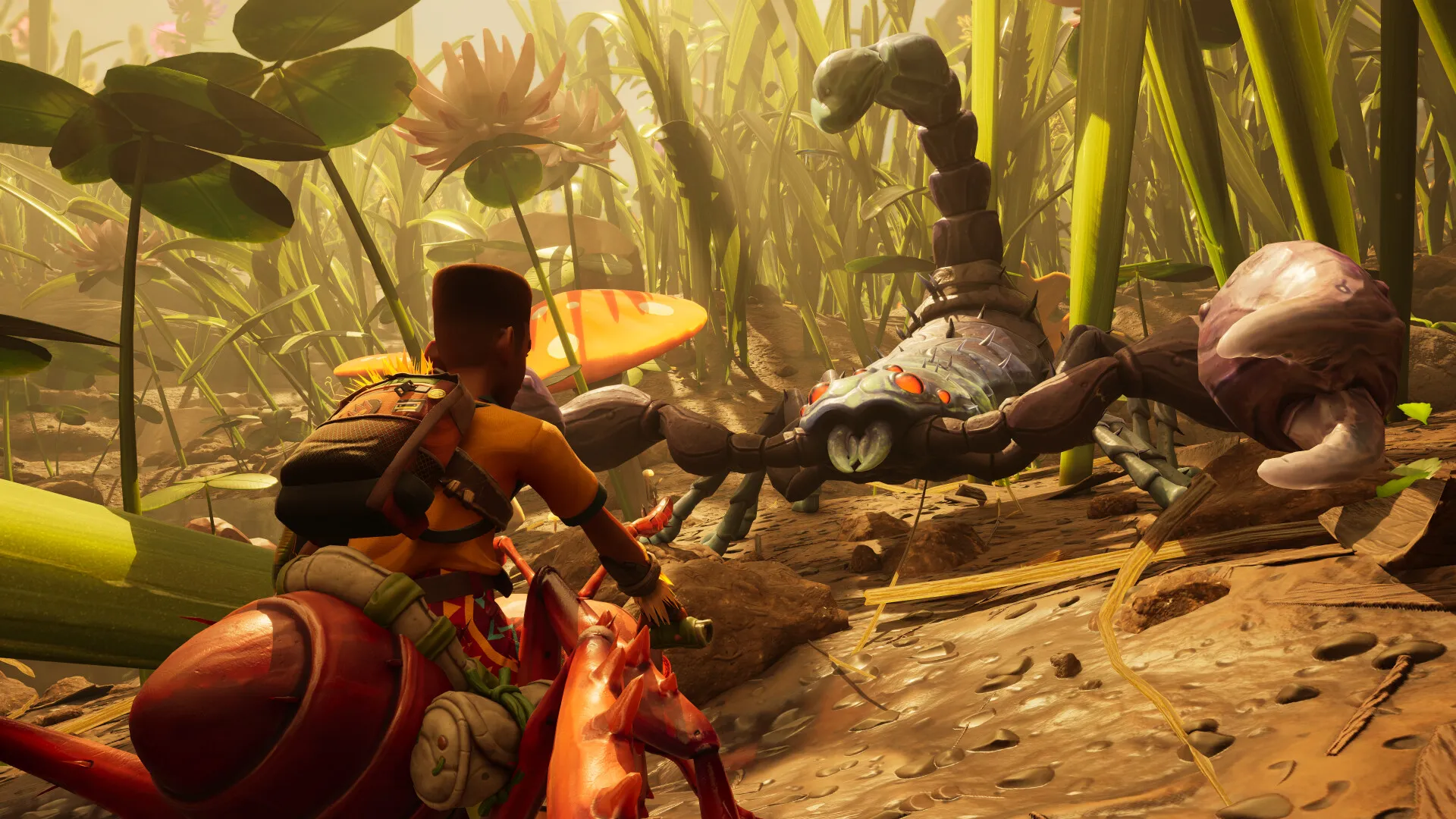
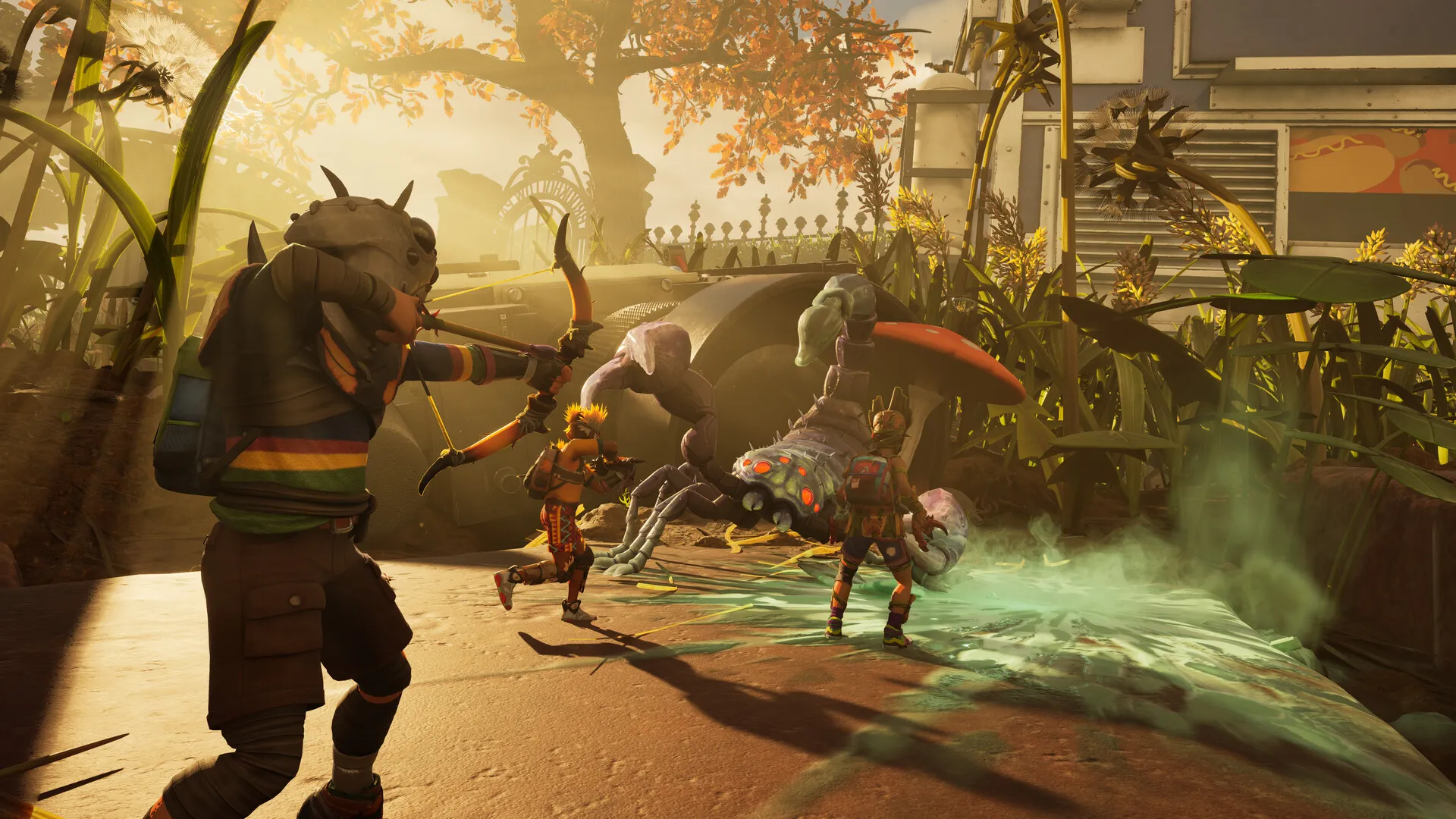
Armor sets now grant explicit bonuses that anchor these classes, providing clear paths for character development. However, the game encourages improvisation within this structure. A player can create a stealthy brute who wields a massive club from the shadows, or a nimble fighter who uses life-stealing daggers. This “freedom within structure” is akin to a musician improvising over a standard chord progression; the game provides the framework, but the player’s choices create the unique performance. Combat itself feels like a more responsive and kinetic dialogue.
The basic actions of attacking, blocking, and parrying are enhanced by a more fluid dodge, turning encounters with formidable insects into an intricate dance of timing and positioning. Learning the physical language of an enemy—the tell for an Orb Weaver’s lunge, the rhythm of a Soldier Ant’s three-part mandible strike—is the key to survival. Fluency in this violent language transforms a battle from a frantic exchange into a story of mastery.
The current roster of creatures is a mix of the familiar and the new. Returning foes provide a sense of continuity, while new antagonists like ferocious, ice-breathing butterflies subvert expectations, turning a symbol of delicacy into a draconic threat. The praying mantis, with its razor-sharp claws, is a more direct embodiment of insectoid terror. The absence of certain late-game creatures from the original suggests a world still in the process of being populated, its full ecosystem waiting to be unleashed.
The Buggy Revolution: Mounts Change Everything
The introduction of tameable and rideable insects—”Buggies”—is the sequel’s most transformative mechanical and thematic statement. This feature fundamentally alters the player’s relationship with the world, echoing the historical transition from walking to mechanized transport. Traversal, once a slow, deliberate process of navigating a perilous landscape on foot, is now executed at speed.
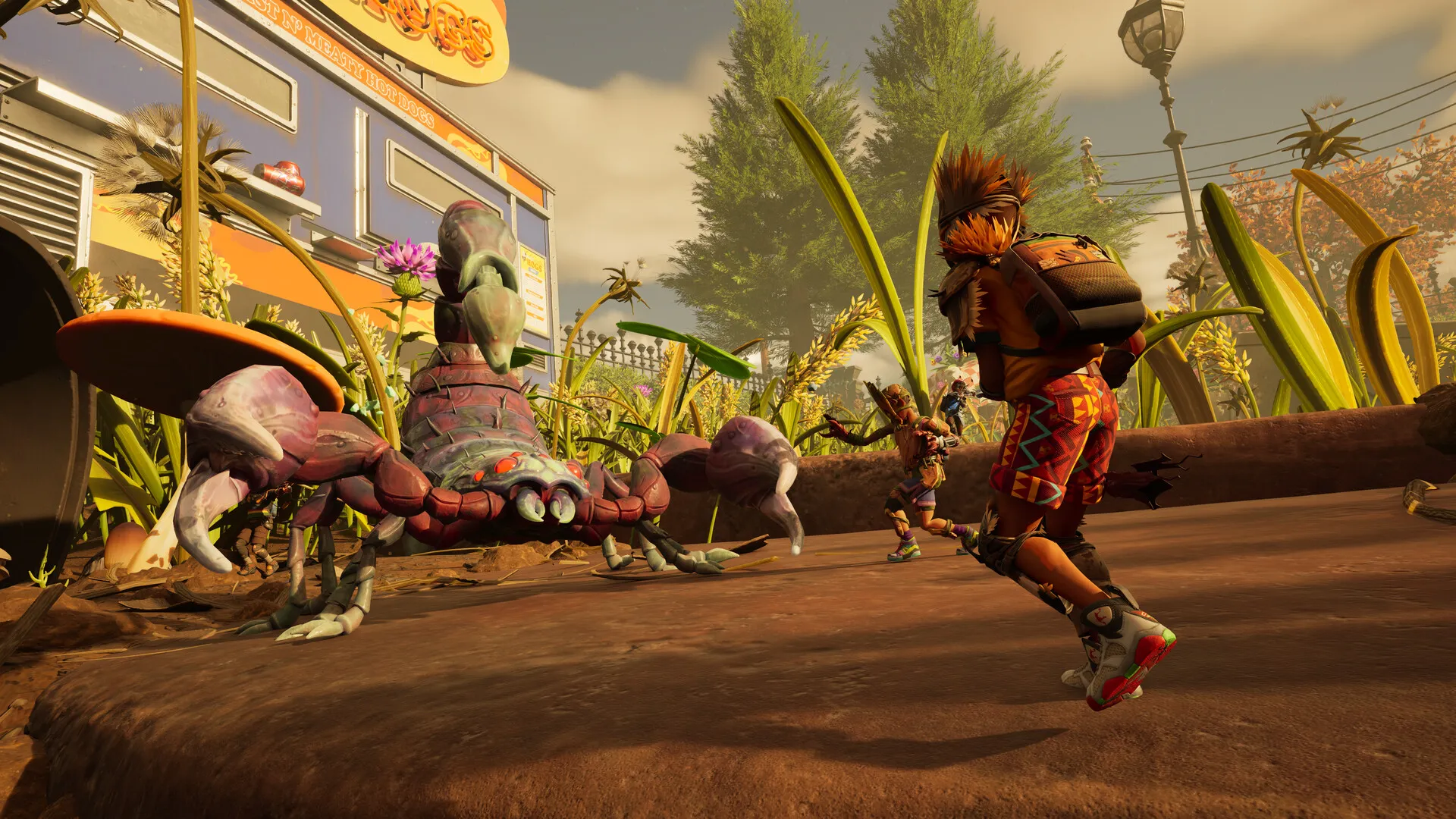
This newfound efficiency creates a compelling tension, a classic problem of modernity. The Buggy is the automobile of Brookhollow Park; it promises freedom but at the cost of intimate connection to the environment. The world can be crossed in minutes, which is invaluable for rescuing a friend or reaching a distant objective, but it risks changing the player from a naturalist cataloging the world’s wonders into a commuter racing toward a destination marker. What is lost when a journey becomes a commute?
The mounts themselves serve as extensions of the player’s will, each with a distinct identity. The Red Soldier Ant is a creature of industry, a beast of burden symbolizing labor and construction, able to haul massive loads of grass planks. The Orb Weaver is an agile predator and scout, able to scale vertical silk webs to traverse terrain others cannot.
This creates a choice not just of utility but of playstyle identity. This system also reshapes the social dynamics of cooperative play, enabling new forms of collaborative strategy and dramatic, high-speed rescues. Mounted combat introduces another tactical layer, though its current implementation feels less developed. It can feel simple and occasionally finicky, a point where the exhilarating fantasy of riding a giant spider clashes with a less precise mechanical execution compared to the tight, responsive combat on foot.
A Story Front and Center
In a significant structural departure from its predecessor, where the story was a background element to be discovered, Grounded 2 places its narrative in the driver’s seat. Main quests are no longer optional breadcrumbs but a central spine that gates progression, tying key unlocks and abilities to story completion. This design choice pushes the experience closer to a traditional, cinematic single-player campaign, a model deeply ingrained in Western game design.
It ensures players experience the authored narrative, but it creates the potential for a clash between the player’s intrinsic curiosity and the game’s extrinsic demands. An explorer who discovers a key location organically may find themselves forced to backtrack later to complete a formal quest objective there, creating a slight dissonance between the player’s story and the game’s story. The game is a hybrid, attempting to balance the freedom of a sandbox with the structure of a linear tale.
The characters and tone reflect a distinctly American style of self-aware adventure. The four playable teens are now seasoned survivors, their dialogue filled with the confident quips of protagonists who have already been through their origin story.
They interact with new figures like Sloane Beaumont, the smiling face of corporate evil whose condescendingly caring tone is a sharp critique of corporate public relations. Then there is the “Masked Stranger,” a classic mysterious antagonist figure who provides tests and cryptic guidance. The writing is sharp, effectively using humor as a coping mechanism—a very human and culturally widespread response to fear—to ground the extraordinary situation in a relatable, contemporary voice.
The Real Bugs: Early Access Performance and Polish
To play Grounded 2 in its current state is to engage with the modern culture of early access development, a space where the audience is invited into the workshop while the machine is still being built. This model is a kind of para-social contract between developer and player, built on a promise.
The player invests not just money but time and feedback, becoming a stakeholder in the creative process. The game’s technical state is, fittingly, full of bugs. These are not the charming, six-legged inhabitants of the park, but digital glitches that disrupt the experience. Players will encounter erratic framerates, especially near complex bases, alongside game crashes, weapons flying off in random directions, and items or enemy parts falling irretrievably through the world geometry.
This rawness is part of the territory of early access. Cataloging these issues is not merely a list of complaints; it’s documenting the chaotic nature of a world under construction. There is a deep thematic irony here: the player is fighting to bring order to a world of chaotic insects while simultaneously grappling with the technological chaos of the software itself.
The game’s diegetic and non-diegetic realities blur, with the frustration of fighting an invisible, bugged-out enemy mirroring the terror of being stalked by an unseen predator. This unintended parallel creates a uniquely vulnerable and unpredictable experience, one that a polished, seamless final product might struggle to replicate. The core design is so compelling that it manages to function despite the instability, offering a tantalizing preview of the polished experience it promises to become.
The Review
Grounded 2 Early Access
Grounded 2 is a monumental step forward, building upon a beloved formula with ambitious, game-changing ideas. The introduction of mounts revolutionizes traversal, and deeper RPG mechanics provide meaningful character progression. Its more central and compelling narrative successfully raises the stakes. However, this is very much a world under construction. The experience is hampered by significant technical bugs and performance issues that betray its early access state. It’s a brilliant, buggy, and ultimately promising sequel that offers a thrilling glimpse of the magnificent game it is destined to become.
PROS
- Game-changing mounts fundamentally enhance traversal and utility.
- Deeper, formalized RPG systems add meaningful build variety.
- A more engaging, front-and-center narrative.
- Significant quality-of-life improvements, like the Omni-Tool.
- A larger, more ambitious world design.
CONS
- Significant technical bugs, crashes, and performance issues.
- Base-building mechanics feel underdeveloped and largely unchanged.
- Limited enemy and biome variety in its current state.
- The speed of mounts can sometimes undermine deliberate exploration.