






















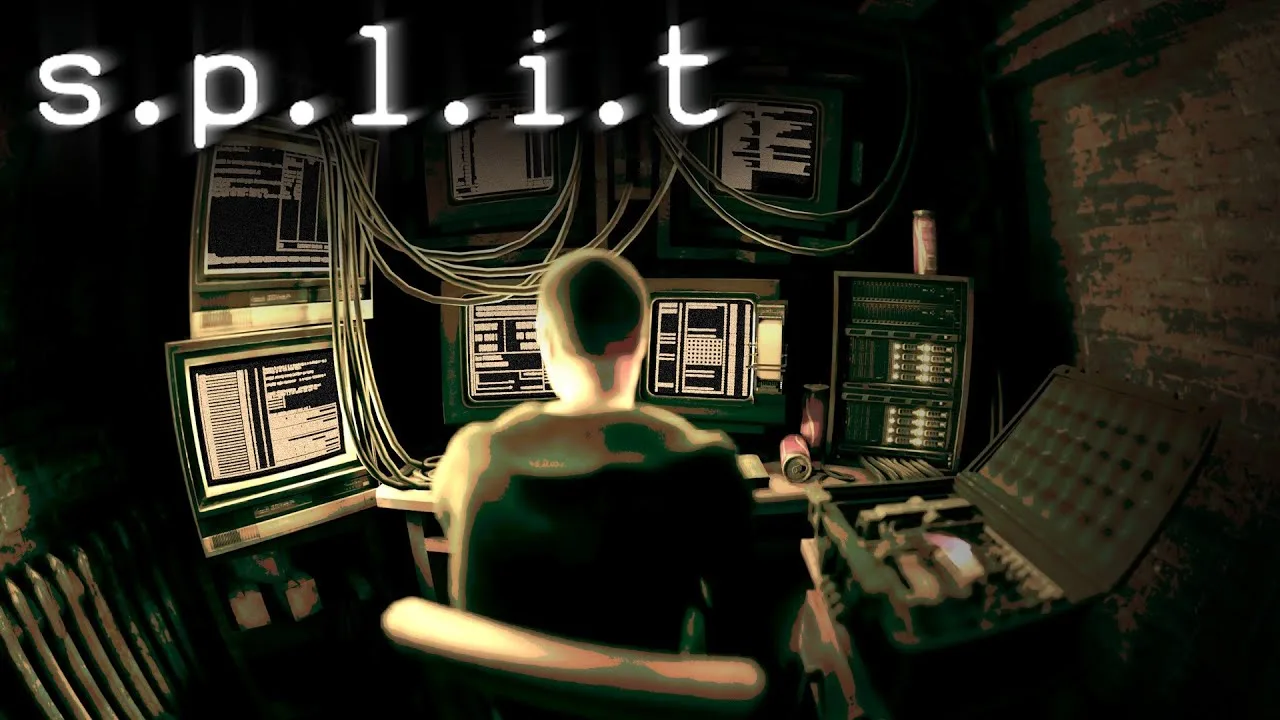

There is a distinct isolation that comes from sitting in a dark room, the only light reflecting from a terminal screen. It’s a space of intense focus, where the outside world dissolves and only the digital realm remains. s.p.l.i.t. captures this feeling perfectly, placing you in the role of Axel, a hacker embarking on a desperate and dangerous mission against a monolithic corporation.
The game presents its psychological horror entirely through a diegetic computer interface, turning the act of navigating file systems into a tense, nerve-wracking ordeal. This is the latest work from Mike Klubnika, the mind behind the brutally tense Buckshot Roulette, and it demonstrates a similar talent for crafting focused, atmospheric experiences.
This is not a game where you simply role-play a hacker; you perform the job, with every deliberate keystroke carrying the weight of your grim, techno-dystopian world. A necessary content warning must be issued: s.p.l.i.t. contains explicit thematic references to self-harm and suicide. It is a bleak and challenging game intended for a mature audience.
Living in the Command Line
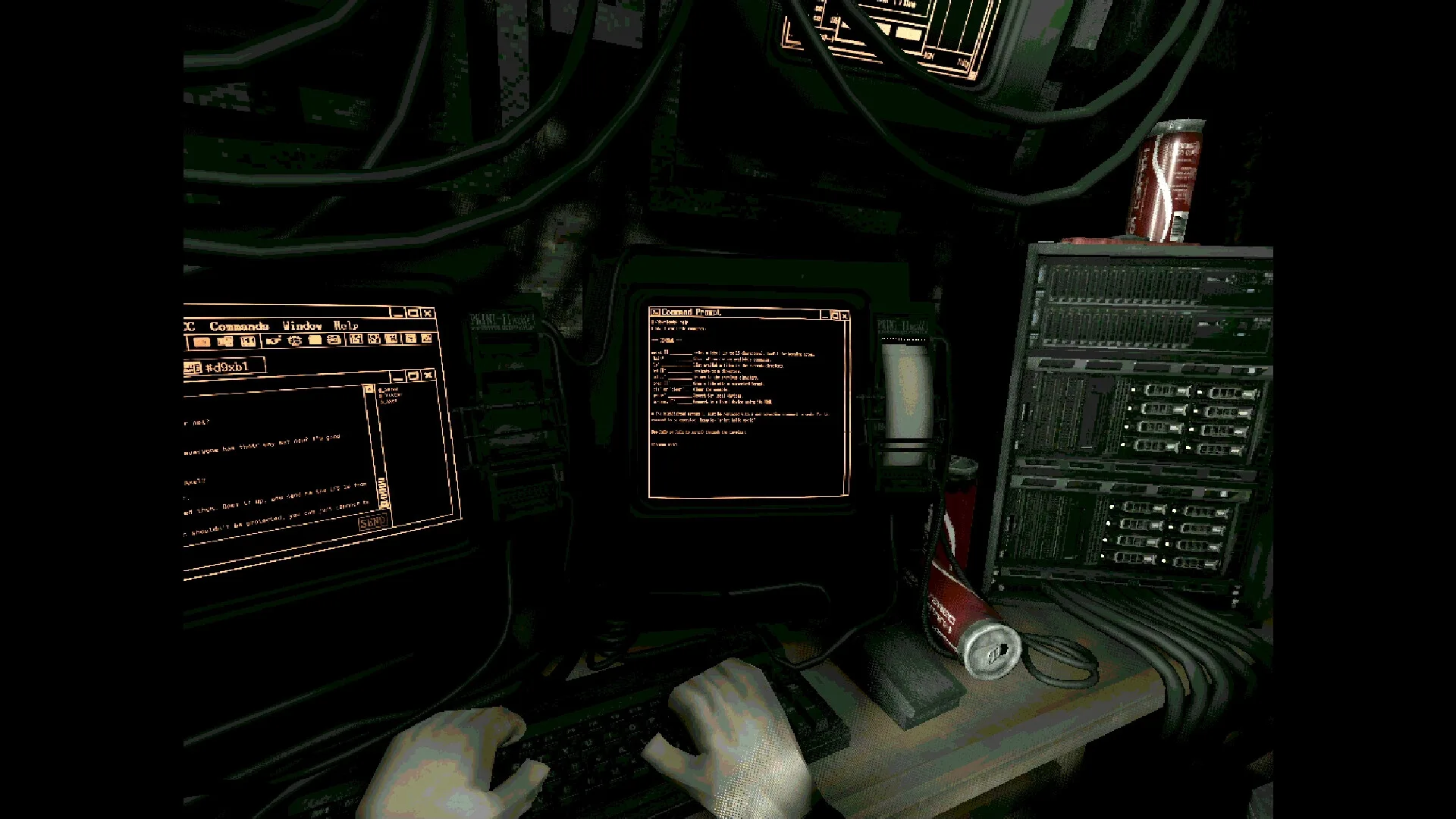
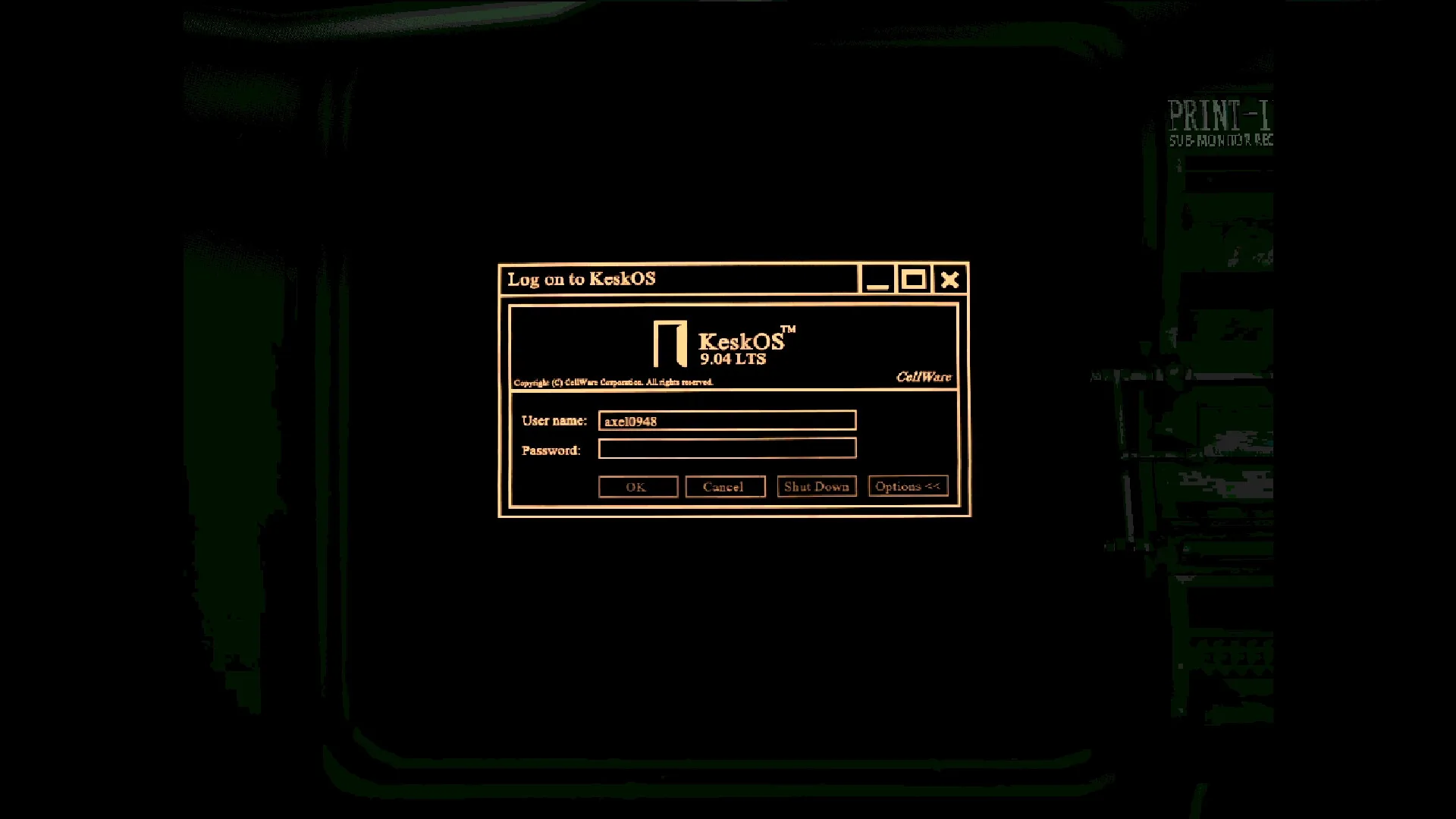
The core of s.p.l.i.t. is its steadfast commitment to an authentic hacking simulation, a design choice that immediately distinguishes it from titles that treat hacking as a simplified, abstract minigame. Your entire interaction with the target system happens through a DOS-like command-line interface, a wall of amber text on a black background. Every action is performed with the keyboard, transforming the simple act of typing into the central mechanic. You will learn to navigate directories with cd, list their contents with ls, examine documents with cat, and, crucially, create your own reminders with the print command. This approach presents a legitimately steep learning curve.
Players with a background in coding or terminal usage will feel a flicker of familiarity, but for the uninitiated, the first moments are intentionally disorienting. The game rewards logical thinking and experimentation, offering subtle feedback for incorrect syntax—it might suggest the proper command if you try to open a file incorrectly—but it refuses to hold your hand with overt hints or quest markers. Success is a hard-won prize, a product of your own deduction, making each small breakthrough feel like a monumental victory.
This powerful sense of accomplishment is deepened by the game’s strictly diegetic interface. You are not just looking at a menu; you are physically situated at a desk in a cramped, dark room. By holding the Alt key and pressing A or D, you pivot Axel’s cervical spine, a deliberately clinical description used by the game itself.
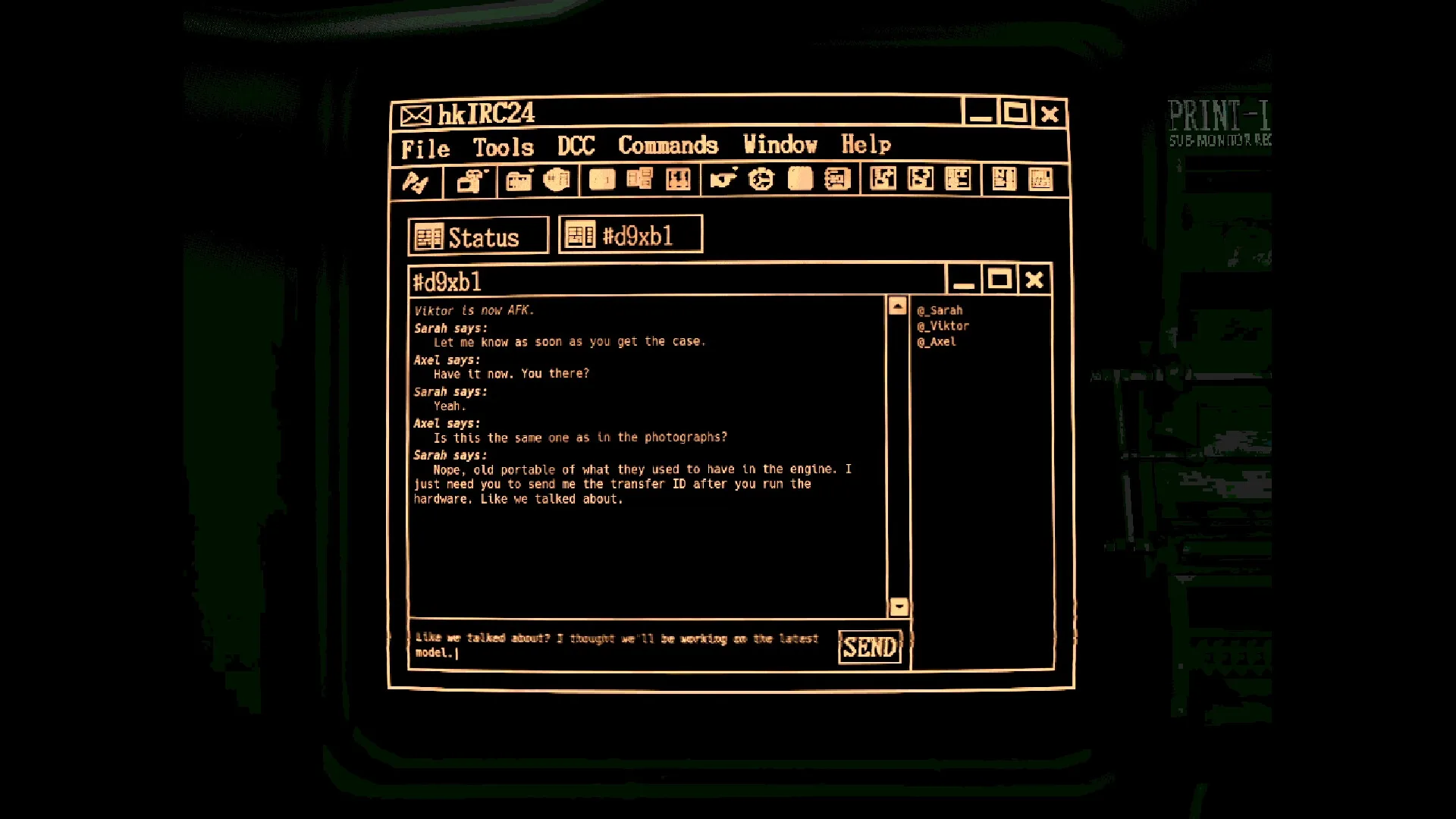
This action turns your view from the hacking terminal to a separate screen displaying an IRC-style chat with your accomplices, Sarah and Viktor. This simple mechanic is transformative; it creates a tangible separation between the focused, solitary “work” of hacking and the “social” space where you receive orders and feel the rising panic of your team. It grounds you in the game’s physical space, making the terminal feel like a solid object in a real place. The tactile sensations are paramount.
The sharp, distinct clack of each key, the slow, deliberate scroll of text, and the way you must mash the keyboard to simulate Axel’s automated, often terse, chat responses all contribute to a profound sense of presence. The slight input lag when typing in the chat is a masterful touch, creating a subtle disconnect that reinforces you are inhabiting a character, Axel, who is separate from you yet under your control.
Puzzles are not arbitrary roadblocks but are intricately woven into the fabric of the simulation. They are logic challenges that demand you think like a real intruder. A typical task might involve tracing user logs to find a specific access key, hunting for a password hidden within fragmented system files, or using clues from your teammates to manipulate system permissions.
The print command becomes an essential tool, allowing you to create your own text files to keep track of complex server IDs and access codes, perfectly mimicking a real-world workaround for a clunky, unforgiving interface. In a brilliant fusion of gameplay and characterization, moments of high stress trigger intrusive, doubtful thoughts that float across Axel’s screen. Your only defense is to furiously type, scrubbing the words away in a frantic burst of action. This connects your physical effort directly to the character’s deteriorating mental state, a far more effective and immersive mechanic than a simple quick-time event could ever be.
A Lo-Fi Nightmare
The atmosphere of s.p.l.i.t. is a masterclass in minimalist dread, meticulously crafted to feel both nostalgic and deeply unsettling. It evokes the feel of late-90s cyber-dystopian media like Serial Experiments Lain, where technology is not sleek and sterile but grimy, used, and vaguely malevolent. The visual style is intentionally low-poly and utilitarian, reminiscent of the early 3D graphics of the PS2 era.
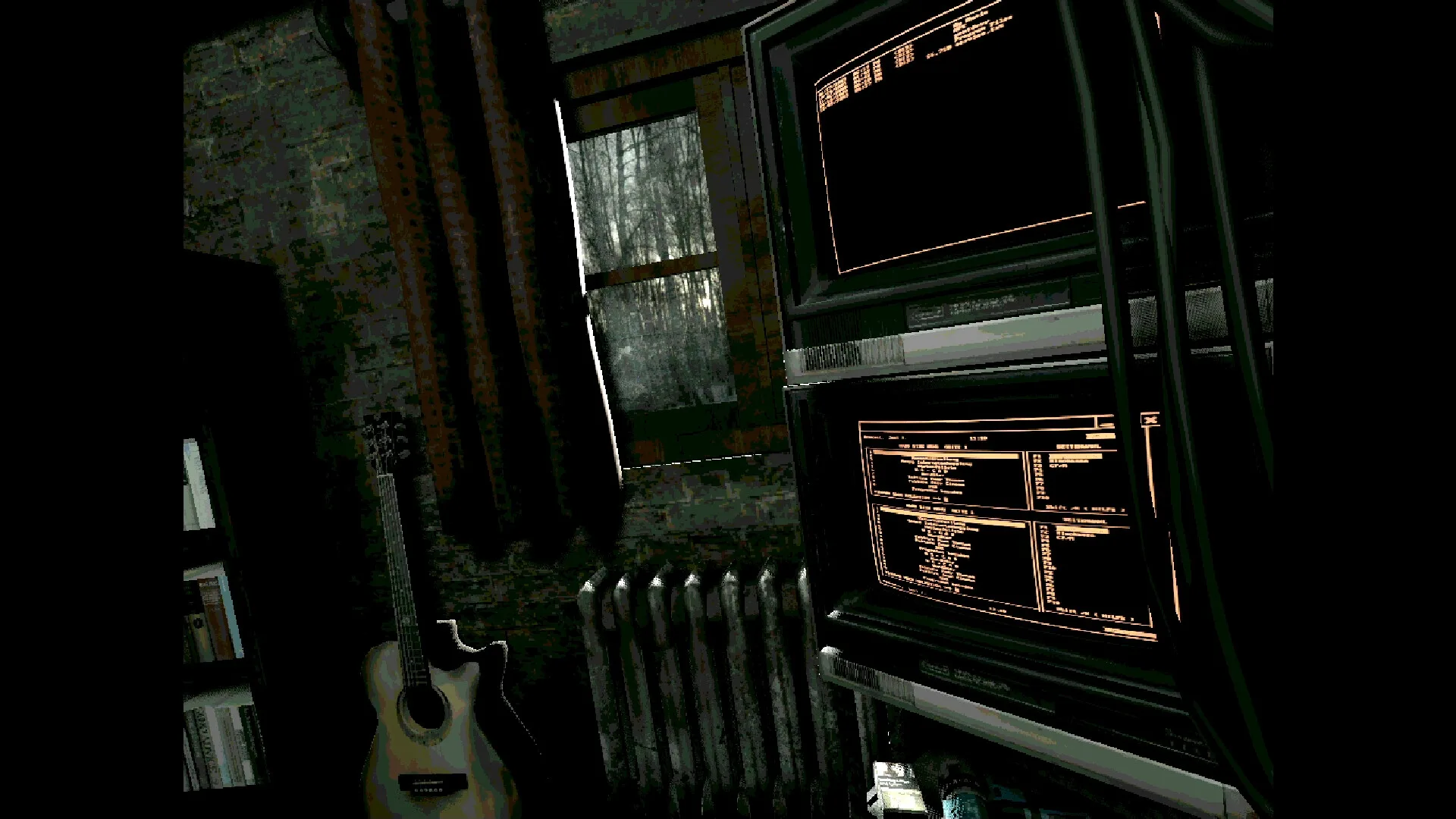
This choice is not merely for retro appeal; it is a deliberate decision to create a world that feels technologically decayed and spiritually oppressive. Everything on screen is drenched in a sickly, oppressive monochrome sepia, a color palette that seems to suck all life and warmth from the environment. The cramped room, with its single window to a dark world outside and unsettling objects half-hidden in the corners, feels less like a hacker’s den and more like a prison cell.
This visual austerity forces you to focus on the text, but it also amplifies the sense of claustrophobia and hopelessness. The presentation builds unease through subtlety, using visual glitches, screen distortions, and sudden, inexplicable shifts in the interface to signal that you are treading on dangerous ground. The machine itself begins to feel sick, haunted, its digital corruption mirroring the moral corruption of the world outside.
The sound design is a quiet but powerful accomplice to the visuals, creating a soundscape of profound isolation. There is no musical score to dictate your emotions. Instead, the silence is punctuated by a constant, low ambient hum from the computer’s fans, the sonic signature of solitude. Against this backdrop, the sharp, distinct report of each keystroke becomes your constant companion, the rhythm of your tense labor.
This minimalist approach makes every small, diegetic sound significant. Distant, distorted digital noises bleed through the hum at unexpected moments, making you feel as though some malevolent presence lurks just beyond the screen, somewhere deep inside the system you are violating. A sudden, sharp audio cue in the oppressive quiet is far more startling than any traditional jump scare because it is a violation of the established sonic space. Together, the visuals, sound, and isolating gameplay create an almost suffocating sense of dread.
The game leverages its physical limitations—a single room, a text-based interface—to achieve a level of claustrophobia that a more expansive world could never replicate. The world-building is powerful because it is suggestive; the true horror of “the facility” is never shown, only implied through the palpable terror in your partners’ messages. This creates a unique and terrifying form of dread, where you are physically safe but digitally exposed, fighting a monster you can hear screaming through the wires.
The Ghosts in the Machine
The narrative of s.p.l.i.t. unfolds with a patient and intelligent confidence, rejecting traditional exposition in favor of environmental storytelling. The game trusts you to act as a digital archaeologist, piecing together its grim story from the fragments you unearth. The plot is discovered entirely through your own actions, hidden within the file logs you decrypt and the tense, terse conversations you have in a private chat window with your partners, Sarah and Viktor. This method makes you an active participant in the narrative discovery, not a passive observer.
Your agency is rooted in intellectual curiosity and deduction, a process that feels deeply personal and engaging. Much like in investigative games such as Her Story or Observation, the story’s intentional ambiguity is a feature, not a flaw. Key questions about your employers, the true purpose of your malware, and the nature of the entity you are attacking are left unanswered, forcing you to interpret the clues and confront the chilling implications of the missing pieces. This lack of clear answers is a constant source of unease, ensuring the moral weight of your actions is never far from your mind.
This cold, technical mission is given a heavy, human heart through its characters. Axel, Sarah, and Viktor are not just functional quest-givers; they are former colleagues bound by a shared, traumatic past with the monolithic corporation they now seek to destroy. Their chat logs, which shift from professional jargon to raw panic, slowly reveal their personal stakes, their lingering guilt, and the dark secrets that haunt their team.
This human element prevents the game from becoming a dry, technical puzzle box. Axel’s characterization is particularly compelling. The game creates a fascinating sense of dissociation; in chats, his responses are often automated and confident, but his internal state, expressed through the on-screen intrusive thoughts, is one of rising panic. You, the player, bridge that gap, performing the cool-headed actions while feeling the character’s terror.
The game handles its mature themes with a blunt, unflinching honesty. It explores concepts of digital violence, corporate malfeasance, absolute control, and extreme mental anguish directly and without romanticism. There is an undercurrent of diseased martyrdom to the entire affair—a sense of fighting an insurmountable, inhuman system where even the notion of victory is tainted by despair and sacrifice.
The Final Act and Its Consequences
The final sequence of s.p.l.i.t. marks a dramatic and shocking escalation of horror and intensity. The cerebral, slow-burn tension that defines the majority of the game—the dread of being caught, the intellectual challenge of the puzzles—pivots into something far more visceral, immediate, and personally violating. It is a masterful tonal shift, carefully built up and devastatingly executed.
This section is where the psychological pressure that has been mounting throughout the game becomes nearly unbearable, moving beyond the fear of a digital ghost in the machine to a confrontation that is deeply unsettling and designed to leave a lasting, chilling impact on the player. The game takes the established mechanics and expectations and subverts them in a way that is both horrifying and narratively brilliant.
At the heart of this harrowing finale is a horrific and deeply disturbing choice. This decision is the narrative’s ultimate fulcrum, a moment that carries immense moral and emotional weight. It is not a simple binary choice between a “good” or “bad” path, but a devastating question posed directly to the player about the nature of sacrifice, despair, and what one is willing to do when trapped in an impossible situation.
This decision directly leads to one of two primary endings. True to the game’s oppressive tone, neither outcome offers a sense of victory or closure. Instead, each ending re-contextualizes the entire experience, revealing new, horrifying layers of lore and forcing you to question the true nature of your mission and its ultimate consequences. Both conclusions are bleak, hopeless, and feel tonally perfect for the grim world the game has so effectively built, leaving you with a profound sense of unease that lingers long after the screen finally goes dark.
Final Thoughts
The greatest success of s.p.l.i.t. lies in its profound and unwavering commitment to immersion. This is achieved through the brilliant fusion of authentic terminal gameplay with a masterfully realized diegetic interface, a combination that grounds you completely in its terrifying world. The creation of a tense, paranoid atmosphere using minimalist visuals and a subtle, isolating soundscape is a testament to its focused and confident design. Furthermore, the intelligent environmental storytelling respects the player’s ability to piece together a complex and disturbing narrative from scattered fragments, making the act of discovery deeply rewarding.
This singular vision, however, does create significant points of friction. The unforgiving learning curve for the command-line interface is a substantial barrier to entry. While it is central to the game’s identity, it will undoubtedly alienate players unfamiliar with or uninterested in such a demanding mechanic, acting as a gatekeeper to the experience.
At a runtime of one to two hours, some will find the game’s brevity leaves them wanting more, even if that short length contributes to its concentrated impact. Finally, its extremely dark and challenging subject matter makes it a niche title intended for a very specific audience.
This is an intense and demanding experience by design, and it makes no apologies for it. s.p.l.i.t. is a potent, concentrated dose of psychological horror that stands as a brilliant example of how mechanics and atmosphere can be fused to create a deeply personal and unsettling experience. It is a challenging, grim, and unforgettable piece of interactive art for those who can meet its demands.
The Review
s.p.l.i.t.
s.p.l.i.t. is a masterful exercise in minimalist horror, successfully fusing its authentic hacking mechanics with a suffocatingly dense atmosphere. It is a testament to focused design, creating a profound sense of immersion and dread that few games can match. While its unforgiving nature and intense subject matter will undoubtedly alienate some, for those who crave a deep, intelligent, and truly unsettling experience, it is an unforgettable digital nightmare that is absolutely essential.
PROS
- Profoundly immersive diegetic interface that grounds the player in its world.
- Masterfully crafted atmosphere of dread and paranoia built on minimalist design.
- Intelligent, player-driven environmental storytelling that respects player deduction.
- Authentic and rewarding hacking gameplay that feels consequential.
CONS
- A steep learning curve for the command-line interface acts as a major barrier.
- The extremely short runtime of 1-2 hours may leave some wanting more.
- Its unflinching and intense themes are not suitable for all players.