












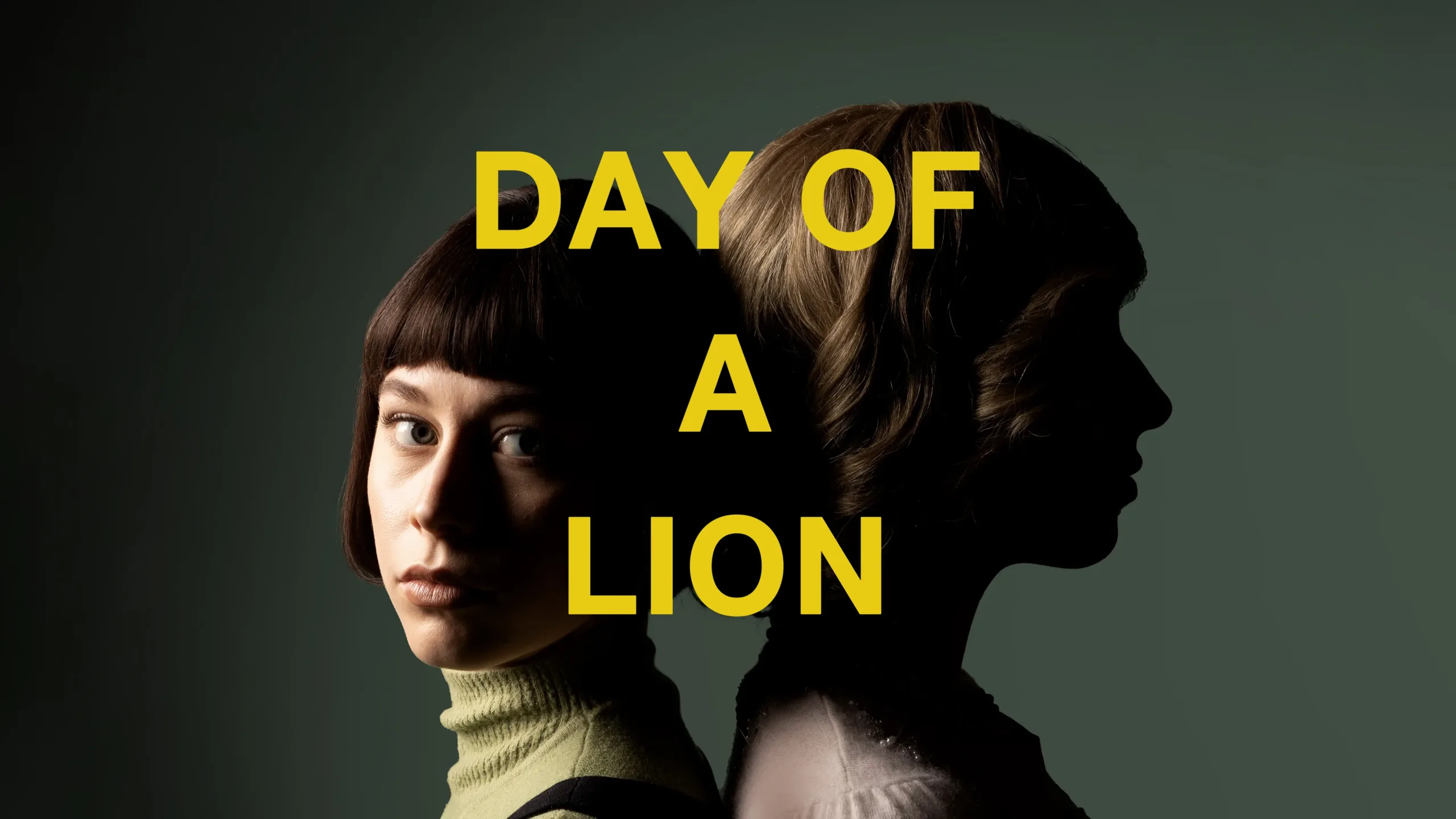

The family home, in cinema, is often a repository of ghosts. In Day of a Lion, the house is less haunted than it is hermetically sealed, a mid-century bell jar where the past has failed to properly decompose. Set in the hushed decorum of the late 1950s, the film deposits us inside this space with two estranged sisters, Wanda and Dolly, brought together by the inconvenient death of their father.
The air is thick with unspoken history. This is no tender reunion. It is a psycho-dramatic chamber piece, a slow, methodical dissection of a sibling bond built on a foundation of resentment and secrets. The premise suggests a simple story of grief, yet the film is far more interested in memory as a weapon and the cruelties that pass between people who know each other best.
It poses a quiet question: when you are bound by blood, is reconciliation a choice or a life sentence? The proceedings feel less like a family drama and more like a noir investigation where the body is long buried and the suspects are each other.
The House of Whispers
The film’s decision to remain within the confines of a single location is its greatest formal strength. This is not a budgetary constraint; it is a thematic prison. The house forces a confrontation, turning hallways into echo chambers of accusation and bedrooms into confessionals where absolution is never granted. The cinematography understands this architecture of entrapment.
Light is used with a painter’s precision, employing a modern chiaroscuro that carves figures from oppressive shadow and renders familiar objects menacing. Faces are often half-lit, suggesting divided selves, while long, distorted shadows stretch across the floor like physical manifestations of past trauma. Expressionistic framing is common, with characters often caught behind doorframes, their bodies bisected, or reflected in dusty mirrors, their identities fragmented by the very space they inhabit.
The camera moves with a patient, almost voyeuristic slowness, its gaze aligning with no one, making the audience an uncomfortable witness. The sound design is equally meticulous. Silence carries immense weight, amplifying the diegetic sounds of the house—a ticking clock marking the agonizing crawl of time, the hum of old wiring, the faint whistle of wind outside. These mundane noises become sources of psychological distress, a constant reminder of the suffocating stasis. This is a world without an escape valve.
A Duet of Wounded Souls
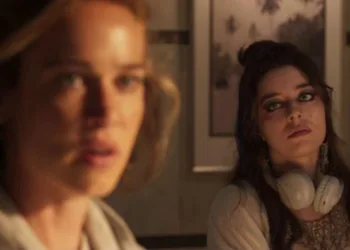
The film rests entirely on the twin performances of Bianca and Dilara Foscht as Wanda and Dolly. Their dynamic is the narrative’s volatile core, a perfectly balanced study in opposition. As Wanda, Bianca Foscht is a study in repressed energy, her quietness a form of protest against a world that has wronged her.
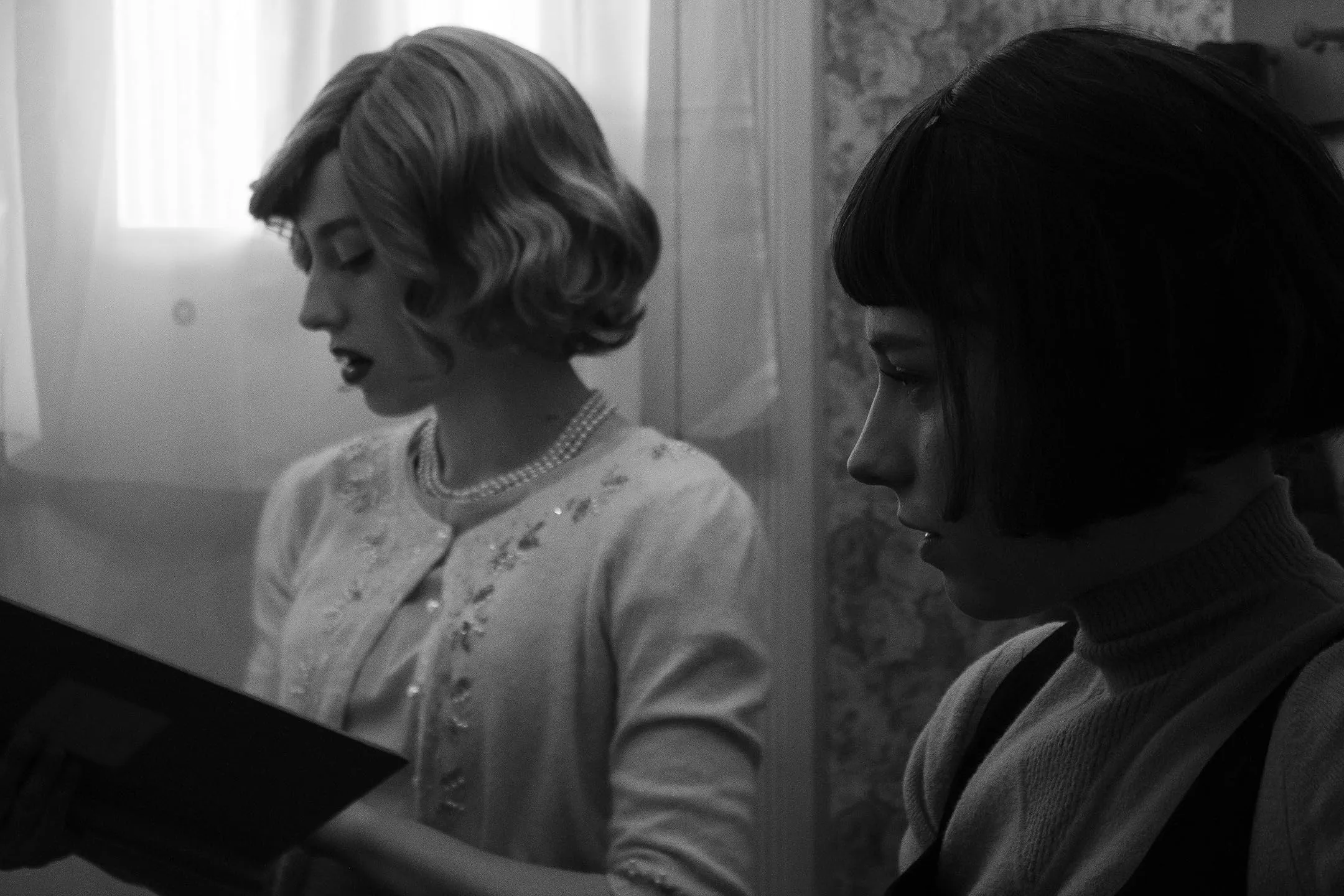
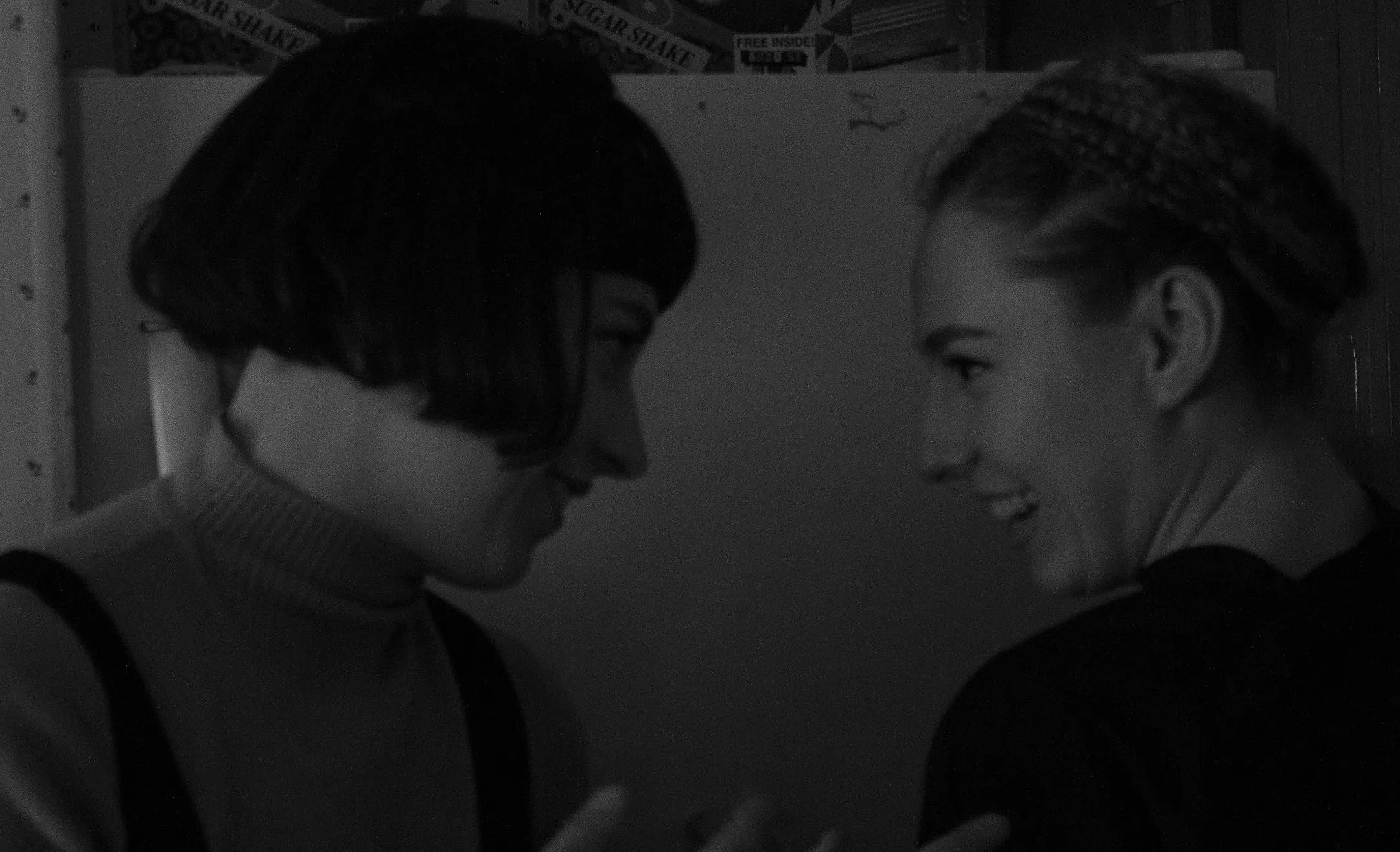
She moves through the house like a ghost in her own life, her withdrawn posture and haunted gaze conveying a deep, calcified resentment. Her stillness is a gravitational force, pulling every interaction into her orbit of silent suffering. In sharp contrast, Dilara Foscht’s Dolly is a whirlwind of performative glamour. Her vibrant energy feels like a desperate defense mechanism against the house’s gloom, her smiles too bright and her movements too sharp.
She is the sister who escaped, or so she tells herself, returning with a carefully constructed identity that begins to splinter under the pressure of Wanda’s judgment. Their dialogue is a chess match of passive aggression and veiled barbs. An offered cup of tea can feel like a threat, a shared memory like an act of aggression.
The true story unfolds in their non-verbal exchanges: a fleeting look of contempt, a dismissive hand gesture, a subtle shift in posture. They are trapped in a feedback loop of provocation and reaction, questioning whether they are individuals with free will or simply playing out a script written for them generations ago.
A Singular Vision
That the Foscht sisters wrote, directed, produced, and starred in the film explains its singular, obsessive focus. Their complete creative control yields a work that is intensely cohesive, a closed loop with no narrative fat or external perspective. The film’s world feels entirely subjective, filtered through the sisters’ shared, distorted consciousness.
This creates an atmosphere of almost unbearable intimacy. Every shot and every line of dialogue serves the central dynamic, reinforcing the sense of an inescapable destiny. The pacing is deliberate and confident, a tight 90 minutes that never wastes a moment, building its emotional pressure with methodical precision until the structure can no longer bear the strain.
Its refusal to offer a tidy resolution is perhaps its boldest move. The film ends not with an answer but with a lingering question, a philosophical ellipsis that forces the viewer to grapple with the implications. It denies us the comfort of catharsis, suggesting that for some, the haunting simply continues because the ghosts are not in the house, they are in the blood. Day of a Lion is a potent and unsettling piece of independent filmmaking. It is a stark, intelligent examination of the dark corners of familial bonds, a story that whispers its horrors instead of shouting them.
Day of a Lion is a drama thriller film that was released on digital and video on demand (VOD) platforms on August 14, 2025. It’s available on platforms such as Amazon Prime Video and Apple TV.
Full Credits
Directors: Bianca Foscht, Dilara Foscht
Writers: Bianca Foscht, Dilara Foscht
Producers: Bianca Foscht, Dilara Foscht, Marco Lamera, Fernando Loureiro, Shawn Major, David Joshi
Cast: Bianca Foscht, Dilara Foscht, Simone Neviani
The Review
Day of a Lion
Day of a Lion is a masterfully crafted psycho-drama, using its single location and minimalist narrative to build almost unbearable tension. Anchored by two stunningly nuanced performances from Bianca and Dilara Foscht, who also direct with a singular, confident vision, the film is a stark and intelligent meditation on familial trauma. Its refusal of easy answers and its claustrophobic atmosphere make it a challenging watch, but for those who appreciate potent, performance-driven cinema that lingers long after the credits, it is an essential piece of independent filmmaking.
PROS
- Exceptional and hauntingly complementary lead performances.
- Superb direction that creates a cohesive and intensely claustrophobic atmosphere.
- Intelligent script that explores deep psychological themes with precision.
- Stunning cinematography and meticulous sound design that amplify the tension.
CONS
- The deliberate, slow-burn pacing may not engage all viewers.
- The ambiguous ending might prove unsatisfying for those seeking narrative closure.
- Its intense and oppressive tone can be an emotionally taxing experience.