
























![Kingdom Hearts Collection [I-III] Review](https://gazettely.com/wp-content/uploads/2026/10/Kingdom-Hearts-Collection-I-III-1-360x180.webp "Kingdom Hearts Collection [I-III] Review: KHII Holds Steady as Newer Entries Fluctuate 37")



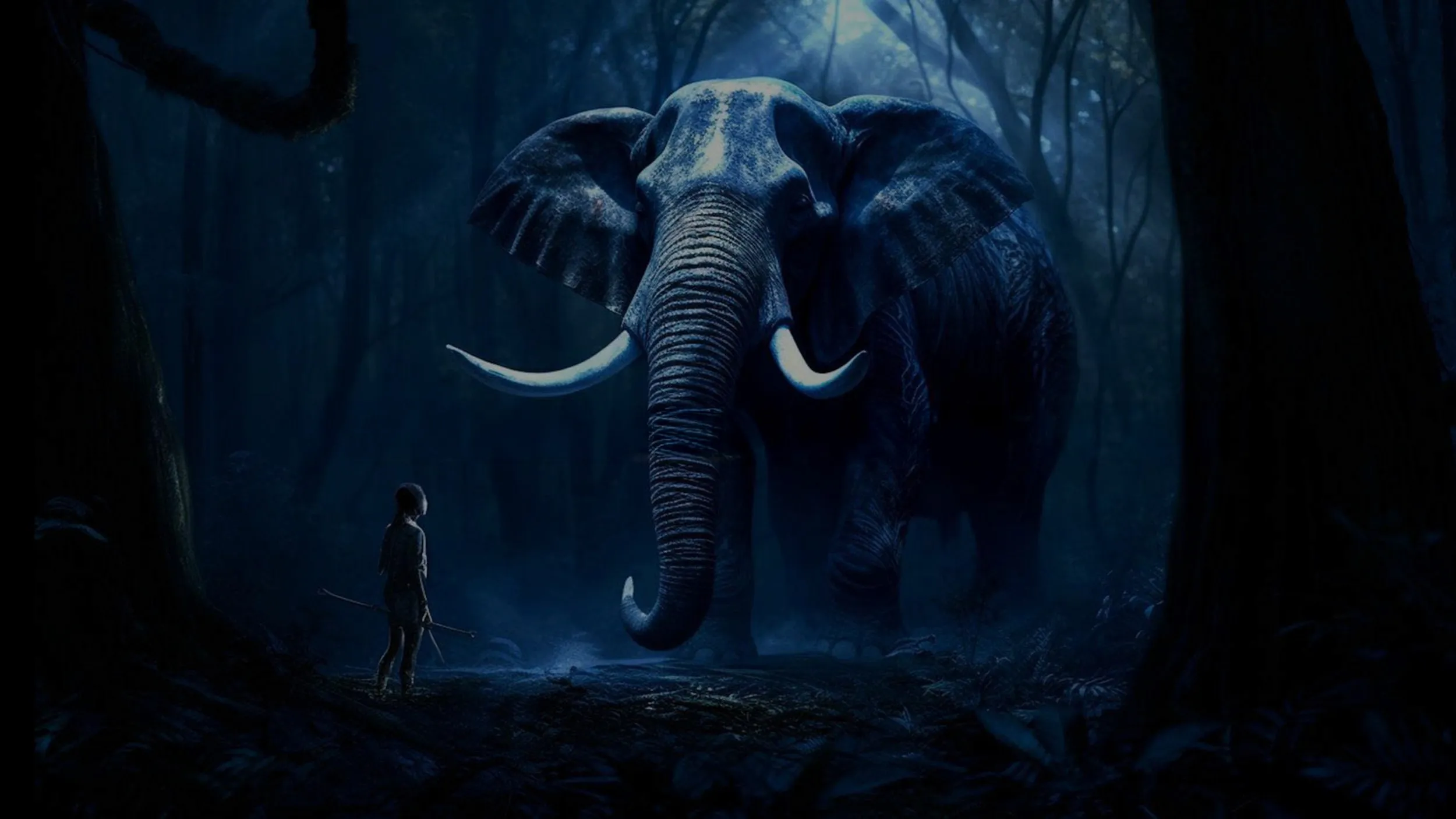

Some stories begin not with a bang, but with a quiet, persistent obsession. Werner Herzog’s Ghost Elephants is one such story. It follows South African conservationist Dr. Steve Boyes on a mission into the Angolan highlands to find a mythical subspecies of giant elephants.
His quest is fueled by the legend of “Henry,” the largest elephant ever recorded, whose taxidermied form now stands in the Smithsonian. Boyes is convinced Henry’s descendants still roam a vast, remote plateau, and he is determined to find them. This setup is perfect for director Werner Herzog, a filmmaker long fascinated by driven individuals who chase impossible dreams at the edges of the world.
He immediately establishes a tone that departs from typical nature documentaries. This film is a philosophical exploration of the search itself. The act of seeking is the narrative, and what might be found is almost secondary to the profound human need to look for it. The emotional landscape of the expedition becomes the true territory the film explores.
An Expedition of Two Minds
The film is anchored by the dynamic between its two central figures. Dr. Boyes is the quintessential Herzog protagonist, a man of science possessed by a poet’s dream, recalling other figures in the director’s work who seek communion with a nature that is both beautiful and hostile. He has a boyish enthusiasm that is tempered by a deep existential curiosity.
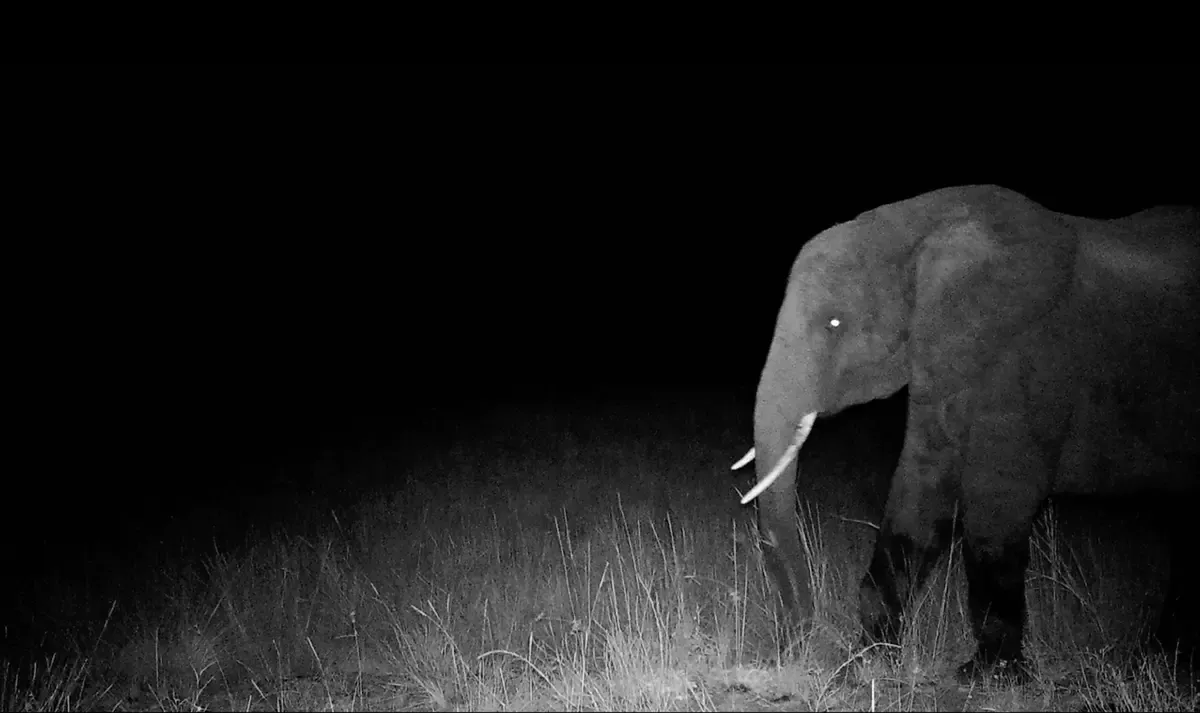
At one point he muses, “I have spent my life living in a dream that I’ve never had,” a line that perfectly captures his complex motivation. Then there is Herzog, who is much more than a documentarian here. He is a participant, a narrator, and a philosophical guide whose presence is felt in every frame.
His distinct, German-accented narration provides a layer of commentary that mixes romantic hyperbole with dark pessimism and even moments of self-awareness, as when he cautions himself against his own tendency to romanticize a simple life.
His off-screen questions are not simple inquiries; they are narrative prompts. By comparing Boyes’s hunt to Ahab’s search for the white whale, he reframes the scientific expedition as a mythic quest. This transforms their relationship into a complex partnership. Boyes is the subject, but Herzog’s gentle interrogation pushes him, and the audience, to consider the deeper meaning of the journey.
The Beauty of the Detour
A lesser film would have focused narrowly on the search for the elephants, manufacturing suspense at every turn. Herzog, however, understands that the most meaningful parts of any quest are often the detours. Ghost Elephants has a structure that values wandering, and these digressions contain its most powerful moments.
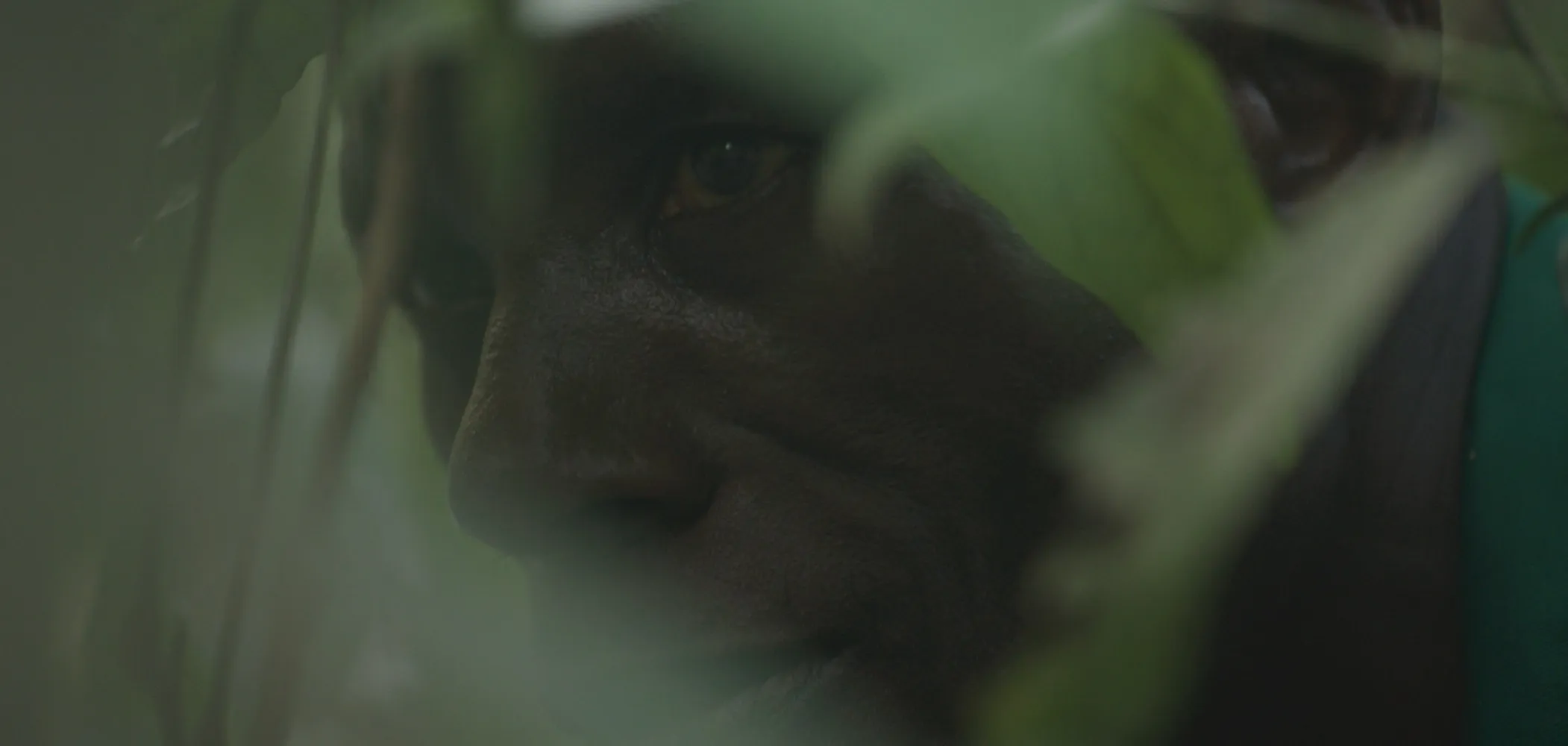
A significant portion of the film is dedicated to the San bushmen of Namibia, who are enlisted as trackers for the expedition. Herzog’s camera lingers on them, observing their ancient skills with deep respect. We see them “read tracks like a newspaper” and perform astonishing physical mimics of the animals they hunt, becoming an antelope in its final moments.
These scenes are captivating, and they also function as a valuable cultural archive, preserving on film the clicks of a language and the traditions of a people at risk of disappearing. Other vignettes are given equal importance. A scene where a tribal elder spends his day patiently repairing a small stringed instrument while chickens mill around his feet becomes a small meditation on patience and contentment.
An unexpected encounter with a poisonous spider sends the director into a state of doom-laden glee. These are not side quests; they are the main story, demonstrating the film’s commitment to capturing the richness of the entire experience over a simple narrative of pursuit.
An Unresolved Chord
The film’s power is cemented by its carefully designed sensory experience. The cinematography presents the Angolan highlands as a place of breathtaking, misty beauty, an almost prehistoric landscape. Striking slow-motion shots of elephants moving gracefully underwater feel like glimpses into another world, a secret and silent kingdom.
This potent imagery is paired with a haunting and unconventional soundtrack featuring a Sardinian male choir. The musical choice is unexpected, yet it perfectly complements the film’s mythic, otherworldly quality, creating a unique emotional resonance. This aesthetic of reverence for nature stands in sharp contrast to the brutal history of big-game hunting, which the film addresses directly through the story of Henry’s death and archival footage of similar slaughters.
This creates a palpable tension between humanity’s capacity for destruction and its potential for wonder. The ending offers no simple resolution. The search remains unfinished, the mystery unsolved. This lack of a dramatic climax is a deliberate and effective narrative choice. It denies the audience easy satisfaction, instead leaving them to contemplate the value of the journey itself. Ghost Elephants is a poetic work that suggests the most profound discoveries are made along the path, not at its destination.
Ghost Elephants is a documentary that premiered on August 27, 2025, at the Venice Film Festival. Directed by Werner Herzog, the film follows conservation biologist Dr. Steve Boyes on his expedition in the jungles of Angola in search of a mysterious herd of “ghost elephants”. The documentary is associated with National Geographic. As of late August 2025, it has been showcased at the Venice Film Festival, and wider distribution and streaming options on platforms like MUBI and Plex are likely to follow.
Full Credits
Director: Werner Herzog
Writers: Werner Herzog
Producers and Executive Producers: Ariel Leon Isacovitch, Terrence Battle, Ralf Berchtold, Emerson Farrell, Veronica Ferres, Casey Graf, Brian Nugent, David Sze, Andrew Trapani
Cast: Werner Herzog, Dr. Steve Boyes
Director of Photography: Rafael Leyva, Eric Averdung
Editors: Marco Capalbo, Johann Vorster
Composer: Ernst Reijseger
The Review
Ghost Elephants
Ghost Elephants is less a documentary about finding mythical creatures and more a quiet meditation on the human need to search for them. Werner Herzog uses the central quest as a canvas to explore remote cultures and the complex relationship between humanity and the natural world. Its patient pacing and unresolved ending will not satisfy everyone. For those willing to join its philosophical expedition, the film offers a profound and beautifully rendered experience about the value of the journey itself.
PROS
- A philosophically deep exploration of obsession and the unknown.
- Beautiful cinematography of the Angolan highlands and striking underwater sequences.
- Offers a valuable and respectful portrait of the San bushmen.
- The dynamic between the director and his subject provides a unique narrative layer.
CONS
- The meditative, slow pacing may feel sluggish to some viewers.
- Its ambiguous ending could be unsatisfying for those seeking a clear resolution.
- The main quest is often secondary to the film's many digressions.







