





















![Kingdom Hearts Collection [I-III] Review](https://gazettely.com/wp-content/uploads/2026/10/Kingdom-Hearts-Collection-I-III-1-360x180.webp "Kingdom Hearts Collection [I-III] Review: KHII Holds Steady as Newer Entries Fluctuate 37")



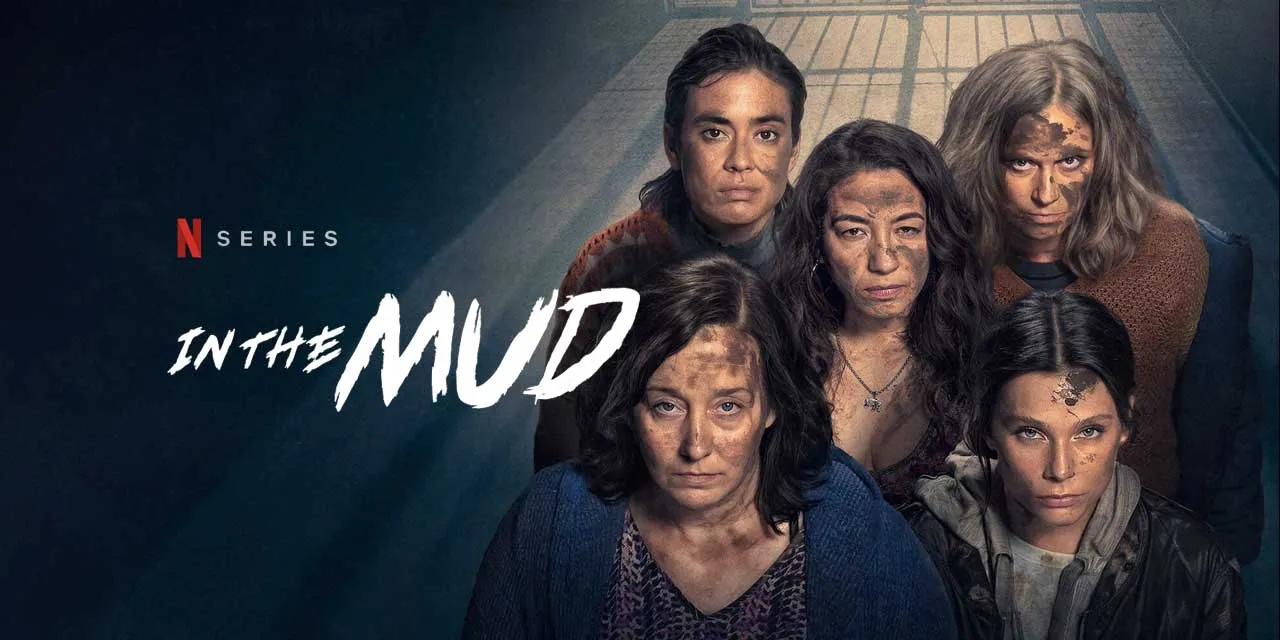

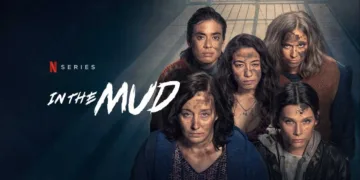
The Argentinian thriller In the Mud begins with a baptism by near-drowning. A prison transport van carrying several female inmates is ambushed, run off the road, and plunged into a muddy river. While one prisoner is sprung free by her associates, the rest are left to die in a sinking metal cage.
From this chaos, five women emerge, gasping for air and coated in grime. This violent incident creates an immediate, unspoken pact between the survivors as they are finally delivered to their destination: the La Quebrada penitentiary.
Their shared trauma becomes the fragile foundation for their story. Within the prison’s walls, these women must confront a brutal ecosystem where alliances are currency and survival is a zero-sum game. The show wastes no time establishing its unforgiving atmosphere, presenting a world where hope is a dangerous liability.
A Kingdom of Rot
La Quebrada is less a correctional facility and more a failed state in miniature, a perfect reflection of institutional decay. The series uses this setting to construct a powerful allegory for the ways power operates in collapsed systems.
Power here is not monolithic; it is fractured and fought over by competing interests that demonstrate different, yet equally corrosive, forms of social control. Maria, an inmate of long standing, represents the old guard. Her authority is built on a foundation of fear, history, and established hierarchies. She embodies a traditional, almost feudal, form of power that is being challenged by new forces.
Her quest for revenge against the survivors for her niece’s death during the ambush is personal, yet it serves a structural purpose: to violently reassert her dominance and punish any disruption to the established order. She is a gatekeeper of the old ways, even if those ways are steeped in brutality.
In sharp contrast is La Zurda, a grimly modern entrepreneur who runs a porn production studio from her cell block, complete with wifi and smartphones. She represents a predatory, neoliberal form of power that has infiltrated the prison. Her authority is not based on legacy but on commerce.
She has identified a market and exploits the bodies of her fellow inmates to service it, creating a micro-economy within the larger oppressive structure. La Zurda embodies a chilling critique of late-stage capitalism, showing how even in the most marginalized communities, the logic of profit and exploitation can replicate itself. Her enterprise offers a perverse kind of agency to the women who participate, a choice that is circumscribed by desperation.
Hovering above them all, and perhaps the most insidious, is the prison director, Cecilia Moranzón. She proves the state itself is the most corrupt actor. While Maria and La Zurda operate within the inmate population, Cecilia wields the power of the institution.
Her side business of trafficking the inmates’ babies for illegal adoption is a horrifying indictment of the system she represents. It reveals a state that does not merely contain or punish but actively preys upon the vulnerable people in its care. She turns motherhood, a source of profound connection, into a commodity.
The physical environment of La Quebrada mirrors this moral rot. The crumbling walls, the claustrophobic corridors, and the constant surveillance create an atmosphere of psychological suffocation, a place where official rules are a meaningless facade and the unwritten codes of survival are absolute.
Fractured Sisterhoods
The series uses the five survivors to explore the complex dynamics of solidarity under extreme duress. Their shared emergence from the muddy river suggests a potential for a powerful, unified front against the horrors of La Quebrada.
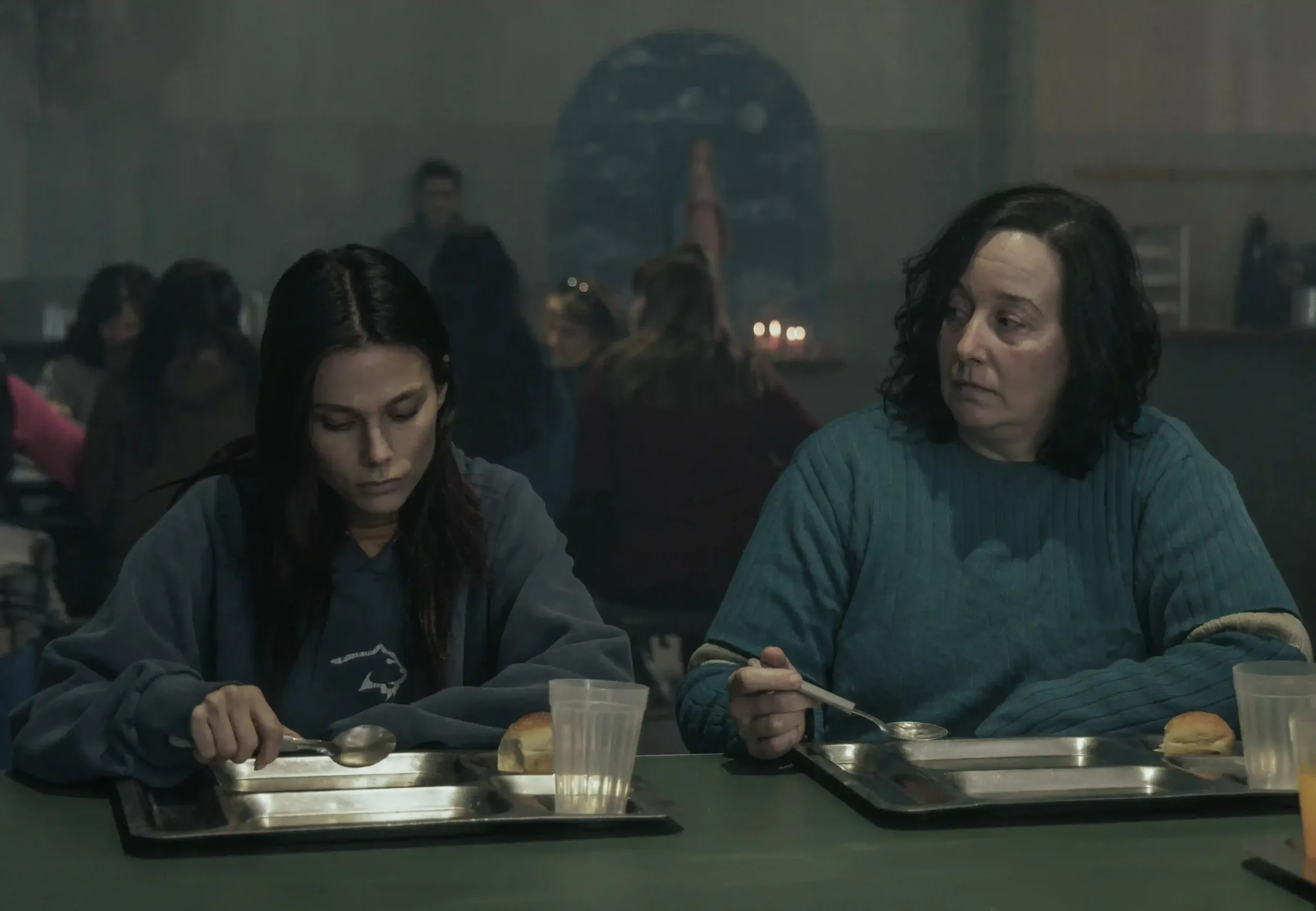
This “sisterhood” is the show’s central emotional experiment. Gladys “La Borges” Guerra, linked to a notorious crime family, quickly becomes the group’s reluctant center of gravity. Her external reputation precedes her, granting her an immediate, if unwanted, status inside. Her character arc is a fascinating study in the negotiation of power.
She begins as a wary protector, using her influence to shield the others, but the prison’s unforgiving logic forces her to evolve. She sheds her passivity and transforms into a calculating player in the prison’s power games, ultimately challenging the established order in a bid for control. Her journey questions whether one can dismantle a corrupt system using its own brutal tools without becoming corrupted in the process.
The show meticulously charts the erosion of the group’s bond. The initial unity forged in trauma proves fragile against the constant pressure of individual survival. Marina’s story becomes a painful examination of exploitation and agency.
Drawn into La Zurda’s porn enterprise, she is exploited by the system, by La Zurda, and by her own toxic connections to the outside world. Her arc resists simple categorization as victimhood. It instead explores the difficult, compromised choices women make when their options are systematically stripped away. She wrestles with her own complicity, making her a deeply conflicted and resonant figure.
Yael’s narrative provides another thematic layer, focusing on motherhood within this impossible environment. Confined to the prison’s “Families” section, she is surrounded by the illusion of domesticity amidst the chaos. Her story culminates in a heartbreaking choice regarding her daughter’s future, a decision that speaks to the state’s ultimate power over women’s bodies and family bonds.
She must decide whether keeping her child with her in a toxic world is better than surrendering her to a life of privilege, but one where her identity and heritage might be erased. Olga and Solita, while less central, serve as important barometers for the group’s cohesion, their differing reactions to La Zurda’s influence highlighting the various ways individuals capitulate or resist. The show ultimately presents a cynical view of solidarity, suggesting that systemic oppression is exceptionally effective at turning its victims against one another.
The Brutality Economy
In the Mud operates at a frantic, almost breathless pace, a stylistic choice that mirrors the constant state of crisis its characters endure. This narrative velocity is a hallmark of many global streaming hits, designed to command viewer attention and discourage channel-surfing in a crowded media landscape.
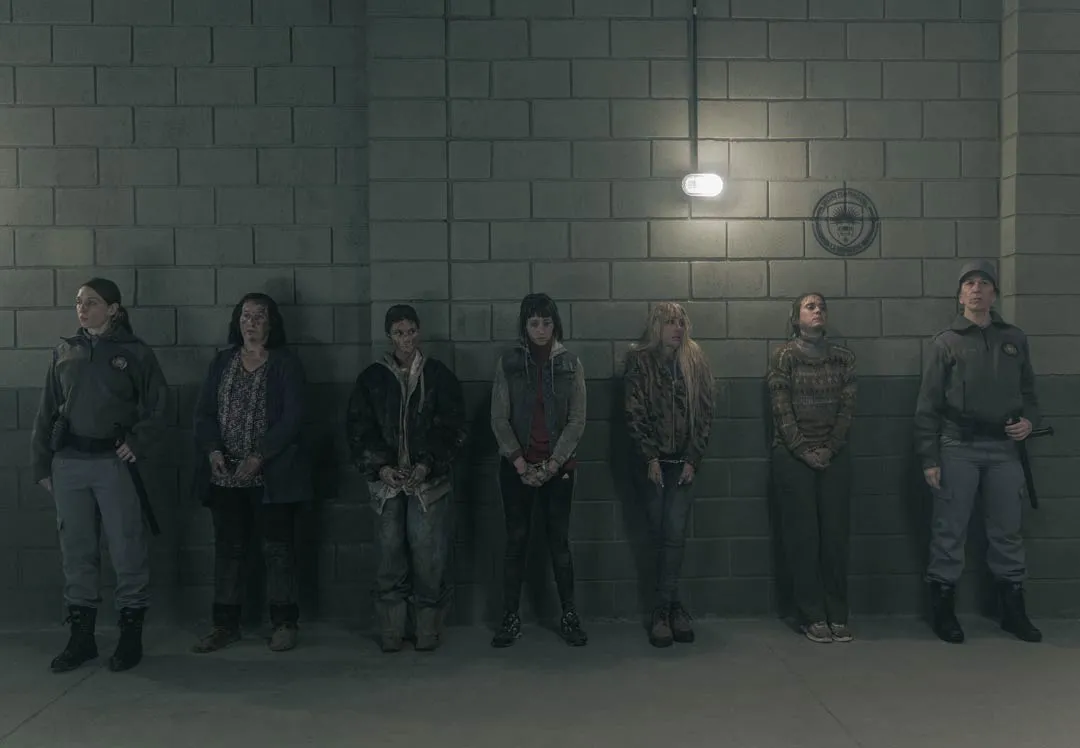
The aesthetic is one of relentless brutality, offering few moments of reprieve for its characters or the audience. This commitment to a grim tone forces a critical conversation about the streaming era’s appetite for “prestige” television that often equates darkness with depth.
The series is saturated with explicit violence and sex, prompting an analysis of its narrative function. Is this a necessary, authentic depiction of a lawless and exploitative environment, or does it tip into a form of sensationalism, a spectacle of suffering packaged for international consumption?
At times, the show’s unflinching gaze feels vital. It refuses to sanitize the physical and sexual violence that defines life for many incarcerated women, challenging viewers to confront uncomfortable realities. At other moments, the sheer volume of graphic content can feel overwhelming, threatening to numb the audience and detract from the human stories at the core of the drama.
The show’s storytelling could be accused of withholding empathy from its characters to maintain its bleak aesthetic, a common critique of this television genre. By keeping the viewer at a slight emotional distance, it risks turning its characters into symbols of suffering rather than fully realized individuals. Still, the performances are uniformly strong and prevent the characters from becoming mere archetypes.
Lorena Vega’s portrayal of La Zurda is a specific highlight. She captures a woman who is both a victim and a perpetrator of the prison’s predatory economy, a survivor who has learned to thrive by adopting the methods of her oppressors. The entire ensemble cast successfully conveys the raw desperation and fleeting moments of humanity that define life inside La Quebrada.
“In the Mud” is an Argentinian TV series that premiered in 2025. It is currently available for streaming on Netflix. The series has 8 episodes and is classified as a drama, crime TV show, and social issue TV drama. It’s described as gritty, action-packed, and focusing on themes of prison life and fighting the system. The primary language is Spanish (Latin America). It’s also known as “Çamurlular”.
Full Credits
Director: Sebastián Ortega
Writers: Sophia Barlow, David Catterall
Producers and Executive Producers: Underground Producciones
Cast: Ana Garibaldi, Valentina Zenere, Ana Rujas, Rita Cortese, Lorena Vega, Carolina Ramírez, Gerardo Romano, Cecilia Rossetto, Juana Molina, Erika de Sautu Riestra
The Review
In the Mud
In the Mud is a relentless and brutal thriller that succeeds in creating a suffocating world of institutional decay. While its unflinching depiction of violence and exploitation is powerful, the series sometimes prioritizes shock value over deep character empathy. Strong performances and a compelling analysis of corrupt power structures make it a demanding, yet thought-provoking watch for viewers who can stomach its grim intensity.
PROS
- A complex and layered depiction of power dynamics within a corrupt system.
- Strong, committed performances from the entire ensemble cast, especially Lorena Vega as La Zurda.
- Effectively builds a tense and immersive atmosphere of constant threat.
- Engages with serious themes of exploitation, motherhood, and the fragility of solidarity.
CONS
- The relentless pace and bleak tone can be overwhelming and emotionally draining.
- Frequent use of graphic content may feel sensationalized at times.
- The narrative occasionally withholds empathy, making it difficult to connect deeply with the characters.
- Relies on some familiar tropes of the prison drama genre.