





















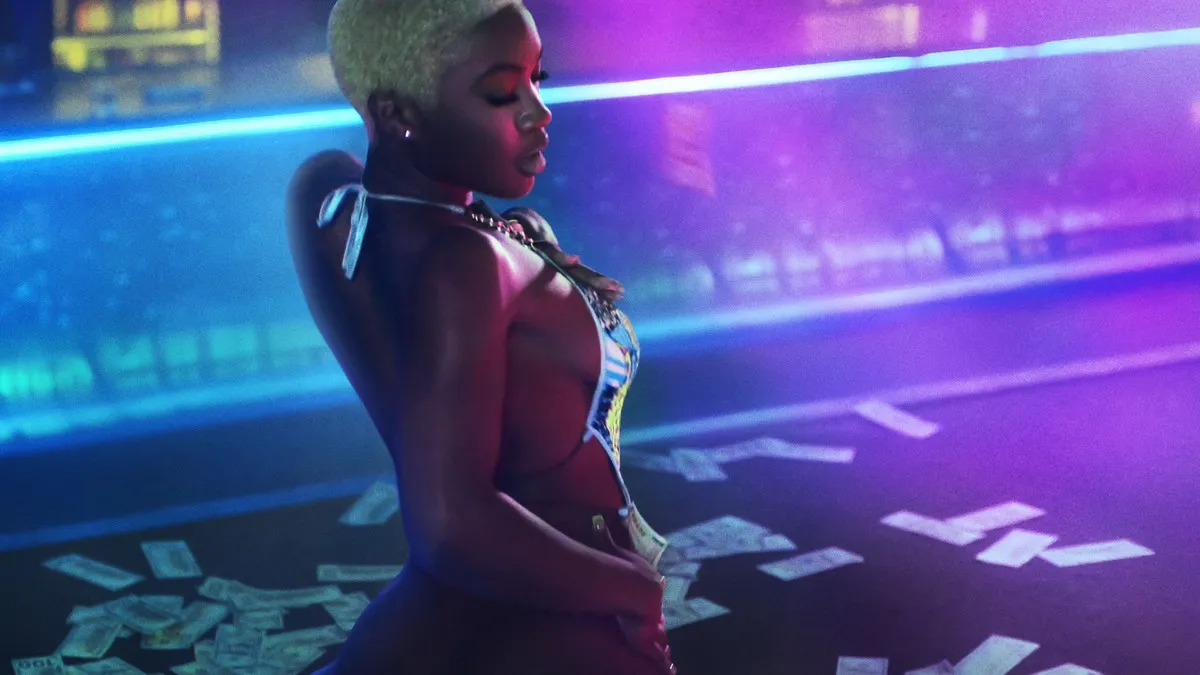

Some landmarks you can find on a map. Others you have to feel in the bass. For decades, Magic City has been the latter, an Atlanta institution whose reputation precedes it like the roar of a V8 on Forsyth Street. The new Starz docuseries, Magic City: An American Fantasy, pulls back the velvet curtain on this legendary strip club, chronicling its nearly 40-year reign.
The series argues that this was never just a club; it was a cultural engine room for hip-hop, a clubhouse for sports royalty, and an unlikely political stage. At its center is the founder, Michael “Mr. Magic” Barney, the shrewd architect of a world built on flesh, fantasy, and the almighty dollar. The series promises a look at the grit beneath the glitter, a story inseparable from Atlanta itself.
Forged in the A
The docuseries smartly frames its narrative as a parallel history, a structural choice that gives the story its weight. As the Atlanta of the 1970s was actively being shaped into a “Black Mecca” by visionary politicians like Mayor Maynard Jackson, creating a fertile ground for Black ambition and capital, Michael Barney arrived from New Jersey. He was a man looking for an opportunity within a city defining its own.
The series uses a brisk, effective montage of archival footage—grainy film of a burgeoning skyline, photos of a vibrant Black professional class—to establish this specific sense of time and place. It’s a city crackling with potential. Barney’s decision to open a gentlemen’s club in 1985 is depicted less as a descent into the nightlife underworld and more as a calculated business move, a shrewd identification of an underserved market.
His insistence on quality, a recurring theme in early interviews, set his establishment apart. He wasn’t just opening a strip club; he was curating an experience, a premium brand in a world often associated with the cheap and the disposable.
But An American Fantasy avoids the trap of simple hagiography, and its narrative pacing accelerates when confronting the darker chapters. The storytelling rightly identifies that the legend of Magic City is built as much on its survival as its success. Barney’s seven-year prison sentence for a cocaine charge is not a footnote; it’s a pivotal plot point that creates a power vacuum and tests the foundations of his creation.
The docuseries presents this period with a stark shift in tone, moving from the triumphant origin story to a grittier survival tale. It stitches together court documents, news clippings, and candid recollections from his family, who were left to hold the enterprise together. This section is a masterclass in documentary structure, showing how an external crisis can reshape an entire ecosystem.
The devastating arson that nearly wiped the club off the map is another key beat, presented as a trial by fire that both nearly destroyed the business and ultimately forged its mythology. It is through these sequences that we see a man building a fantasy while fighting off very real nightmares, making the club’s persistence feel less like a given and more like a hard-won victory.
The Booth, The Bench, The Backroom
A club has achieved a different state of being when Shaquille O’Neal can casually recount taking the call for his monumental $121 million Lakers contract from within its walls. It has become infrastructure. The docuseries excels in this second act, widening its aperture from Barney’s personal saga to the club’s sprawling cultural impact. The editing skillfully mirrors the chaotic energy of the club’s peak years, rapidly cutting between interviews with a Mount Rushmore of Southern hip-hop.
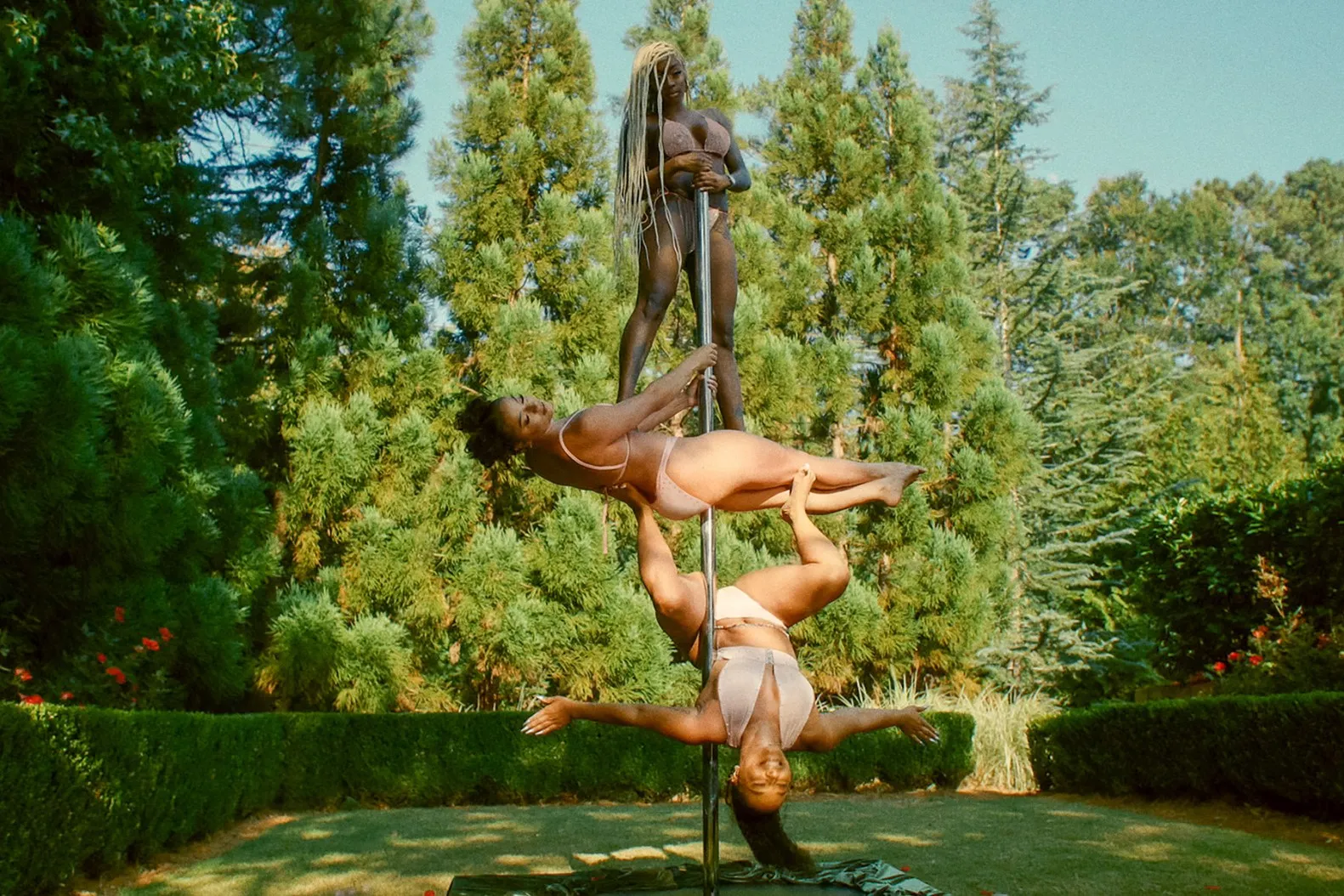
Titans like T.I., 2 Chainz, and Big Boi don’t just offer generic praise; they break down the club’s function as an indispensable industry incubator. The DJ booth at Magic City, the series argues, was the most important focus group in American music.
It was a raw, immediate democracy of sound. If a track could move that crowd, it was a certified hit. This was where the careers of artists like Outkast, Migos, and Future were stress-tested and amplified, a real-world validation that no record label executive could manufacture.
The celebrity talking heads are deployed with purpose. They aren’t just there for star power; they serve as primary-source historians for a culture that was often undocumented by the mainstream. Their anecdotes are vivid, painting a picture of a sanctuary and a creative laboratory.
This reverence is then masterfully juxtaposed with the heavier, more dangerous presence of the Black Mafia Family. The arrival of the BMF is presented as a crucial turning point, the moment when the club’s status and its risks grew exponentially.
The docuseries portrays this relationship as a complex bargain. The BMF’s patronage turned Magic City into a de facto bank and a symbol of untouchable power, with staggering amounts of cash flowing through its doors nightly.
Yet, this infusion of narco-wealth brought intense federal scrutiny, casting a long shadow over the entire operation. The series intelligently frames this era as the club’s most glamorous and most precarious, a high-wire act where its legendary status was being forged in the same fire that threatened to consume it.
The Real Power Players
A story about a strip club is almost always told from the perspective of the men who own it or the men who patronize it. An American Fantasy corrects this imbalance with deliberate force, and in doing so, delivers its most insightful material. The final act of the series belongs to the dancers.
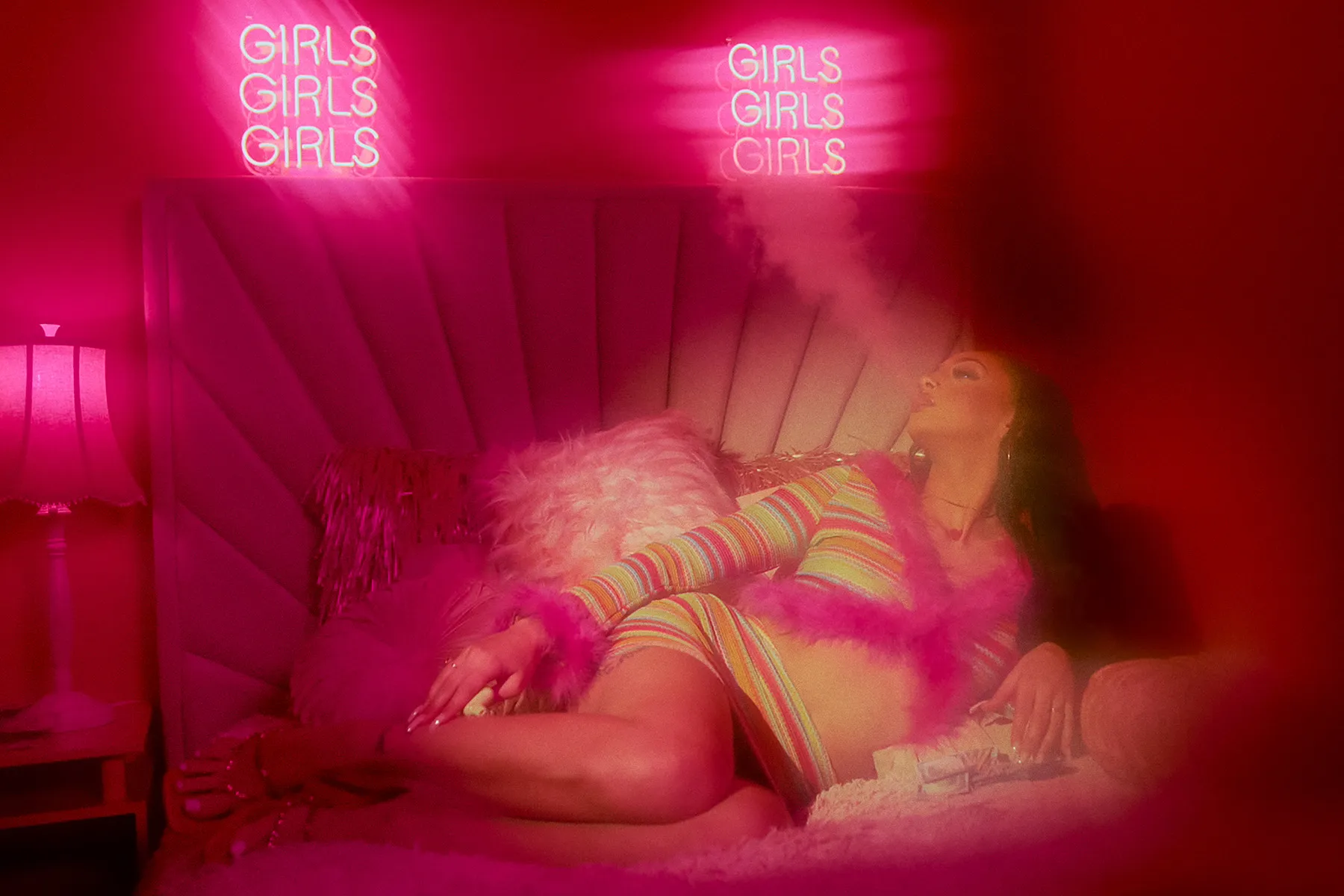
The direction makes a critical choice to frame these women not as objects of the fantasy, but as its authors, entrepreneurs, and athletes. The camera captures their interviews with a quiet intimacy, allowing them to command their own narratives.
We hear from legends of different eras—the confident and funny Strawberry and Platinum from the early years, the formidable Whyte Chocolate from the BMF era—and through their collective testimony, the series builds a rich, nuanced portrait of their profession.
They speak with unvarnished clarity about the immense financial independence the job provided, a path to security and entrepreneurship that was often unavailable elsewhere. This empowerment is unflinchingly presented alongside the constant threat of exploitation and physical danger.
This section is a brilliant piece of cultural documentation, charting the evolution of the art form itself. Through the dancers’ stories, we see the craft of stripping transform from the sultry, fantasy-based performances of the 1980s and 90s to the staggering, gravity-defying acrobatics required today. It is a physical and artistic evolution that mirrors broader trends in music and culture, and the series gives it the serious consideration it deserves.
By centering these voices, the show reveals the women of Magic City to be its most clear-eyed observers. They understood the mechanics of the fantasy, the economics of desire, and the realities of power better than anyone.
They were the engine, the product, and the uncredited producers of the entire spectacle. Their testimony becomes the show’s most vital current, leaving one to wonder if the “American Fantasy” of the title refers to the club or the profound resilience required to build a life within it.
“Magic City: An American Fantasy” is a five-part docuseries that delves into the history and cultural impact of the famous Atlanta strip club, Magic City. The series was created by Cole Brown and directed by Charles Todd. It premiered at SXSW in March 2024 and was later acquired by Starz, where it premiered on August 15, 2025. You can watch “Magic City: An American Fantasy” on Starz, either directly or as an add-on through other streaming services like Philo or DirecTV. New episodes are released weekly on Fridays.
Full Credits
Director: Charles Todd
Writers: Cole Brown
Producers and Executive Producers: Cole Brown, Drake, Jermaine Dupri, Jami Gertz, Bayan Joonam, Devin Amar, Alex Kaplan, Ashley Brooke, Marlowe Blue
Cast: Michael “Mr. Magic” Barney, 2 Chainz, Nelly, Shaquille O’Neal, Quavo, Killer Mike, Big Boi, T.I.
Director of Photography (Cinematographer): Reagan Frazier, Trevor P. May, Imani Nikyah
Editors: Eva Dubovoy
Composer: Lucas Ellman
The Review
Magic City: An American Fantasy
An energetic and surprisingly profound chronicle, Magic City: An American Fantasy succeeds by treating its subject not as a spectacle but as a vital cultural institution. The docuseries skillfully charts the intersection of music, money, and power that defined a generation in Atlanta. Its most commendable achievement is centering the powerful, nuanced perspectives of the dancers, making it a compelling and essential piece of American cultural history.
PROS
- Provides deep cultural context, effectively linking the club’s history to the rise of Atlanta and the Southern hip-hop scene.
- Offers a nuanced and empowering portrayal of the dancers, giving them agency and a platform to share their own stories.
- Features a strong narrative structure that balances the founder's personal journey with the club's wider social and economic impact.
- Makes excellent use of archival footage and high-profile interviews to create a rich, authentic narrative.
CONS
- The use of stylized reenactments may not appeal to all viewers.
- The focus on Atlanta's specific culture might feel niche to audiences unfamiliar with the city's history.
- Short episode lengths could leave some viewers wanting more depth on certain topics.