



























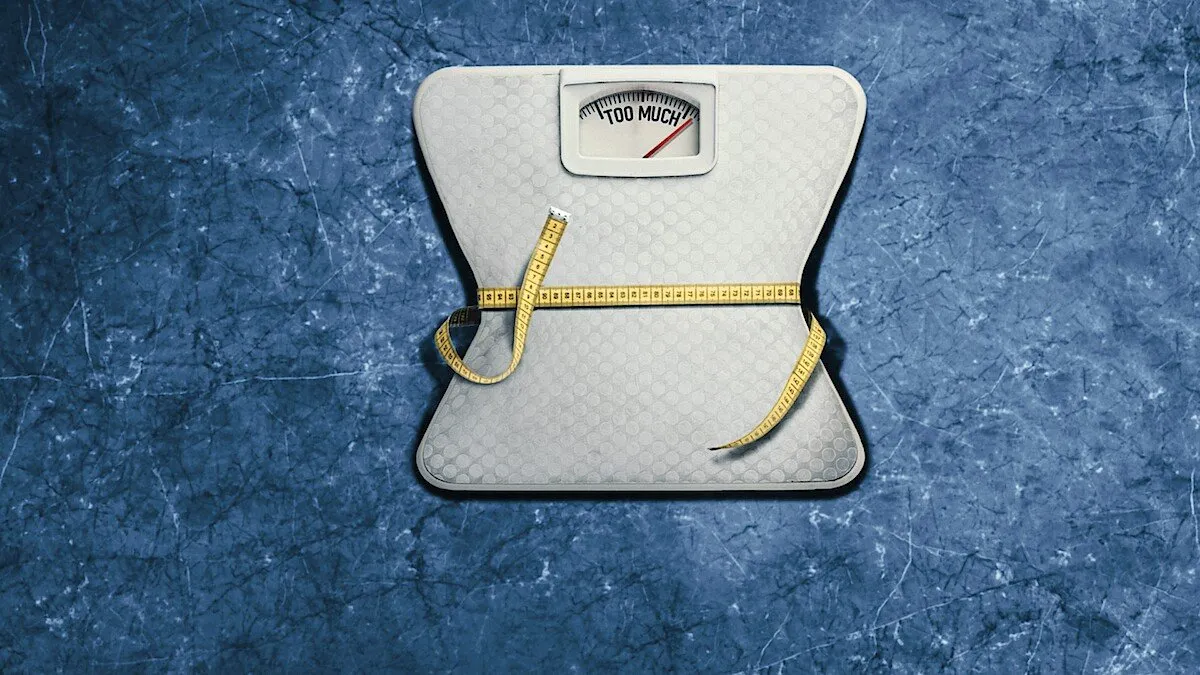

I remember the 2000s reality TV boom well. It felt like every other channel was promising a life-changing transformation, and The Biggest Loser was the undisputed heavyweight champion of the genre. It was a cultural fixture, an event built on the very American promise of reinvention, presented as an inspiring spectacle of triumph over adversity.
Millions, including me, tuned in to see people achieve what seemed impossible. The new documentary Fit for TV pulls back the curtain on that phenomenon. Through a collection of interviews with the contestants, producers, and trainers who lived it, this three-part series re-examines the show’s legacy.
It methodically peels away the layers of inspiration to expose the severe methods and lasting consequences that were carefully edited out of the original broadcast. The documentary’s purpose is clear: to investigate the dark reality that powered the feel-good hit.
The Body as a Battlefield
The documentary’s power comes from the raw testimony of its former contestants, and its narrative structure wisely puts their experiences front and center. We first meet Danny Cahill, a winner who shed an incredible 239 pounds. The camera frames him not in a triumphant “after” shot, but as he is today, having regained the weight.
This deliberate choice by the filmmakers immediately punctures the show’s foundational myth of permanent change and sets a somber, investigative tone. His story isn’t just about weight; it’s about the psychological whiplash of being celebrated as a national success story and then feeling like a private failure when the unsustainable methods inevitably failed him.
The stories grow progressively more harrowing, creating a rhythm of escalating shock. Ryan Benson, the winner of the very first season, recounts the immense pressure to deliver a successful result for the untested format. He admits he stopped eating entirely for ten days before the final weigh-in.
The documentary allows him the space to explain the distorted logic of that moment, where the competition’s cash prize and the promise of a new life had completely eclipsed the original goal of health.
When he reveals that doctors found blood in his urine, it serves as a literal, biological cry of distress from a body pushed far past any reasonable limit. The filmmakers pair this testimony with archival footage of his victory, creating a jarring contrast between the cheering crowd and the brutal, invisible reality of his physical state.
This was not an isolated incident. The experience of Tracey Yukich is presented as a terrifying case study in production negligence. We see the original broadcast footage of her collapsing during a one-mile run challenge, an event framed at the time as a moment of dramatic struggle. The documentary reframes it as near-fatal medical emergency.
Tracey explains that her organs were shutting down as she was airlifted to a hospital, a detail that transforms a dramatic television moment into a scene of genuine horror. The on-set atmosphere, as described by multiple contestants, was a carefully engineered environment of cruelty.
The documentary uses quick cuts of trainers Bob Harper and Jillian Michaels screaming directly into the faces of contestants, their verbal abuse amplified by the sound design. These are not motivational speeches; they are tirades of humiliation. The challenges themselves are shown to be exercises in degradation, like one sequence where participants had to move mounds of high-calorie junk food using only their mouths, a spectacle seemingly designed to mock their struggles.
The production team’s objective was clear: push contestants until they vomited, fainted, or broke down for the cameras, because tears and collapse were the currency of “good” reality TV. There was no plan for what came next. In perhaps the most damning institutional critique, the documentary reveals the complete lack of aftercare.
The producers, in their own interviews, admit to this without apology. The contestants were sent back to their lives with permanently damaged metabolisms and profound psychological scars, left to deal with the fallout of a system that celebrated their breakdown but refused to help them rebuild.
Architects of the Spectacle
Fit for TV shifts its lens from the traumatized participants to the people in the control room, exploring the justifications of those who crafted the competition. This section is a fascinating, if unsettling, study of the ethics of manufacturing reality, and it reveals a chilling detachment among the show’s creators. Producers Dave Broome and JD Roth are surprisingly frank on camera.
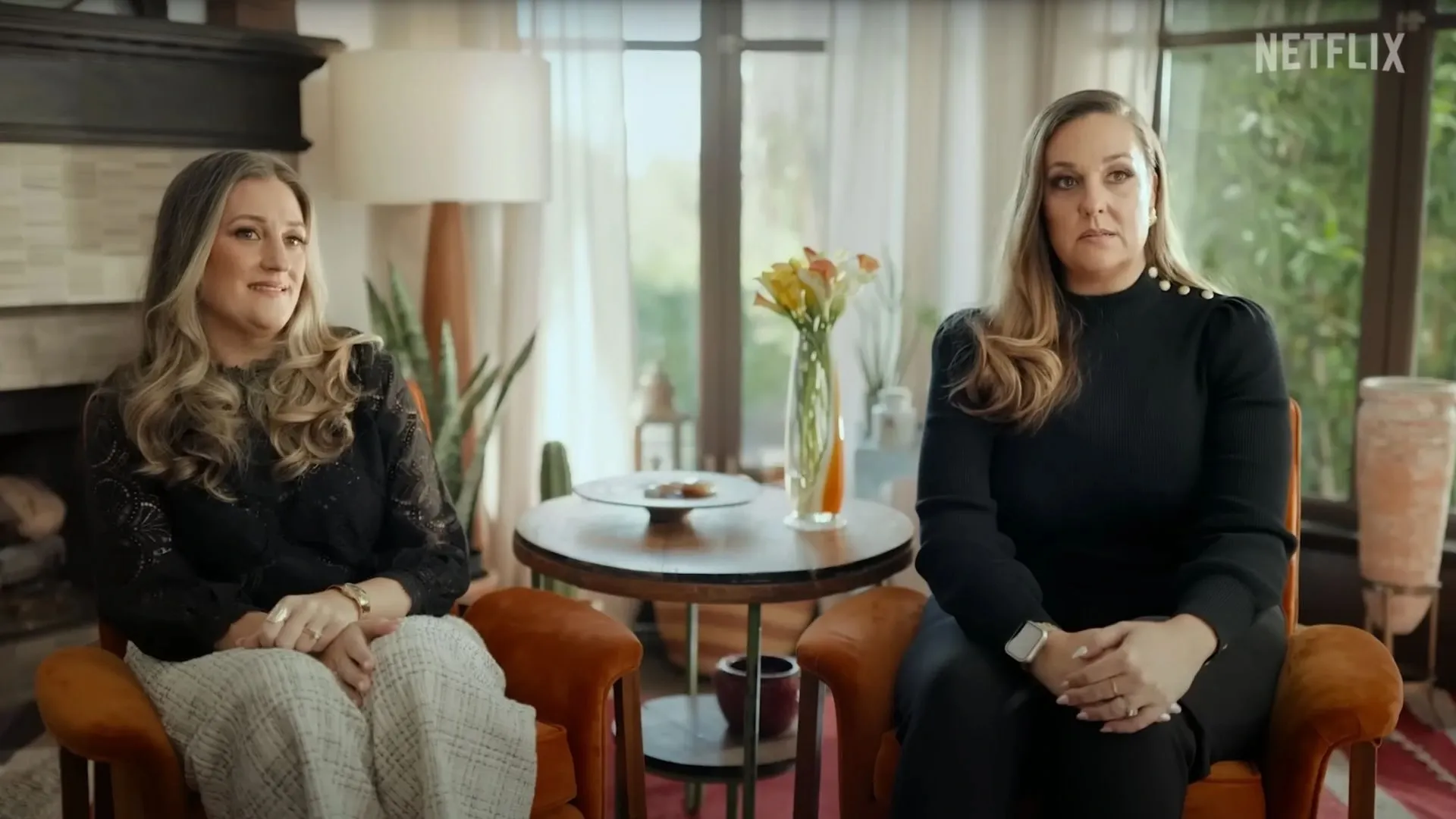
Their interviews are shot in a clean, corporate style that contrasts sharply with the gritty, emotional footage of the contestants. They admit they specifically sought “overweight and unhappy” people, a casting strategy that targeted emotional vulnerability from the outset.
Their confession that “the scale was our main character” is a moment of profound clarity. It reframes the entire show not as a program about human beings, but as a narrative about a fluctuating number. The people were merely vehicles for the plot.
Trainer Bob Harper appears on camera with a smug, almost defiant confidence, defending his work while inadvertently delivering the documentary’s most damning indictment. The filmmakers allow his interview to play out at length, giving him enough rope to hang himself with his own words.
He delivers the key admission with a shrug: while “everyone knows it’s diet” that leads to sustainable weight loss, that would make for “boring television.” The screaming, the grueling workouts, and the emotional distress were simply better for ratings.
His perspective reveals the cynical calculation at the heart of the show’s design: authentic health is quiet and slow, but suffering is a spectacle. The documentary subtly underscores his lack of remorse through tight shots that capture his dismissive smiles and unbothered posture. Tellingly, the show’s other iconic trainer, Jillian Michaels, did not participate in the documentary.
The filmmakers note her absence, which allows other interviewees to position her as a primary villain. This becomes a narrative choice within the documentary itself, highlighting how easy it is to assign blame to an absent party while those who do appear on camera can attempt to control their own narrative.
The sole voice of professional conflict seems to be Dr. Robert Huizenga, the show’s medical advisor. The filmmakers present him as a classic conflicted figure, a man caught between his medical oath and his contractual obligations. He is shot in softer light, appearing thoughtful and weighed down by guilt.
He recounts his frequent disagreements with the trainers’ extreme methods and claims he often threatened to quit. However, his presence also raises uncomfortable questions about complicity. He remained with the show for its entire run, lending it a veneer of medical legitimacy even as he privately harbored concerns.
His inclusion complicates the documentary’s moral landscape, showing that the line between enabling and protesting was blurry for everyone involved. He represents the internal tension of the whole enterprise: the constant, and ultimately losing, battle between responsible care and the relentless demand for spectacle.
An Unfinished Autopsy
For all the powerful stories it gathers from its subjects, the documentary stumbles in its own storytelling, particularly in its final act. Its structure often feels frantic, jumping between shocking anecdotes without weaving them into a larger, cohesive argument against the systems that produced the show.
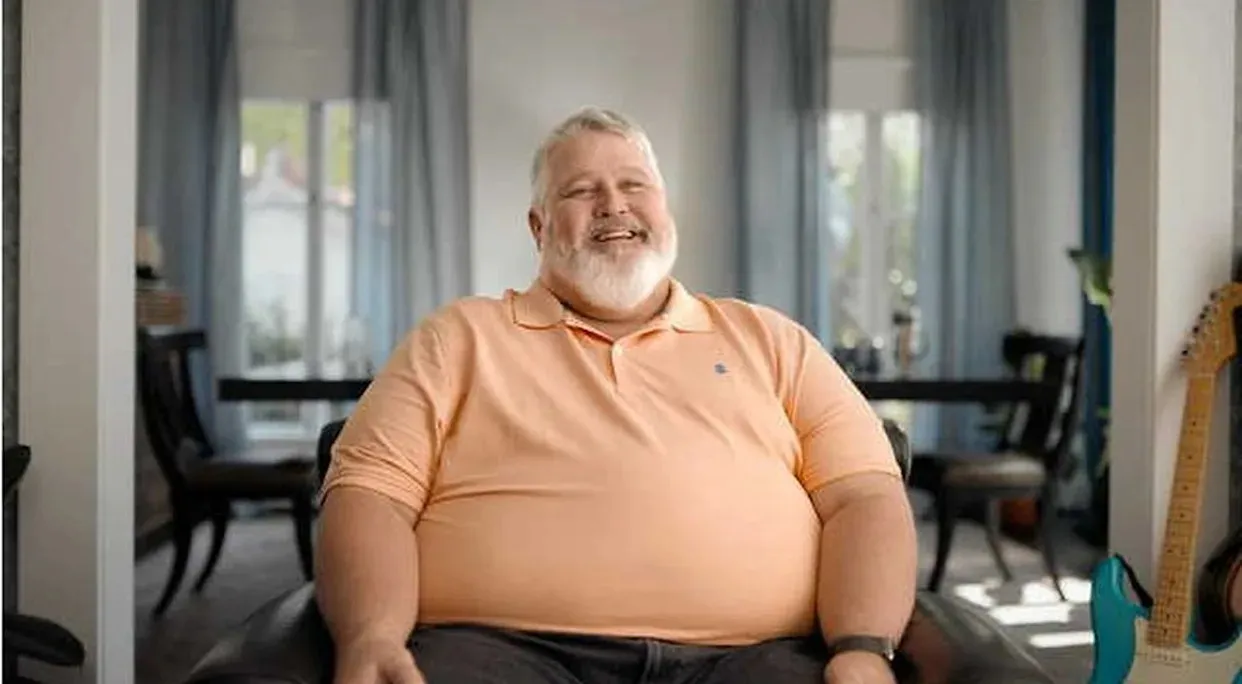
The editing, full of quick cuts and dramatic music, sometimes mirrors the hyper-stylized energy of a Biggest Loser workout. While this keeps the pacing brisk, it prevents a deeper, more thoughtful analysis from taking root.
The series presents a mountain of evidence but seems uncertain how to arrange it into a definitive judgment, leaving the viewer with a sense of moral outrage but little intellectual clarity. It excels at showing what happened, but it is less successful at explaining the cultural and economic forces that allowed it to happen.
The film’s most significant and disappointing failure is its handling of the science that should have been its knockout blow. It introduces a critical National Institute of Health (NIH) study, a landmark piece of research that followed former contestants for years. The study scientifically proved that the show’s extreme regimen caused lasting metabolic damage, making long-term weight maintenance almost impossible.
This was the objective evidence needed to condemn the show’s methods as not just unsustainable but physically destructive. It was the moment to shift the blame from the individuals to the institution. Astonishingly, the documentary then brings in a physician, who is not an expert in metabolic research, to cast doubt on the findings.
He dismisses the research as a “small study” from which we cannot draw “broad conclusions.” This baffling narrative choice effectively neutralizes the documentary’s most powerful weapon. It’s a moment of journalistic malpractice that feels like a betrayal of the contestants whose stories the film has just spent hours telling.
By weakening the scientific evidence, Fit for TV inadvertently lets the system off the hook. It leaves the door open for viewers to fall back on the same toxic narrative The Biggest Loser itself promoted: that the contestants’ subsequent weight regain was a personal failure of willpower.
It’s a frustrating conclusion for a documentary that comes so close to greatness. I’ve seen this pattern in other modern exposé documentaries; they gather the witnesses and unearth the crimes but hesitate to act as the prosecutor. Instead of delivering a final, damning verdict on the exploitative nature of the diet industry and the cynical machinery of reality television, the film pulls its final punch. It ends up as a powerful and essential cautionary tale, but one that misses its chance to be a definitive cultural autopsy.
“Fit for TV: The Reality of the Biggest Loser” is a documentary series that premiered on August 15, 2025. The documentary explores the realities of the show The Biggest Loser, featuring interviews with former contestants and producers who reveal the experiences behind its success. The series delves into the intense and potentially damaging aspects of the show’s approach to weight loss. You can currently stream it on Netflix.
Full Credits
Director: Skye Borgman
Producers and Executive Producers: Lana Barkin, Andrew Fried, Michael Gasparro, Jordan Wynn
Cast: Ryan Benson, Danny Cahill, Joelle Gwynn, Bob Harper, Robert Huizenga, Suzanne Mendonca, Alison Sweeney, Tracey Yukich
The Review
Fit for TV: The Reality of the Biggest Loser
Fit for TV is essential viewing for its powerful and disturbing collection of contestant stories, which effectively expose the cruelty behind the original show. However, as a documentary, it is a frustratingly flawed piece of filmmaking. Its frantic structure and baffling decision to undermine its own scientific evidence prevent it from delivering the definitive cultural critique it promises. It successfully captures the trauma of the individuals but fails to fully prosecute the system that exploited them, leaving its most important work unfinished.
PROS
- Features raw and impactful testimony from former contestants.
- Clearly exposes the dangerous and humiliating methods used on The Biggest Loser.
- Includes revealing interviews with producers and trainers that highlight their cynical motivations.
- Effectively communicates the severe lack of aftercare and long-term support for participants.
CONS
- The narrative structure feels unfocused and lacks a strong, cohesive argument.
- Fails to adequately connect the show's problems to the broader diet industry and media culture.
- Critically undermines its most crucial piece of scientific evidence, weakening its overall thesis.
- Feels incomplete as an investigation, pulling its punches in the final act.