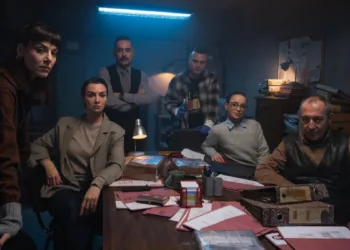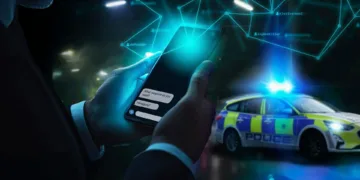









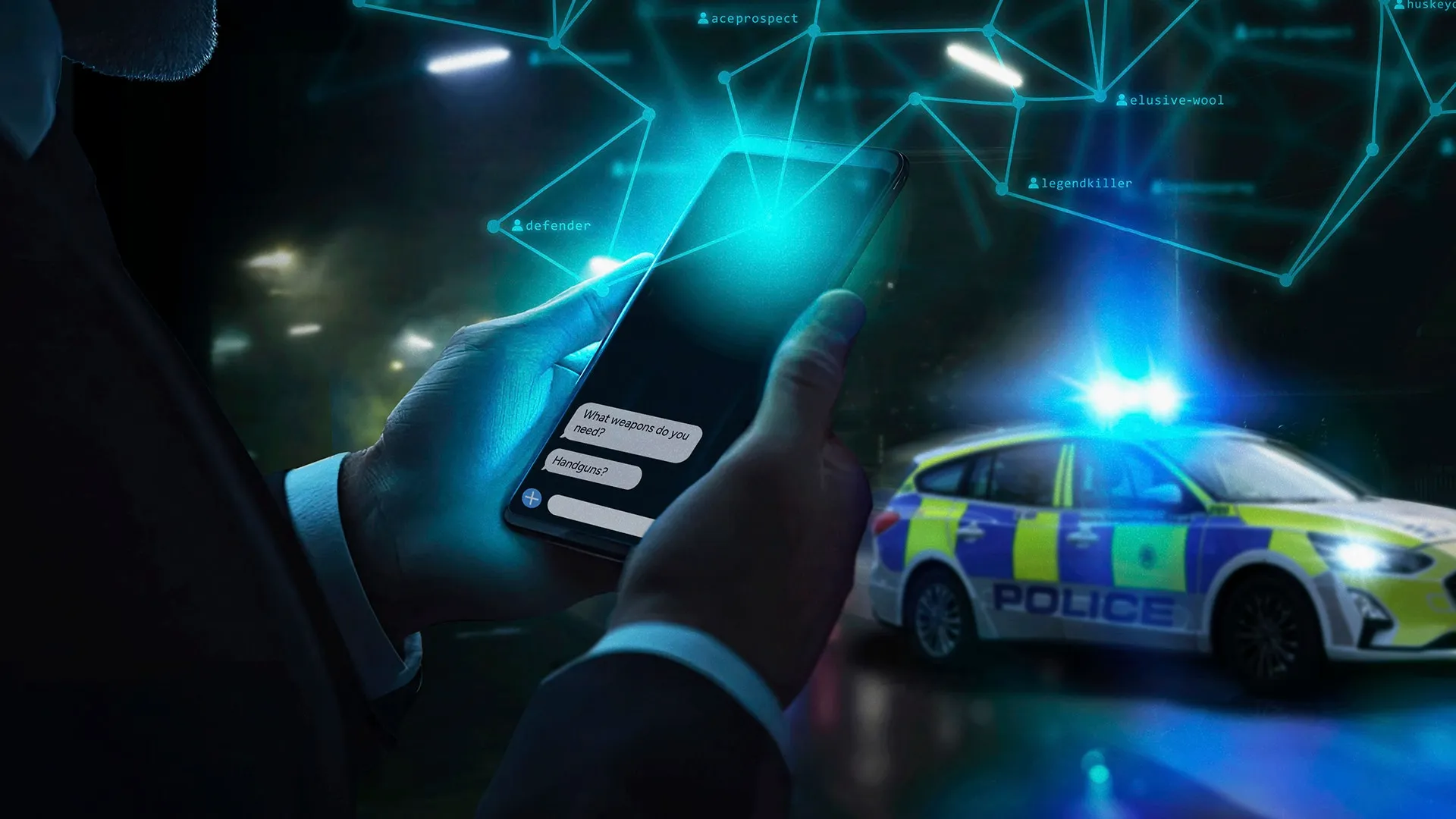

There are layers to our digital world that remain intentionally unseen, operating in encrypted channels far from public view. Operation Dark Phone: Murder by Text pulls back the curtain on one such space: EncroChat, a communications service that functioned as a secret, invitation-only social network for the criminal elite.
It offered its users a promise of absolute anonymity, a digital fortress from which they could orchestrate vast drug shipments, arms deals, and murder plots with perceived impunity. This four-part documentary series chronicles the unprecedented international police operation that found a crack in that fortress.
For 74 days, law enforcement agencies were silent observers inside this underworld, watching in real time as a torrent of unfiltered criminal consciousness streamed onto their screens. The show sets its hook not with what the police did, but with the terrifying reality of what they found.
The Influencer-Kingpin Paradox
The series presents a fascinating and deeply unsettling portrait of the 21st-century criminal, an archetype shaped less by cinematic mob bosses and more by the aspirational aesthetics of social media culture. These are not figures who lurk in the shadows; they are products of an age of personal branding.
They inhabit sterile, greige penthouses in Dubai, obsessively curating their images with shirtless gym selfies, pictures of their weirdly healthy breakfasts, and videos of their LED tooth-whitening kits. The comparison to a reality TV contestant is unavoidable and intentional; this is criminality filtered through a lens of vapid self-promotion.
This obsession with documentation is set against the cold-blooded text messages orchestrating horrific violence with the casualness of ordering food. The linguistic dissonance is jarring. One moment, a fearsome gang leader is texting “making brekkie,” the next he is arranging an acid attack.
Also Read




This bizarre performance of masculinity continues with their chosen codenames. Men orchestrating multi-million-pound drug deals and ordering hits on rivals adopt juvenile handles like “Ball Sniffer” and “Top Shag.” It points to a profound lack of self-awareness, a mindset steeped in boastful immaturity that is completely at odds with the severity of their actions.
Ultimately, their profound narcissism becomes their undoing. In a moment of supreme irony, a key figure is identified because he could not resist sending a selfie to a group chat. His ego, conditioned by a culture of oversharing, proved to be the fatal flaw in his own encrypted armor.
The Digital Dragnet
Shifting focus to the investigators, the documentary reveals the sheer scale of Operation Venetic, the UK’s response to the EncroChat breach. For the National Crime Agency (NCA), gaining access was like suddenly turning a bright light on in a pitch-black room.
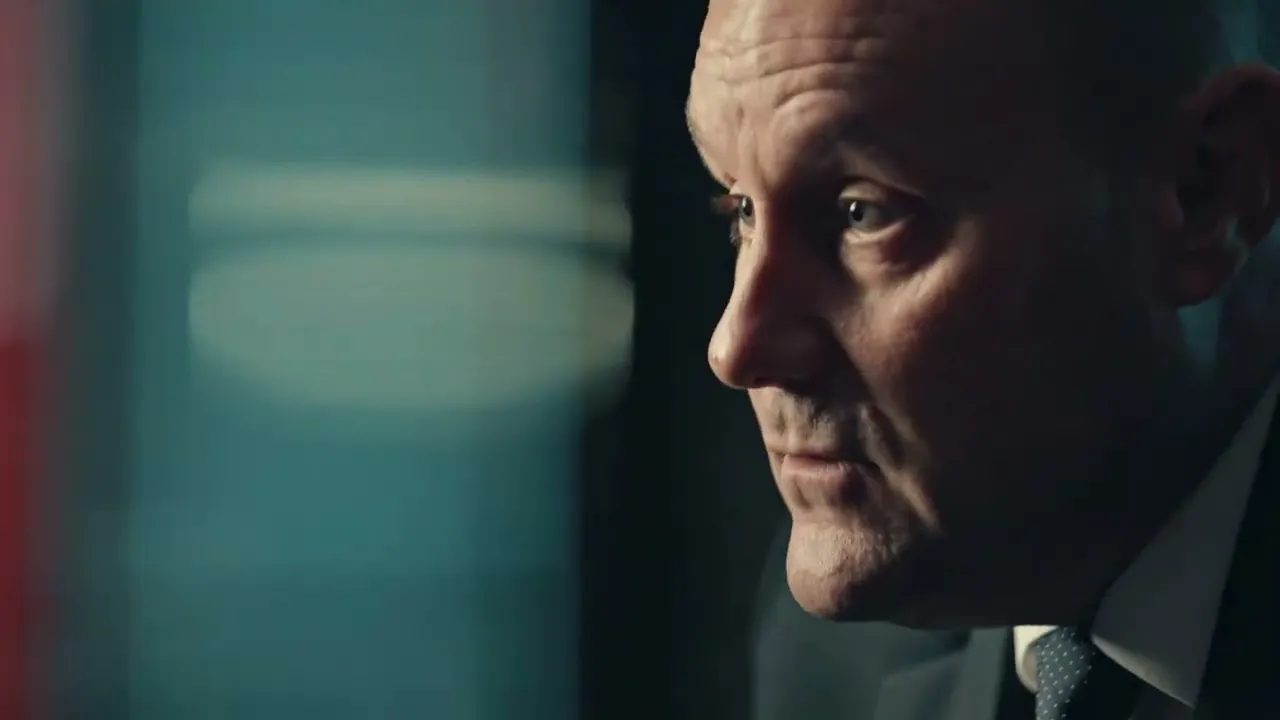
The breakthrough came from a clever piece of spyware developed in France, disguised as a software update sent to every device on the network. The operational challenges were immense. The NCA had just 15 days to prepare a nationwide response during the initial COVID-19 lockdown, a frantic effort to build a system capable of processing the coming flood of data. For the officers involved, the initial feeling was like being a “child in a sweet shop,” followed by the overwhelming weight of what they were seeing.
A critical tension drives the narrative: the intelligence arrived with a 24 to 48-hour delay. This turned the investigators into unwilling historians of crimes already in progress, forcing them into a desperate race to connect the dots and intervene before plots could materialize.
The meticulous forensic work required was staggering. Detectives analyzed cloud patterns and the orientation of the sun in photos to pinpoint locations and even zoomed in on reflections to find fingerprints. The stakes were life and death.
While they successfully located and disarmed a hand grenade left in a suburban garden, they were too late to prevent a shooting in Warrington, a case of mistaken identity born from the garbled communications they were trying to decipher. The sheer volume of information was stunning, with agents uncovering over 150 threats to life in the first six weeks alone.
Reconstructing Criminal Reality
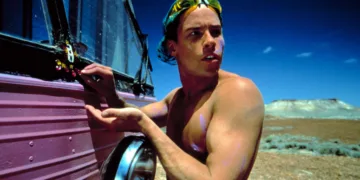
The series, from the makers of the acclaimed fly-on-the-wall documentary 24 Hours in Police Custody, makes a significant and debatable stylistic choice in its use of dramatized reconstructions. These scenes, showing a swaggering, tattooed gangster moving through his luxurious apartment, aim to give a face to the anonymous text messages scrolling across the screen.
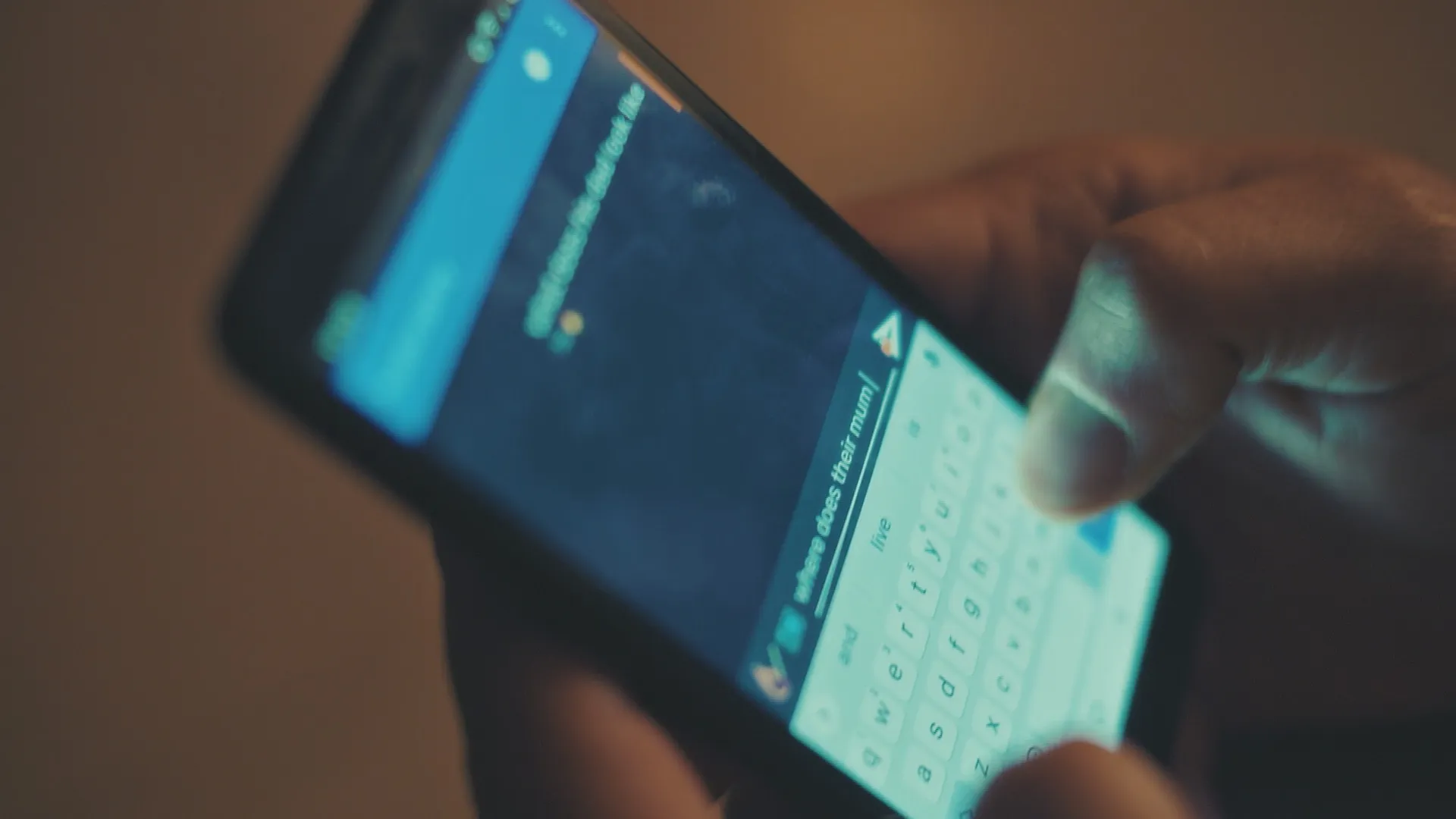
This approach has a divided effect. It makes the abstract threat of the messages feel tangible, giving form to the men behind the handles. At the same time, it verges on glamorizing their lifestyle. When a criminal is depicted enjoying sushi and acupuncture in a serene Asian hideaway, the line between documentation and romanticization becomes blurry. This “millennial-friendly” packaging feels like a concession to the tropes of streaming-era true crime, potentially compromising the story’s gravity for the sake of engagement.
Other production choices, like the incessant and irritating sound of keypad tones, feel heavy-handed, a constant reminder of the digital medium. The series is most successful not in these stylistic flourishes, but when it trusts the power of the raw evidence. The on-screen presence of the criminals’ actual texts grounds the narrative in brutal fact.
The show’s lasting message is a potent commentary on our current cultural moment. It suggests that in an age defined by the curated self and the relentless pursuit of validation, even the most secure criminal enterprises are vulnerable. The human need to be seen, to perform a version of oneself for an audience, appears to be the one security flaw that no amount of encryption can fix.
Operation Dark Phone: Murder by Text is a documentary series that premiered in the United Kingdom on July 27, 2025. It is available to stream on Channel 4. It was created by The Garden Productions. The series chronicles a police operation to infiltrate encrypted phone networks used by organized crime groups.
Full Credits
Director: Sophie Oliver, Luned Tonderai
Producers and Executive Producers: Zac Beattie, Nicola Brown, Sophie Campbell, Tom Colvile, Simon Ford, Alice Mcmahon Major, Sophie Oliver, Laura Palmer, Thomas Renckens, Luned Tonderai
Cast: Russell Anthony, Kenny Blyth, Chris Eastwood, Ahmed Elmusrati, Dan Gaisford, Laura Hopper, John Hoye, Miroslav Marinov, Jack Sandle, David Tag, Michael Wagner
Director of Photography (Cinematographer): Ben Fogarty, Lorenzo Levrini, Sophie Oliver, Luned Tonderai, Zeeger Verschuren
Editors: Pawel Slawek, George Taylor, Gwyn Jones
Composer: Simon Russell
The Review
Operation Dark Phone: Murder by Text
Operation Dark Phone provides an essential glimpse into the psyche of the 21st-century criminal, where digital vanity proves more fatal than any bullet. The unfiltered text messages offer a chilling, authentic core that is sometimes undermined by slick reconstructions. These stylistic choices occasionally glamorize the subjects, detracting from the raw power of the investigation itself. It’s a vital, fascinating story about crime and ego in the internet age, even if its presentation is not always as sharp as its subject matter.
PROS
- Offers unprecedented and authentic access to real criminal communications.
- Presents a fascinating psychological study of the modern, image-obsessed criminal.
- Effectively details the high-stakes challenges of digital-age law enforcement.
- The use of real text messages provides a powerful and chilling narrative foundation.
CONS
- Dramatized reconstructions risk glamorizing the criminals and their lifestyles.
- The production style can feel overly slick, sometimes undermining the story's gravity.
- Certain sound design choices, like the constant keypad tones, can be distracting.