

























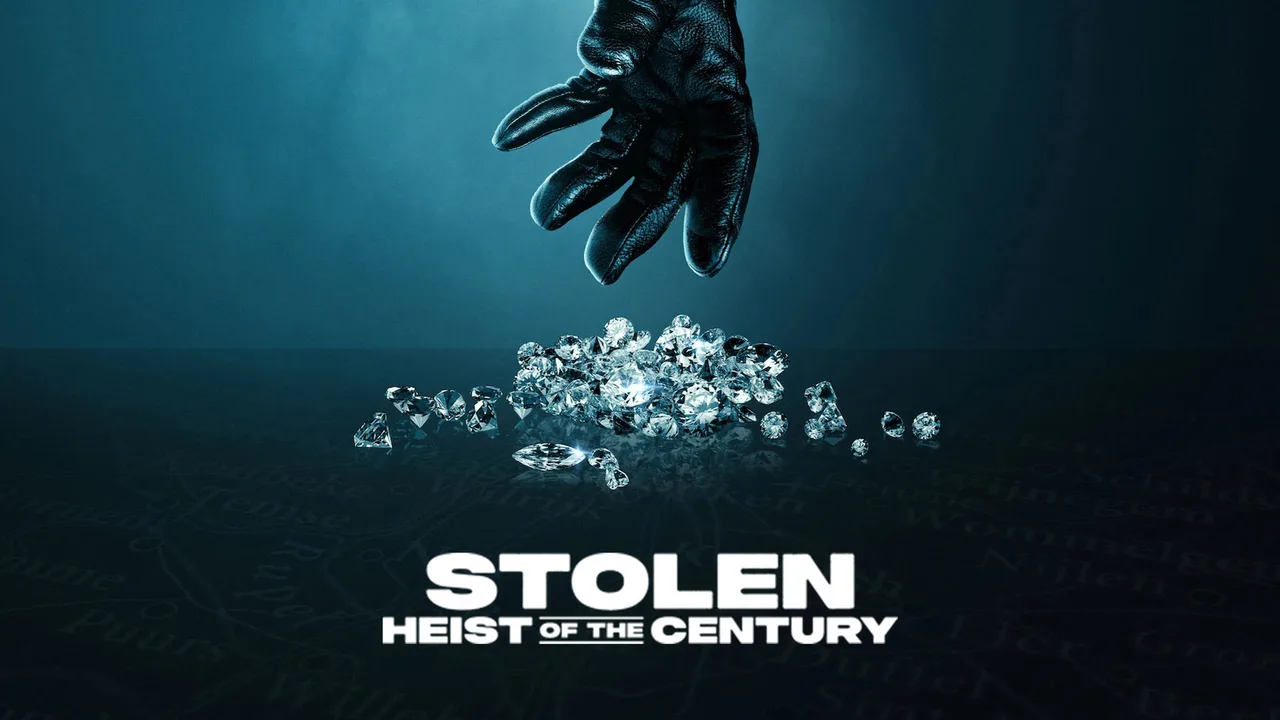

There are places built to defy human nature, fortresses of logic against the chaos of desire. The Antwerp Diamond Center was such a place, a modern sanctum designed to be absolute. Two floors below the earth, a vault waited, sealed by layers of electronic vigilance and physical steel. Infrared sensors, magnetic locks, and ceaseless cameras formed a silent perimeter around millions of dollars in sequestered light.
To breach it seemed not a crime but a violation of physical law. Stolen: Heist of the Century revisits the 2003 event when a group of men chose to treat the impossible as a technical problem. The film documents an act of profound audacity, a quiet war waged against a system of total security, leaving behind a silent, gaping vault and a mystery that still refracts the light.
The Architecture of Truth
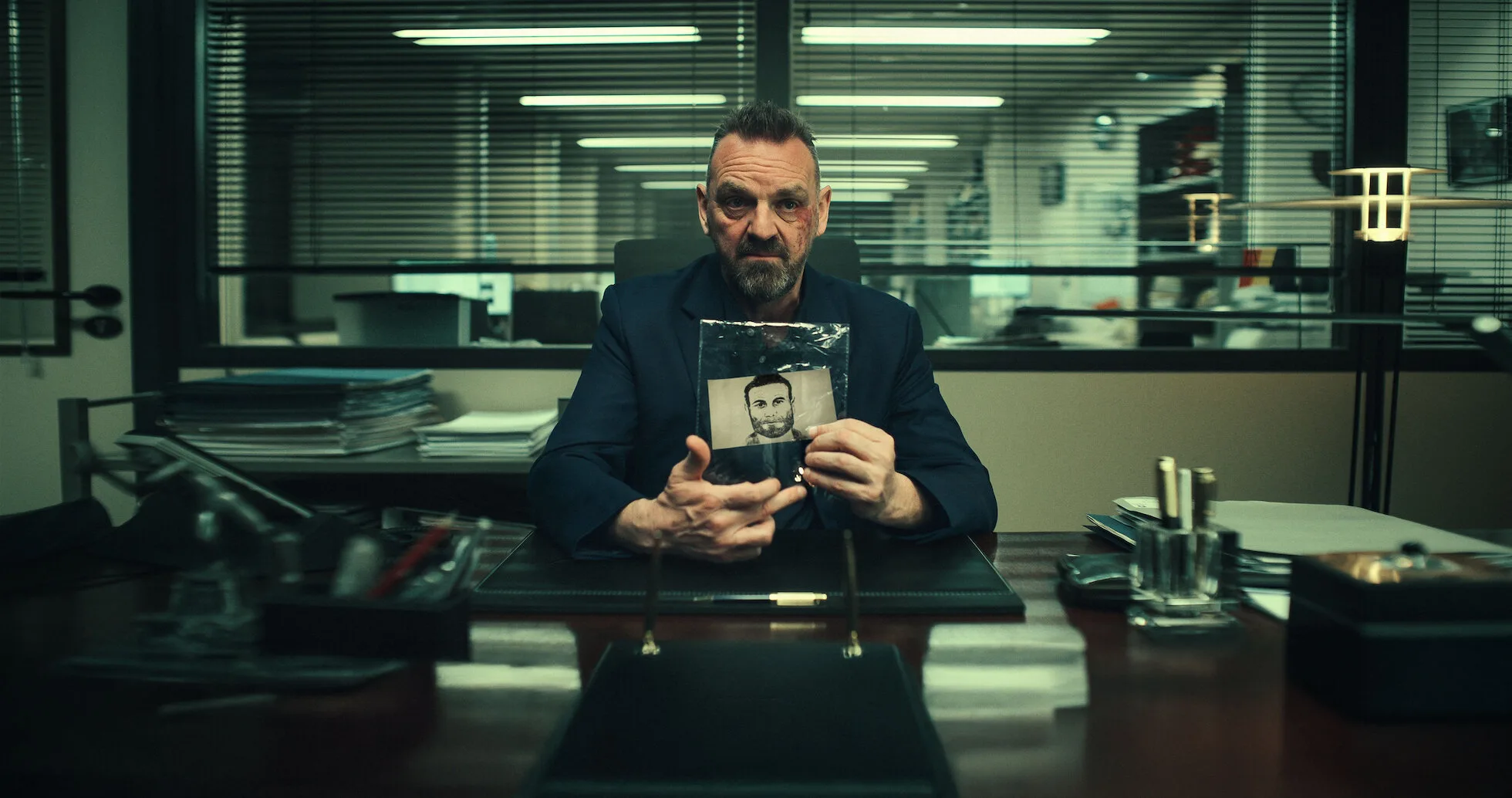
Every story of what happened is a construction, a fragile assembly of memory and motive. The film builds its reality from conflicting blueprints. We have the detectives, Agim De Bruycker and Patrick Peys, men etched with the weary pragmatism of their profession. They represent the empirical world, a reality governed by procedure, yet their accounts are tinged with an existential fatigue.
They recount the discovery with a dry, almost philosophical humor, speaking of a crime scene so clean it felt like an insult to logic. Theirs is a world of evidence, of tangible cause and effect. Then there is Leonardo Notarbartolo, the convicted thief, who sits before the camera not as a penitent but as an artist discussing his masterpiece.
His charisma is a gravitational force, pulling the narrative into his orbit. He is engaged in an act of existential self-creation, shaping his own myth against the official record. He speaks with the cool assurance of a man who has authored his legend.
The film itself seems to shrug at the notion of a single truth, flashing title cards that oscillate between “true” and “false.” It understands that in the theater of a great crime, the performance becomes its own kind of reality, leaving us to wander through the contested architecture of what truly occurred.
The Choreography of Transgression
The film rejects the dry recitation of facts for a more hypnotic language, mirroring the heist’s own challenge to mundane reality. Director Mark Lewis presents the crime with the cold elegance of a noir thriller, understanding that the heist was itself a piece of performance art. The reenactments are not clumsy approximations; they are tense, meticulous ballets of criminal intent.
We watch shadows move with purpose, disabling a sensor with a delicate spray of hair product, taping a light detector with the care of a surgeon. These silent, ritualistic sequences elevate the mechanical acts into something meditative, a deep focus required to dismantle a world. A cool, jazzy score pulses beneath the action, a rhythm of detachment that feels like a form of nihilistic grace, the sound of individuals operating beyond good and evil.
The film’s polished aesthetic is not a gloss on reality. It is a reflection of the crime’s own sophisticated design, a cinematic echo of the cold, clean precision needed to steal light from a sealed box. The documentary’s form becomes a participant in the myth making, constructing a hyperreality where the line between evidence and fantasy dissolves.
The Banal Gravity of the Fall
A plan of near cosmic perfection is ultimately betrayed by the most terrestrial of objects: a half-eaten sandwich in a garbage bag. The downfall of the thieves is a profound anticlimax, a cosmic joke that returns their celestial ambition to the dirt. It is a moment of pure absurdity, revealing the universe’s indifference to even the most elegant human designs.
It is here the film finds its most unsettling resonance. Notarbartolo was caught, yet the grand prize, the hoard of diamonds, vanished into myth. The complete story remains a ghost, a fissure in the official narrative of order. The film offers no judgment, instead extending a quiet, unnerving admiration for the plan’s beautiful architecture, making the viewer complicit in appreciating the transgression.
This moral ambiguity is the space in which one must contemplate the allure of the act itself. The missing gems function as a permanent void in the record, an absence that fuels the legend. By focusing so intently on the personal myth, the film overlooks a chance to question the larger systems of value and security that were so masterfully punctured, leaving the elegant ghost of the crime to haunt the imagination.
Full Credits
Director: Mark Lewis
Writer: Mark Lewis
Producers and Executive Producers: Sinead Casey, Dimitri Doganis, Justin Falvey, Darryl Frank, Lorenzo Gangarossa, Chiara Messineo, Scott Selby, Jonny Taylor, Abigail Watts, Michael Woodlief
Director of Photography (Cinematographer): Stefano Ferrari
Editors: Not listed in the search results
Composers: Nathan Klein, Andrew Skeet
The Review
Stolen: Heist of the Century
A stylish and intellectually seductive documentary, Stolen: Heist of the Century is less a true-crime procedural and more a meditation on mythmaking. It masterfully choreographs the crime's elegant mechanics while exploring the fragile nature of truth through its charismatic, unreliable narrator. The film admires the audacity of the plan with such cool detachment that it becomes a compelling, if morally ambiguous, portrait of transgression. It succeeds not by solving a mystery, but by appreciating its perfect, unsettling design.
PROS
- Exceptionally well-shot with sleek, tense reenactments that feel more like a thriller than a documentary.
- The juxtaposition of the detectives' accounts with the thief's charismatic storytelling creates a fascinating, multi-layered narrative.
- Successfully explores themes of truth, memory, and the construction of myth.
- The jazzy, cool soundtrack perfectly complements the film's noir aesthetic.
CONS
- Its admiring tone for the criminals' ingenuity may not resonate with all viewers.
- The focus remains tightly on the heist itself, with little exploration of the wider aftermath or impact on the diamond industry.
- While engaging, the narrative is heavily dominated by the convicted thief's potentially self-serving account.