

























![Kingdom Hearts Collection [I-III] Review](https://gazettely.com/wp-content/uploads/2026/10/Kingdom-Hearts-Collection-I-III-1-360x180.webp "Kingdom Hearts Collection [I-III] Review: KHII Holds Steady as Newer Entries Fluctuate 37")



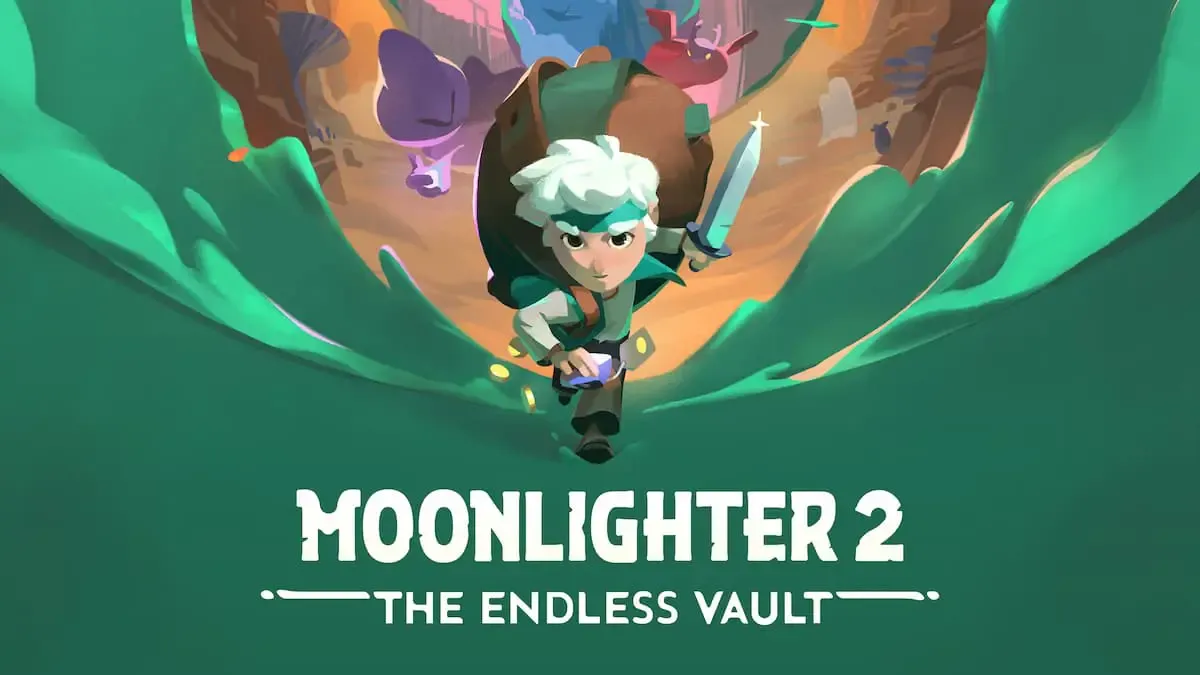

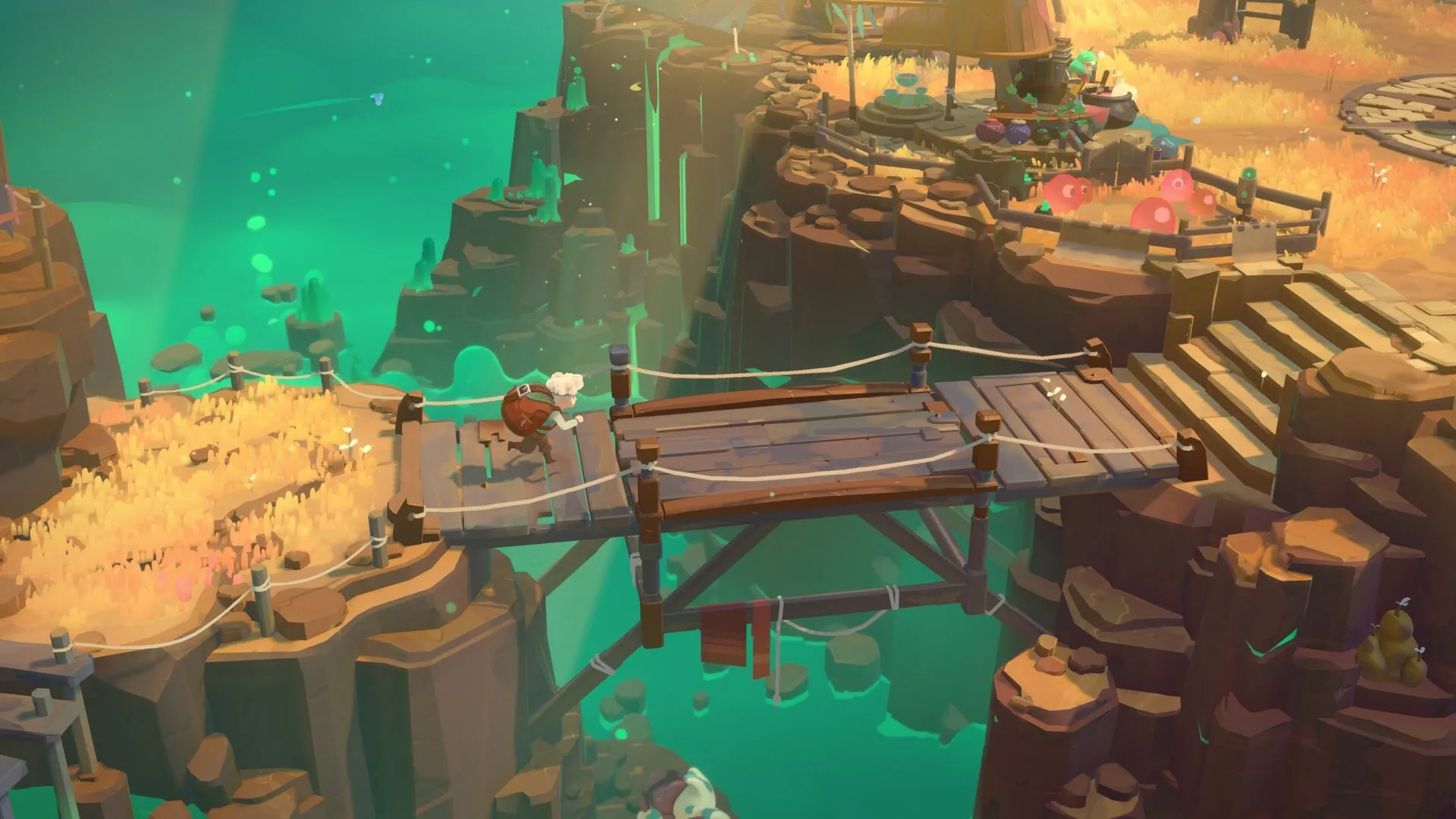
Will stands in the wreckage of a broken legacy, leaving the familiar cobblestones of Rynoka for the windswept, alien coast of Tresna. The change in setting carries a change in language: the game steps out of the nostalgic frame of 2D pixel art and into a sprawling 3D isometric space with painterly texture and depth. Tresna feels physically larger, and that scale tracks with the pressure on Will’s shoulders as a provider and a survivor.
The Endless Vault anchors this new chapter, a mysterious, sentient cube that governs the village’s prospects through grueling trials. Each day stays locked to the same friction point: quiet shop labor set against dungeon uncertainty. You raid realms that reject ordinary logic for relics, then return to a settlement that lives or starves based on what you bring back. As an Early Access project, it reads like a strong first draft of a wider story, built to expand in step with Tresna itself.
The Social Fabric of a Refugee Economy
Tresna’s narrative design steps away from static village routines common to many roleplaying titles and puts displacement at the front of the frame. Your role carries two jobs at once: running a shop and shaping a community assembled from castaways and survivors.
Miss Scratch and Zenon matter for what they signal about the town’s emotional economy, a kind of fragile hope held together by talk, habit, and the promise of another day. K33P3R, the robot assistant, sharpens that idea by pairing ancient technology with the blunt needs of reconstruction. Money feels less like an abstract score and more like civic oxygen, routed back into tangible infrastructure such as the blacksmith’s forge or the alchemist’s laboratory.
That link between earnings and rebuilding creates tight narrative-to-system alignment. Tresna’s growth becomes a visible ledger of your work, a town that records your shifts in wood, stone, and new workspaces. The humor threaded through these exchanges takes the edge off the dread surrounding the dimension-hopping gates, without draining the stakes from them. Side missions widen the lens with personal histories, turning survival into something you can measure in faces and returns, not only in profits.
Over time, the village shifts from makeshift shelters to a functioning hub through your direct investment and decision-making. Selling stops being a private hustle and becomes a communal act, each transaction tied to a shared future under the Vault’s silent attention. The cube remains present as a constant witness, a reminder that Tresna’s stability is purchased with gold pulled from dangerous corridors.
Martial Disciplines and the Weight of Action
Combat has been rebuilt around deliberate, tactical violence. You train across four disciplines, each changing how you read the Vault’s hostile fauna. The Great Sword asks for precise timing and commitment, rewarding heavy sweeping strikes that expose you during recovery yet pay out in massive damage. The Spear turns reach into protection, shaping fights through spacing and controlled pressure. Gauntlets drive a rapid, high-risk rhythm at close range, demanding confidence in exchange for speed.
The Standard Sword sits as the flexible option, built for players who want adaptability without the extremes of the other styles. These melee kits are reinforced by the slime gun, a tool that pushes environmental awareness into every encounter. Ammunition becomes part of the room: you smash pots and crates to keep stocked, and your survival depends on how you treat the arena as a resource.
Movement now functions like a defensive discipline in its own right, built on rolls and tactical retreats that decide who controls tempo. The backpack slam doubles as crowd control and as a positioning weapon, letting you throw dazed enemies into walls or off ledges to clear space. Triggering a Rupture state turns an opponent into a projectile that can harm other foes, opening space for chain reactions that reward planning in the middle of chaos.
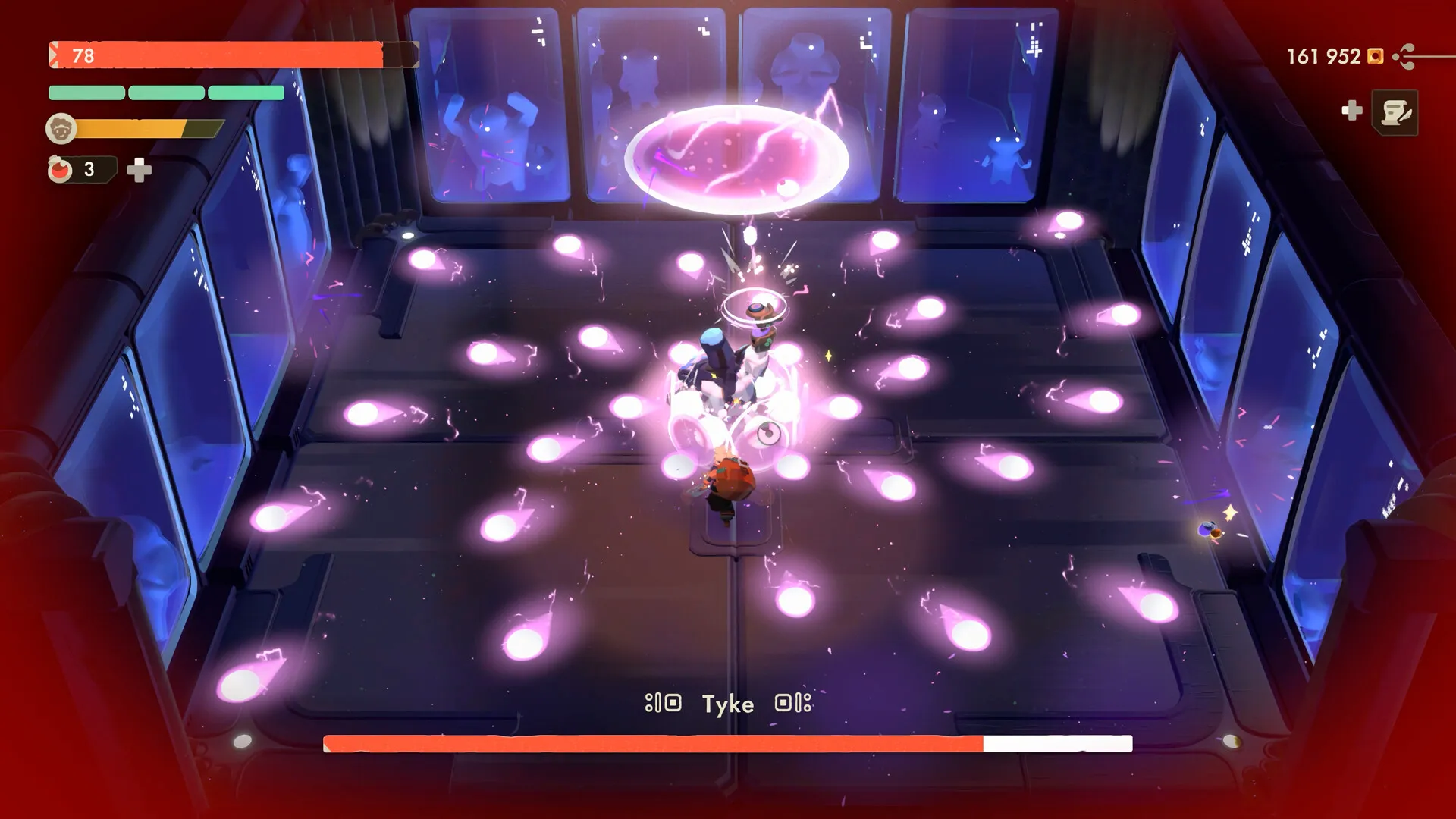
The blacksmith system extends that planning into preparation, letting you infuse weapons with elemental traits such as acid or fire. Bosses follow a classic escalation structure, pushing you through phases that demand pattern learning and sharp use of brief vulnerability windows. The best fights land like puzzles: equipment choices matter, reflexes matter, and you win through observation and clean execution. The weapon feel stays heavy and responsive, so victory reads as earned work rather than statistical drift.
Cartography of the Dimensional Frontier
Exploration inside the Vault uses a branching, node-based format that plays like a high-stakes board game. Runs unfold across procedural maps where each choice commits you to a different trial, ranging from elite monster encounters to hidden pockets of resources. The Gallery and the Yolia halls frame that variety through tone and structure, each biome asking for a different mindset.
One route might place you in a museum-like space watched by mechanical sentinels, another might throw you onto a storm-lashed floating island where exposure and positioning become constant concerns. Environmental hazards sharpen the tension room by room, with crumbling platforms and concealed traps shaping the way you move. Status effects like freezing or burning can hit mid-fight and reshape your options on the spot, forcing strategic adjustments inside the run rather than between runs.
The defining pressure comes from the decision to push forward or retreat. The pendant offers an exit that preserves your haul intact, and the lure of rare relics keeps pulling you deeper into danger zones. Random upgrades and dungeon perks intensify that pull by supplying temporary power spikes that can flip a struggling run into a successful one. You might take a perk that raises speed in exchange for health, or pick one that adds explosive damage to the backpack slam.
These volatile variables keep routes unpredictable and fresh, even when the structure stays familiar. The maps function as active problems, demanding spatial awareness and long-range planning that treat each descent like a calculated gamble against the unknown, with rewards as unstable as the environments that hold them.
The Spatial Logic of the Rucksack
The inventory system operates as a puzzle that governs financial success and combat readiness at the same time. Relics exist as physical objects inside your rucksack, and their traits shape the items around them. Cursed artifacts introduce a harsh grammar: placement can destroy neighboring treasures, and careful positioning can raise value instead.
Some pieces multiply their worth when kept at the bottom of the bag, and others need specific neighbors before their full potential unlocks. Looting becomes a constant act of revision, a practical form of editing where you keep rearranging meaning through adjacency and space. The game captures that merchant anxiety in small moments: you stand over a rare find and weigh which current treasure deserves to be sacrificed so the new one can fit.
These interactions bleed into combat through passive buffs tied to carrying configurations, so the bag becomes a build system as much as a container. Managing limited space in pursuit of maximum profit mirrors the dilemmas of trade inside a resource-scarce environment, where every choice carries an opportunity cost you feel immediately.
A burning relic can be worth carrying even if it damages other items, provided its sale price justifies the collateral loss. Rarity tiers establish a visible hierarchy, and item-to-item interaction keeps that hierarchy from becoming a simple ladder.
A common relic can earn its keep through placement value, outplaying a legendary piece that fails to cooperate with the rest of the layout. The system rewards players who think several steps ahead, planning the backpack grid so each property compounds the next. The rucksack becomes the key interface between dungeon risk and shop prosperity, and it reads as Will’s most important tool.
The Rhythms of the Marketplace
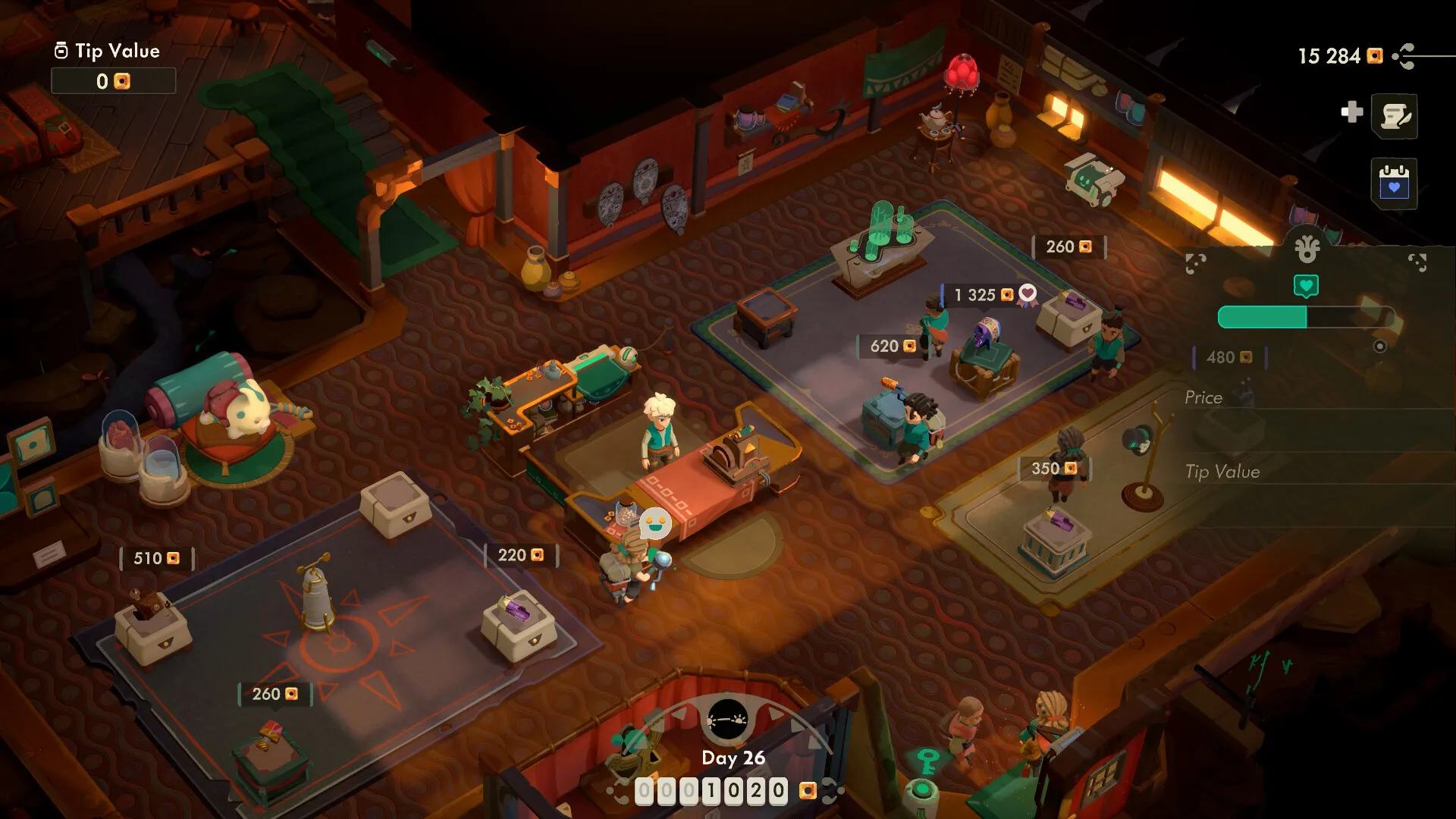
Shopkeeping lands as an active, demanding simulation that leans on consumer psychology. You price relics by watching emoji-based customer reactions, then adjust on the fly until the numbers settle into a profitable pace that still moves product. The Relic Codex works like a merchant’s notebook, preserving ideal prices from previous runs so you can rely on memory and record instead of guesswork.
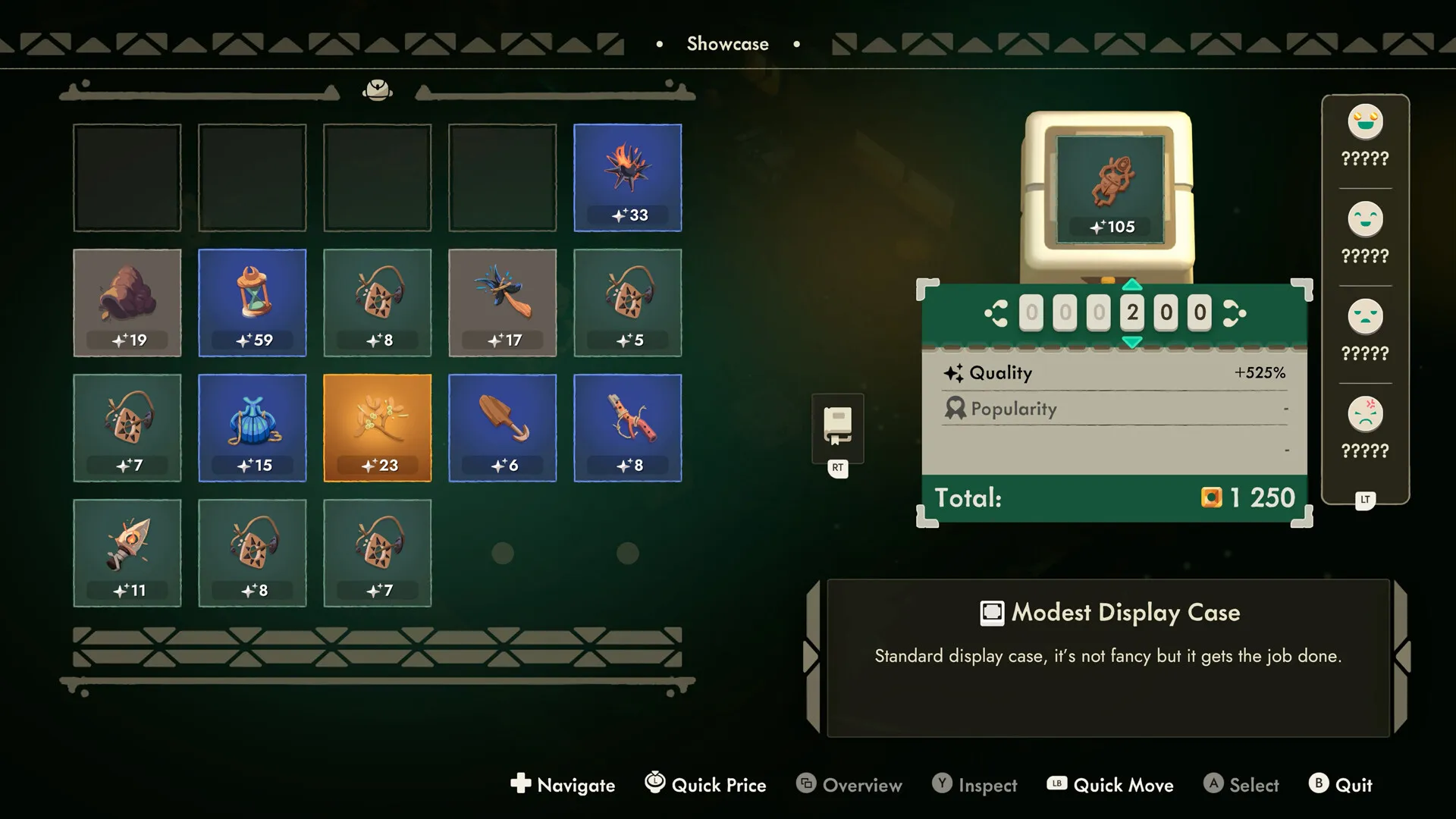
That frees attention for the practical logistics of running the floor. K33P3R helps shape the space itself, from display-case placement to decorations designed to encourage higher spending. During peak hours the shop turns into a true plate-spinning test: restocking sold goods, managing the till, and keeping transactions flowing without letting the room stall.
A dedicated merchant skill tree deepens the economy through perks that increase efficiency and raise gold earned per shift. Market events can spike demand for certain relics, creating windows where trend-reading translates into massive gains. That dynamism keeps shop work tied tightly to the main loop, with consequences that match the intensity of a dungeon run.
Your sales show up in the town’s growth, and new residents arrive as Tresna develops and expands its services. Managing a busy shop after a grueling descent delivers a distinct kind of satisfaction, rooted in attention, timing, and judgment. The system treats commerce as a skill set of its own, where reading the market carries as much weight as parrying a strike.
Aesthetic Cohesion and Technical Frontiers
The sequel’s art direction takes a clear step forward through a painterly 3D style that balances whimsy with grounded texture. Detail work sells the space, from torchlight flicker in town to the strange, shifting geometry inside the Vault’s chambers.
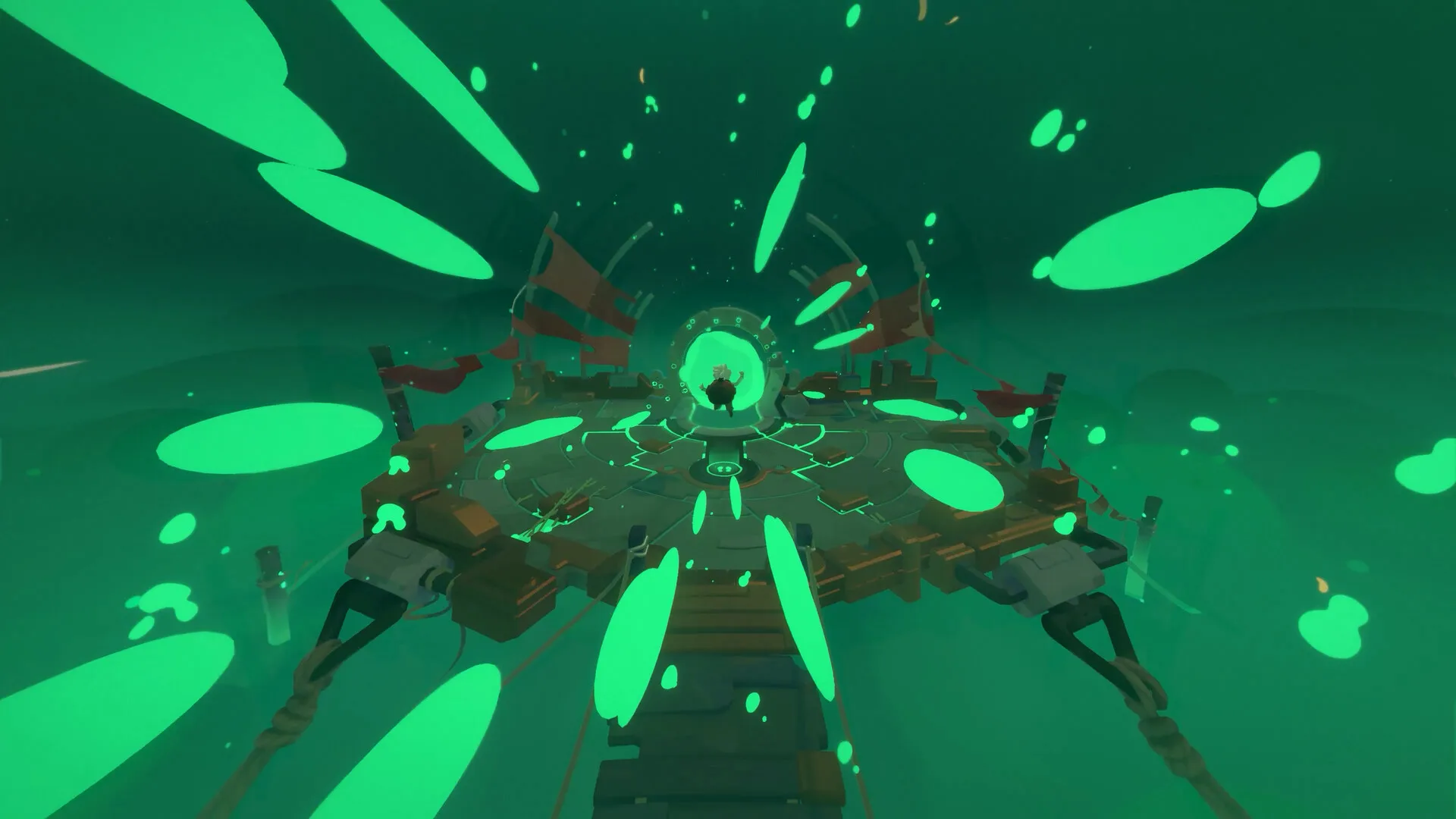
Sound design reinforces that sense of place with a score that adjusts to circumstance, offering quiet, emotive themes during town stretches and driving, rhythmic tracks in battle. Individual effects land with tactile weight, from the clink of a coin to the heavy thud of a mace.
Early Access brings minor friction, including small text and occasional frame rate dips, and the foundation remains impressively polished. Control options are extensive, with full remapping for controllers and keyboards that broadens accessibility. These technical choices support a coherent world that invites you in, even when the path ahead runs straight through danger.
The Review
Moonlighter 2: The Endless Vault
Moonlighter 2: The Endless Vault represents a thoughtful evolution of a celebrated formula. By centering the experience on a community of displaced castaways, Digital Sun creates a narrative weight that transforms every transaction into an act of social restoration. The transition to a volumetric isometric world provides the mechanical freedom necessary for deeper combat and spatial puzzles. While Early Access stutters and targeting quirks occasionally disrupt the rhythm, the core loop of strategic looting and ambitious entrepreneurship is more rewarding than ever. It is a confident step forward for the merchant-hero genre.
PROS
- Engaging backpack puzzles with complex item synergies
- Fluid, expressive combat utilizing zippy movement
- Meaningful town growth tied to economic success
- Beautifully realized 3D art style and animation
CONS
- Significant performance dips on handheld systems
- Targeting logic often prioritizes the wrong threats
- Boss encounters can feel artificially prolonged
- Pacing fluctuates during the initial tutorial phase